

When companion planting artichokes, I recommend including marigolds, lavender, and calendula. Marigolds deter pests, while lavender attracts pollinators. Calendula helps mask the artichoke’s scent and also wards off rabbits. Borage enriches the soil and attracts beneficial insects, and nasturtiums provide pest resistance. Thyme enhances the artichoke’s resilience and soil quality. Carrots and tomatoes align growth conditions and share nutrient needs, while onions repel common pests. Additionally, lettuce, spinach, asparagus, corn, and radishes complement artichokes by providing moisture retention and enhancing nutrient availability. For more insights into optimizing your garden, there’s plenty more to explore.
1. Marigolds

When it comes to companion planting for artichokes, marigolds are a top choice due to their numerous benefits. They deter soil-dwelling pests like nematodes, attract beneficial insects, and enhance garden aesthetics. Additionally, incorporating marigolds into your garden promotes plant diversity, which helps create a harmonious ecosystem that supports overall plant health. Marigolds also attract beneficial insects, such as bees and butterflies, which can further enhance pollination in your garden.
For optimal marigold care, plant them around the perimeter or interplant with artichokes to maximize pest control and minimize damage, creating a healthier garden ecosystem overall.
2. Lavender

Lavender is an excellent companion for artichokes, offering a range of benefits that enhance both plant health and garden aesthetics. It attracts pollinators while repelling lavender pests, contributing to a healthier garden ecosystem. Additionally, the presence of lavender supports biodiversity by attracting various pollinators, which are essential for plant reproduction. Both plants thrive in well-drained lavender soil, and their compatibility in full sun makes them ideal companions, with lavender’s beauty enhancing the overall visual appeal of the garden. Additionally, planting Artemisia and agastache alongside lavender can further attract pollinators and create a vibrant garden landscape.
3. Calendula
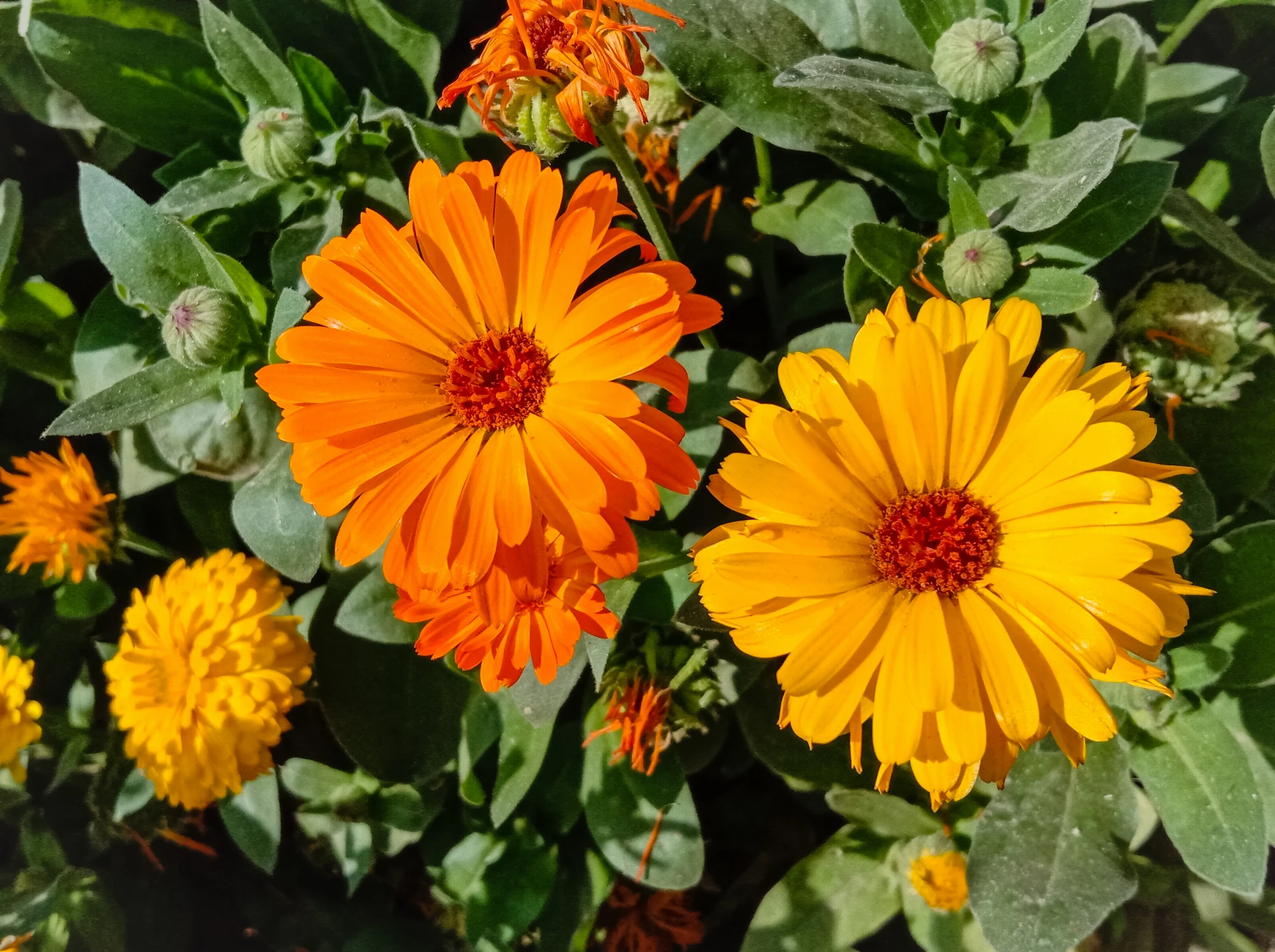
Calendula benefits include attracting pollinators and repelling pests like aphids. For optimal Calendula care, plant them in well-drained soil with full sun exposure. Their scent masks artichoke aromas, deterring rabbits while enhancing garden biodiversity. Additionally, this combination promotes mutual benefits among plants, creating a more balanced and sustainable gardening practice. The vibrant blooms of Calendula can also serve as nectar-rich plants to support a diverse range of pollinators in your garden.
4. Borage

Borage serves as an exceptional companion plant for artichokes, significantly enhancing their health and productivity. The Borage benefits include attracting beneficial insects and repelling pests like aphids. During Borage cultivation, I appreciate its ability to improve pollination rates and enrich soil with nutrients provides potassium. Its self-seeding nature makes it low-maintenance, while its edible flowers and leaves provide additional advantages in my garden. Additionally, cultivating Borage can promote soil quality by enhancing nutrient cycling within the ecosystem.
5. Nasturtiums

While exploring companion planting options for artichokes, I’ve found nasturtiums to be an invaluable addition to my garden. Their benefits include pest repulsion and attracting beneficial insects. Nasturtiums can also be used to repel pests with their peppery scent, making them a strategic choice for enhancing the overall health of your artichoke plants.
For optimal nasturtium care, I directly sow them in well-draining soil, ensuring they receive regular watering without overdoing it. These colorful plants not only enhance aesthetics but also improve soil health and suppress weeds effectively.
6. Lettuce

When I plan my garden, I find that incorporating lettuce can significantly enhance both productivity and biodiversity. Lettuce thrives alongside crops like chives and marigolds, which aid in pest management by repelling aphids. Additionally, planting it between carrots or beets utilizes space effectively. This combination not only promotes beneficial nutrients but also fosters a healthier garden ecosystem overall. By employing companion planting techniques, gardeners can optimize plant interactions for better yields.
7. Spinach
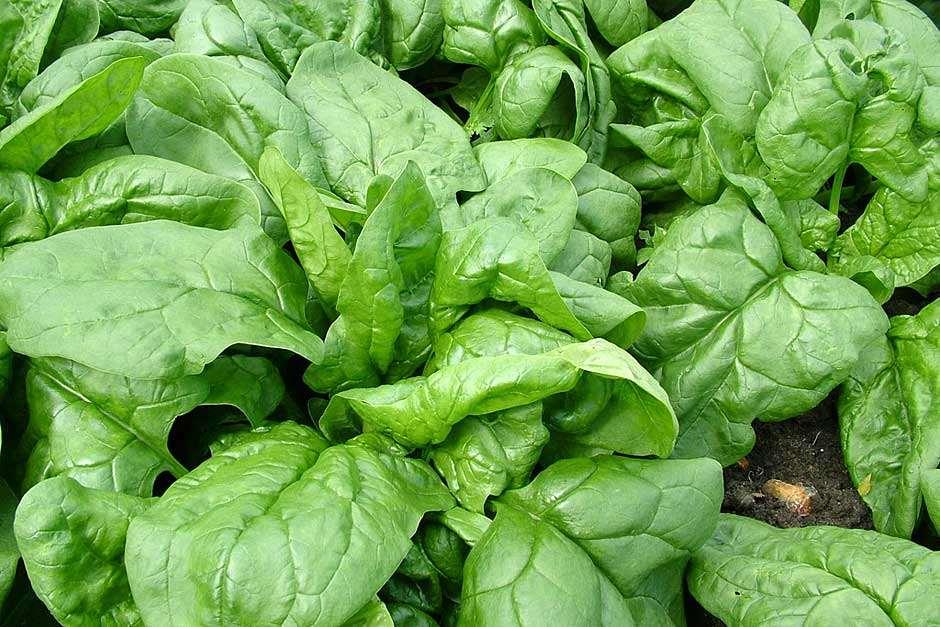
Integrating spinach into my garden alongside artichokes can significantly enhance productivity and space efficiency. Spinach thrives in the nutrient-rich soil preferred by artichokes, optimizing soil moisture retention. This pairing also aids in pest management; artichokes deter pests that affect spinach, reducing pesticide reliance. Additionally, companion planting can improve soil health and promote vigorous growth for both plants. Planting these together allows for effective growth and helps maintain a healthier garden ecosystem throughout the growing season.
8. Asparagus

Companion planting can enhance the productivity of my garden, and asparagus proves to be an excellent partner for artichokes.
The asparagus benefits include promoting soil stability and attracting beneficial insects that combat asparagus pests. Their differing nutrient requirements mean they won’t compete, optimizing space and enhancing moisture retention. This combination helps reduce pest infestations while ensuring both plants thrive harmoniously, ultimately contributing to biodiversity and resilience in the garden ecosystem.
9. Squash

While squash benefits include acting as living ground cover and attracting beneficial insects, its high water requirement can lead to competition for nutrients. Furthermore, both plants attract similar pests and diseases, making careful management essential to avoid potential squash drawbacks in your garden. To optimize growth, consider implementing companion planting strategies that can help mitigate these challenges.
10. Corn
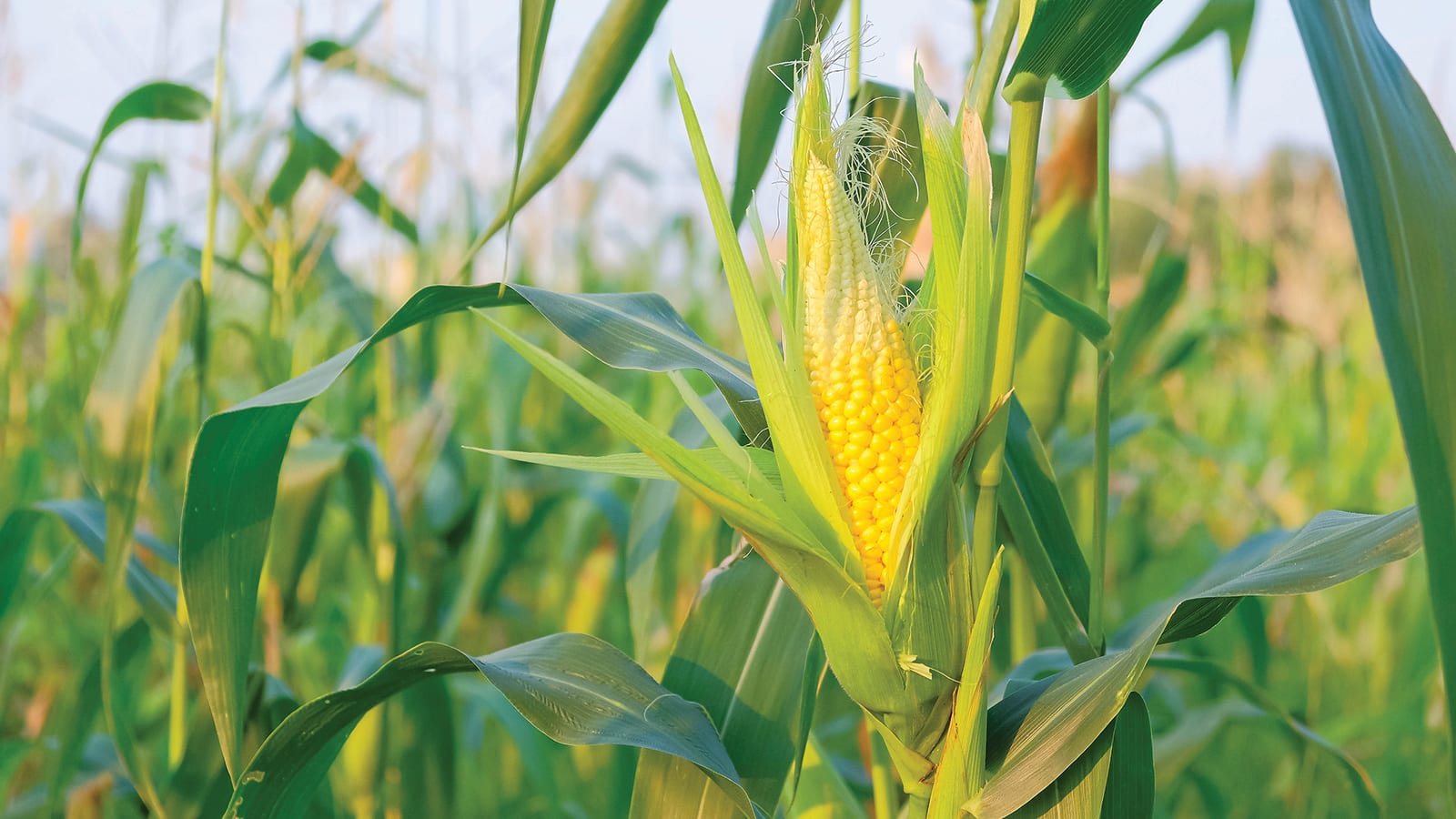
When considering the right companions for artichokes, corn stands out for its unique advantages. Its tall corn growth provides necessary afternoon shade when placed to the west of artichokes. The different root depths of corn reduce competition for water and nutrients. Additionally, corn acts as a natural support for climbing plants, enhancing the overall productivity of the garden.
11. Rosemary

Although many plants can thrive alongside artichokes, rosemary emerges as a particularly beneficial companion due to its pest-repelling properties and growth compatibility. Its strong scent aids in pest management strategies, deterring harmful insects while attracting beneficial pollinators. Additionally, rosemary enhances culinary uses, adding flavor to nearby vegetables. Together, they create a harmonious garden, maximizing both plant health and productivity. Furthermore, rosemary’s natural pest repellent capabilities contribute to a healthier ecosystem, fostering a balanced environment for artichokes and their companions.
12. Thyme
:max_bytes(150000):strip_icc()/how-to-grow-thyme-1402630-hero-d44ccea3e3604c1db97d23761b25de52.jpg)
Thyme serves as an excellent companion plant for artichokes, enhancing both their growth and resilience in the garden. Its pest-repelling qualities reduce the need for chemicals, while attracting beneficial insects like ladybugs. Thyme benefits include improved soil quality and moisture retention, and it thrives in similar conditions as artichokes, requiring minimal thyme maintenance. Planting thyme around artichokes maximizes these advantages effectively, making it a vital part of a balanced ecosystem that supports various species.
13. Carrots
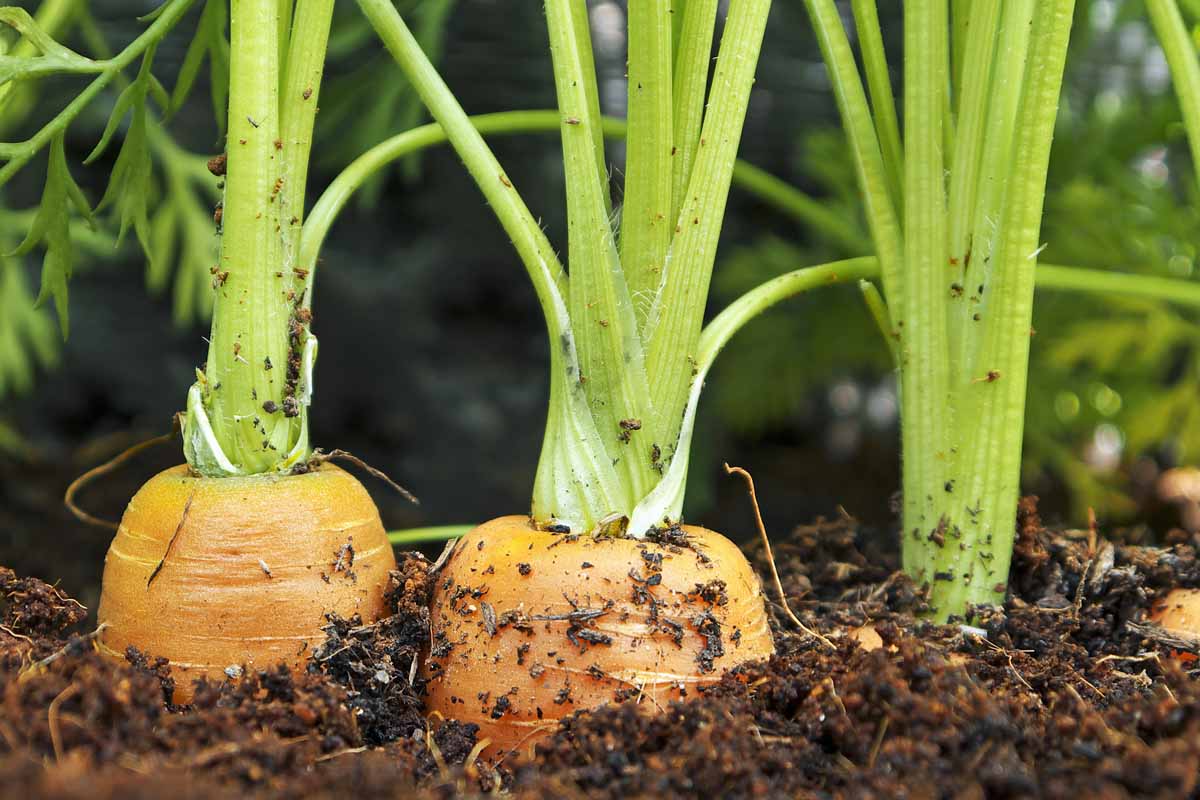
Carrots make an excellent choice for companion planting with artichokes, as their growth conditions and pest management strategies align harmoniously. These companion plants benefit from Allium family members like onions and garlic, which act as pest deterrents. Additionally, radishes can aid in soil aeration and quick germination, creating space for carrots. Together, they ensure a thriving garden ecosystem, and carrots thrive alongside many vegetable plants due to their moderate nutrient needs.
14. Tomatoes
:max_bytes(150000):strip_icc()/indeterminate-tomato-variety-1403423-01-bf3ec05de4754840abbd8dc26514bee7.jpg)
When considering companion planting with artichokes, tomatoes emerge as a particularly beneficial option due to their shared requirements and growth dynamics. I’ve found that various tomato varieties thrive alongside artichokes when given adequate tomato spacing of 3-4 feet. Both plants prefer well-drained soil and full sun, ensuring they can flourish together while minimizing competition for nutrients and supporting each other’s growth. Additionally, companion planting can improve overall garden biodiversity, enhancing the health and yield of both crops.
15. Onions

In my experience, onions make an excellent companion for artichokes, particularly due to their ability to repel common pests that threaten these lush plants. The strong scent of onion varieties deters aphids and cabbage loopers, enhancing overall garden health. Additionally, onion benefits include adaptability to sun or shade, minimal space competition, and compatibility with other companion plants, creating a thriving ecosystem. Companion planting with onions can significantly improve the growth conditions for artichokes, leading to a more bountiful harvest.