

As I glanced around my living room, I couldn’t help but wonder if the air I was breathing was truly clean. That’s when I stumbled upon a list of 15 houseplants renowned for their air-purifying abilities. The Spider Plant, Snake Plant, and Peace Lily are just a few that caught my eye, promising to rid indoor spaces of harmful toxins. But which plants made the cut and why? It seems like there’s much more to explore when it comes to creating a healthier home environment with just a touch of greenery.
1. Spider Plant
:max_bytes(150000):strip_icc()/spider-plants-chlorophytum-definition-1902773-01b-b3f60dce30a64c399d52b5538417cc7d.jpg)
Known for its exceptional air-purifying capabilities, the Spider Plant, scientifically known as Chlorophytum comosum, is a popular choice for indoor spaces seeking cleaner and fresher air.
This low-maintenance plant effectively purifies the air by removing indoor pollutants like formaldehyde, xylene, and toluene. Thriving in various light conditions, from bright to indirect light, Spider Plants can grow up to 12-24 inches tall.
One of the standout features of this plant is its ability to produce spiderettes, or “baby” plants, which can be easily propagated.
Requiring watering only 2-3 times a week and being resilient to different humidity levels, Spider Plants are an excellent option for enhancing indoor air quality in spaces up to 200 square feet.
2. Snake Plant
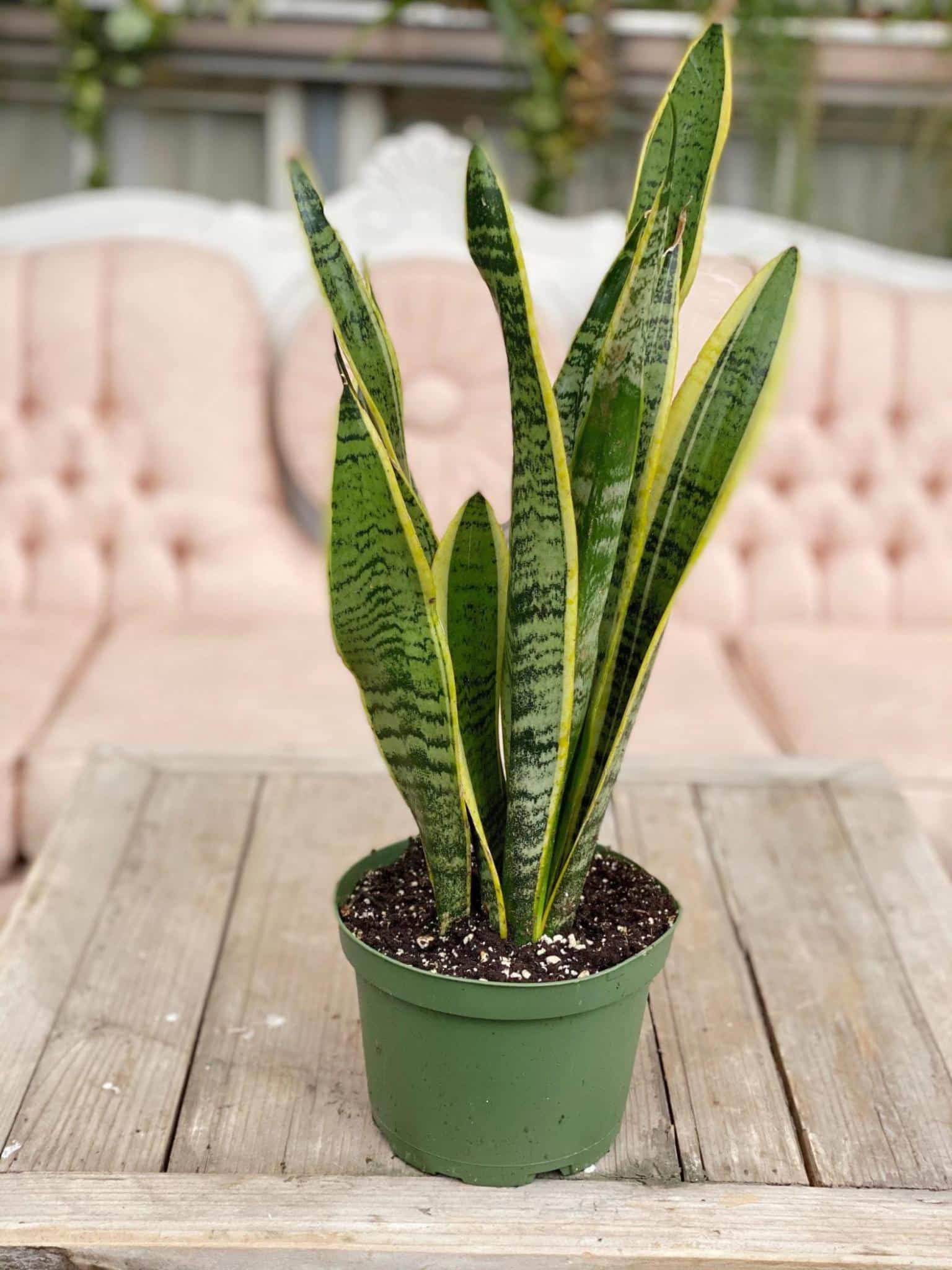
The Snake Plant, scientifically referred to as Sansevieria trifasciata or commonly known as Mother-in-Law’s Tongue, is a top choice for indoor spaces seeking cleaner air.
This air purifying plant excels at improving air quality by filtering out pollutants like formaldehyde, benzene, and nitrogen oxides. Its ability to convert CO2 into oxygen at night enhances the indoor environment continuously.
Recognized for its low allergenic potential, the Snake Plant is particularly beneficial for individuals with allergies, contributing to a healthier living space by reducing common airborne allergens.
The Snake Plant’s low maintenance requirements, needing watering only every two to three weeks, and its adaptability to low light conditions make it an excellent addition to any home.
With its striking, upright leaves that can grow up to 3-4 feet tall, this plant also adds a touch of elegance to your living space.
Furthermore, being non-toxic to pets, the Snake Plant ensures safety for furry friends in the household.
3. Peace Lily

Within the realm of indoor air purification, the Peace Lily, scientifically known as Spathiphyllum, emerges as a noteworthy contender for optimizing air quality. This plant excels at removing indoor pollutants like ammonia, benzene, formaldehyde, and trichloroethylene, enhancing the air we breathe.
Interestingly, while Peace Lilies aren’t typical outdoor pollinators, their ability to purify indoor air can create a healthier environment which indirectly supports the overall ecosystem by improving human health and reducing the need for artificial air purifiers that consume energy.
Peace Lilies prefer low to medium indirect light, making them suitable for various indoor environments. Regular watering is essential to keep them healthy, as they thrive best in consistently moist soil. Their stunning white blooms not only add aesthetic charm but also contribute to air purification.
However, it’s crucial to note that Peace Lilies are mildly toxic to pets if ingested, so placing them out of reach of animals is vital. NASA’s Clean Air Study even recommends the Peace Lily for its efficient air-filtering capabilities.
4. Aloe Vera
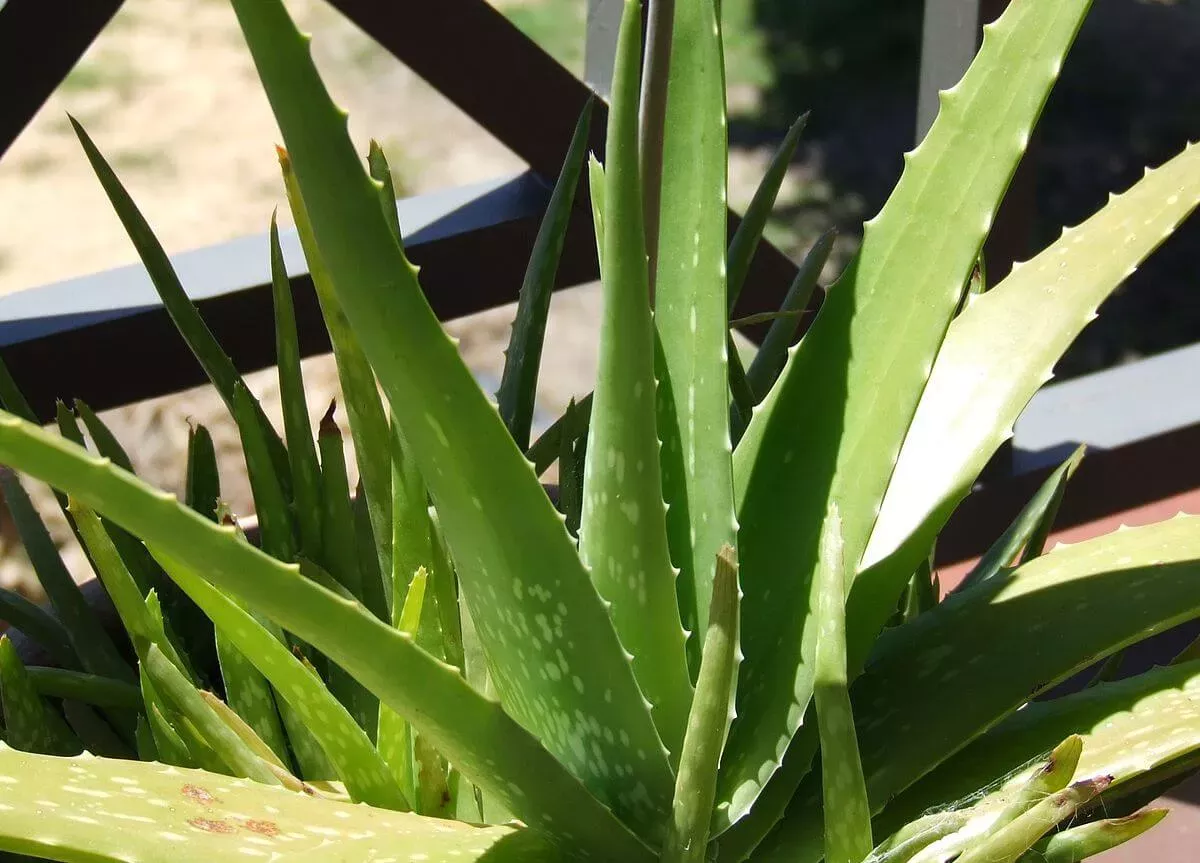
Having conducted research on indoor air purification, I’m excited to introduce the remarkable Aloe Vera plant (Aloe barbadensis miller).
Aloe Vera is a renowned air-purifying plant that effectively removes indoor pollutants like formaldehyde and benzene, thereby enhancing indoor air quality. This succulent thrives in bright, indirect light and requires minimal watering, making it an easy-to-care-for addition to your indoor space.
In addition to cleansing the air, Aloe Vera supports ecosystem health by contributing to indoor biodiversity, creating a more balanced and healthy living environment.
Beyond its air-purifying qualities, Aloe Vera is esteemed for its medicinal properties, with its gel aiding in soothing skin irritations and promoting healing.
Growing up to 2 feet tall, Aloe Vera isn’t only functional but also adds aesthetic appeal to home decor.
Moreover, it’s safe for pets and children, making it a popular choice for households seeking non-toxic plant options.
5. Boston Fern

Curious about a houseplant that excels at purifying indoor air? The Boston Fern (Nephrolepis exaltata) is a top choice. Here’s why:
- Natural Air Purifier: Boston Ferns are highly effective at removing indoor air pollutants like xylene, toluene, and benzene, making them excellent natural air purifiers.
- Humidity Lover: Thriving in humid environments, these plants require frequent watering and misting to maintain their lush, green foliage.
- Light Requirements: Preferring bright, indirect sunlight, Boston Ferns mimic their native South American habitat.
Placing them in well-lit areas is essential as they may struggle in low-light conditions.
6. English Ivy

To delve into the realm of effective air-purifying houseplants, English Ivy (Hedera helix) emerges as a formidable contender. This versatile plant excels in improving indoor air quality by effectively absorbing pollutants like formaldehyde, benzene, and carbon monoxide.
English Ivy adapts well to various light conditions, from full shade to full sun, making it a suitable addition to a range of indoor environments. Its easy-to-grow nature and ability to be trained to trail or climb provide decorative flexibility.
However, it’s crucial to note that English Ivy is toxic to pets, particularly cats and dogs, and should be kept out of their reach. With moderate watering and occasional pruning, this plant can thrive indoors for many years, promoting both clean air and aesthetic appeal.
7. Rubber Plant

Did you know that the Rubber Plant (Ficus elastica) is a powerhouse when it comes to purifying indoor air? This plant isn’t only aesthetically pleasing but also contributes significantly to improving air quality by efficiently removing formaldehyde.
To help your Rubber Plant thrive and continue purifying the air in your home, here are some key care tips:
- Light Requirements: Prefers filtered morning sunlight for optimal growth.
- Watering Schedule: Moderate watering every 1-2 weeks, allowing the soil to dry out between waterings.
- Size and Appearance: Can grow up to 8 feet indoors, with glossy, dark green leaves that add to both the beauty of your space and the air purification process.
8. Golden Pothos
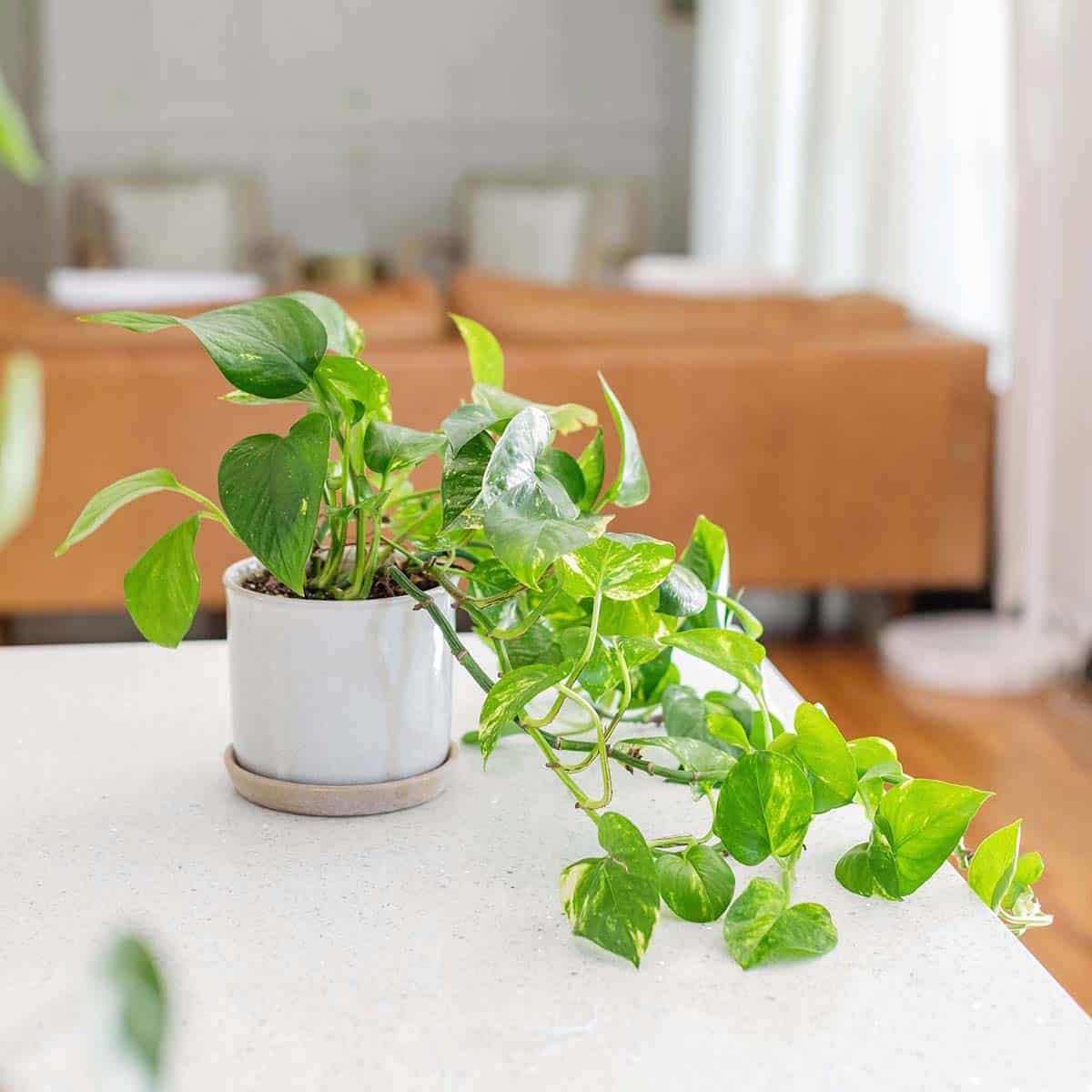
Golden Pothos, scientifically known as Epipremnum aureum, is a highly effective indoor plant recognized for its exceptional air-purifying qualities. This plant is adept at removing indoor air pollutants such as formaldehyde, xylene, and benzene, making it a popular choice for improving air quality within homes or offices.
Golden Pothos is versatile when it comes to light conditions, thriving in both low light and bright indirect sunlight, offering flexibility in placement around your living space. Known for its rapid growth, this plant features trailing vines that can extend up to 10 feet, allowing for creative displays in hanging pots or on shelves.
With minimal maintenance requirements, including infrequent watering and adaptability to various humidity levels, Golden Pothos is a great choice for those seeking a low-maintenance air-purifying companion. However, due to its mild irritants, caution should be exercised when placing it in homes with pets.
9. Bamboo Palm

Renowned for its exceptional air-purifying capabilities, the Bamboo Palm (Dypsis lutescens), also commonly referred to as the Areca Palm, stands out as a highly effective indoor plant for improving air quality.
This plant not only adds a tropical aesthetic to indoor spaces but also serves as a natural air purifier. Here are some key points about the Bamboo Palm:
- Air-Purifying Abilities: The Bamboo Palm efficiently removes indoor air pollutants such as benzene, formaldehyde, and carbon monoxide.
- Moderate Watering: This plant requires moderate watering and thrives in part sun to part shade conditions, making it adaptable to various indoor environments.
- Safe for Pets: The Bamboo Palm is safe for pets and can grow up to 8 feet tall, making it ideal for larger spaces while increasing humidity levels for improved indoor air quality.
10. Dracaena

Thriving in low light conditions, Dracaena species, such as the popular Dracaena Janet Craig variety, are recognized for their exceptional ability to purify indoor air by effectively removing toxins like trichloroethylene, benzene, and formaldehyde.
This air-purifying plant can reach heights of up to 6 feet, adding a striking vertical element to your indoor space. Dracaena is a low-maintenance plant that requires well-drained soil and moderate watering.
However, it’s crucial to note that while Dracaena offers numerous benefits, it’s mildly toxic to pets if ingested. Therefore, if you have furry friends at home, it’s essential to keep this plant out of their reach to ensure their safety.
Consider incorporating Dracaena into your indoor environment for both aesthetic appeal and improved air quality.
11. Areca Palm

Dracaena species aren’t the only houseplants known for their air-purifying properties; another beneficial option to consider is the Areca Palm.
This tropical gem not only enhances indoor air quality by removing pollutants but also offers several other advantages:
- Natural Air Purifier: Areca Palm effectively filters out toxins like benzene and formaldehyde, promoting cleaner indoor air.
- Humidity Booster: Contributing to increased humidity levels, Areca Palms help combat dry air conditions, which can benefit respiratory health.
- Pet-Friendly: Safe for households with pets, this plant adds a touch of nature without posing harm to furry friends.
12. Gerbera Daisy
:max_bytes(150000):strip_icc()/care-grow-for-gerbera-daisy-getty-0523-e958ae84c4aa4e79b92610760120d452.jpg)
Known for its vibrant blooms and air-purifying capabilities, the Gerbera Daisy (Gerbera jamesonii) is a popular choice for indoor spaces seeking a touch of color and enhanced air quality.
This flowering plant effectively removes harmful indoor pollutants like formaldehyde, benzene, and trichloroethylene. Thriving in bright, indirect sunlight with well-draining soil, Gerbera Daisies can grow up to 18 inches tall, adding aesthetic appeal to indoor environments with their colorful flowers.
To maintain these cheerful blooms, ensure consistent moisture by watering regularly without waterlogging the soil.
Beyond its air-purifying qualities, research shows that the Gerbera Daisy can boost mood and reduce stress levels, making it a delightful and beneficial addition to any indoor space.
13. Philodendron
Positioned in a well-lit corner of your home, the Philodendron plant stands out as a versatile and effective air purifier.
Philodendron is excellent for improving indoor air quality due to its ability to remove pollutants like formaldehyde.
Here are some key points about this plant:
- Adaptable Lighting: Thriving in low to bright indirect light, Philodendrons can fit various indoor environments.
- Low Maintenance: Requiring minimal care with watering only every 1-2 weeks, these plants are perfect for busy individuals.
- Pet Caution: While aesthetically pleasing with its heart-shaped leaves, be aware that some Philodendron species are mildly toxic to pets if ingested, necessitating caution around curious animals.
14. Weeping Fig
:max_bytes(150000):strip_icc()/grow-ficus-trees-1902757-1-80b8738caf8f42f28a24af94c3d4f314.jpg)
Efficient in cleansing indoor air of harmful pollutants like benzene and formaldehyde, the Weeping Fig (Ficus Benjamina) emerges as a notable contender among air-purifying houseplants.
This purifying houseplant thrives in bright, filtered light, requiring regular misting for optimal humidity levels. Sensitivity to drafts makes proper placement crucial, away from open windows and air conditioning vents to prevent leaf drop.
Yellowing leaves signal overwatering; it’s vital to let the topsoil dry out before watering to maintain the plant’s health.
Admired for its ornamental braided roots and lush foliage, the Weeping Fig can reach heights of up to 10 feet indoors, enhancing any space with its striking aesthetics and air-purifying qualities.
15. Chinese Evergreen

Moving on to the Chinese Evergreen, this houseplant, scientifically known as Aglaonema modestum, is a versatile addition to indoor spaces due to its ability to thrive in low to medium light conditions.
Chinese Evergreens are effective air purifiers, particularly adept at removing indoor pollutants like benzene and formaldehyde, thus enhancing the quality of indoor air.
Here are some key points about the Chinese Evergreen:
- Adaptable Lighting: Thrives in low to medium light environments.
- Air Purifying Qualities: Known for effectively removing benzene and formaldehyde.
- Growth Characteristics: Typically grows to heights of 1 to 2 feet, and can adapt well to varying humidity levels.
Consider the Chinese Evergreen for a natural and affordable solution to improve indoor air quality.