

Discover a diverse array of trees boasting enchanting heart-shaped leaves like the Japanese Tree Lilac with its ample shade. Witness the elegant white bracts resembling doves on the towering Dove Tree. The Balsam Poplar offers food for insects with its 3 to 6-inch leaves. Experience the Quaking Aspen’s fluttering foliage and sun-loving nature. Marvel at the yellowish-green flowers of the Italian Alder, adaptable to various soils. Delight in the pinkish-purple clusters of the Eastern Redbud’s blooms. Explore garden beauty with the Weeping White Mulberry’s weeping growth habit. Uncover the spiritual significance of the Sacred Fig’s heart-shaped foliage.
10. Japanese Tree Lilac

The Japanese Tree Lilac, a deciduous tree belonging to the Olive family and known scientifically as Syringa reticulata, showcases heart-shaped leaves that add ornamental value to its overall appearance. These leaves are typically 2 to 5 inches long, with a glossy dark green color that turns to yellow in the fall, creating a vibrant display of colors throughout the seasons. The distinct heart shape of the leaves makes the Japanese Tree Lilac a visually appealing choice for landscaping projects.
Moreover, the heart-shaped leaves of the Japanese Tree Lilac provide a dense canopy that offers ample shade during hot summer months, making it a pleasant retreat in your garden or yard. This tree’s foliage not only enhances its aesthetic appeal but also serves as a shelter for birds and other wildlife. The unique shape of the leaves, combined with the tree’s overall hardiness and low-maintenance nature, makes the Japanese Tree Lilac a popular and practical choice for both urban and rural environments.
2. Dove Tree
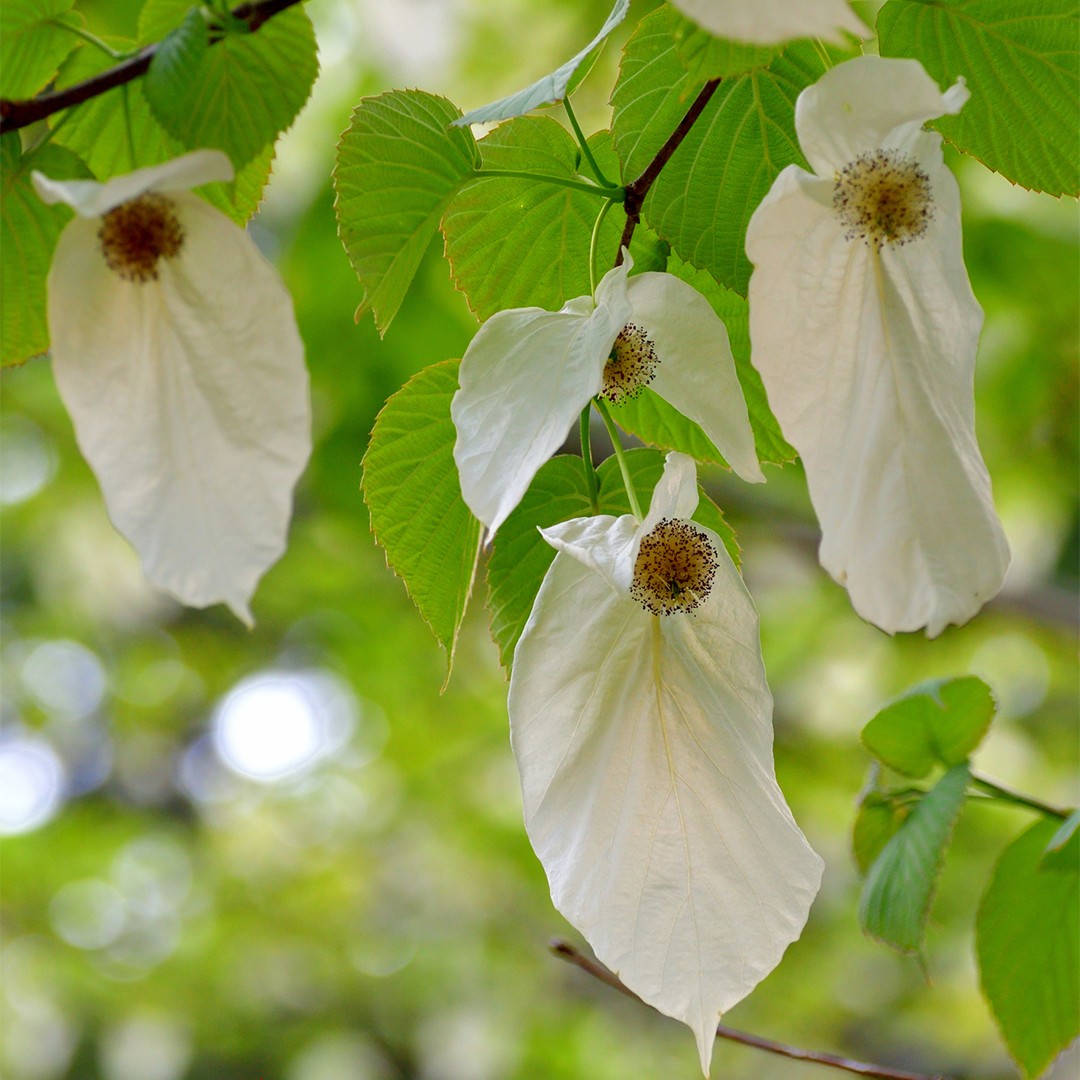
Known for its striking red and white bracts resembling doves in flight, the Dove tree, scientifically named Davidia involucrata, is a captivating addition to any landscape. The leaves appear on this tree as heart-shaped, adding to its charm and appeal.
Here are some fascinating facts about the Dove tree:
- Unique Bracts: The Dove tree is renowned for its distinctive red and white bracts, which appear in late spring or early summer, creating a stunning visual display reminiscent of doves perched on the branches.
- Growth Characteristics: Hardy in USDA zones 6 to 8, this tree can grow to a mature height ranging from 20 to 60 feet, with a spread of 20 to 40 feet, making it an ideal choice for medium to large gardens or landscapes.
- Preferred Conditions: Dove trees thrive in full to partial sun exposure and well-draining soil, ensuring optimal growth and abundant flowering.
- Ornamental Beauty: With its graceful appearance and ornamental foliage, the Dove tree stands out as a majestic and elegant focal point in any garden or landscape setting.
3. Balsam Poplar
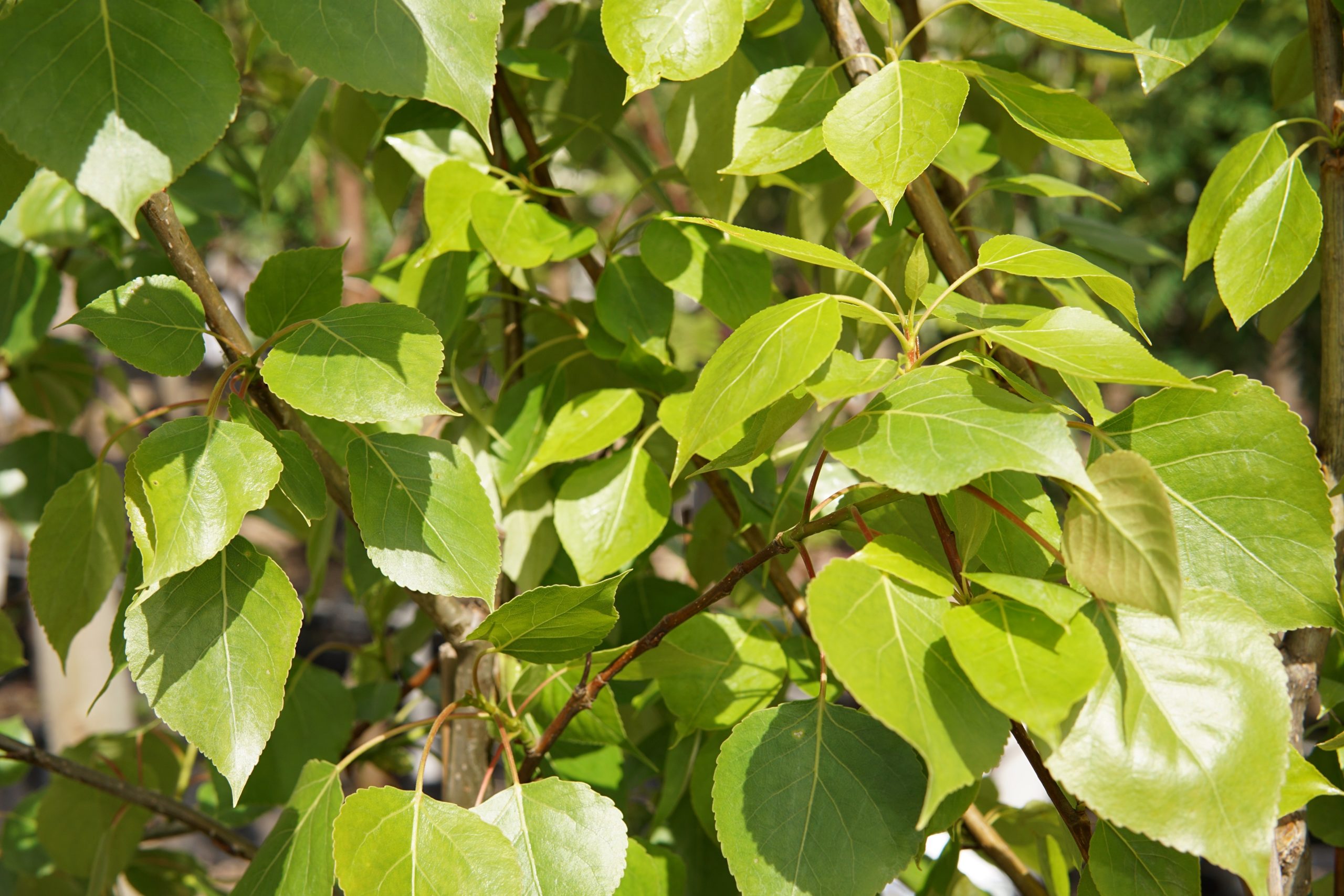
Balsam Poplar, scientifically known as Populus balsamifera, is a deciduous tree species characterized by its heart-shaped leaves and white flowers, thriving in USDA Hardiness Zones 2 to 6. The leaves of the Balsam Poplar are a defining feature, shaped like a heart with a pointed tip and a serrated edge. These vibrant green leaves are typically 3 to 6 inches long and 2 to 4 inches wide, creating a beautiful canopy when the tree is in full foliage.
The heart-shaped leaves of the Balsam Poplar are not only aesthetically pleasing but also serve important ecological functions. They provide shade to the tree’s surroundings, regulate temperature, and play a role in photosynthesis. Additionally, these leaves are a food source for various insects and caterpillars, contributing to the tree’s place in the local ecosystem. The distinct shape of the leaves makes the Balsam Poplar an attractive choice for landscaping and conservation efforts alike.
4. Quaking Aspen

Why does the Quaking Aspen tree stand out among its peers in the forest? The Quaking Aspen, scientifically known as Populus tremuloides, captivates with its heart-shaped leaves and unique characteristics. Here are some key points to help you appreciate this remarkable tree:
- Distinctive Leaves: The Quaking Aspen boasts heart-shaped leaves that flutter and tremble in the gentlest breeze, creating a mesmerizing sight in the forest.
- Beautiful Flowers: Adorned with delicate white flowers, this tree adds a touch of elegance to its surroundings, especially during the blooming season.
- Impressive Size: Growing to heights ranging from 20 to 50 feet and widths of 20 to 30 feet, the Quaking Aspen commands attention with its stature and presence.
- Sun-Loving Nature: Thriving in full sun exposure, this tree is a perfect choice for landscaping projects, where its heart-shaped foliage can enhance the beauty of any garden or yard.
5. Italian Alder

Characterized by its yellowish-green flowers on male trees and reddish-green on female trees, the Italian Alder (Alnus cordata) is a tree that thrives in USDA Hardiness Zones 5 to 7. This deciduous tree, known for its heart-shaped leaves and vibrant green coloration, can grow to heights ranging from 30 to 50 feet tall with a spread of 20 to 30 feet when fully mature. Italian Alder prefers locations with full sun to partial shade and showcases its ornamental appeal in various landscapes.
Adaptable to different soil types, the Italian Alder is a versatile choice for gardens and parks. Its ability to withstand wet conditions makes it a suitable option for areas with periodic flooding. The tree’s attractive foliage, coupled with its tolerance to urban environments, adds to its desirability as an ornamental tree. Consider introducing the Italian Alder to your landscape for a touch of elegance and resilience.
6. Sacred Fig
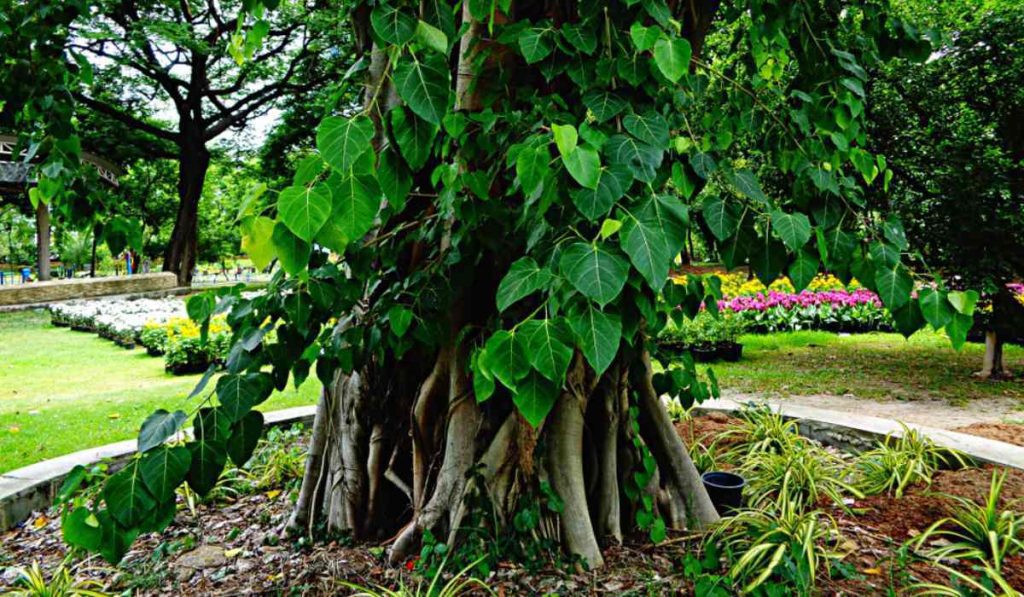
The Sacred Fig, also known as Ficus religiosa, is a revered and majestic tree native to the Indian subcontinent. This tree holds significant cultural and religious symbolism, representing enlightenment and spiritual growth in Hinduism, Buddhism, and Jainism. Here are some key facts about the Sacred Fig:
- Impressive Size: The Sacred Fig can grow to towering heights ranging between 60 to 100 feet, making it a prominent presence in its environment.
- Cultural Significance: Revered for centuries, the Sacred Fig is deeply intertwined with the spiritual beliefs of various traditions in the Indian subcontinent.
- Distinctive Features: One of the most striking features of the Sacred Fig is its heart-shaped leaves with long, tapering tips, adding to its allure.
- Optimal Growth Conditions: Thriving under full sun exposure, the Sacred Fig displays green flowers, contributing to its overall beauty and appeal.
The Sacred Fig stands as a living symbol of reverence and spirituality, embodying a connection between nature and the divine in the hearts of many.
7. Eastern Redbud
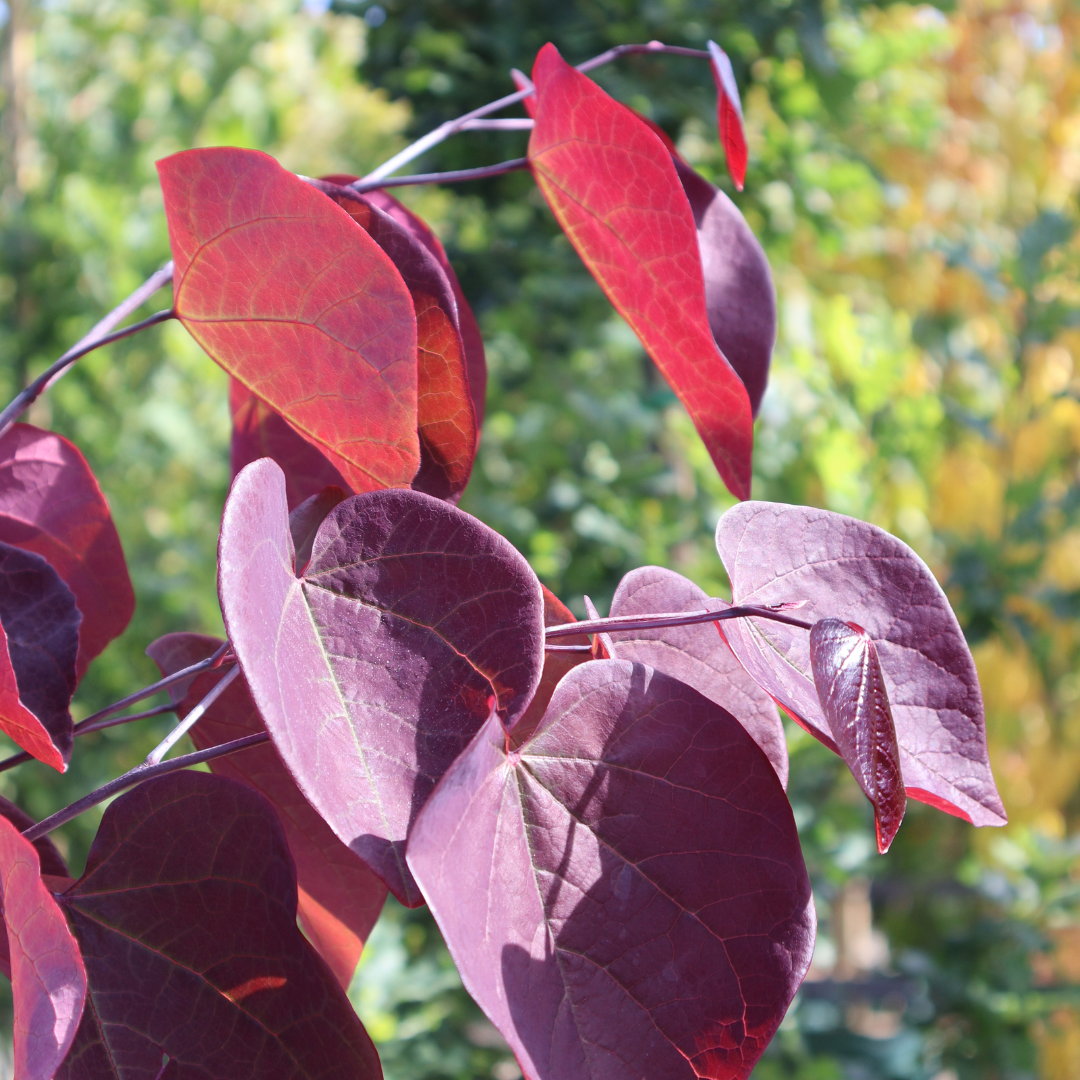
The Eastern Redbud, scientifically known as Cercis canadensis, is a captivating flowering tree boasting heart-shaped leaves that bloom in stunning pinkish-purple clusters. This deciduous tree, thriving in USDA Hardiness Zones 5 to 9, can reach heights of up to 30 feet and spreads about 35 feet wide. It prefers environments with full sun to partial shade, adding a vibrant splash of color to landscapes in early spring. The Eastern Redbud is not only visually appealing but also serves as a valuable resource for pollinators like bees and butterflies due to its ornamental value. Its heart-shaped leaves, symbolic of love and affection, make it a popular choice for gardens and urban areas. While the Northern Catalpas may share some similarities with the Eastern Redbud, such as heart-shaped leaves, the distinct pinkish-purple clusters of flowers set the Eastern Redbud apart as a unique and charming addition to any natural setting.
8. Ruby Falls Weeping Redbud
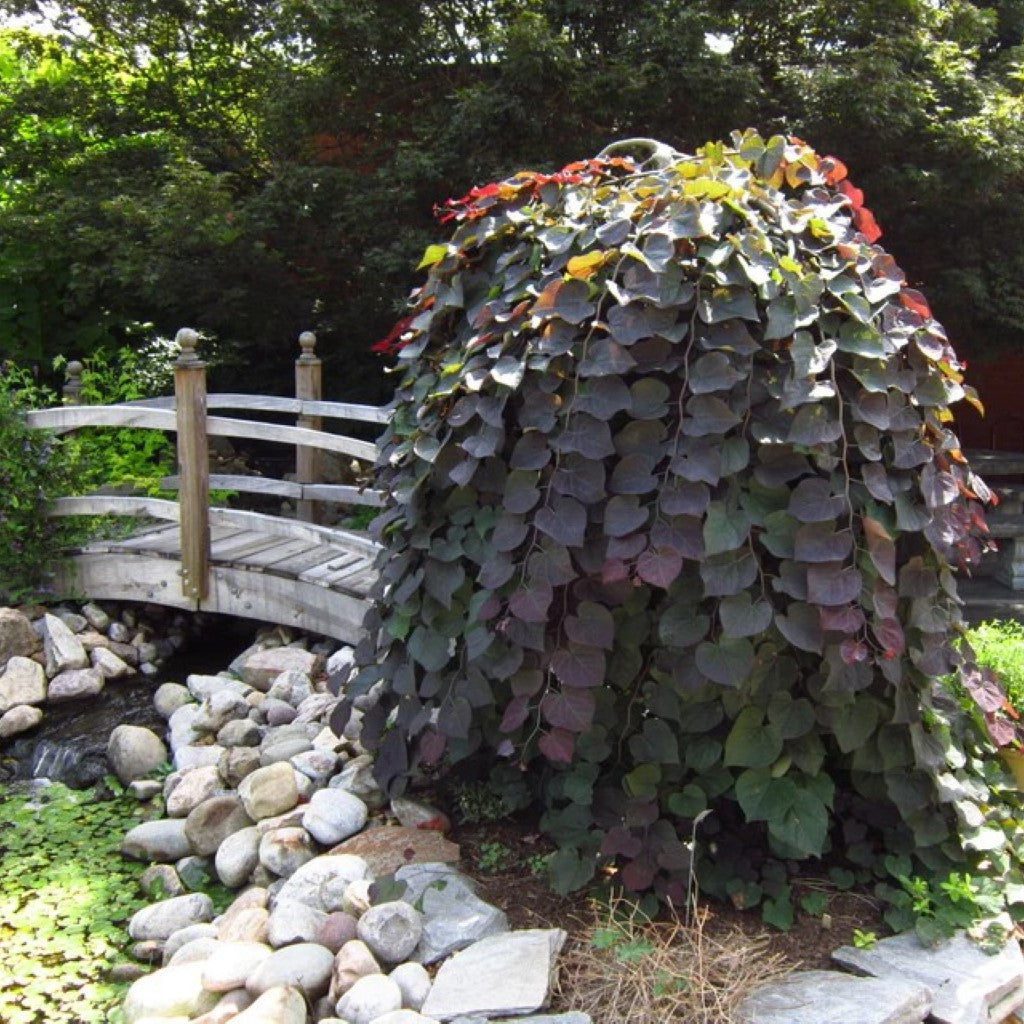
A compact and elegant tree with weeping branches, the Ruby Falls Weeping Redbud (Cercis canadensis Ruby Falls) displays stunning pink flowers in the spring, enhancing the beauty of any garden. This unique variety of redbud offers not only a vibrant pop of color but also a graceful presence due to its weeping branches. Here are four key features of the Ruby Falls Weeping Redbud:
- Compact Size: Growing 5 to 6 feet tall and 3 to 4 feet wide, this tree is perfect for small spaces or containers.
- Pink Blossoms: The Ruby Falls Weeping Redbud produces striking pink flowers in the spring, attracting pollinators and adding charm to the landscape.
- Ideal Lighting: Thriving in full sun to partial shade, this tree is versatile and adaptable to different light conditions.
- Elegant Form: The cascading branches of the Ruby Falls Weeping Redbud create a graceful and picturesque appearance, making it a popular choice for landscaping projects.
9. Weeping White Mulberry
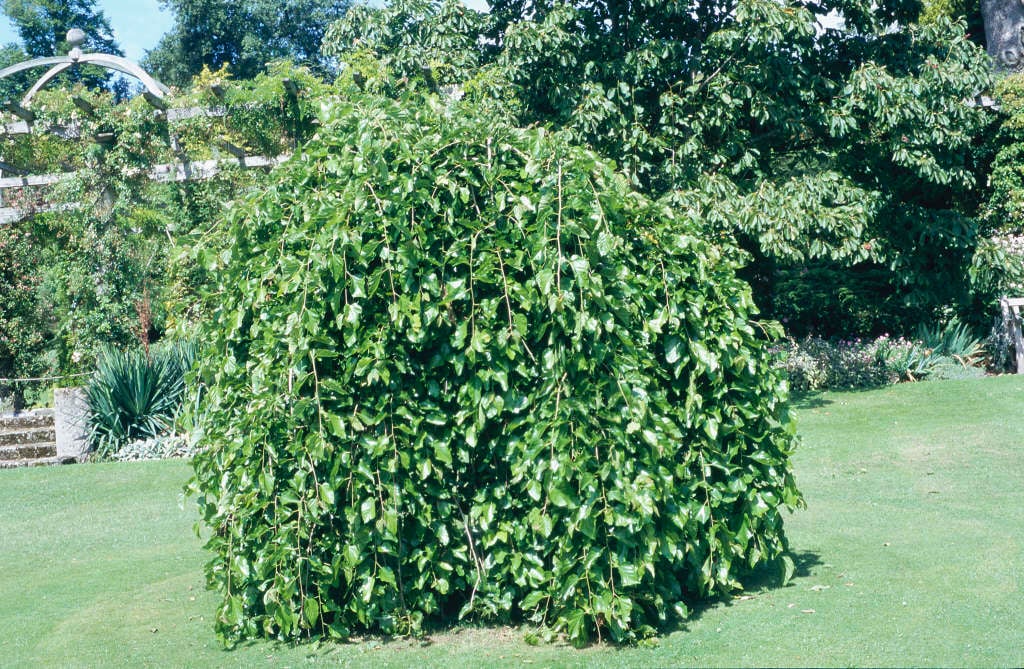
Weeping White Mulberry, known scientifically as Morus alba Pendula, is a small tree characterized by its weeping growth habit and heart-shaped, yellowish-green leaves that provide a unique ornamental appeal to gardens. This tree typically reaches 13 feet in height and width, creating an elegant and compact presence in landscapes. Weeping White Mulberry thrives best when planted in locations that receive full sun to partial shade, and in well-draining soil conditions. Its graceful weeping form and the distinctive color and shape of its foliage make it a charming addition to garden designs.
While discussing Weeping White Mulberry, it’s important to note that it belongs to the Moraceae family, which includes other notable trees like the Tilia genus, commonly known as Linden trees. The heart-shaped leaves of the Weeping White Mulberry resemble those of the Tilia trees, adding to its visual appeal. With its ornamental qualities and manageable size, this tree is ideal for smaller yards or as a focal point in garden settings.
10. Little-Leaf Linden
:max_bytes(150000):strip_icc()/little-leaf-linden-tree-growing-profile-3269318_06-8c70cc0f3f74446b85be4fb9e741af7a.jpg)
Little-Leaf Linden, scientifically referred to as Tilia cordata, showcases vibrant green, heart-shaped leaves that distinguish this tree in ornamental landscapes. This linden species is a delightful addition to gardens, offering more than just its charming foliage. Here are some intriguing facts about the Little-Leaf Linden:
- Hardiness and Size: Little-Leaf Linden thrives in USDA Hardiness Zones 3 to 7 and can reach impressive heights of 50 to 70 feet, making it a striking presence in any garden.
- Flowers and Pollinators: This tree bears small, yellowish flowers that not only add visual interest but also attract important pollinators like bees, contributing to the ecosystem.
- Sun and Soil Preference: Little-Leaf Linden prefers locations with full sun to partial shade and well-draining soil, ensuring its optimal growth and health.
- Mature Spread: With a mature width ranging from 35 to 50 feet, Little-Leaf Linden offers ample shade, making it an excellent choice for creating cool, relaxing outdoor spaces.