

If you’re hunting for rocks that could hold significant financial value, consider ones like Painite and Red Beryl, which are rare due to their unique formation conditions and command high market prices. Painite, for instance, lies in the bracket of $50,000 to $60,000 per carat due to its rare occurrence and competitive market. Red Beryl, found mainly in Utah’s Wah Wah Mountains, often fetches higher prices than diamonds because of its scarcity and the specific geological conditions required for its formation. Identifying traits like color change in Alexandrite and magnetic properties in meteorites can also prove crucial. Exploring these could reveal more gems whose rarity and beauty are immensely valued.
1. Identifying Valuable Meteorites
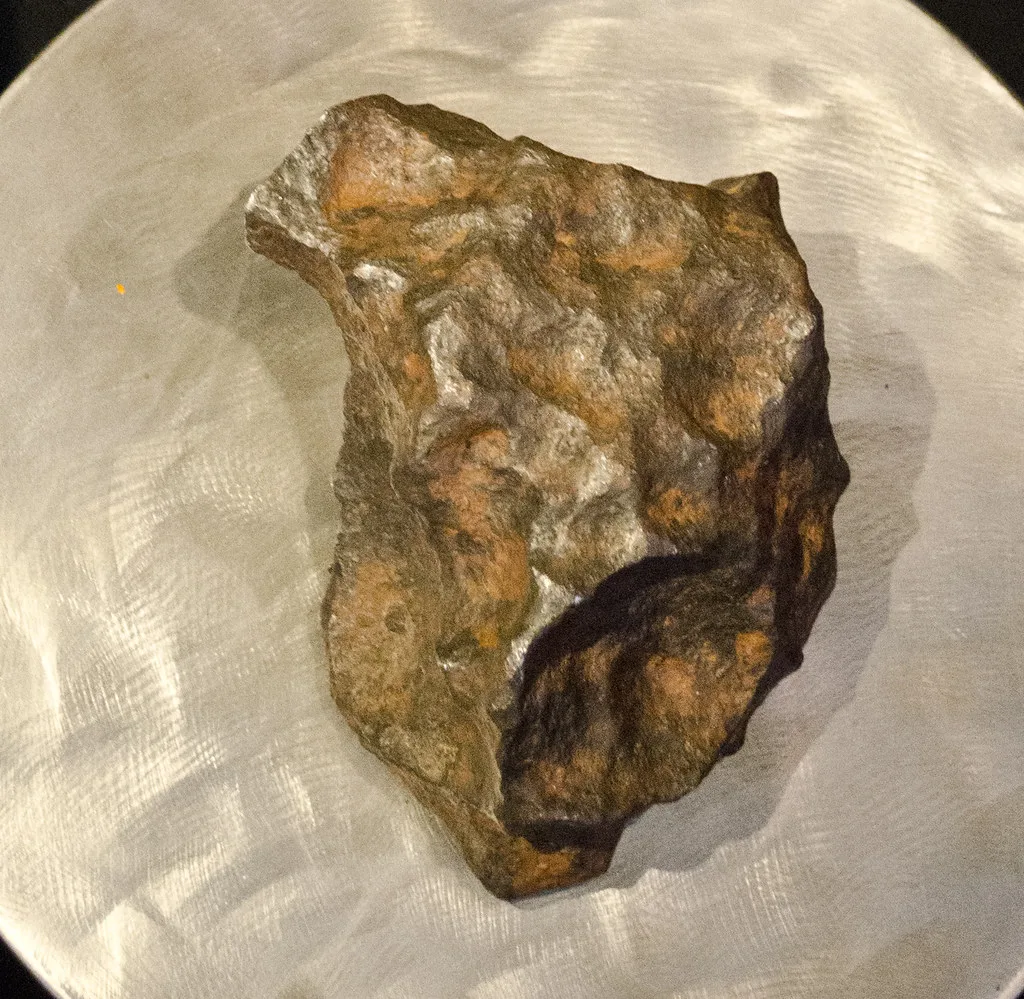
Identifying valuable meteorites, which are even rarer than gold or diamonds, involves recognizing their unique characteristics such as a distinctive crust formed during atmospheric entry. You’ll often find this fusion crust is glassy and black, a result of the meteorite’s outer layer melting as it plummets through Earth’s atmosphere. This exterior may also show flow lines or dimples—subtle textures formed as the molten material flows and cools on its descent.
To further pinpoint these celestial rarities, look for chondrites, a prevalent meteorite type characterized by small, round iron-nickel globules embedded within their structure. These metallic spheres not only confirm the extraterrestrial origin but also enhance the meteorite’s value.
When you’re out in the field, bring along a magnet and a ceramic tile for the streak test. Most meteorites contain iron, so they’ll typically attract a magnet. The streak test involves rubbing the rock on the tile; a meteorite will often leave a gray streak, unlike most Earth rocks.
These identification methods are crucial because, despite their plain appearance at first glance, some meteorites are more valuable than the most exquisite gems found on Earth.
2. The Allure of Painite

Discovered in the 1950s, painite, with prices per carat reaching between $50,000 and $60,000, remains one of the rarest minerals on Earth. Its striking hexagonal crystal structure and deep red to brownish hues contribute significantly to its unique allure. As a mineral enthusiast, you’re likely aware that painite was once considered virtually non-existent due to its extreme rarity.
This mineral’s scarcity stems from its highly localized formation conditions, which restrict its occurrence to very specific geological settings. For collectors, the limited supply of painite enhances its desirability and value, creating a competitive market where specimens fetch remarkably high prices.
The demand for painite far exceeds the available supply, driving its per carat cost to such elevated levels. This imbalance ensures that painite remains not just a gem in the literal sense but also in terms of investment potential. Its rarity and the technical complexity involved in its extraction and processing add layers to its mystique and to the challenges faced by those seeking to add it to their collections.
Whether you’re a seasoned gem collector or a newcomer intrigued by the world of rare minerals, the allure of painite offers a fascinating glimpse into the dynamics of rarity, demand, and value in the gemstone market.
3. Alexandrite’s Changing Colors

You’ll find Alexandrite’s color transformation fascinating, as it exhibits a striking shift from green in daylight to a deep red under artificial light.
This phenomenon is due to its unique chemical structure, which absorbs light differently depending on the light source.
Understanding the underlying optical principles can enhance your appreciation of why Alexandrite commands such high prices in the gemstone market.
Alexandrite Color Transformation
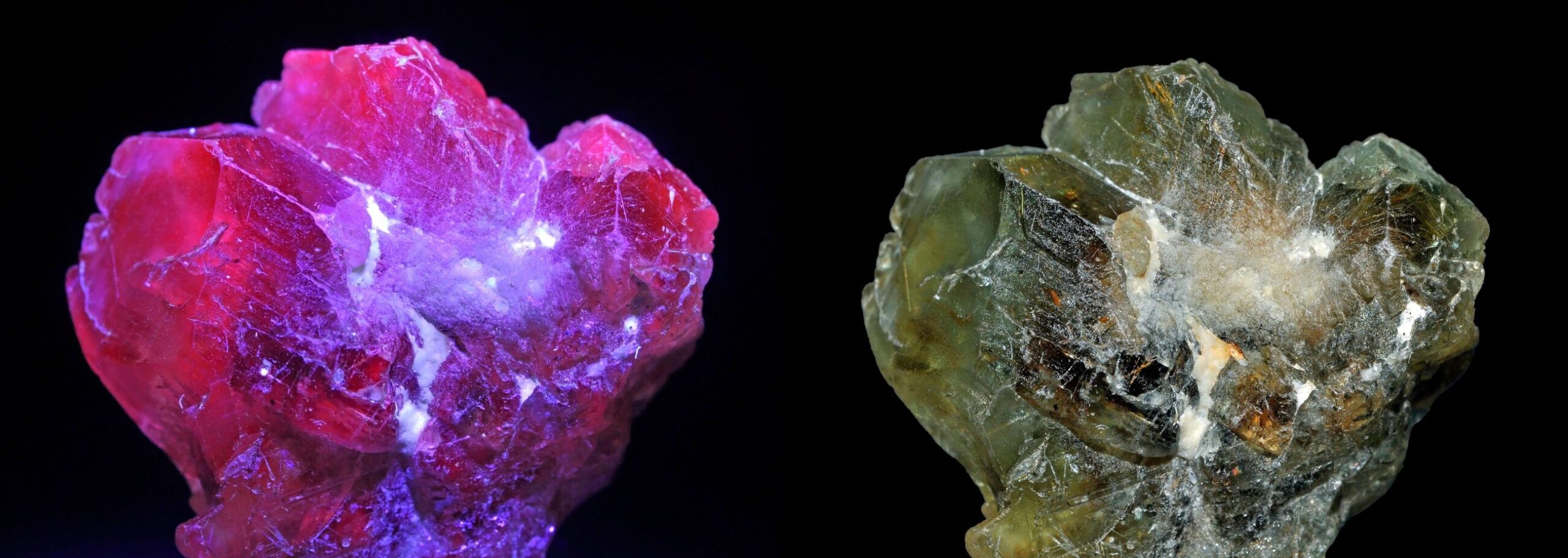
Alexandrite showcases a remarkable ability to change colors, shifting from green or bluish-green in daylight to purplish-red or raspberry under incandescent lighting. This stunning phenomenon arises due to the complex way this gemstone absorbs light. As a variety of chrysoberyl, alexandrite owes its color-changing magic to trace elements like chromium within its crystal structure, which are responsible for absorbing specific wavelengths of light.
The rarity of this color shift significantly enhances the value of alexandrite on the market. Collectors and enthusiasts prize specimens with a distinct, vivid transformation between colors. The more dramatic and complete the shift, the higher the gemstone’s desirability and monetary worth. Given its scarcity and the unique optical properties, alexandrite often commands prices upwards of €10,379 per carat.
The gemstone’s rarity and the specific geological conditions required for its formation contribute to its high status among collectible gemstones. Mined in just a few locations worldwide, each source yields alexandrite with distinctive qualities, influencing its overall appeal and market value. As a result, alexandrite remains a coveted possession in the realms of high-end jewelry and gem collections.
Daylight Vs. Artificial Light
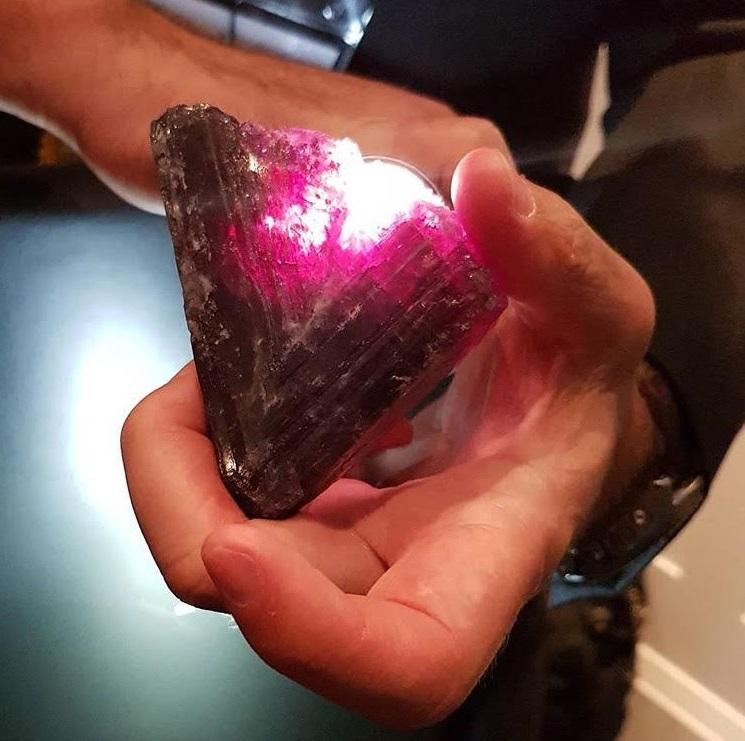
Observe how alexandrite exhibits a striking change in color, appearing green in daylight and shifting to a vivid red under artificial lighting. This remarkable phenomenon is influenced by the gemstone’s unique composition, which includes trace amounts of chromium.
The presence of chromium is crucial as it absorbs specific wavelengths of light, causing the dramatic color shifts you see.
This color change isn’t just a curiosity—it significantly impacts the value and rarity of alexandrite. Here are a few reasons why:
- Intensity of Color Change: The more pronounced the shift from green to red, the more valuable the gemstone. This intensity factor is a key determinant of alexandrite’s market value.
- Lighting Conditions: Alexandrite’s color transformation can be best observed under specific lighting:
- Daylight brings out vibrant green hues due to the natural spectrum favoring the green absorption.
- Incandescent or candlelight, rich in red wavelengths, highlights the deep red tones.
- Rarity: Natural alexandrite exhibiting a full color change is exceedingly rare, enhancing its allure and desirability among collectors.
- Chromium Content: The exact amount and distribution of chromium within the crystal structure dictate the quality and type of color change.
Understanding these aspects can help you appreciate why alexandrite isn’t only a beautiful gem but also a valuable investment.
4. The Rarity of Red Beryl

As you explore the rarity of red beryl, it’s crucial to understand the unique geological conditions required for its formation. Found primarily in the Wah Wah Mountains of Utah, this gemstone’s creation involves a specific composition of beryllium and manganese, making its occurrence exceedingly rare.
These factors not only limit mining locations but also significantly influence its market value, often fetching higher prices than diamonds per carat.
Red Beryl Formation

Red Beryl, an exceptionally rare gemstone, forms only under specific geological conditions in pegmatite intrusions enriched with trace amounts of manganese. This scarcity, combined with the unique factors required for its formation, contributes significantly to its high value.
When you delve deeper into the formation of Red Beryl, the technical details reveal why this gemstone is so rare:
- Geological conditions: The formation of Red Beryl requires a unique geochemical environment where beryllium and manganese are available in the right proportions. This is rarely met in nature, making these gems extraordinary.
- Crystal structure: The crystal lattice of Red Beryl incorporates manganese, which not only gives it its vibrant red color but also affects the stability and growth of the crystals.
- Restricted location: Although there are several types of pegmatite intrusions, the precise conditions for Red Beryl formation have primarily been documented in Utah, limiting its occurrence.
- Market rarity: Due to its rarity and the specific conditions required for its formation, Red Beryl’s presence on the gemstone market is minimal, which escalates its value significantly.
Understanding these points helps you appreciate why Red Beryl stands out not just for its beauty but also for its rarity and the complex interplay of geological conditions that lead to its formation.
Mining Locations

Exploring the specific locations where Red Beryl is mined, we find that Utah remains the sole region globally known for its extraction. This rare aluminum borate mineral, also known as bixbite or red emerald, owes its striking crimson hue to trace amounts of manganese. The unique geological conditions in Utah have fostered the formation of high-quality red beryl, making it a coveted item in the gemstone market.
The mining locations in Utah are concentrated in a few areas, primarily the Wah Wah Mountains. Here, the exclusive supply of red beryl is extracted under stringent conditions due to its limited availability. This scarcity is a significant factor contributing to the exclusivity in market for red beryl. The rarity and specific geological requirements for its formation mean that these mining locations are critical to sustaining the market’s demand.
Given these factors, the mining operations in Utah aren’t only about extracting a gemstone but also about managing a delicate balance between demand and the extremely finite supply. This balance directly influences red beryl prices, which can soar up to $10,000 per carat for top-quality specimens, reflecting its rare status and the meticulous efforts required in its extraction.
Value Determinants

The exceptional rarity of Red Beryl significantly drives its market value, making it one of the most expensive gemstones per carat. This gemstone, found primarily in Utah, embodies a unique combination of scarcity and high demand that spikes its worth.
You’ll find Red Beryl’s value isn’t just in its rarity but also in the allure of its vivid red hue, caused by trace manganese.
Key factors contributing to the value of Red Beryl include:
- Geographic rarity: The gemstone is predominantly mined in Utah, limiting its availability and contributing to its exclusivity.
- Color intensity: The richer the red, the higher the value, as the deep red color is most desired for its aesthetic appeal.
- Market demand: Despite its limited production, there’s a robust market for Red Beryl, often driven by collectors and enthusiasts of rare gemstones.
- Comparison to other gemstones: Often exceeding the per carat price of diamonds, Red Beryl’s value reflects its unique status among gemstones.
Understanding these factors, you’ll appreciate why Red Beryl isn’t just another gemstone but a rare treasure that commands a premium price in the gem market. Its exclusivity and desirability make it a prized addition to any collection.
5. Benitoite: California’s Gem

Benitoite, only found in California, is prized for its rare brilliant blue color and serves as the state’s official gem. This gemstone, discovered primarily in San Benito County, isn’t only rare but also remarkably valuable due to its unique aesthetic qualities. Its distinctive sapphire-blue hue, sometimes with a violet undertone, sets it apart from other gemstones, captivating collectors and gem enthusiasts worldwide.
You’ll find that benitoite’s market value is significantly influenced by its rarity and the quality of individual specimens. It’s typically found in small, isolated crystals, and larger, flawless examples can fetch a high market price. The gem’s luminous blue color is most vibrant under ultraviolet light, where it exhibits an intense, almost otherworldly glow. This characteristic, along with its dichroic nature—showing different colors when viewed from different angles—adds to its allure and desirability.
As a collector, you should be aware that the scarcity of benitoite makes it a notable addition to any collection. Its limited availability, primarily restricted to one geographic location, ensures that it remains a coveted item among serious collectors and can be a sound investment, given its enduring appeal and finite supply.
6. Discovering Tanzanite

Discovered in 1967 near Mount Kilimanjaro, Tanzanite captivates collectors with its unique, vivid blue-violet hues. This rare gemstone, found only in Tanzania, has become a centerpiece in luxury jewelry design due to its exceptional color and limited availability. As you explore the world of precious stones, Tanzanite stands out not just for its beauty but also as a valuable investment, given its expected depletion in the near future.
Consider the following characteristics that enhance Tanzanite’s allure and market value:
- Exclusive Origin: The only known deposits of Tanzanite are located in Northern Tanzania, adding to its rarity and exclusivity.
- Color Range: Its striking blue-violet spectrum can vary in intensity, with the deepest hues being the most prized and valuable.
- Scarcity: With predictions of the mines’ exhaustion within 20 years, Tanzanite’s scarcity is set to increase, potentially boosting its investment value significantly.
- Jewelry Appeal: Its unique color and brilliance make it a sought-after gem for high-end jewelry, influencing both fashion trends and collector interest.
As a gem enthusiast, you’re positioned to appreciate Tanzanite’s singular qualities. Its scarcity, combined with intense demand, underscores its status as a rare and valuable gemstone, making it a potentially wise addition to any investment portfolio.
7. Grandidierite’s Unique Appeal

While Tanzanite captures the market with its vivid hues, Grandidierite offers a unique appeal with its rare bluish-green coloration, primarily sourced from Madagascar. You’ll find that this gemstone, with its scarcity and mesmerizing hue, not only captivates but also holds an immense value, making it highly sought after by collectors.
The allure of grandidierite lies not just in its unique color but also in its rarity. Extracted from the remote areas of Madagascar, its limited availability amplifies its worth. The market price, hovering around €11,571 per carat, reflects its exclusivity and the high demand among gem enthusiasts and collectors.
Here’s a breakdown to give you a clearer picture:
| Attribute | Detail |
|---|---|
| Color | Bluish-green |
| Source | Madagascar |
| Scarcity | Very rare |
| Average Price/Carat | €11,571 |
| Appeal | High value; sought by collectors |
Understanding these elements, you can appreciate why grandidierite is not just an expensive gem but a treasure in the realm of rare minerals, embodying both beauty and an investment potential.
8. Taaffeite: Often Misidentified

When you’re examining gemstones, distinguishing Taaffeite from commonly mistaken spinel is crucial due to its unique double refraction, unlike the singly refractive spinel.
This misidentification often affects Taaffeite’s valuation, which can soar to approximately 30,249 euros per carat due to its rarity and the striking hues ranging from bluish-green to purple.
Understanding the causes of common misidentifications can enhance your ability to accurately identify and appreciate the true value of Taaffeite in the gem market.
Identifying Taaffeite Accurately
To accurately identify taaffeite, note its distinct double refraction, a feature that sets it apart from similarly appearing spinel. This optical property is crucial because while spinels are singly refractive, taaffeite splits light into two paths, making its identification a bit more complex but definitive.
Here are some additional tips to help you differentiate taaffeite from other gemstones:
- Check the gemstone’s birefringence: Use a polariscope to observe if the light splits into two distinct rays. If it does, you’re likely dealing with taaffeite.
- Analyze the gemstone’s color: Taaffeite comes in a range of colors from mauve to violet and red. However, its most common hue is a light violet, which isn’t typical in spinels.
- Conduct a specific gravity test: Taaffeite typically has a specific gravity between 3.60 and 3.70, which is slightly higher than that of spinel.
- Use spectroscopy for further analysis: Spectroscopic tests can help confirm the presence of elements like beryllium, which is characteristic of taaffeite but not spinel.
Understanding these specifics is imperative due to the rarity and high average price of taaffeite. Accurate identification prevents misidentification, preserving the value of this scarce gem.
Rarity and Value
Taaffeite’s frequent misidentification as spinel significantly impacts its rarity and market value. As you delve deeper into the world of gemstones, understanding the nuances that distinguish valuable gems like taaffeite from more common ones is crucial. This gemstone’s rarity is enhanced by its unique optical characteristics, which are not readily apparent to the untrained eye.
The scarcity of high-grade taaffeite makes it extremely expensive, driving its value in the market. It’s important for collectors and investors to recognize the distinctive double refraction feature, setting it apart from spinel. Below is a table illustrating some key comparisons and features that highlight taaffeite’s market value and rarity:
| Feature | Description |
|---|---|
| Optical Characteristics | Double refraction distinct from spinel |
| Rarity | Among the rarest gemstones in the world |
| Average Price | Approx. 30,249 euros per carat for high-grade material |
| Color Variations | Similar to spinel, often leading to misidentification |
| Market Appeal | Highly coveted due to uniqueness and scarcity |

Common Misidentification Causes
Gemologists often mistake taaffeite for spinel due to their similar chemical compositions and visual traits. This common misidentification stems from their close resemblance in color and transparency. Yet, understanding the subtle differences is crucial for accurate valuation in the gem market. Taaffeite, unlike most spinels, exhibits double refraction, a key property that gemological testing can reveal.
When you’re dealing with taaffeite and spinels, it’s vital to recognize the pivotal role of detailed gemological analysis to prevent costly errors. Here’s what you should focus on:
- Chemical Composition: While both stones share similarities, precise elemental analysis helps in their distinction.
- Double Refraction: Taaffeite shows this property, unlike spinel. Observing this through a gemological microscope is a definitive method for identification.
- Market Valuation: Misidentified gems could lead to significant financial discrepancies. Accurate identification ensures that taaffeite’s rarity is reflected in its price.
- Gemological Testing: Advanced testing techniques are essential for confirming the identity of taaffeite, thus protecting its value and authenticity.
9. Jadeite’s Cultural Significance

Jadeite, a gemstone deeply embedded in Chinese culture, symbolizes purity, health, and longevity. This mineral, primarily sourced from Myanmar, is integral to various cultural expressions and rituals within Chinese heritage. You’ll find that its cultural significance is profound, as it is employed in ceremonies and considered a powerful protective amulet.
The vivid green of jadeite isn’t just visually striking; it embodies vitality, harmony, and prosperity, resonating deeply with Chinese values of balance and well-being. Its hues range from delicate pale greens to deep, intense shades, each associated with specific qualities of spiritual and moral significance. Jadeite’s durability and rarity also contribute to its status as a symbol of status and power.
Jadeite’s role extends beyond mere ornamentation; it is a cornerstone of spiritual practice and a marker of societal status. Carved pieces are often kept as heirloom items, passing from one generation to the next, embodying wisdom, courage, and compassion. These items are not only valuable due to their material properties but also their historical and emotional significance.
| Property | Significance in Chinese Culture |
|---|---|
| Color | Represents vitality and harmony |
| Usage | Used in rituals and as amulets |
| Symbolism | Emblems of purity and longevity |
| Emotional Value | Associated with wisdom and courage |
| Heirloom Status | Passed down through generations |
10. Serendibite’s Exclusivity

Serendibite’s scarcity, combined with its complex chemical composition, positions it as one of the most exclusive gemstones on the market. You’ll find that its rarity significantly boosts its value, making it a coveted item among collectors and connoisseurs alike.
Originating from Sri Lanka and more recently found in Myanmar, Serendibite isn’t only rare but also renowned for its intriguing origins. The price of Serendibite can reach around 15,571 euros per carat, reflecting its exceptional rarity and desirability. This gemstone’s unique allure is due to both its scarcity and the specific conditions under which it forms.
Here’s what sets Serendibite apart:
- Chemical Composition: It has a complex formula that includes calcium, magnesium, aluminum, silicon, boron, and oxygen.
- Geographic Rarity: Primarily found in just two locations worldwide: Sri Lanka and Myanmar.
- Market Value: Commands a high price per carat, making it one of the most expensive gemstones available.
- Collector Interest: Highly prized by collectors for its rarity and unique aesthetic qualities.
As you consider adding to your collection, remember that Serendibite isn’t just a purchase; it’s an investment in one of the earth’s rarest treasures.