

As I wandered through my backyard, I couldn’t help but imagine the sweet rewards that could come from planting a few fast-growing fruit trees. The idea of plucking juicy peaches or crisp apples right from my own yard seemed enticing. But which trees would be the best fit for my space and time? Join me as we explore the possibilities of adding these 10 fast-growing fruit trees to our outdoor haven.
1. Plum Trees

Plum trees are renowned for their rapid growth and relatively quick fruit production, making them a popular choice among gardeners seeking a bountiful harvest in a short span of time.
Varieties like the AU Rubrum Plum and Black Ice Plum can yield fruit within 2 to 5 years post-planting. Thriving in USDA Zones 4 to 10, these trees require 6 to 8 hours of direct sunlight daily for optimal growth.
Similar to the careful soil pH testing needed for raspberries, plum trees also benefit from soil that’s well-drained yet retains adequate moisture to support their development.
The Santa Rosa Plum, known for its fast growth, is favored by many gardeners. While plums are self-pollinating, cross-pollination with other varieties can enhance yields.
The AU Rubrum Plum, priced at $49.99 for members, stands out for its vibrant foliage and delicious fruit, making it a valuable addition to any garden.
2. Pear Trees

When considering fast-growing fruit trees for your garden, pear trees stand out as a popular choice due to their relatively quick fruit-bearing capabilities. Asian Pear varieties, known for their sweet and crisp fruit, are particularly sought after.
Pear trees can start producing fruit in as little as 3 years, with some varieties like the Hood Pear growing at a rate of 1 to 3 feet per year. To ensure a bountiful harvest, it’s important to plant pear trees in USDA Zones 4 to 9, providing them with full sun and fertile soil.
Cross-pollination, especially in the case of Asian pears, is key for optimal fruit production. In addition to regular care, utilizing organic fertilization techniques similar to those used for lettuce can enhance tree health and fruit quality.
Popular varieties like Bartlett, Ayers, and Kieffer offer an array of flavors and culinary uses.
3. Peach Trees
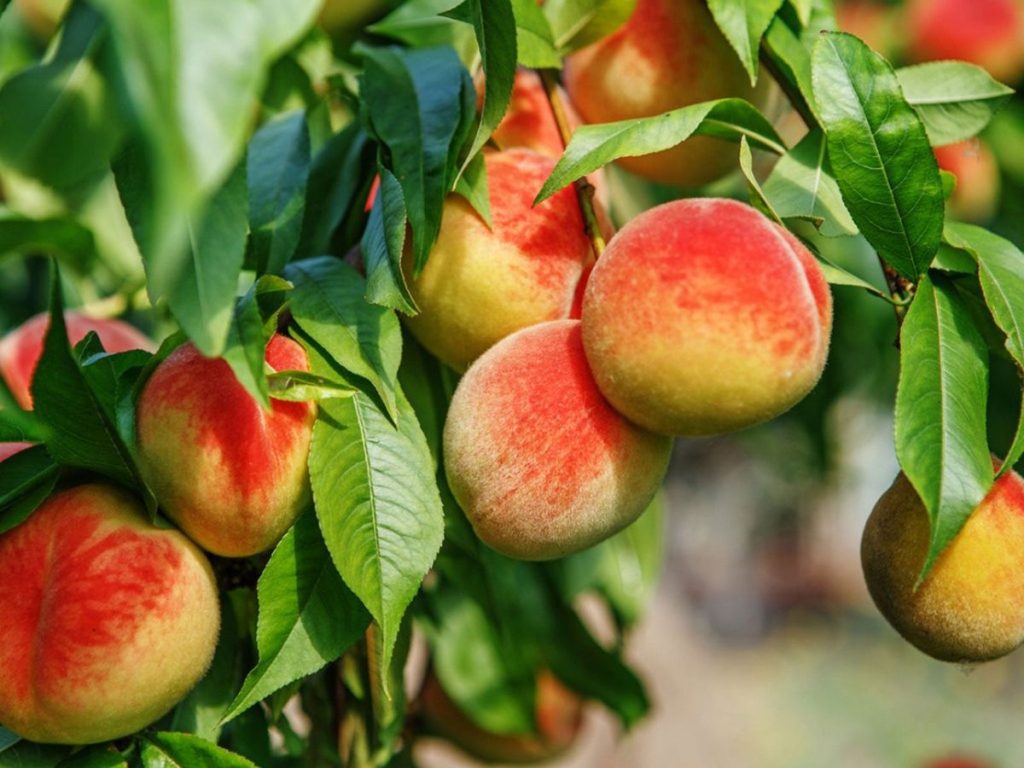
Peach trees, renowned for their rapid fruit production, are a favored choice for gardeners seeking a bountiful harvest in a relatively short time frame.
These fruit trees aren’t only fast-growing but also rewarding, providing sweet and juicy peaches within a few years of planting.
Thriving in warm and humid conditions, peach trees require full sunlight and well-draining soil to produce their best fruits.
Additionally, they can be grown in containers, offering flexibility for those with limited space.
Here are some key points to consider when cultivating peach trees:
- Varieties: Opt for fast-growing types like the Scarlet Prince Peach for quicker fruit production.
- Sunlight Requirements: Peach trees thrive in full sun, needing 6 to 8 hours of direct sunlight daily for optimal growth.
- Size: These trees can range from 5 to 30 feet when mature, suitable for various yard sizes with proper care.
- Care: Regular watering and fertilization, especially in the initial years, are crucial to ensure healthy growth and high-quality fruit.
4. Fig Trees

Moving on from the discussion about Peach trees, let’s now shift our focus to Fig trees, another fast-growing fruit tree option for gardeners.
Fig trees, including varieties like Celeste and Black Mission, are known to bear fruit within 1 to 3 years of planting, making them one of the best fruit trees for quick results.
Thriving in USDA zones 7 to 12, these trees require 6 to 8 hours of direct sunlight daily to optimize growth and fruit production.
Ranging from 10 to 30 feet in size when mature, fig trees not only provide shade but also enhance the beauty of a garden.
While self-pollinating, these trees benefit from fig wasps for effective pollination, leading to improved fruit set and quality.
To ensure healthy growth and abundant yields, regular watering and annual pruning are essential practices for fig tree care.
5. Persimmon Trees
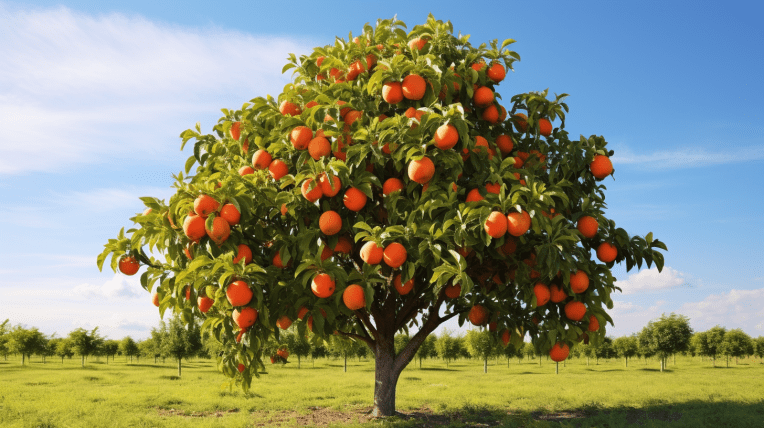
Persimmon trees, known for their delicious fruit and relatively quick growth, are a popular choice for gardeners looking to add a productive and aesthetically pleasing tree to their landscape.
When considering planting persimmon trees, keep these key points in mind:
- Fruit Production: Persimmon trees can bear fruit within 1 to 4 years, depending on the variety and growing conditions.
- Varieties: Popular choices like Ichi Ki Kei Jiro and American Persimmon thrive in USDA zones 4 to 10.
- Optimal Growth Conditions: These trees reach heights of 20 to 30 feet and require full sun for the best fruit production.
- Pollination: Persimmon trees are self-pollinating, eliminating the need for another tree for fruit production.
With their nutrient-packed, sweet fruit, persimmon trees are a rewarding addition to any garden.
6. Apple Trees

When considering adding fruit trees to your garden for relatively quick harvests, Apple trees stand out as a popular choice.
Apple trees, including varieties like the Honeycrisp and Gala, are among the best fast-growing options due to their delicious flavor and crisp texture. These trees typically bear fruit within 3 to 5 years after planting, making them a rewarding addition to your backyard.
Thriving in USDA Hardiness Zones 3 to 9, apple trees are adaptable to a wide range of climates across the United States. To ensure optimal growth and fruit production, it’s crucial to provide your apple trees with regular sunlight of at least 6 to 8 hours per day.
Additionally, some apple varieties, like the Smith Apple, benefit from cross-pollination, so consider planting multiple types in close proximity for enhanced fruit set.
7. Berry Plants
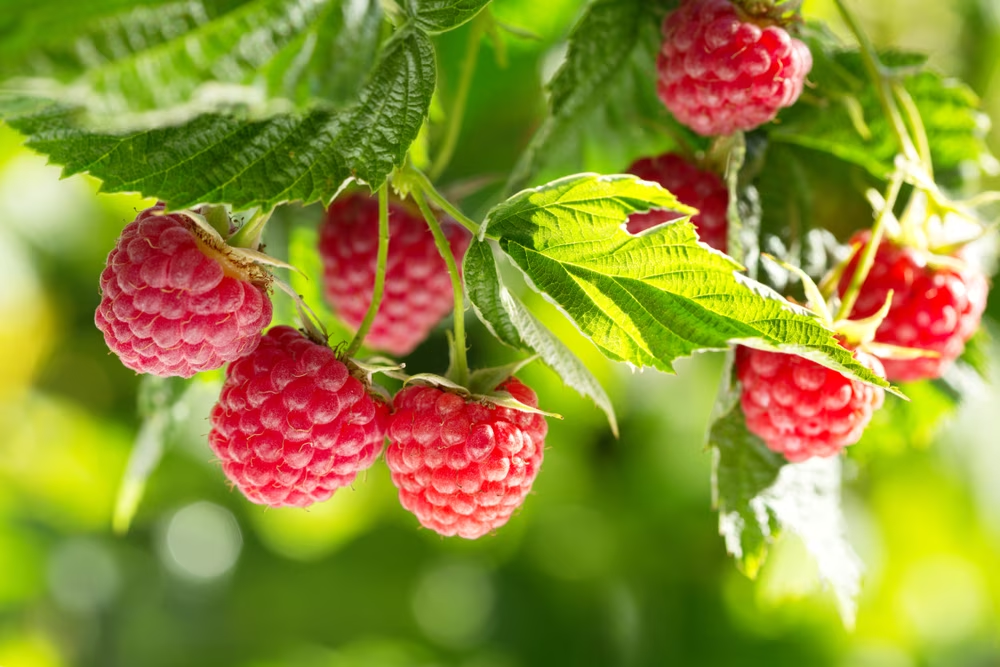
Berry plants, such as goji berries and blackberry bushes, are excellent choices for gardeners seeking a swift harvest. These plants typically bear fruit within 1 to 2 years after planting, offering a relatively quick turnaround for those eager to enjoy their homegrown produce.
Here are some key points to consider:
- USDA Zones: Berry plants thrive in USDA zones 5 to 9, requiring full sun for optimal growth and fruit production.
- Size: Many varieties, like blackberries, can grow to a mature size of 3 to 8 feet, suitable for garden beds or containers.
- Antioxidants: Goji berries, a superfood, are rich in antioxidants and nutrients, appealing to health-conscious gardeners.
- Maintenance: Regular pruning and care are essential for ensuring the health and productivity of berry plants, guaranteeing a bountiful harvest each season.
8. Passion Fruit
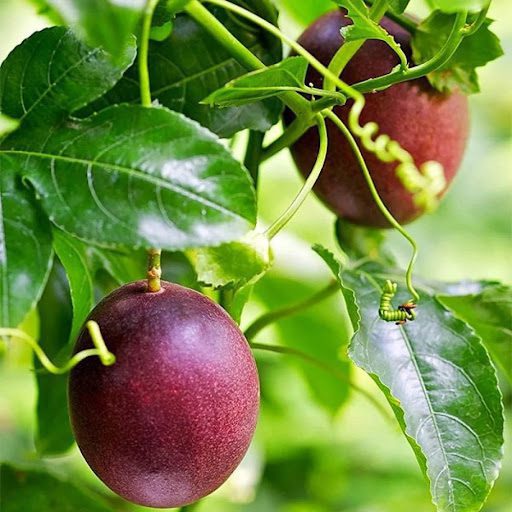
Passion fruit, a tropical vine native to USDA Zones 9 to 11, thrives in full sun conditions for optimal growth and fruit production.
These vigorous climbers can reach heights of 6 to 15 feet, requiring a trellis or support for proper growth. Typically bearing fruit within 1 to 3 years after planting, passion fruit rewards gardeners relatively quickly.
The fruit, known for its sweet-tart flavor, is rich in vitamins A and C, making it a nutritious addition to any garden.
To ensure healthy growth and fruit development, regular watering, especially during dry periods, is essential for passion fruit vines.
Consider adding this flavorful and nutrient-packed fruit tree to your backyard for a delightful addition.
9. Dragon Fruit
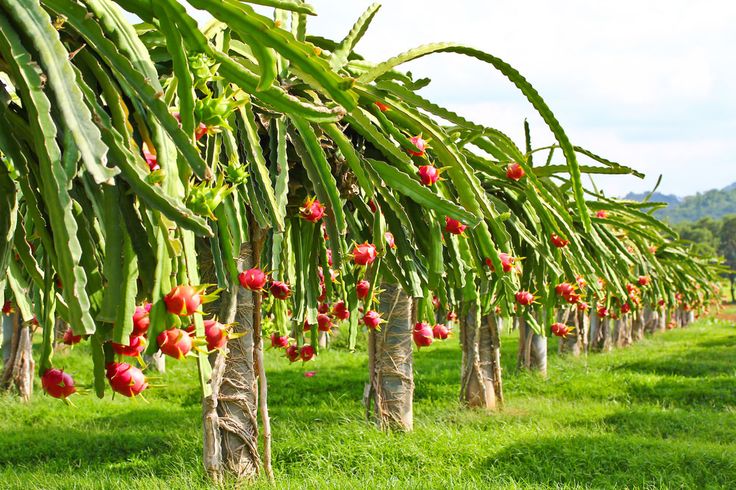
Coming from the vibrant world of tropical fruit trees, let’s now explore the fascinating realm of Dragon Fruit, also known as pitaya.
Dragon fruit thrives in USDA Zones 10 to 11, needing full sun and well-drained soil for optimal growth. Here are some key facts about this intriguing fruit tree:
- Rapid Growth: Dragon fruit trees sold can grow at a remarkable rate of 1 to 2 feet per year.
- Fruiting Time: Typically, these tropical cactus plants bear fruit within 1 to 2 years of being planted.
- Height Variation: The mature size of dragon fruit vines varies based on support structures, commonly reaching heights of 6 to 15 feet.
- Pollination Needs: While self-pollinating, cross-pollination with other varieties can enhance fruit yield and size.
10. Star Fruit
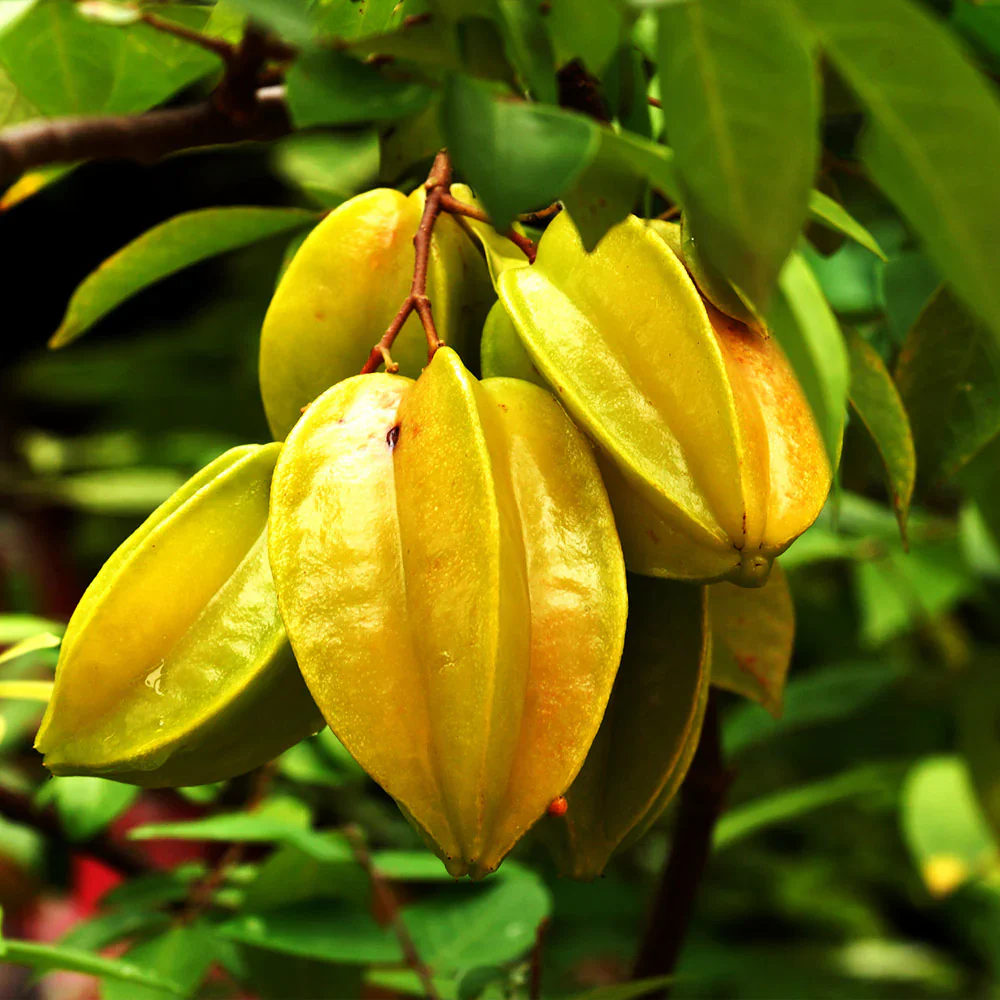
Within the realm of fast-growing tropical fruit trees, the Star Fruit, or carambola, emerges as a compelling choice for gardeners in USDA zones 10 to 11.
These trees can reach a mature size of 6 to 15 feet, making them suitable for gardens or containers. Star fruit thrives with 6 to 8 hours of daily sunlight and well-drained soil.
Typically bearing fruit within 3 to 4 years, they offer a quick yield for home gardeners. The visually striking star-shaped fruit has a sweet and tangy flavor, popular in various culinary uses.
To ensure health and better fruit production, regular pruning is essential. With its unique appearance and delicious fruit, the star fruit tree is a standout option among tropical fruit trees on the market.