

If you’re planning a vibrant winter garden in Texas, I recommend starting with ten stellar plants that can withstand the chill. Pansies and Violas are perfect, enduring cooler temperatures while delivering a spectrum of colors. Dianthus offers pink blooms that persist through fluctuating temperatures, and Sweet Alyssum carpets your garden with fragrant flowers. Don’t overlook the sculptural beauty of Dusty Miller with its silver foliage and yellow flowers. Snapdragons, robust Chrysanthemums, Ornamental Cabbage, and Kale, shade-loving Cyclamen, and colorful Primroses round out this list, ensuring continuous bloom and foliage. Each plant not only survives but enhances your winter landscape, giving more details might offer deeper insights into optimizing your garden’s winter appeal.
1. Pansies: Winter Color Splashes

Pansies, with their vivid array of colors ranging from deep blues to sunny yellows, make a striking addition to any Texas winter garden. Thriving in cooler temperatures, these plants can endure light frosts, showcasing their blooms even when other flowers are dormant.
For optimal growth, pansies require at least six hours of sunlight daily. It’s best to plant them in raised beds with enriched soil, enhancing their vibrant colors.
Initially, water them daily for the first five days, then adjust to a twice-a-week schedule to maintain the necessary moisture levels.
Be vigilant for pests like slugs and snails, which are attracted to pansies’ vibrant blooms, and take preventive measures to protect these winter garden treasures.
2. Violas: Hardy and Vibrant
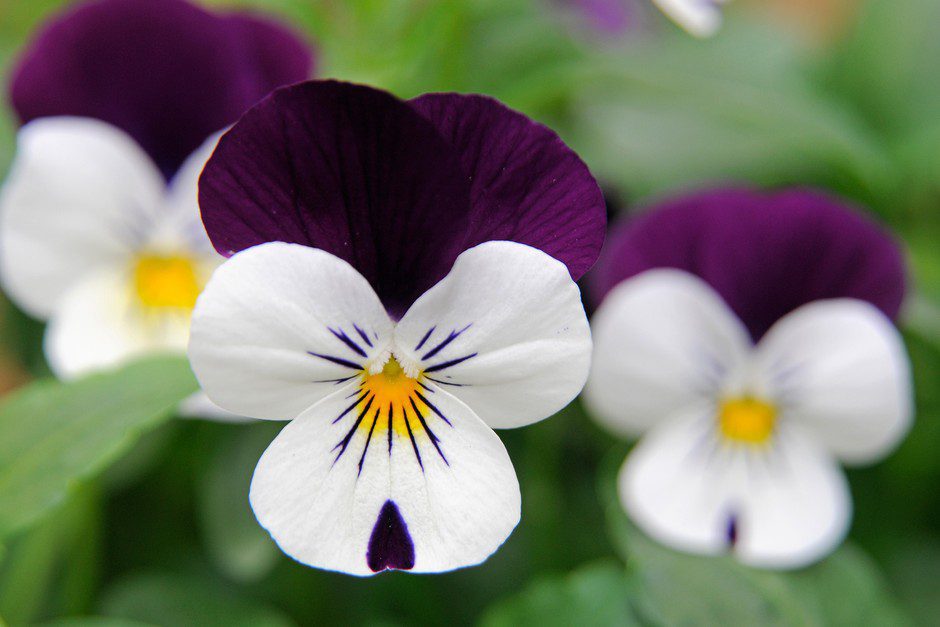
Although they may not be as well-known as pansies, violas are equally robust and vibrant, making them an excellent choice for Texas gardens during the winter months.
These hardy winter flowers thrive in cool weather, showcasing a spectrum of vibrant colors from blue to purple. As low-maintenance plants, violas demand little beyond regular watering and well-draining soil.
Remarkably adaptable, they withstand colder temperatures and readily bounce back after frost, ensuring a consistent display of color when other plants might falter.
Additionally, their ability to attract pollinators enhances the local ecosystem, making them not just a visual delight but also an ecological boon.
3. Dianthus: Pink Winter Blooms

Adding a splash of color to the subdued hues of winter, Dianthus stands out with its vibrant shades of white, pink, and lavender.
As a hardy perennial, it thrives in Texas’s fluctuating winter temperatures, making it a reliable choice for your garden. Dianthus grows to a modest height of 10-18 inches and fits perfectly into borders or as part of mass plantings, where its evergreen foliage maintains visual interest year-round.
Notably, its flowers bloom at night, peaking in beauty by early morning. This characteristic not only adds a unique twist to its display but also attracts pollinators during the cooler months, ensuring your garden remains lively and supportive of local wildlife throughout the winter.
4. Sweet Alyssum: Fragrant Groundcover
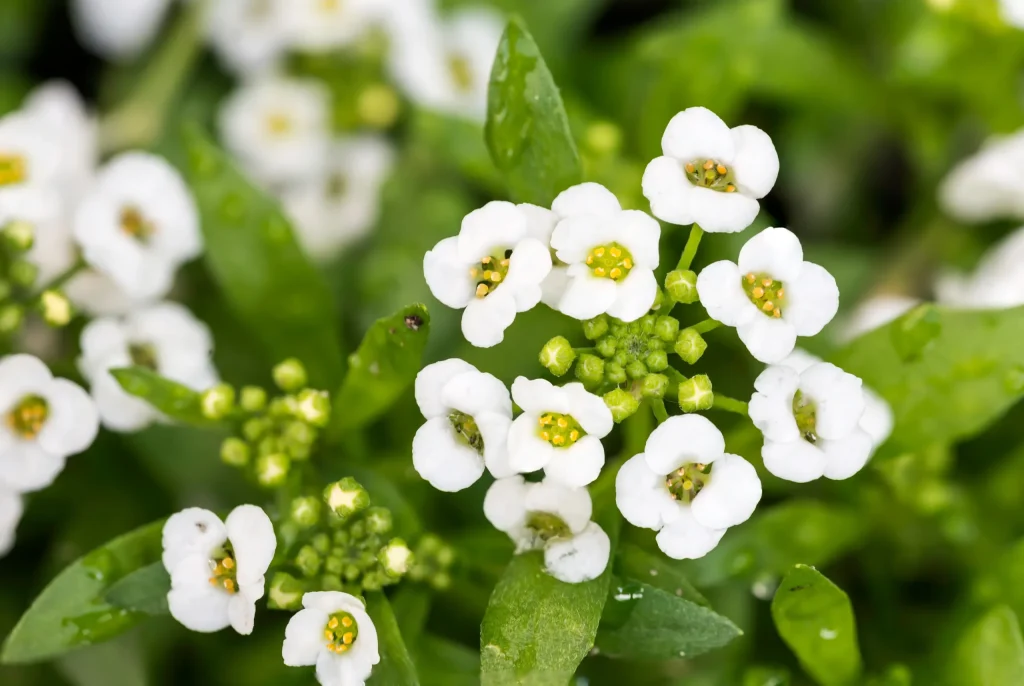
Sweet Alyssum carpets winter gardens in Texas with its delicate clusters of fragrant blooms. Thriving in cooler temperatures, this plant is a superb groundcover option, spreading its tapestry of white, pink, and purple across both small and expansive spaces.
Its fragrance not only enhances the garden’s appeal but also attracts vital pollinators during the colder months. As a low-maintenance choice, Sweet Alyssum needs regular watering initially but becomes drought-tolerant once established, offering a practical solution for busy gardeners.
You can grow it as an annual or, in milder areas, as a perennial, allowing flexibility in your gardening approach. Typically, it blooms from late fall through early spring, continuously adding color and charm to Texas winter gardens.
5. Dusty Miller: Silver Foliage

Dusty Miller, with its striking silver foliage, transforms winter gardens by introducing a unique texture that captivates the eye.
Thriving in sunny spots and tolerating partial shade, dusty miller is a standout among Texas winter flowers. It demands well-draining soil and regular watering to keep its vibrant appearance.
Throughout the winter months, this low-maintenance plant sprouts yellow daisy-like flowers, offering a charming contrast to its silvery leaves.
Ideal for use as a border or accent in flower beds, dusty miller enhances the aesthetic of any garden space. Its resilience and minimal care requirements make it a perfect choice for both novice and experienced gardeners looking to add some sparkle to their winter landscapes.
6. Snapdragons: Frost-Resistant Showstoppers

Snapdragons stand as frost-resistant showstoppers in the cool season gardens of Texas, boasting a palette of vibrant colors and a range of sizes from petite 6-inch varieties to towering 3-foot specimens.
Thriving in cooler temperatures, these flowers are perfect for winter gardens. They require full sun exposure and well-draining soil to maintain their vibrant blooms. I recommend enriching the soil to support their growth and ensure they flourish throughout the colder months.
Additionally, snapdragons aren’t just visually appealing; they’re also excellent as cut flowers, bringing a splash of color indoors. Plus, their deer-resistant quality makes them a practical choice for Texas gardens, minimizing damage from wildlife and enhancing garden resilience.
7. Chrysanthemums: Late Season Flowers
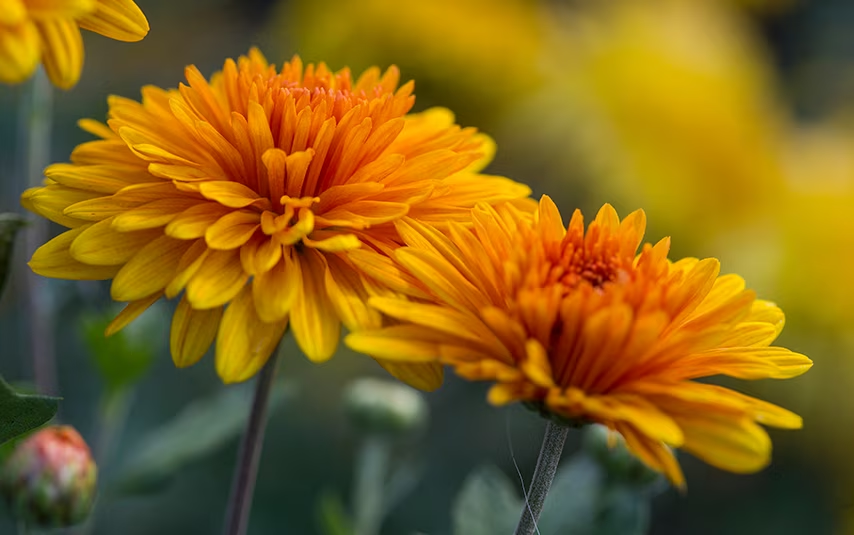
Chrysanthemums, often referred to as mums, are a robust choice for late-season flowering in Texas, where they add a burst of color to the winter garden landscape.
These hardy flowers thrive in cool weather, making them perfect for the fluctuating Texas winter climate. They prefer full sun exposure and well-draining soil, essential for their vitality during drier periods.
To maximize their impact, plant mums in early fall. This timing allows their root system to establish before the onset of cooler temperatures, typically between 50-60°F.
Available in a plethora of vibrant options, chrysanthemums can transform your garden with their late season blooms, offering a dramatic finale to the growing year.
8. Ornamental Cabbage and Kale
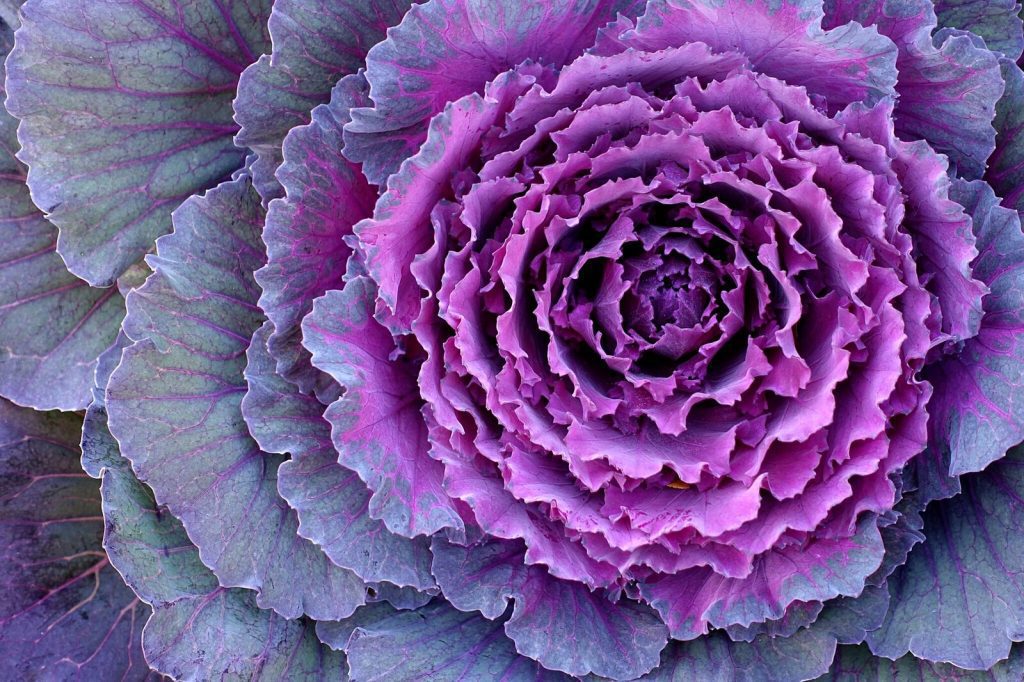
Amid the chill of a Texas winter, ornamental cabbage and kale stand out with their vivid, ruffled leaves that add a splash of color to the garden.
As hardy plants, they thrive in cooler temperatures, perfectly suited to North Texas gardens, and can endure frost with minimal impact.
These plants demand minimal maintenance. Occasional light pruning and applications of liquid fertilizer are sufficient to maintain their health and enhance their vibrant hues.
Whether used to create striking flowering borders or as unique garden accents, ornamental cabbage and kale elevate the visual interest of any landscape.
It’s crucial, however, to keep an eye out for pests, especially when growing these beauties indoors near bright windows.
9. Cyclamen: Shade-Loving Blooms

While ornamental cabbage and kale brighten up the winter garden with their robust colors and textures, Cyclamen offer a different allure in shaded spots where sunlight is scarce.
These shade-loving beauties are ideal for winter gardens, thriving under the canopy of bare trees or tucked away in the darker corners of your yard. The heart-shaped leaves and vibrant blooms in hues of red, white, pink, and maroon make cyclamen visually striking.
Plant them in November for healthy growth and to enjoy their full splendor during the colder months. They’re low-maintenance, needing protection only from extreme cold.
Their unique leaf structure, resembling spinach, adds an extra layer of interest, ensuring your garden remains lively and colorful throughout the winter.
10. Primroses: Bright Winter Shades

Primroses brighten up Texas winter gardens with their lively array of colors ranging from pink to blue, yellow, and pristine white. These vibrant blooms thrive in cooler temperatures and begin their display in late fall, continuing through early spring.
For optimal growth, plant primroses in well-draining soil enriched with organic matter. They prefer partially shaded spots, which shield them from the harsh afternoon sun, ensuring their delicate petals aren’t scorched.
As low-maintenance plants, primroses require little care once established, needing just regular watering to avoid waterlogging. They’re excellent as ground cover or in borders and containers, enhancing winter landscapes with minimal effort.
Their enduring blooms provide a splash of color when most plants are dormant.