

If you’re looking to spruce up your balcony with some resilient greenery this winter, I’ve got you covered with some top plant picks. Consider Ilex x meserveae, a striking holly with glossy blue-green leaves and bright red berries, thriving in well-drained soil and partial sunlight. Or opt for Calluna vulgaris, winter heather that brings colors from pale pink to purple, requiring ample sunlight and well-drained conditions. Don’t overlook Skimmia japonica for shadier spots, with its glossy leaves and fragrant white-pink blooms. Each plant offers unique textures and hues, ensuring your balcony remains a vibrant retreat through the colder months. Exploring further will reveal even more plants perfectly suited to your outdoor space.
1. Hollies: Festive Winter Charm
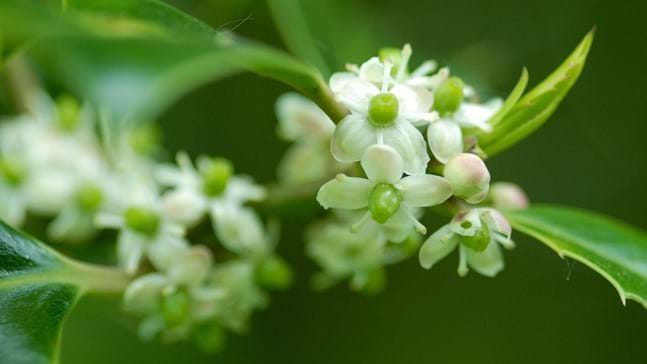
Hollies, specifically Ilex x meserveae or Blue Holly, bring a festive charm to winter balconies with their glossy, blue-green leaves and bright red berries.
These evergreen shrubs are perfect for adding a splash of enduring color during the chilly months. Thriving in cold conditions, hollies are ideal for container planting on your balcony. You can shape them to maintain a neat appearance, which is especially handy in tight spaces.
The red berries, which often last into late winter, not only brighten your outdoor area but also attract birds, providing them with crucial nourishment.
To care for these plants, ensure they’re in well-drained soil and receive at least partial sunlight. Regular watering and occasional pruning will keep your hollies vibrant and healthy.
2. Winter Heathers: Colorful Cold Resilience

Winter Heathers, scientifically known as Calluna vulgaris, emerge as resilient champions in the cold season, festooning balconies with their delicate pale pink, white, and purple blooms.
These evergreen plants add a splash of color even in the dreariest months. Particularly, the Heather Darley Dale variety is renowned for its vibrant late winter blossoms. Hardy and capable of withstanding chilly, windy conditions, they’re perfect for outdoor winter gardening.
Winter Heathers aren’t just colorful; they’re also low maintenance and easy to cultivate in containers or troughs, making them ideal for both seasoned gardeners and beginners.
For optimal growth, ensure they’re planted in well-drained soil and receive ample sunlight. They’ll reliably return each year, continually enhancing your balcony’s winter aesthetic.
3. Skimmia Japonica: Glossy and Hardy

While Winter Heathers brighten up cold months with their blooms, another equally stunning plant for your balcony is Skimmia japonica, commonly known as Japanese Skimmia.
This evergreen shrub isn’t only winter-friendly but also a visual treat with its glossy, dark green leaves. Thriving in shaded areas, it’s perfect for those less sunny spots on your balcony.
The ‘Rubella’ variety of Skimmia japonica brings an additional charm with its red flower buds that last through winter, blossoming into fragrant white-pink flowers come spring.
It’s low maintenance too; just ensure well-drained soil and occasional watering. Plus, its dense foliage supports local wildlife, making it a fantastic choice for both aesthetics and biodiversity.
4. Hellebores: Flowers in Frost

As the brisk chill of winter takes hold, Hellebores (Helleborus spp.) emerge as a resilient splash of color on your frosty balcony.
These evergreen perennials are celebrated for their winter blooms that appear from mid to late winter, often around Lent. With flowers in hues of pink, white, and purple, Hellebores not only brighten up a barren balcony but also attract early pollinators seeking nourishment in the cold.
Thriving in shaded areas, they withstand freezing temperatures remarkably well. For optimal growth, plant them in containers with well-draining soil and provide occasional watering.
Their low-maintenance nature and tolerance for poor soil make them an effortless choice for any winter garden enthusiast.
5. Heuchera: Foliage All Winter

Shifting our focus to Heuchera, commonly referred to as coral bells, this plant offers a striking array of ruffled foliage in shades like bronze, peach, and pink, which remain vibrant throughout the colder months.
Known scientifically as Heuchera spp., this evergreen perennial is hardy in USDA zones 3-9, making it ideal for a variety of climates. Heuchera thrives in partial shade to full sun, allowing flexibility in placement on your balcony.
It’s particularly low-maintenance during winter, requiring minimal watering. Its enduring green foliage provides a lush, colorful display that lasts all year, truly enhancing your outdoor space.
Additionally, its summer blooms attract pollinators, adding an extra layer of interest to your garden.
6. Winter Pansies: Hardy Blooms

After exploring the enduring appeal of Heuchera, it’s time to consider another robust option for your winter balcony: Winter Pansies, scientifically known as Viola x wittrockiana.
These hardy blooms are bred for frost resistance, allowing them to flourish in cold temperatures and brighten your outdoor space with their vibrant colors. Each petal features charming “faces,” adding a unique visual interest to your winter garden.
Winter pansies are versatile, fitting perfectly in containers, window boxes, or as bedding plants. To ensure they thrive, provide adequate drainage and avoid overcrowding.
Though they may droop in extreme cold, they usually recover with rising temperatures, continuing to decorate your balcony with delightful blooms throughout the season.
7. Japanese Yew: Evergreen Strength

Turning our attention to the Japanese Yew (Taxus cuspidata), this evergreen shrub is a steadfast addition to any winter balcony.
As one of the best plants for cold weather, its evergreen nature ensures your outdoor space remains vibrant throughout the chilly months. Hardy to Zone 4, the Japanese Yew thrives in full to partial sun and copes well with drought conditions, making it a resilient choice for varied balconies.
For optimal growth, consider using larger containers which not only complement its aesthetic but also provide crucial root insulation against freezing temperatures.
This adaptability to container planting enhances your balcony’s winter appeal, making Taxus cuspidata an indispensable ally in your garden during the colder months.
8. Golden Duke Eastern Hemlock: Vibrant Yellow
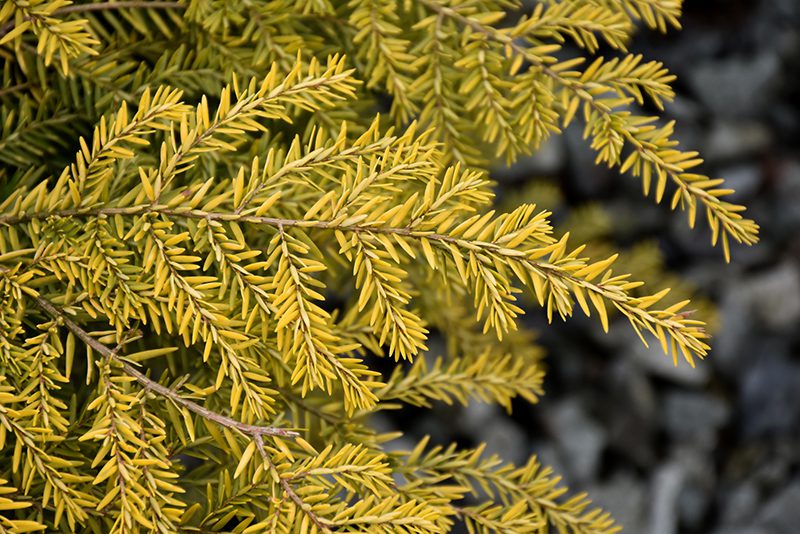
Introducing the Golden Duke Eastern Hemlock (Tsuga canadensis Monjers), a standout choice for your winter balcony with its striking yellow foliage that shines even on the grayest winter days.
This vibrant yellow, cold-hardy plant thrives in Zone 4 climates, where it withstands severe cold, ensuring durability through frosty seasons. Unlike its relatives, the Golden Duke welcomes more sunlight, making it perfect for those brighter spots on your balcony.
As an evergreen, it retains its luminous color all year, adding persistent charm to your outdoor space.
For an enhanced visual impact, consider pairing it with other cold-hardy plants; their contrasting hues will highlight the Golden Duke’s radiant yellow, creating a lively, inviting winter garden right on your balcony.
9. Compact Oregon Grape: Hardy Purple

The Compact Oregon Grape’s (Mahonia aquifolium Compacta) purple-red foliage transforms winter balconies into vibrant displays of color.
This potted plant thrives even in the chill, as it’s hardy to Zone 5, enduring below-zero temperatures with ease. Growing to a modest 2 to 3 feet, it fits perfectly into smaller spaces, making it ideal for balcony gardeners looking to maintain winter color without sacrificing much space.
Its evergreen nature ensures your outdoor area remains lively and green throughout the colder months.
Come spring, it bursts into life with yellow flowers that attract pollinators, enhancing your balcony’s appeal.
Truly, the Compact Oregon Grape is a robust, year-round performer for any potted plant collection.
10. Care Tips for Winter Plants
While the Compact Oregon Grape offers stunning winter color, caring for it and other winter plants requires specific attention to detail to ensure they thrive in cold conditions.
You’ll want to water winter plants less frequently, as their hydration needs decrease with cooler temperatures. Ensure the soil is lightly moist but never soggy to avoid root rot.
Opting for larger containers for winter planting not only provides better insulation for roots but also enhances stability against harsh winds.
Don’t forget to add a layer of mulch on top of the soil in your pots to help maintain moisture levels and protect the roots from freezing.
Regularly check for snow buildup on branches to prevent damage, and rotate your plants periodically to maximize light exposure and keep your balcony looking vibrant.