

I’ve successfully used yellow sticky traps to manage gnats around my plants, and I can tell you, placement is key. These traps work best when positioned near the base of your plants, where gnats are most active. It’s crucial to use multiple traps if you’re dealing with significant infestations or large pots. Make sure they stand vertical and remain unobstructed to ensure gnats can easily access the sticky surface. Regularly replacing the traps every two to four weeks, or when they’re noticeably full, is essential for maintaining their effectiveness. Trust me, sticking to these strategies not only helps keep your plants healthy but continually refines your approach to pest management.
Understanding Fungus Gnats
Fungus gnats, small and dark flies that resemble fruit flies, often appear in environments with moist soil, such as in houseplants. These pests thrive where there’s excessive moisture, which is why they’re frequently found around your new plants.
The larvae of these gnats feed on organic material and plant roots, leading to significant damage and stunted growth. To effectively kill these pests, a sound pest control strategy is crucial. This involves letting the soil dry out between waterings, which curtails the larvae’s development.
Adult gnats can be particularly annoying as they fly around, but controlling moisture levels addresses both adult and larvae populations. Additionally, regular inspections of root zones can help detect the early signs of gnat infestation, preventing further root damage and promoting healthier plant growth.
Understanding these dynamics is key to protecting your plants from these invasive insects.
Identifying Gnat Infestations
Upon noticing an unusual number of small, dark flies around your houseplants, it’s crucial to consider the possibility of a fungus gnat infestation.
Fungus Gnat larvae thrive in moist soil, feeding on organic matter and potentially harming your plants’ roots. To identify gnat infestations, watch for adult gnats flying around and inspect the soil for white, worm-like larvae. Yellowing or wilting leaves can also indicate root damage from these pests.
Implementing the potato slice method is a practical approach: place slices in the soil to attract larvae, confirming their presence. Regular monitoring helps catch these infestations early, allowing you to take steps to prevent further damage effectively.
For a natural approach to controlling gnats, consider incorporating carnivorous plants like the Sundew or Butterwort, which can reduce the number of flying pests effectively.
Benefits of Yellow Sticky Traps
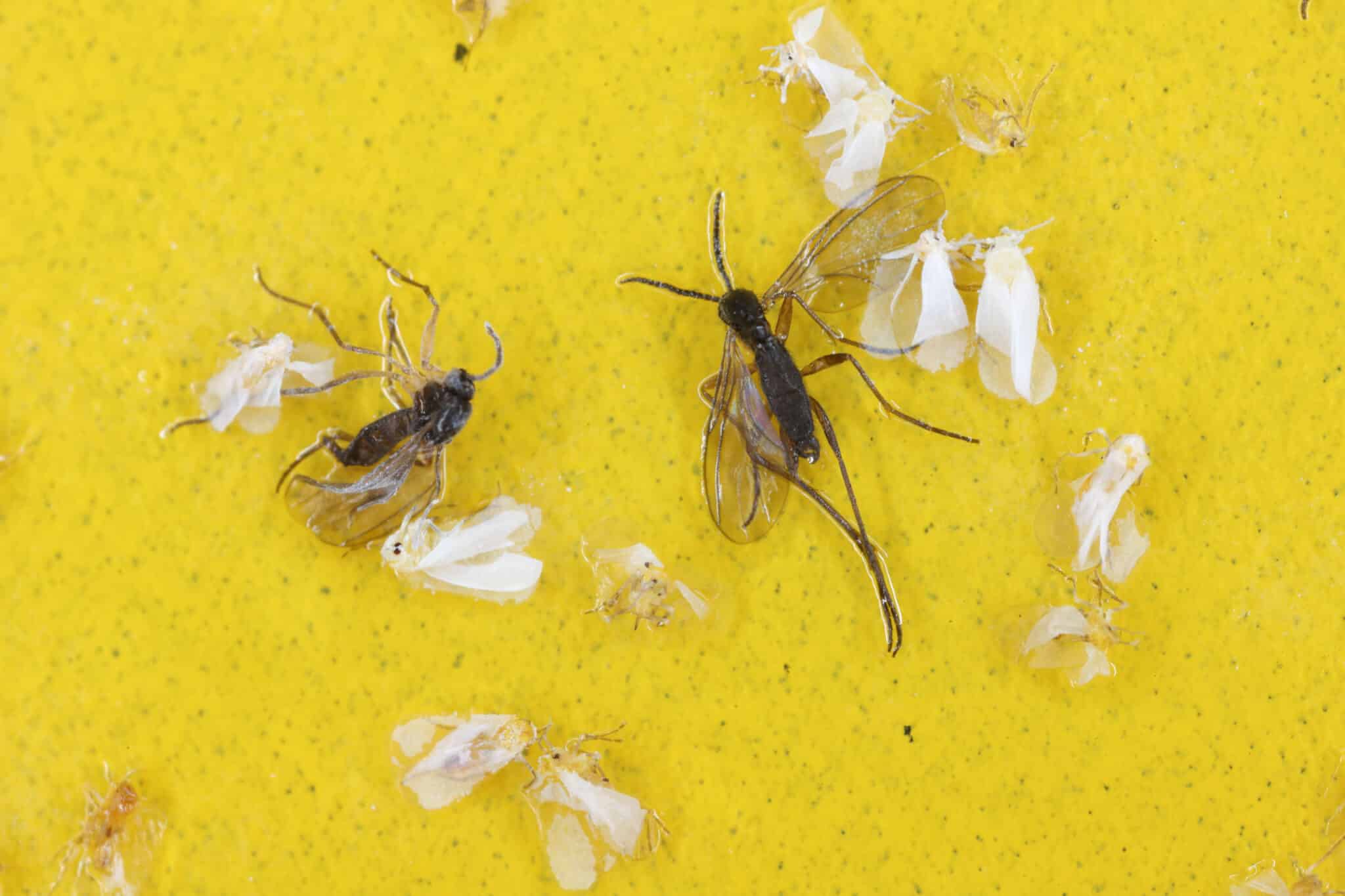
Many gardeners and houseplant enthusiasts find that yellow sticky traps offer a highly effective means of controlling fungus gnat populations.
These traps are specifically designed to attract and capture fruit flies and gnats, reducing the adult population and preventing them from laying eggs in the soil of indoor plants. This break in the breeding cycle is crucial for preventing significant damage to plant health.
Furthermore, by targeting these pests, gardeners can reduce the inadvertent harm to beneficial pollinators, which are essential for biodiversity and the health of ecosystems.
The bright yellow color enhances the trap’s attractiveness, ensuring better control using a non-toxic, pesticide-free adhesive. This makes them safe for use in homes with children and pets.
Consistent application of these traps, as evidenced by numerous user reviews, results in markedly decreased gnat infestations, underlining their effectiveness in pest management.
Effective Placement Strategies
After exploring the numerous benefits of yellow sticky traps, let’s focus on how to effectively position them for maximum impact against gnats.
Position these traps close to the base of your plants where adult gnats are drawn to the carbon dioxide. Areas with high moisture levels are ideal since they’re gnat hotspots.
For larger pots or significant infestations, don’t hesitate to use multiple traps to expand the sticky surface available for catching these pests.
It’s crucial to ensure the traps are placed vertically and remain unobstructed by foliage to maximize their exposure to flying gnats.
Remember to regularly check and replace traps as their effectiveness can diminish when the adhesive surface collects dust and debris.
Maintenance and Monitoring
Regularly checking your yellow sticky traps is essential to effectively monitor and control gnat populations in your environment. Observing the traps frequently allows you to assess the severity of the infestation and judge the success of your control measures.
Replace the traps every 2-4 weeks, or when they’re full, to keep your monitoring accurate and the trapping efficient. Ensure the traps aren’t placed in direct sunlight or strong air currents, which can diminish their effectiveness.
Maintaining a consistent watering schedule—letting the top inch of soil dry before watering—supports plant health and aids in controlling gnats.
For best results, integrate yellow sticky traps into a comprehensive pest management strategy that includes other methods like mosquito bits or beneficial nematodes. This multi-faceted approach ensures effective long-term control.
Preventing Future Infestations
While effective management strategies like yellow sticky traps help control existing gnat populations, taking proactive steps to prevent future infestations is equally important.
Isolating new plants for a few weeks lets you spot any gnat problems without risking your other plants. I also recommend sterilizing potting soil using hydrogen peroxide; this method is fantastic for killing the larvae before they become a nuisance.
Ensuring your pots have proper drainage is crucial. Use well-draining soil and containers with drainage holes to prevent water from pooling. This setup discourages gnats, which thrive in moist environments.
Lastly, keep an eye on your plants for any signs of decay and remove any decaying plant material promptly. These home remedies are simple yet effective in preventing future infestations.