

If you’ve spotted bright yellow or yellowish-brown powdery patches on your plant soil, that’s likely yellow fungus, a common result of excess soil moisture. This fungus thrives in damp, poorly drained conditions and is generally harmless to plants, although it may imply overwatering. To manage it, focus on improving drainage, allowing soil to dry between waterings, and replacing affected soil. By addressing these factors, you can prevent further issues with yellow fungus. Understanding its characteristics and impact on plant health will help you maintain a healthy growing environment for your plants.
Understanding Yellow Fungus in Soil
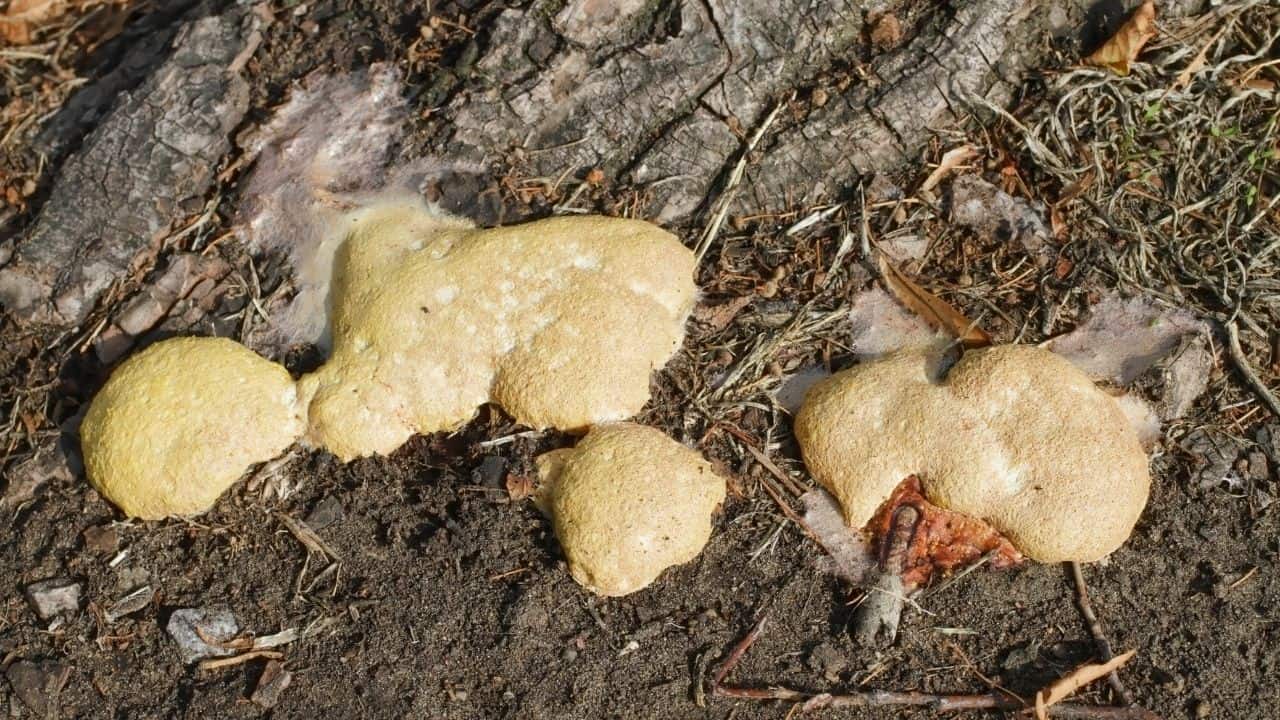
When examining the presence of yellow fungus in plant soil, it is crucial to understand the characteristics and conditions that facilitate its growth. Yellow fungus, known scientifically as peat mold, thrives in environments rich in organic material. Soil containing high levels of organic matter provides an ideal breeding ground for this mold. Organic material, such as decomposing plant matter, acts as a food source for the fungus, promoting its development.
The presence of yellow fungus in soil indicates a potentially excessive accumulation of organic material, which could stem from inadequate decomposition processes. This abundance of organic matter, coupled with damp conditions caused by overwatering or poor drainage, creates a favorable habitat for yellow fungus to flourish. As the fungus feeds on the organic material present in the soil, it forms a yellowish-orange to brownish crust on the surface, signaling its colonization of the area.
Understanding the relationship between yellow fungus and organic material in soil is crucial for implementing effective prevention strategies to mitigate its growth and preserve the health of your plants.
Characteristics of Yellow Fungus
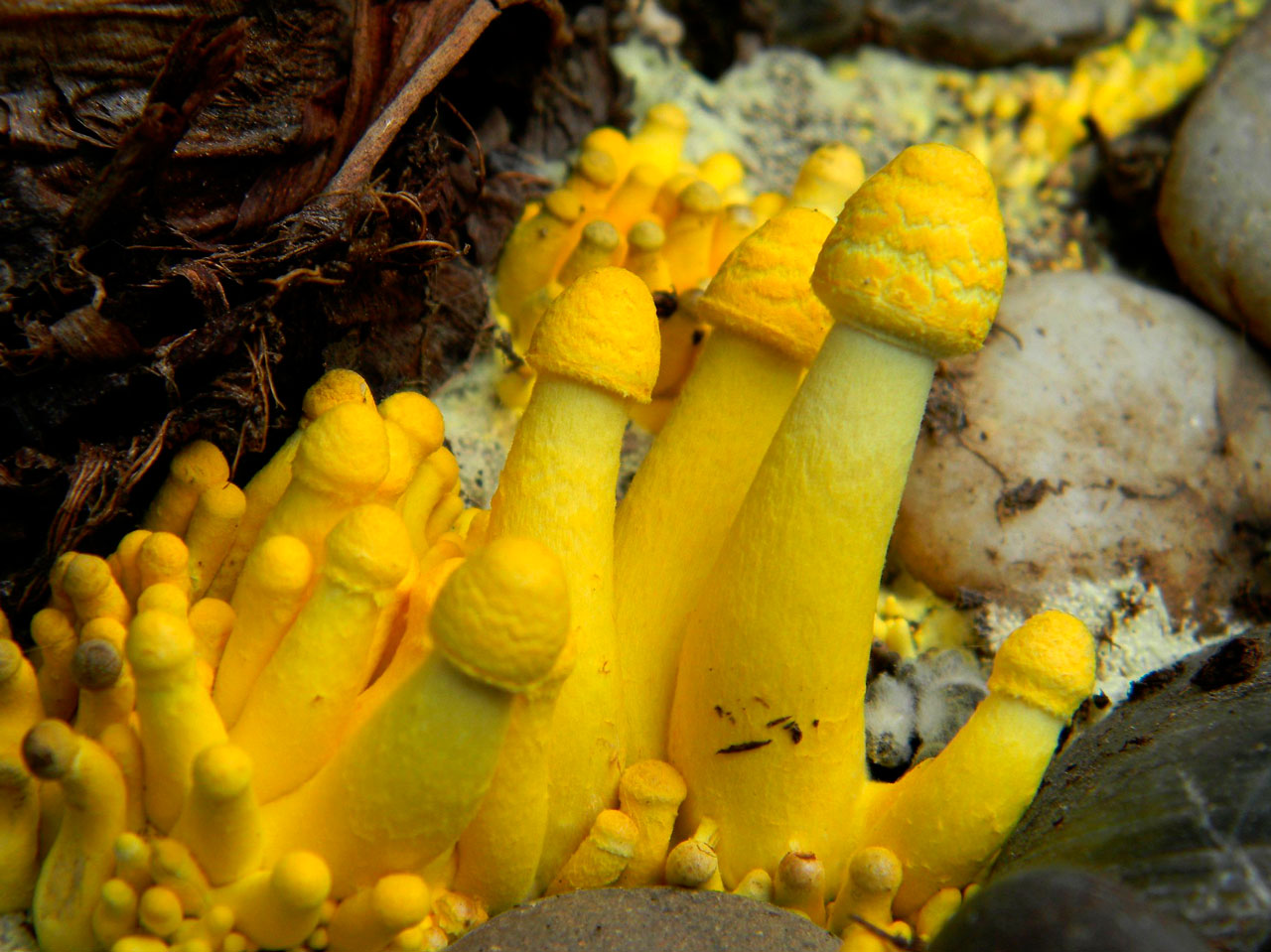
Yellow fungus, scientifically known as Leucocoprinus birnbaumii, manifests as a bright yellow to yellowish-brown powdery crust on the surface of plant soil. This fungus, often referred to as the yellow houseplant mushroom, is primarily a cosmetic concern rather than a threat to plant health. Below is a table summarizing the key characteristics of yellow fungus on plant soil:
| Characteristic | Description |
|---|---|
| Color | Bright yellow to yellowish-brown powdery appearance on soil surface |
| Appearance | Crusty texture that can spread across the top layer of potting mix |
| Harmfulness | Generally non-harmful to plants, but can indicate excessive moisture levels |
| Preferred Conditions | Thrives in damp, dark environments with poor drainage or overwatering |
| Prevention | Improve drainage, allow soil to dry between waterings, replace affected soil |
Understanding these characteristics can help you identify and manage yellow fungus growth on your plant soil effectively.
Impact on Plant Health
The presence of yellow fungus or mold on plant soil typically poses minimal risk to overall plant health. This fungus is generally superficial, affecting the soil surface without directly harming the plant’s roots or foliage. However, if the yellow mold spreads extensively, it may compete with the plant for essential nutrients, potentially impacting its growth. Excess moisture, often caused by overwatering or inadequate drainage, creates a favorable environment for the growth of yellow fungus. While the fungus itself may not be harmful, the conditions that promote its growth can have adverse effects on plant health. To mitigate these risks, it is crucial to address the underlying issue of excess moisture by adjusting watering practices and improving soil drainage. Additionally, removing affected soil and applying fungicide can help prevent the recurrence of yellow fungus on potted plants, ensuring optimal plant health and growth.

Common Causes of Yellow Fungus
Excess moisture, particularly from overwatering or inadequate drainage, serves as a primary catalyst for the development of yellow fungus in plant soil. Yellow fungus thrives in damp environments, where it finds the perfect conditions to grow and spread. Overwatering plants leads to waterlogged soil, creating a habitat ideal for fungal spores to germinate and colonize. Poor drainage exacerbates the issue by retaining excess water around the roots, further promoting fungal growth. The bright yellow hue of the fungus can be mistaken for harmless substances like pollen or fertilizer, leading to its proliferation before being properly identified. While yellow fungus typically doesn’t harm plants directly, it can compete with them for essential nutrients, affecting their overall health. Understanding the role of overwatering in fostering yellow fungus growth is crucial in implementing effective prevention strategies to maintain the soil’s health and support plant growth.
Prevention Measures
To prevent the growth of yellow fungus in plant soil, ensuring proper soil drainage is essential. Yellow fungus thrives in environments with excess moisture, so using a well-draining soil mix is crucial to avoid waterlogged conditions that promote mold development. Allowing the soil to dry out between waterings can help discourage the growth of yellow fungus by creating an inhospitable environment for its proliferation. Additionally, improving air circulation around plants is recommended to reduce humidity levels, which are favorable for mold formation. If yellow fungus is detected, it should be promptly removed, and the affected soil should be replaced to prevent further spread of the fungus. By implementing these prevention measures, you can significantly reduce the risk of yellow fungus infesting your plant soil and ensure the health of your plants.

Managing Moisture Levels
Maintaining appropriate moisture levels is crucial for effectively managing yellow fungus in plant soil. Overwatering can lead to excessive moisture in the soil, creating a favorable environment for yellow fungus growth. To prevent this, it is essential to allow the soil to dry out between waterings. Monitoring the soil moisture levels by occasionally lifting the pot can help prevent the soil from becoming excessively damp. Adjusting your watering practices to ensure that the soil remains moist but not waterlogged is key in controlling yellow fungus development. By avoiding overwatering and allowing the soil to dry out slightly between waterings, you can help create an environment that is less hospitable to yellow fungus. Proper management of moisture in the soil is a critical aspect of preventing and controlling yellow fungus in plant soil.
Improving Drainage System
To optimize the drainage system in your plant pots, it is essential to ensure proper drainage holes are present to prevent water accumulation in the soil. Adequate drainage is crucial as it helps maintain the right moisture levels for plant roots while preventing waterlogging, which can lead to conditions favorable for fungal growth like yellow fungus. Using a well-draining potting mix that consists of materials such as perlite or coarse sand can improve aeration and drainage capabilities, reducing the risk of water buildup. Elevating your pots on pot feet is another effective method to allow excess water to drain freely from the bottom, further aiding in maintaining a healthy root environment. Additionally, it is advisable to avoid using saucers under pots as they can trap excess water, contributing to water accumulation and creating a conducive environment for fungal pathogens. By incorporating these drainage improvements, you can help prevent issues related to water accumulation and promote healthier plant growth.
Using Fungicides Effectively
Using fungicides may not be an effective solution for combating yellow fungus in plant soil. Yellow fungus primarily grows on the surface rather than within the plant roots. Fungicides, although effective against certain types of fungi, may not target the specific fungus causing yellow discoloration. To combat yellow fungus effectively, focus on addressing the root cause of excess moisture in the soil. Instead of relying solely on fungicides, consider removing the affected soil and improving drainage to prevent further growth. It is crucial to understand that common fungicides may not be specifically designed to tackle the unique characteristics of yellow fungus. Root rot, a common issue associated with yellow fungus, is better managed by adjusting watering habits and enhancing soil conditions. By implementing proper prevention measures and improving cultural practices, you can effectively manage yellow fungus growth without solely depending on fungicides.
Addressing Extensive Spread
Addressing the extensive spread of yellow fungus in plant soil requires proactive measures to rectify poor growing conditions and prevent competition with plants for nutrients. Yellow mold thrives in environments rich in organic matter, which often indicates soil that is too moist, compacted, or lacking proper drainage. To combat this issue, it is essential to remove affected soil carefully, ensuring the complete elimination of the fungus. Improving drainage through proper watering practices and soil aeration can help create an environment less conducive to yellow fungus growth. Additionally, incorporating fungicides may be necessary to prevent further spread and protect plant health. Monitoring the overall health of plants, adjusting watering schedules, and providing adequate nutrients can help prevent reoccurrence of yellow fungus. By addressing the root causes of poor growing conditions and implementing preventative measures, you can effectively manage the extensive spread of yellow fungus in plant soil.
Yellow Fungus Vs. Root Growth

The presence of yellow fungus in plant soil poses minimal interference with root growth due to its superficial nature and lack of nutrient absorption capabilities. While roots play a crucial role in the uptake of water and essential nutrients for plant growth, yellow fungus primarily remains on the surface, not competing for these resources. Here are some key points to consider regarding yellow fungus versus root growth:
- Location: Yellow fungus is typically found on the surface of the soil, while roots extend into the soil to access water and nutrients.
- Function: Roots actively absorb water and nutrients from the soil, supporting plant growth and development. In contrast, yellow fungus does not participate in this process.
- Identification: Yellow fungus can be distinguished from root growth by its bright yellow color and powdery texture, making it easy to differentiate between the two.
- Impact: While root growth is essential for plant health, yellow fungus is more of a cosmetic concern and does not significantly impact the plant’s overall well-being.
Monitoring Plant Nutrient Uptake
To effectively monitor plant nutrient uptake, it is essential to employ a combination of observational techniques and soil testing methods. Observing leaf color, size, and texture can provide early indications of nutrient deficiencies. Conducting soil tests to analyze nutrient levels is crucial in determining appropriate fertilization strategies. Monitoring plant growth patterns and overall vigor over time can offer insights into the efficiency of nutrient uptake processes. Specific symptoms such as yellowing leaves or stunted growth may signal imbalances in essential nutrients. Factors like pH levels, soil composition, and environmental conditions play significant roles in influencing nutrient availability to plants. Understanding how these elements interact can help in tailoring nutrient management practices to optimize plant health and growth. By integrating observational assessments with precise soil testing, you can effectively track and manage nutrient uptake in your plants, ensuring they receive the necessary nutrients for healthy development.
Conclusion and Key Takeaways
Considering the potential implications of yellow fungus in plant soil, it is imperative to take prompt and targeted actions to mitigate its impact on plant health. Yellow fungus thrives in environments with excess moisture, making it crucial to manage soil conditions effectively. Here are key takeaways to address yellow fungus in plant soil:
- Improve Drainage: Enhance soil drainage to prevent water accumulation, reducing the moisture levels that promote yellow fungus growth.
- Monitor Moisture Levels: Regularly check soil moisture to ensure it stays within the optimal range for plant health, avoiding conditions favorable for fungal development.
- Replace Affected Soil: Remove and replace soil showing signs of yellow fungus to eliminate the source of the infection and prevent its spread.
- Consider Fungicide: In severe cases or for preventive measures, consult with experts on the judicious use of fungicides to control yellow fungus and protect plant roots.