

If your snake plant leaves are narrow, it may be due to insufficient light exposure or overwatering. Ensure your plant gets adequate sunlight without being directly exposed to harsh rays. Rotate it regularly for balanced light distribution. Trim and prune for fuller foliage, keeping an eye on growth patterns. Watch out for pests and overcrowding. Maintain optimal humidity levels and temperature. Seek professional help if needed for personalized advice. Treating root causes leads to improved growth and resilience. Remember, addressing these factors will help ensure your snake plant’s long-term health and appearance.
Insufficient Light Exposure

To rectify snake plant leaves narrowing due to insufficient light exposure, adjust their positioning to ensure they receive adequate direct sunlight for optimal growth. Snake plants thrive in well-lit environments, and lack of sunlight can cause their leaves to become narrow. Placing your snake plant in a south-facing room where it can receive ample light throughout the day is essential for promoting healthier leaf development. By adjusting the plant’s location to maximize sunlight exposure, you can prevent issues related to narrow leaves.
In addition to proper positioning, rotating the plant periodically can help ensure that all sides receive an equal amount of sunlight. Monitoring how the plant responds to light levels is crucial in maintaining its health and preventing leaf narrowing. By following these simple steps and ensuring your snake plant’s Privacy Policy includes enough direct sunlight, you can encourage broader leaf growth and maintain the plant’s natural characteristics.
Overexposure to Direct Sunlight
If your snake plant leaves appear narrow, overexposure to direct sunlight could be the culprit. Intense sunlight can affect leaf growth, resulting in thinner leaves. To ensure optimal growth, consider adjusting the positioning of your snake plant to prevent overexposure to direct sunlight.

Sunlight Intensity Impact
Excessive exposure to direct sunlight can result in snake plant leaves becoming narrow and skinny due to the stress induced by intense light. Snake plants require a delicate balance of light intensity for optimal growth. When subjected to too much direct sunlight, the leaves can become thin as a response to the overwhelming light, affecting the plant’s overall health and leaf development. Managing sun exposure is crucial to prevent sunburn and maintain healthy foliage. South-facing rooms, known for their intense sunlight, can be particularly challenging for snake plants. To avoid narrow leaves caused by excessive sunlight, consider adjusting the plant’s positioning to lower the light intensity it receives. Using sheer curtains or blinds can help diffuse the light and protect the plant from direct sun exposure. By monitoring the plant’s response to light exposure and making necessary adjustments, you can promote wider, healthier leaves on your snake plant.
Positioning for Optimal Growth
How can you strategically position your snake plant to optimize growth while preventing overexposure to direct sunlight? Optimal placement plays a crucial role in ensuring the plant’s health and development. To avoid narrow leaves caused by excessive sunlight, consider the growth conditions within your space. While snake plants require light for photosynthesis, placing them in direct sunlight for extended periods can lead to stress and skinny leaves. It is important to strike a balance by positioning your plant in a location that offers adequate light levels without subjecting it to harsh, direct sunlight. Leaf orientation can also impact how much light the plant receives; rotating the pot periodically can ensure even light distribution and prevent the leaves from becoming too narrow. By adjusting the positioning of your snake plant to shield it from overexposure to direct sunlight, you can promote healthier growth and prevent the issue of narrow leaves.
Proper Plant Rotation
To maintain optimal growth and prevent your snake plant leaves from narrowing, it is crucial to rotate the plant regularly. By turning the plant, you ensure that all sides receive equal light exposure, promoting balanced leaf development. This simple practice helps your snake plant utilize light efficiently, resulting in healthier and more symmetrical foliage.
:max_bytes(150000):strip_icc()/eight-houseplants-that-thrive-in-low-light-8-0922-2000-39845777816b4f1f8a49b6ef758ef35e.jpg)
Rotate Snake Plant
Rotate your snake plant every few weeks to ensure even light exposure on all sides of the plant. Proper rotation is crucial for maintaining healthy growth patterns and leaf orientation. Here’s why rotating your snake plant is essential:
- Balanced Leaf Growth: Turning the plant regularly promotes balanced growth and prevents leaves from leaning or reaching towards the light source.
- Preventing Narrow Leaves: Proper rotation allows all parts of the plant to receive adequate light, reducing the risk of narrow leaves.
- Symmetrical Growth: Regularly changing the orientation of your snake plant encourages symmetrical growth patterns, enhancing its overall appearance.
- Overall Health: Rotating your snake plant is a simple yet effective way to ensure the plant’s health and vitality over time.
Sunlight Exposure Benefits
Properly positioning your snake plant to receive adequate sunlight is essential for promoting healthy leaf growth and overall plant vitality. When exposed to direct sunlight, especially in a south-facing room, snake plant leaves tend to grow wider and healthier. This direct sunlight influences not only leaf coloration but also growth patterns, ensuring an aesthetically pleasing appearance. Regularly rotating your snake plant is crucial for even light distribution, which in turn promotes balanced leaf development. Adequate light levels are necessary for snake plants to thrive and prevent issues like narrow leaves caused by light deprivation. By maintaining a consistent light schedule and incorporating proper plant rotation, you can effectively address any narrow leaf problems. Remember, the right amount of sunlight not only impacts leaf health and appearance but also plays a significant role in the plant’s overall well-being, including soil composition and growth habits.
Pruning for Fuller Foliage

Pruning snake plant leaves is essential for achieving fuller foliage by enhancing light distribution among the remaining leaves. To ensure your snake plant thrives, follow these pruning techniques:
- Regular Trimming: Remove damaged or yellowing leaves to stimulate new growth and maintain a healthy appearance.
- Balanced Maintenance: Prune overcrowded or leggy leaves to promote better growth patterns and prevent the plant from becoming top-heavy.
- Aesthetic Shaping: Trim the plant to shape it according to your preference, creating a more robust and lush appearance.
- Healthier Growth: By pruning strategically, you encourage the snake plant to focus its energy on developing new leaves, leading to improved foliage density and overall plant health.
Monitoring Growth Patterns
To effectively monitor the growth patterns of your snake plant, observe the direction and spacing of new leaves as they emerge. By tracking growth and plant health, you can identify any issues affecting leaf width early on. Keep an eye out for any signs of overcrowding, which may lead to thinner leaves. Additionally, note the spacing between leaves, as adequate room for growth is essential for healthy foliage. If you notice tall, spindly growth, it could indicate insufficient light, resulting in narrower leaves. Wilting or drooping leaves may signal light or nutrient deficiencies impacting leaf width. Maintaining a growth journal can help you track changes in leaf width over time, enabling you to spot patterns and make necessary adjustments. Regularly recording observations in your growth journal will assist in ensuring your snake plant’s optimal growth and overall health.
Using Suitable Soil Mix

For optimal growth and root health of your snake plant, ensure the use of a well-draining soil mix comprising potting soil, sand, and perlite. This will prevent waterlogging, promote healthy root development, and support overall plant health. Here are some key considerations when choosing the right soil mix:
- Soil composition, root health: Use a mix of potting soil, sand, and perlite to provide adequate drainage and aeration for the roots, preventing issues like root rot.
- Nutrient retention, plant growth: Consider adding organic matter such as peat moss or compost to the soil mix. This improves the soil’s ability to retain nutrients, supporting the plant’s growth and vitality.
- Repotting benefits, soil quality: Regularly repot your snake plant every 2-3 years. This practice refreshes the soil, prevents compaction, and allows for proper root expansion, ultimately leading to healthier leaf growth.
- Choose a cactus or succulent soil mix that strikes the right balance between moisture retention and aeration, providing the ideal growing environment for your snake plant.
Ensuring Adequate Watering
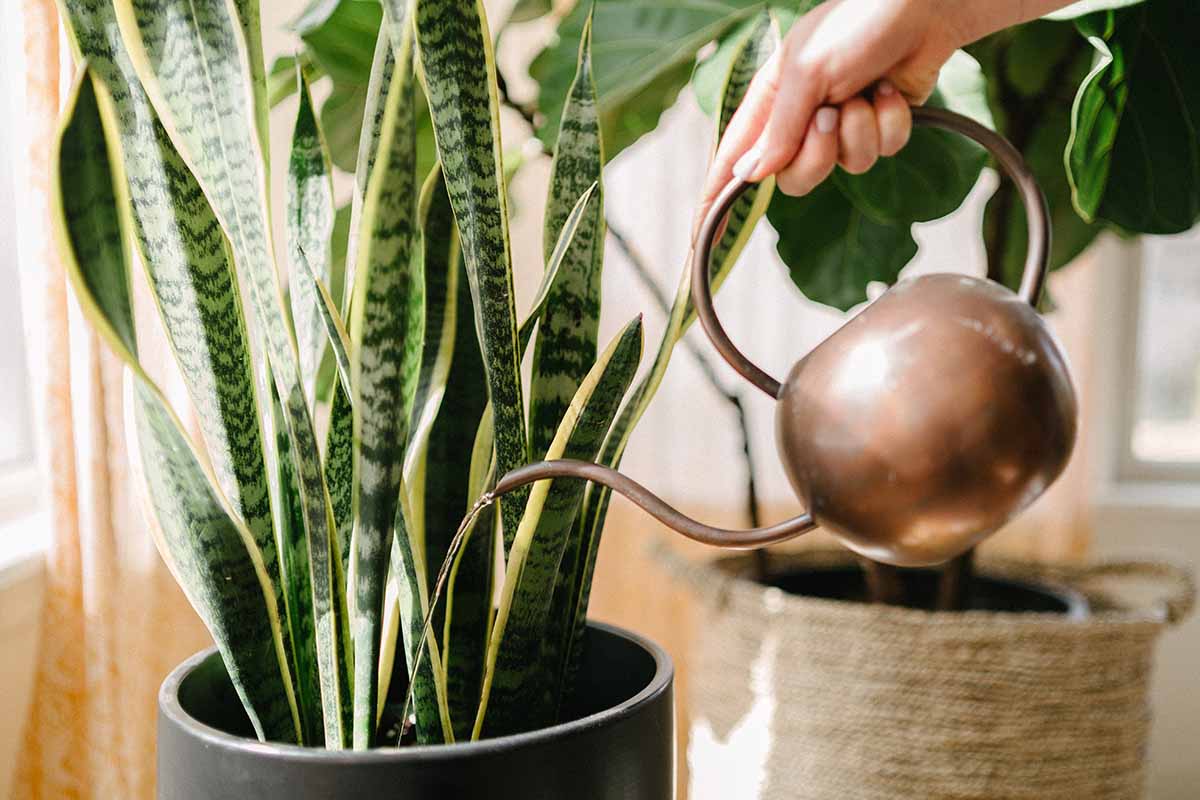
To ensure your snake plant’s leaves stay healthy and robust, understanding proper watering practices is essential. Adjusting your watering frequency to meet the plant’s needs and using the right technique can prevent issues like narrow leaves. Keep an eye out for signs of overwatering, such as droopy and skinny leaves, to make timely adjustments and maintain your plant’s vitality.
Proper Watering Frequency
Maintaining proper watering frequency is essential for ensuring snake plants receive adequate hydration for healthy leaf growth. To ensure your snake plant thrives, pay close attention to the following:
- Soil Moisture: Monitor the moisture levels in the soil regularly to prevent it from drying out completely, as this can lead to narrow leaves and hinder growth.
- Growth Patterns: Stunted growth and thin foliage are signs of underwatering. Adjust your watering routine accordingly to promote wider and healthier leaves.
- Watering Technique: Water your snake plant thoroughly, allowing excess water to drain out of the pot. Ensure the roots have access to water without sitting in soggy soil.
- Observing Leaf Conditions: Look out for dry, crispy, or curling leaves, as these can indicate that your snake plant is not receiving enough water. Adjust your watering habits based on the plant’s needs to maintain optimal hydration levels.
Watering Technique Tips
Properly watering your snake plant is crucial for its overall health and leaf development. Maintaining consistency in watering practices is essential to ensure adequate moisture levels for the plant. Using well-draining soil is key to prevent waterlogged conditions that can negatively impact the roots and lead to the development of narrow leaves. Additionally, incorporating a pot with proper drainage holes allows excess water to escape efficiently, preventing water from accumulating at the bottom. Monitoring the soil moisture levels can be simplified by using a moisture meter, which helps in determining the plant’s watering needs accurately. It is important to consider the plant’s growth stage and environmental conditions when adjusting the watering frequency to promote healthy leaf development. By paying attention to soil composition, drainage effectiveness, and root health, you can establish good watering habits to support your snake plant’s overall well-being and prevent issues like narrow leaves.
Signs of Overwatering
Ensure the health of your snake plant by being vigilant for signs of overwatering, which can lead to detrimental effects on the plant’s overall well-being. Signs of overwatering can manifest in various ways:
- Leaf Discoloration: Yellowing leaves are a common indicator of overwatering in snake plants. Monitor the color of the leaves for any unusual changes.
- Stem Firmness: Overwatered snake plants may develop mushy stems due to the excess water affecting the plant’s structural integrity. Gently squeeze the stems to check for firmness.
- Soil Moisture: Consistently wet soil is a clear sign of overwatering. Ensure the soil has the opportunity to dry out between waterings to prevent root rot.
- Proper Drainage: Adequate drainage is crucial to prevent waterlogged soil, which can lead to narrow leaves. Adjust your watering routine based on the plant’s needs and environmental conditions to avoid overwatering. Regularly check the soil moisture level before watering to maintain a healthy balance.
Addressing Temperature Extremes
To mitigate the impact of temperature extremes on snake plant leaves, consider relocating the plant away from sources of drafts, sudden temperature changes, or direct heat exposure. Temperature regulation plays a crucial role in maintaining the width of snake plant leaves and ensuring growth consistency. Extreme cold or heat can stress the plant, leading to thinner leaves as a result of disrupted growth patterns. To prevent this, it is essential to maintain a consistent room temperature without sudden fluctuations. Placing the snake plant away from air vents, windows with drafts, or heaters can protect it from temperature extremes that may cause the leaves to narrow. Monitoring the room temperature regularly and creating a stable environment will promote healthy leaf growth in snake plants. By taking these measures, you can help your snake plant thrive and maintain its leaf width and growth consistency.
Preventing Pest Infestations
Inspect your snake plant regularly for common pests like spider mites, mealybugs, or thrips that can lead to narrow leaves and stress the plant. To prevent pest infestations, follow these tips:
- Natural prevention: Use natural remedies such as neem oil or insecticidal soap to treat pest infestations on the snake plant leaves.
- Pest control methods: Isolate the affected snake plant to prevent pests from spreading to other plants nearby, and ensure proper ventilation to discourage pest proliferation.
- Healthy plant habits: Maintain a consistent watering schedule, avoiding overwatering to prevent attracting pests due to excessive moisture.
- Regular inspection: Continuously monitor your snake plant for any signs of pests, such as webbing, tiny bugs, or discoloration on the leaves, to catch infestations early and take appropriate action.
Avoiding Overcrowding

Overcrowding in snake plant arrangements can result in competition for light and resources among leaves, leading to narrower growth. To avoid this issue, consider the container size when arranging your snake plants. Providing adequate space between plants allows for proper root development and prevents overcrowding, promoting healthier growth. When roots have sufficient room to spread out, they can access nutrients more effectively, supporting robust and lush foliage.
Additionally, proper air circulation is crucial in preventing overcrowding-related issues. Well-ventilated spaces help reduce the likelihood of leaves stretching and becoming thin in an attempt to reach light sources. By avoiding tightly packed arrangements, you can ensure that each leaf receives the necessary airflow to thrive. Adequate spacing between snake plants maintains the natural characteristics of the leaves and prevents them from becoming narrow due to overcrowding. Remember, giving your snake plants room to breathe is essential for their overall health and appearance.
Adjusting Humidity Levels
Maintaining optimal humidity levels is crucial for ensuring healthy leaf growth in snake plants. To help you adjust the humidity levels effectively, consider the following techniques:
- Monitor Humidity Levels: Keep track of the humidity in the room where your snake plant is placed to ensure it falls within the preferred range.
- Use a Dehumidifier: Employing a dehumidifier can help lower humidity levels in the surrounding area, creating a more suitable environment for your snake plant.
- Opt for Well-Ventilated Areas: Placing your snake plant in a well-ventilated space can promote air circulation and prevent humidity build-up around the plant.
- Prevent Stress with Balanced Humidity: Maintaining a balance in humidity levels is crucial to prevent stress on your snake plant, ultimately aiding in the development of wider and healthier leaves.
Seeking Professional Assistance
Consider seeking expert guidance from a plant care specialist to gain valuable insights into the specific factors contributing to narrow snake plant leaves. Professional assistance can offer a comprehensive plant diagnosis, identifying any underlying health issues affecting your snake plant’s growth. By consulting with a botanist or horticulturist, you can receive tailored solutions based on your plant’s individual needs and the environmental factors at play. These experts can provide personalized recommendations on adjusting light exposure, humidity levels, and watering practices to promote healthier leaf growth and overall plant health. Their expertise can help prevent further damage and ensure the long-term vitality of your snake plant. Investing in professional care for your plant can lead to effective interventions that address the root causes of narrow leaves, setting the stage for improved growth and resilience in the future.