
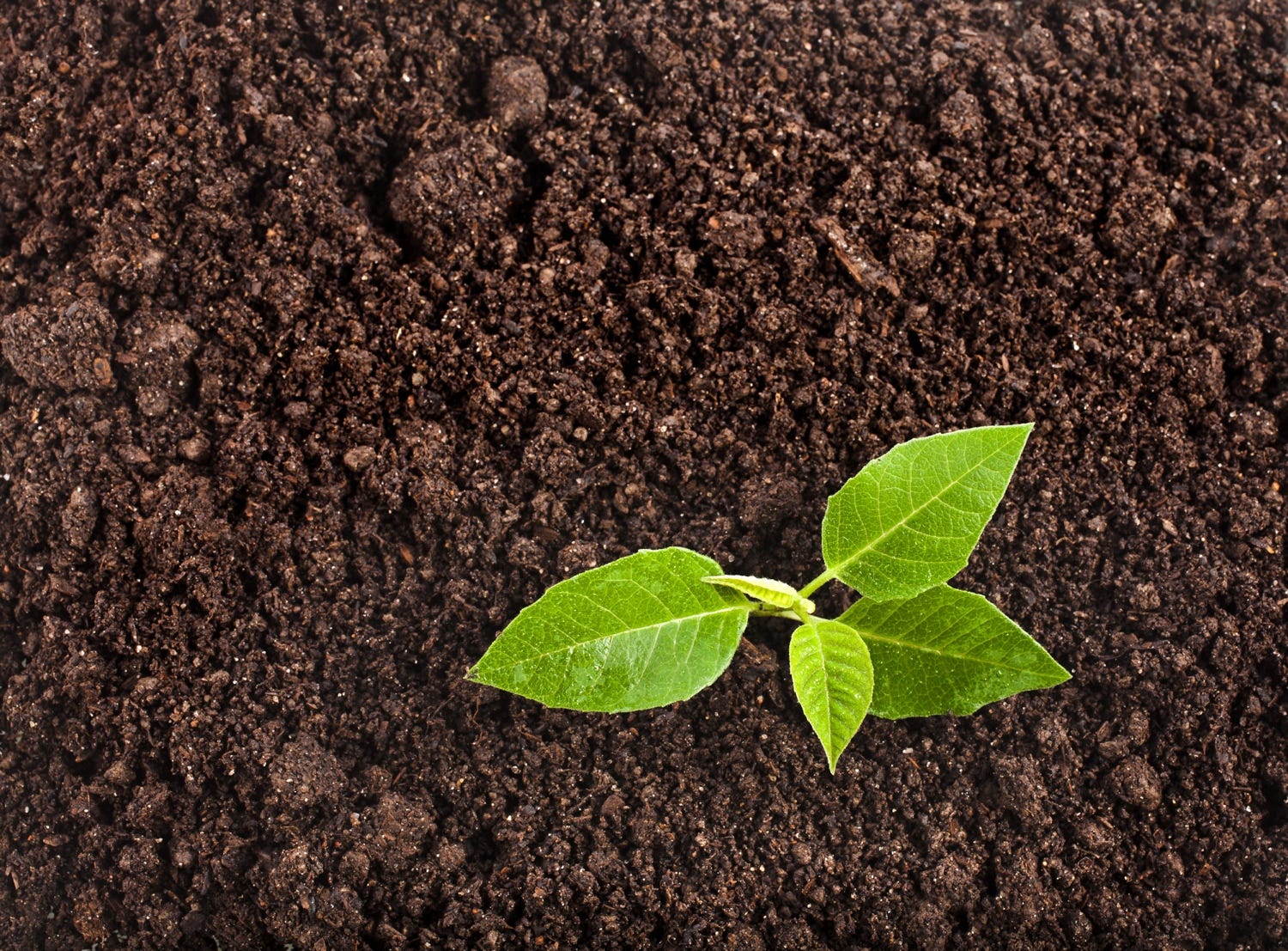
Avoid using coffee grounds around azaleas, rhododendrons, camellias, hydrangeas, and blueberries. These plants are sensitive to the acidity levels coffee grounds introduce to the soil pH, hindering their growth. Azaleas, known for acidic soil preferences, suffer from disrupted pH balance affecting nutrient absorption. Rhododendrons and camellias, requiring slightly acidic conditions, may experience stunted growth with coffee ground use. Hydrangeas’ pH balance sensitivity can lead to hindered nutrient uptake and poor growth. Blueberries, needing acidic soil for optimal growth, are negatively affected by the alkalinity of coffee grounds. Opt for other amendments to ensure these plants’ health and development.
Azaleas
:max_bytes(150000):strip_icc()/27218_DE_Azaleas__201-1-1c9da437f2e3460cafd4ce688fc48691.jpg)
Azaleas exhibit a sensitivity to the acidity present in coffee grounds, which can disrupt their optimal pH balance and impede their growth. As acid-loving plants, azaleas thrive in acidic soil conditions. However, the introduction of coffee grounds can alter the soil acidity levels beyond what they can tolerate. This disturbance in pH balance hinders the azaleas’ ability to absorb essential nutrients, leading to stunted growth and overall diminished health.
Azaleas are particularly sensitive to changes in soil acidity, making them susceptible to the negative effects of coffee grounds. It is crucial to avoid using coffee grounds around azaleas to prevent these detrimental consequences. Instead, opt for fertilizers or soil amendments specifically designed to cater to the needs of azaleas, maintaining their ideal growing conditions and promoting healthy development. By being mindful of the soil composition and acidity levels, you can ensure that your azaleas flourish and thrive in their environment.
Rhododendrons
:max_bytes(150000):strip_icc()/rhododendron-growing-guide-7109537_01-84c0118c7af14efd816625d51fa19650.jpg)
Rhododendrons, also acid-loving plants like azaleas, are similarly sensitive to the acidity found in coffee grounds, potentially impacting their growth due to alterations in soil pH levels. These beautiful plants thrive in slightly acidic to neutral soil conditions, making it crucial to monitor the pH levels and maintain the right balance for their optimal growth. Here are some key points to consider when caring for rhododendrons:
- Rhododendrons are acid-loving plants: They require specific soil conditions to flourish.
- Soil pH is essential: Maintaining the correct pH balance is crucial for the overall health of rhododendrons.
- Avoid coffee grounds: Due to their acidity, it’s best to refrain from using coffee grounds around rhododendrons.
- Slightly acidic soil: Rhododendrons prefer soil that is slightly acidic, so it’s important to provide the right environment.
- Monitor the soil: Regularly check the pH levels in the soil and adjust as needed to support the growth of your rhododendrons.
Camellias

Camellias, known for their preference for neutral to slightly acidic soil, require a pH range of 6.0 to 6.5 for optimal growth. When considering the use of coffee grounds as a soil amendment for camellias, caution is advised. Coffee grounds are acidic in nature and can lower the pH of the soil, rendering it unsuitable for camellias. The high acidity levels induced by coffee grounds may result in adverse effects on camellias, such as yellowing leaves and stunted growth. To maintain the health and vigor of your camellias, it is best to refrain from using coffee grounds around these plants. Instead, opt for soil amendments or fertilizers that do not alter the pH significantly. By choosing suitable products for your camellias, you can ensure they thrive in an environment that meets their specific soil pH requirements and supports their overall well-being.
Hydrangeas
:max_bytes(150000):strip_icc()/where-to-plant-hydrangea-GettyImages-2162702360-054c4ab69c2f47e08550491ec500bbde.jpg)
When incorporating coffee grounds as a soil amendment for hydrangeas, caution is recommended due to their sensitivity to changes in soil pH balance. Hydrangeas prefer slightly acidic to alkaline soil, and the introduction of coffee grounds can disrupt this delicate balance, impacting their overall health and growth. Here are some key points to consider:
- Hydrangeas: These plants are particularly sensitive to alterations in soil pH levels.
- Coffee grounds: Can shift the soil pH towards acidic, affecting the ability of hydrangeas to uptake essential nutrients.
- Soil pH: Influences nutrient availability and can directly impact hydrangea growth and flower color.
- Alkaline soil: Hydrangeas may struggle in alkaline conditions caused by coffee grounds.
- Plant growth: Stunted growth, yellowing leaves, and reduced blooming are potential consequences of exposing hydrangeas to coffee grounds.
To ensure optimal growth and vibrant blooms, it is advisable to choose alternative soil amendments and fertilizers suitable for hydrangeas, avoiding the use of coffee grounds near these plants.
Blueberries
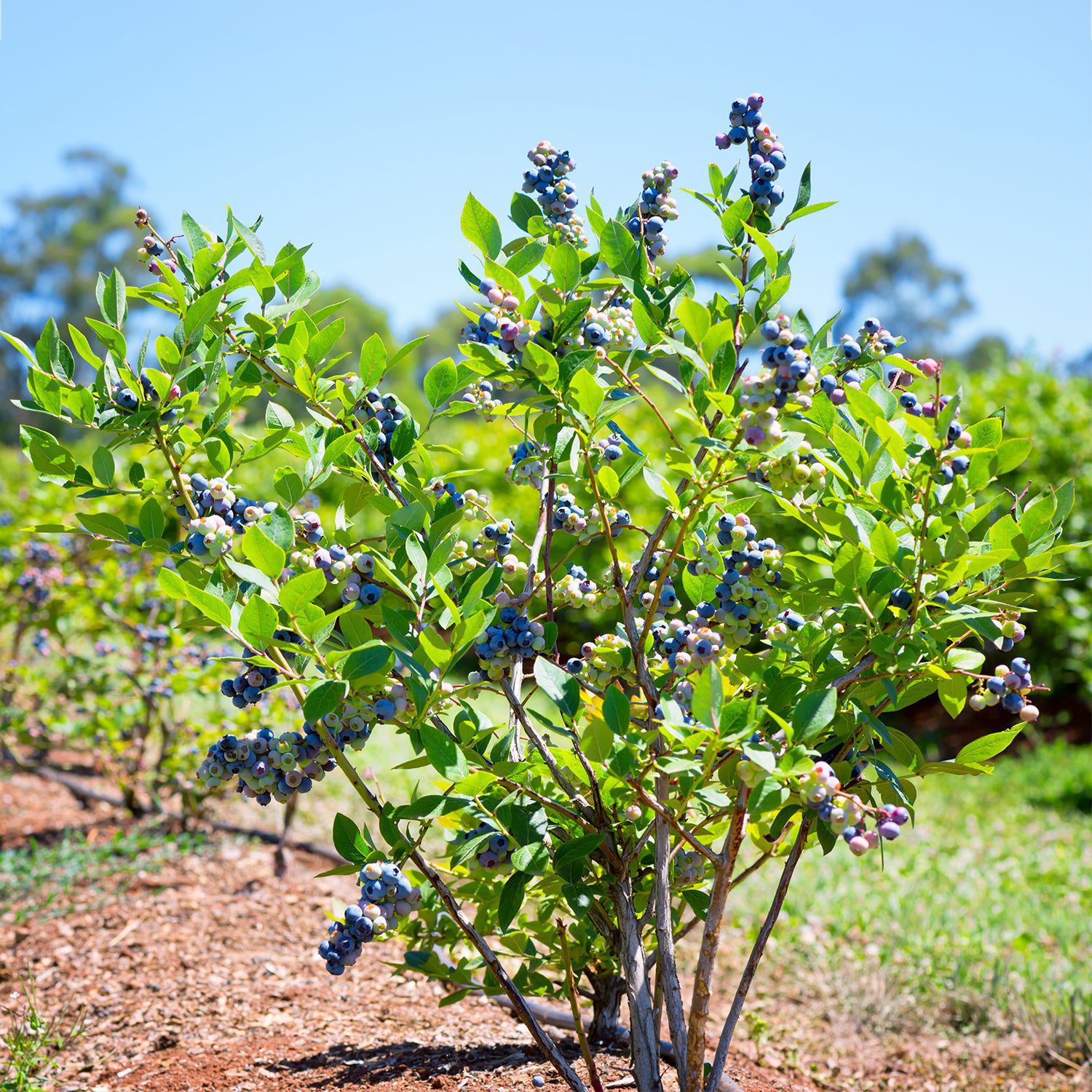
Blueberries strongly dislike coffee grounds due to their requirement for acidic soil conditions. Blueberries thrive in soil with a pH level between 4.5 and 5.5, which is considered acidic. Coffee grounds, on the other hand, are known to have a pH ranging from 6.0 to 6.8, making them more alkaline. When coffee grounds are added to the soil, they can alter the pH levels, making the soil less acidic, which is unfavorable for blueberry plants.
Blueberries cannot tolerate acidic soil amendments, such as coffee grounds, as they require a specific pH range to grow and produce fruit successfully. It is crucial to avoid using coffee grounds around blueberries to prevent adverse effects on their health and growth. Instead, opt for soil amendments that help maintain the acidic conditions blueberries need to thrive, such as peat moss, pine needle mulch, or sulfur-based fertilizers. By choosing the right soil amendments, you can ensure optimal growth and yield from your blueberry plants.
Plants Preferring Alkaline Soil
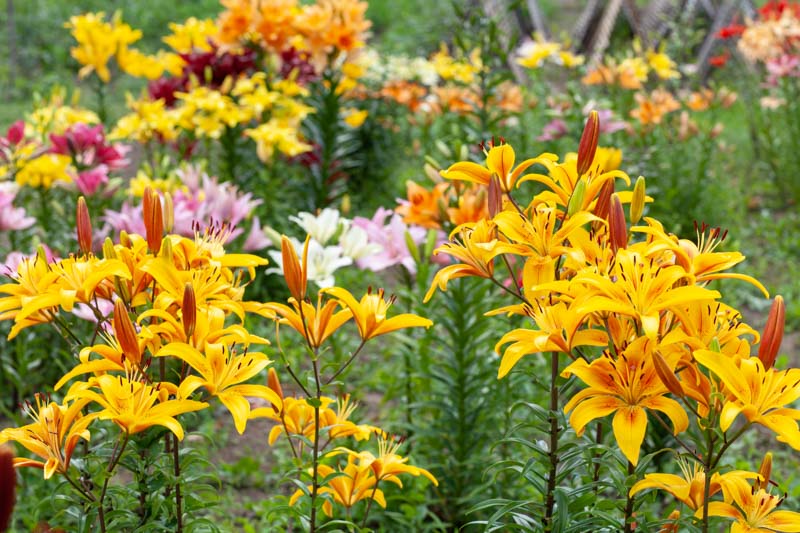
Plants that prefer alkaline soil conditions, such as roses, lilies, and hydrangeas, may not thrive when exposed to coffee grounds due to their alkalinity. The pH levels in the soil play a crucial role in the growth and development of these plants. Here are some plants preferring alkaline soil that could be negatively affected by the use of coffee grounds:
- Roses: These beautiful flowers prefer slightly acidic to neutral soil, and the alkalinity of coffee grounds may disturb their ideal pH levels.
- Lilies: Known for their elegant appearance, lilies thrive in soil that is slightly acidic to neutral, making them sensitive to any changes in pH caused by coffee grounds.
- Hydrangeas: These stunning flowering plants require alkaline soil to maintain their vibrant colors, and the introduction of coffee grounds could disrupt this balance.
- Clove Shrubs: Preferring neutral to slightly alkaline soil, clove shrubs may struggle if the pH is altered by coffee grounds.
- Mums: With a pH preference ranging between 6.0 and 7.0, mums could be negatively impacted by the acidity coffee grounds introduce to the soil.
Plants Sensitive to Caffeine
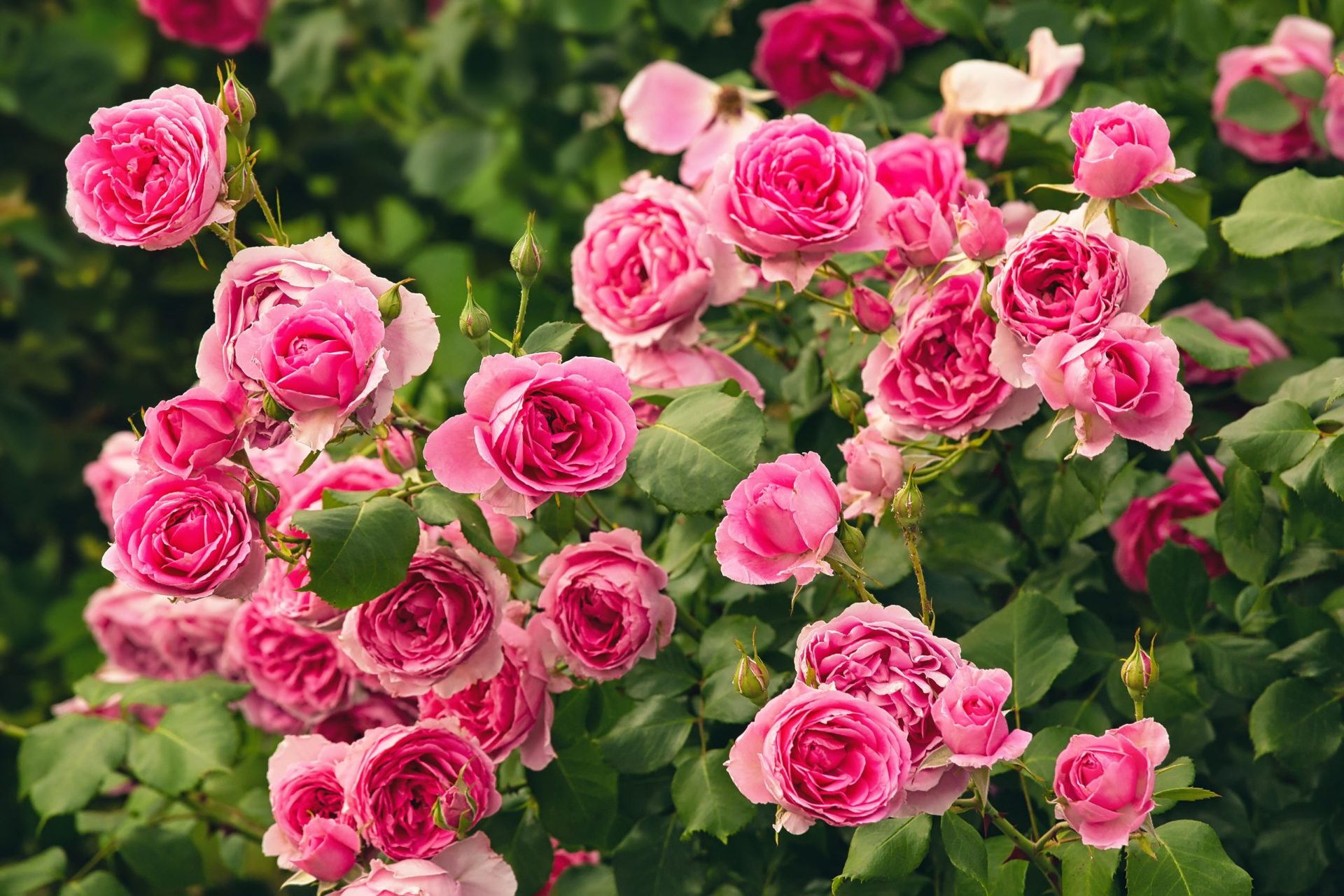
The sensitivity of certain plant species to caffeine, present in coffee grounds, can have detrimental effects on their growth and overall health. Roses, lilies, and hydrangeas are among the plants that may suffer when exposed to coffee grounds due to their intolerance to caffeine. These plants might exhibit symptoms like slow growth, yellowing leaves, and reduced flowering. Furthermore, roses and hydrangeas, which are sensitive to acidic conditions, can be adversely affected by the alteration of soil pH caused by coffee grounds. Plants prone to fungal diseases, such as roses, azaleas, and bell peppers, should also be kept away from coffee grounds to prevent exacerbating these conditions. Additionally, the excessive nitrogen content in coffee grounds can lead to an imbalance that favors leaf growth over flowering and fruiting in these caffeine-sensitive plants. Therefore, it is crucial to be mindful of the potential negative impacts of caffeine on certain plant species before incorporating coffee grounds into their care routine.