
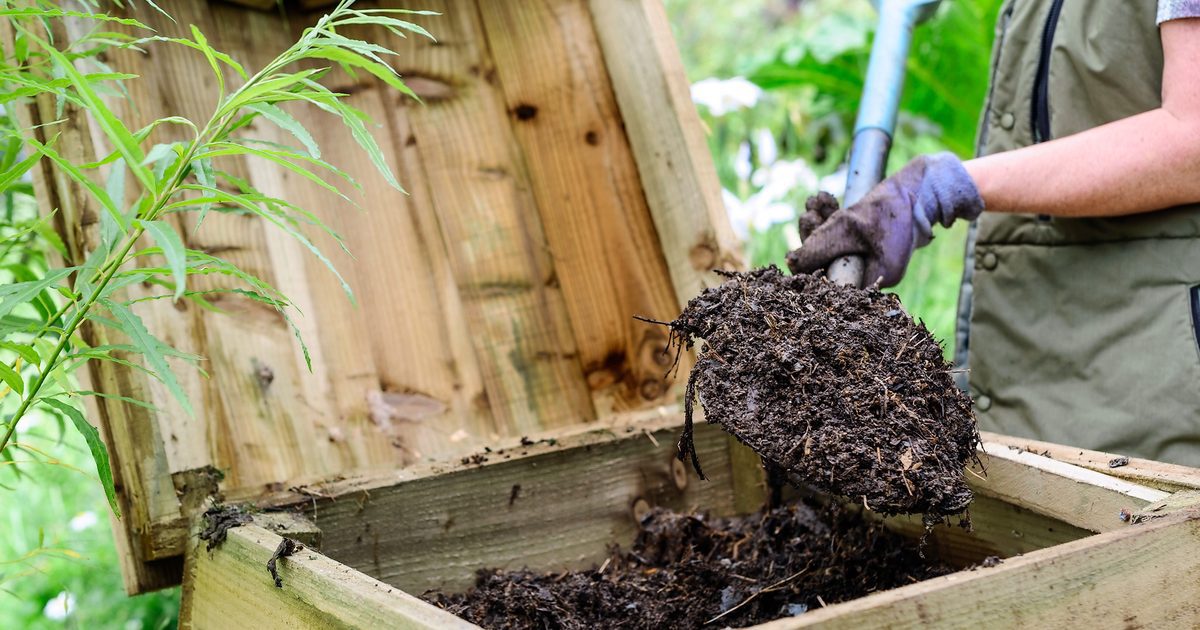
To maintain a healthy compost pile, turn it to ensure proper aeration for the microbes. Hot piles need frequent turning to avoid overheating and keep things aerobic. Cool piles thrive with occasional turning to speed up decomposition. Watch the temperature between 135-160°F for best results. Use tools like shovels or turners to make the job easier. Troubleshoot issues like odor or clumps by adjusting moisture levels and managing weeds. Remember, turning your compost regularly helps break down materials efficiently.
Importance of Compost Turning
Why is turning your compost pile so crucial for successful decomposition and nutrient-rich soil production? When you engage in the practice of turning your compost pile, you are actively aerating the organic material within. By doing so, you provide essential oxygen to the microbial organisms responsible for breaking down the materials. This process not only speeds up decomposition but also helps maintain optimal temperatures for efficient composting. Proper aeration through turning also prevents the development of anaerobic conditions that can lead to foul odors in the compost pile. Moreover, turning ensures an even distribution of heat throughout the pile, which, in turn, promotes the growth of beneficial microbes crucial for the composting process. Without regular turning, you risk encountering slow decomposition, inconsistent temperature levels, and a less effective overall composting process. So, remember, turning your compost pile is not just a chore but a vital step in producing nutrient-rich soil for your garden.
Factors Influencing Turning Frequency
When determining the frequency of turning your compost, consider factors such as temperature and moisture levels. The size of your compost pile and the type of compost bin you are using also play a crucial role in deciding how often you should turn the compost. Understanding how these elements interact will help you optimize the decomposition process and achieve rich, fertile compost for your garden.
Temperature and Moisture
Maintaining the appropriate moisture and temperature levels in your compost pile significantly influences the frequency at which you should turn it. When the temperature drops in your compost pile, it can slow down the decomposition process. To combat this, regular turning is essential to introduce oxygen and redistribute heat evenly. High temperatures, on the other hand, can increase the rate of decomposition but may also lead to excessive moisture loss. In such cases, more frequent turning is necessary to aerate the pile and prevent it from drying out. Monitoring the temperature and moisture levels within the compost pile is crucial in determining the optimal turning schedule. Striking the right balance between temperature and moisture will ultimately dictate how often you need to turn your compost to maintain its health and efficiency. Be attentive to these factors to ensure your compost pile remains in prime condition for breaking down organic matter effectively.
Size of Compost Pile
Consider the size of your compost pile as a key factor influencing how frequently you should turn it for optimal decomposition. The size of the compost pile plays a vital role in determining the frequency of turning needed to maintain proper aeration and promote efficient decomposition. Larger compost piles tend to retain more heat and support increased microbial activity, requiring less frequent turning. On the other hand, smaller compost piles may benefit from more regular turning to ensure uniform decomposition of all materials. Understanding the size of your compost pile is essential for determining the ideal turning frequency to achieve the desired decomposition rate.
| Size of Compost Pile | Turning Frequency |
|---|---|
| Larger | Less frequent |
| Smaller | More frequent |
Type of Compost Bin
The type of compost bin you choose significantly impacts how frequently you’ll need to turn your compost pile for optimal decomposition. When considering the design of your compost bin, factors such as aeration, moisture retention, and ease of access play a crucial role in determining the turning frequency. Here are some key points to keep in mind regarding different types of compost bins:
- Tumblers: Tumblers are designed for easy turning, promoting aeration and mixing of materials. They often require more frequent turning to maintain proper decomposition levels and moisture distribution.
- Ground Structures: Compost heaps on the ground benefit from natural aeration, reducing the need for frequent turning. These bins typically retain moisture well and may need less attention in terms of turning.
- Modular Bins: Modular compost bins offer ease of access, allowing you to turn the pile efficiently. Their design can facilitate better aeration and moisture control, influencing the turning frequency positively.
Considering these aspects can help you choose the right compost bin type that aligns with your turning schedule and composting goals.
Turning Hot Vs. Cool Piles
Wondering how to differentiate between turning hot compost piles and cool compost piles effectively? Hot compost piles, typically exceeding 130°F, require more frequent turning to prevent overheating and maintain optimal aerobic conditions for the thermophilic bacteria responsible for decomposition. Turning hot piles every 1-3 days helps regulate temperature and ensure the efficient breakdown of organic matter. On the other hand, cool compost piles, hovering around 100°F, benefit from occasional turning every 5-7 days to prevent anaerobic conditions and accelerate decomposition by promoting oxygen flow. This process helps distribute heat evenly throughout the pile for consistent breakdown of materials. The turning frequency of hot or cool compost piles should be adjusted based on factors like temperature, moisture levels, and the balance of green and brown materials present. By understanding these distinctions and adjusting your turning frequency accordingly, you can effectively manage the decomposition process in your compost pile.
Benefits of Aeration Through Turning
When you aerate your compost by turning it, you’re essentially giving the beneficial microbes the oxygen they need to thrive and break down organic matter efficiently. This increased oxygen circulation not only speeds up the decomposition process but also helps maintain a healthy aerobic environment in the pile. By turning your compost regularly, you’re ensuring that all parts of the pile receive adequate aeration, leading to improved microbial activity and a more balanced breakdown of materials.
Improved Oxygen Circulation
To enhance the efficiency of your composting process and promote beneficial microbial activity, ensuring improved oxygen circulation through regular turning is essential. When you turn your compost pile, you create aeration, which is crucial for the aerobic decomposition of organic matter. Here’s why improved oxygen circulation is vital for successful composting:
- Preventing Anaerobic Conditions: Turning the compost helps prevent the formation of anaerobic pockets where oxygen is lacking, reducing the risk of unpleasant odors.
- Supporting Beneficial Microbes: Proper oxygen levels resulting from turning allow beneficial microbes to thrive and efficiently break down materials, aiding in the composting process.
- Even Distribution of Oxygen: Turning the compost pile ensures that oxygen is evenly distributed throughout, promoting consistent decomposition and speeding up the breakdown of organic matter.
Faster Decomposition Process
Enhancing the decomposition process through regular turning of your compost pile results in faster breakdown of organic materials due to improved aeration. Aeration achieved by turning ensures that oxygen is readily available to the microorganisms responsible for decomposition. This process creates optimal conditions for these beneficial microbes to thrive and efficiently break down the organic matter present in the pile.
By promoting aeration through turning, you help prevent the development of anaerobic conditions, which can lead to foul odors and incomplete decomposition. The act of turning the compost regularly also aids in maintaining even heat distribution throughout the pile. This supports the growth of thermophilic organisms, which thrive in higher temperatures and play a vital role in breaking down materials effectively.
To maximize the benefits of aeration for faster decomposition, consider factors such as the size of your compost pile, the materials you are composting, and the desired speed of decomposition when determining how frequently to turn your compost.
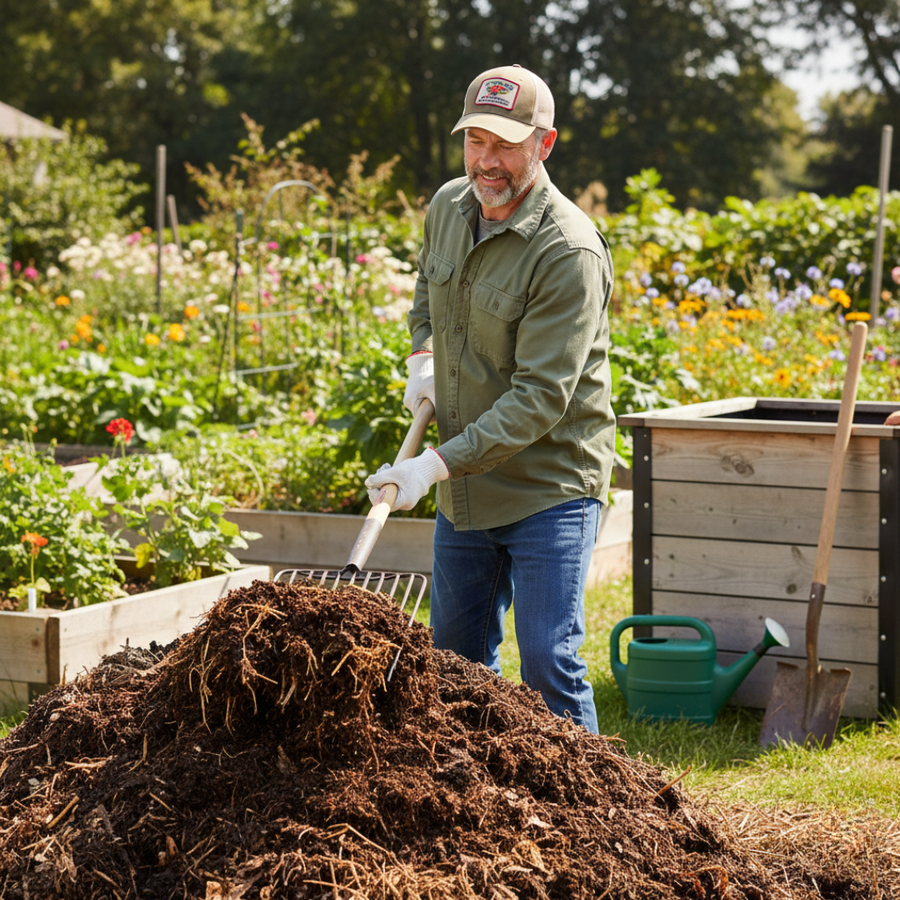
Monitoring Pile Temperature
Monitoring the temperature of your compost pile is crucial for gauging its progress and ensuring efficient decomposition. By keeping an eye on the pile temperature, you can understand the stage of composting and make necessary adjustments for optimal results. Here’s why monitoring pile temperature matters:
- Ideal Temperature Range: Maintaining temperatures between 135-160°F (57-71°C) fosters efficient decomposition, breaking down organic materials effectively.
- Need for Oxygen: When temperatures drop, it indicates a lack of oxygen in the pile. Turning the compost helps aerate it, promoting decomposition.
- Compost Thermometers: These tools are essential for accurately tracking temperature changes within the pile. Investing in a good compost thermometer can make temperature monitoring much more manageable and precise.
Efficient Material Decomposition
Turning your compost pile at regular intervals is essential for achieving efficient material decomposition. Efficient decomposition relies on the breakdown of organic material facilitated by microbial activity, which is boosted by proper aeration. Regular turning ensures that oxygen levels are increased within the compost pile, promoting faster decomposition of the materials. This aeration also helps in preventing anaerobic conditions, which can slow down the composting process. By turning the compost pile regularly, you maintain high temperatures within the pile, creating an environment conducive to effective decomposition.
To achieve optimal results, it’s crucial to adhere to a consistent turning schedule. This practice not only accelerates the breakdown of materials but also helps in maintaining the balance of the compost pile. The combination of regular turning and adequate oxygen levels fosters an environment where microorganisms thrive, ensuring that your compost pile reaches its full decomposition potential.
Tools for Effective Turning
Various tools are available to assist in effectively turning your compost pile, ranging from simple shovels to heavy-duty commercial turners. Choosing the right tool can significantly impact the efficiency and ease of the turning process. Here are some tools that can help you turn your compost effectively:
- Shovels: Ideal for small piles, shovels are versatile and inexpensive tools that allow you to manually turn the materials in your compost pile.
- Bucket Loaders: When dealing with larger piles, bucket loaders come in handy. These machines can quickly scoop up and turn substantial amounts of compost materials.
- Commercial Turners: For heavy-duty operations, commercial turners offer efficient and effective turning of large compost piles. These specialized tools are designed to handle the demands of high-volume composting.
Having the right tools, such as compost aerators or custom-built turners, can streamline the turning process, ensuring proper aeration and mixing of materials in your compost pile. Choose the tool that best suits the size and scale of your composting needs for optimal results.
Troubleshooting Common Issues
To effectively troubleshoot common issues in your compost pile, you need to be aware of potential challenges and how to address them proactively. Proper air flow is essential for a healthy compost pile. If you notice foul odors emanating from your compost, combat them by adding carbon-rich materials such as straw or wood chips. Adjust moisture levels if the pile isn’t heating up correctly. Clumpy compost can occur due to compacted areas; break them up during turning to promote even decomposition. Manage weeds by carefully inspecting and removing them while turning your compost to prevent issues. For optimal balance and decomposition, layer brown and green materials effectively. By addressing these common problems promptly, you can ensure your compost pile remains healthy and productive. Remember, a well-maintained compost pile not only reduces waste but also provides nutrient-rich soil for your garden.