
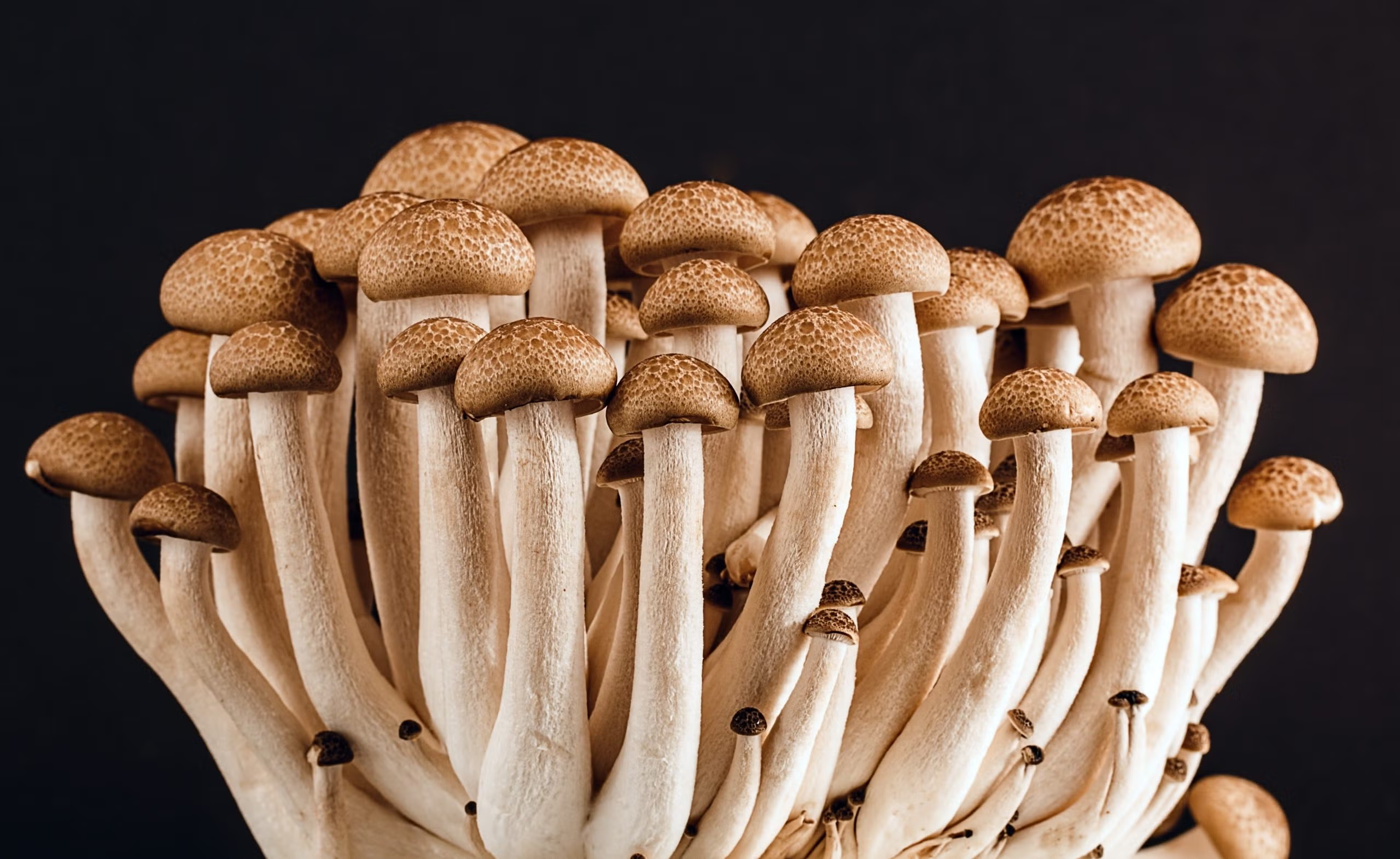
Mushrooms might surprise you with their diet; they don’t produce their food like plants. As part of the fungi kingdom, mushrooms are heterotrophs, which means they consume organic material. They primarily deploy four nutritional strategies: saprotrophic, mycorrhizal, parasitic, and endophytic. I’ve found it fascinating that saprotrophic mushrooms break down dead organic matter, significantly aiding in nutrient cycling. Mycorrhizal types form symbiotic relationships with plant roots, trading nutrients for carbohydrates. Parasitic mushrooms feed on living hosts, and endophytes live in plants but cause no harm. Each strategy showcases how essential mushrooms are to ecological health and balance. As we explore further, you’ll discover the crucial roles mushrooms play beyond their feeding habits.
Understanding Fungal Kingdom
Delving into the fungal kingdom, we find that mushrooms aren’t plants, animals, or bacteria but belong to a unique kingdom of their own due to their distinct biochemical and genetic characteristics.
Unlike plants that harness sunlight through photosynthesis, fungi thrive by absorbing organic compounds directly from their environment. This absorption is crucial for their survival and growth.
The unique appearance of many mushrooms, such as the star-shaped Geastrum Saccatum, not only adds visual interest but also plays a significant role in their ecological functions.
Out of the vast array of over 140,000 mushroom species identified worldwide, only a fraction are edible, underscoring their diverse nature.
Furthermore, not all fungi develop into the familiar mushroom form; many manifest as yeasts or molds, each fulfilling vital ecological functions.
This diversity in form and function highlights the complexity and breadth of the fungal kingdom.
Mushroom Classification Insights
Among the vast array of over 140,000 identified mushroom species, only about 3,000 are considered edible, underscoring the remarkable diversity within the fungal kingdom. This diversity is mirrored in their classification which is largely based on their nutritional methods.
Mushrooms can be saprotrophic, decomposing dead organic material; mycorrhizal, forming symbiotic associations with plant roots; parasitic, feeding on living organisms without benefit to the host; or endophytic, residing inside plants and generally benefiting them. Each category reflects a unique evolutionary adaptation to their environment, showcasing the complexity and ecological significance of fungi.
Just as worm castings contribute to soil health by enhancing its structure and microbial activity, mushrooms play a critical role in nutrient cycling and organic matter decomposition in ecosystems.
It’s fascinating how these classifications help us understand not just what mushrooms eat, but also their vital roles in our ecosystems.
How Mushrooms Absorb Nutrients
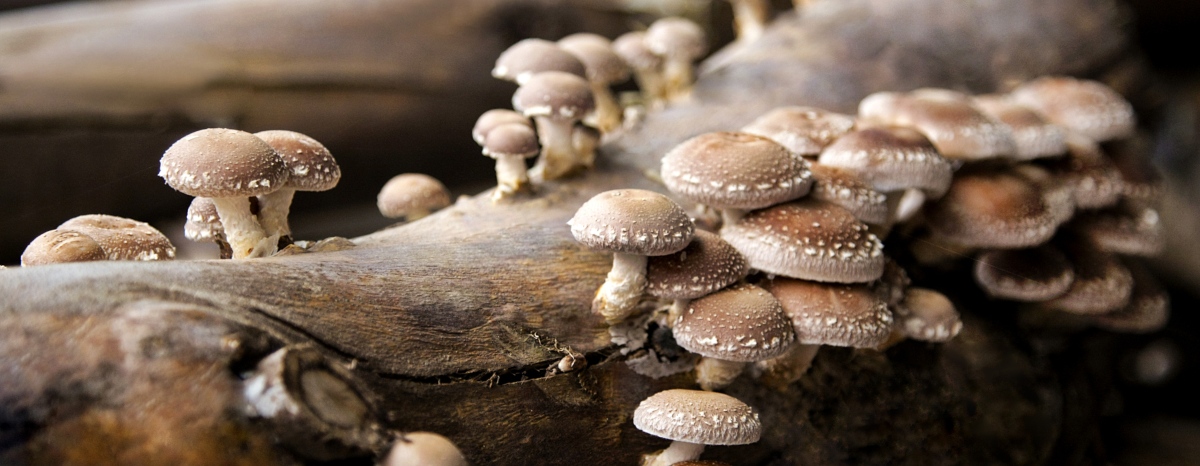
Building on our understanding of mushroom classification and their diverse ecological roles, let’s explore how these fascinating organisms absorb nutrients. Unlike plants, mushrooms don’t photosynthesize. Instead, they’re heterotrophic, relying on organic compounds from their environment.
They thrive on a substrate rich in cellulose and lignin, materials abundant in decaying wood and plant matter. This nutritious base is crucial, as it supports their growth and reproductive processes.
Mushrooms employ various feeding strategies like saprotrophic, where they decompose dead organic matter; mycorrhizal, forming symbiotic relationships with plant roots; parasitic, exploiting living hosts; and endophytic, living inside plants without causing harm. Each method showcases their adaptability and crucial role in nutrient cycling in ecosystems.
Similarly, worms fulfill a vital role in nutrient cycling, breaking down organic matter in aquaponics systems to enhance plant growth.
Enzymatic Breakdown of Organic Matter
Fungi, including mushrooms, deploy a fascinating feeding strategy by utilizing enzymes to break down complex organic matter into simpler, absorbable forms.
These organisms secrete enzymes externally to decompose various substrates, particularly plant materials like cellulose, lignin, and hemicelluloses. This external digestion is crucial as it converts complex compounds into simpler molecules that fungi can readily absorb.
This process not only sustains their growth and reproduction but also underscores their vital role as decomposers in ecosystems.
Unlike plants and animals that rely on internal digestion and photosynthesis respectively, fungi’s unique ability to break down and absorb nutrients externally through enzymatic action sets them apart, highlighting their essential ecological function.
Types of Nutritional Strategies
Mushrooms exhibit four primary nutritional strategies—saprotrophic, mycorrhizal, parasitic, and endophytic—each playing a distinct role in their survival and interaction within ecosystems.
Mycorrhizal fungi, for instance, form symbiotic relationships with plant roots, enhancing nutrient uptake in exchange for carbohydrates produced by the plant. This mutual benefit supports not only the survival of the fungi but also promotes healthier plant growth.
Conversely, parasitic fungi rely on living hosts for nutrients, often to the detriment or even death of the host organism.
Endophytic fungi, though living within plant tissues, don’t cause harm; instead, they can bolster the host’s ability to withstand environmental stresses.
Understanding these strategies is key to appreciating the ecological roles and potential applications of different fungal species.
Role of Saprotrophic Mushrooms
Absorbing nutrients from decaying organic matter, saprotrophic mushrooms serve an indispensable role in ecosystems by breaking down and recycling complex organic compounds.
Among these, morels, shiitake, and common varieties like button and cremini mushrooms aren’t just popular in culinary circles; they’re pivotal in enriching soil quality.
They achieve this by decomposing complex organic materials into simpler compounds, enhancing nutrient availability for other plants and organisms.
Moreover, their ability to utilize a broad range of substrates, including tough fibrous and woody materials rich in cellulose and lignin, is vital.
This process underscores their significant contribution to ecosystem health and sustainability, demonstrating how they’re crucial beyond their gastronomic value.

Importance of Mycorrhizal Mushrooms
While many recognize the culinary delights of chanterelles, porcini, and truffles, it’s essential to understand their ecological significance as mycorrhizal mushrooms.
These fungi form symbiotic relationships with plants, extending the roots’ reach via mycelial networks, enhancing nutrient and water absorption. This mutualistic bond benefits both entities; fungi receive crucial carbohydrates from the plants, while the plants access vital nutrients like phosphorus and nitrogen.
This interaction is pivotal in many ecosystems, helping plants thrive in nutrient-deficient soils and bolstering their resilience against environmental stressors. Given that 80-90% of terrestrial plants form these associations, the role of mycorrhizal mushrooms in global plant health and productivity can’t be overstated.
They’re not just food; they’re fundamental to ecological balance.
Diverse Diets of Parasitic Fungi
After exploring the mutual benefits of mycorrhizal fungi and their plant partners, it’s fascinating to shift focus to a different, darker type of fungal interaction: parasitic fungi.
These organisms feed exclusively on their hosts, often leading to the host’s demise. A quintessential example is the caterpillar fungus, Ophiocordyceps sinensis, which overtakes caterpillars and is highly valued in medicine.
Similarly, the Lion’s mane mushroom, though largely found on decaying wood, illustrates another facet of parasitic behavior, showcasing potential neuroprotective effects.
Unlike symbiotic mycorrhizal fungi, parasitic fungi offer no reciprocal advantages to their hosts, purely extracting nutrients. This one-way interaction can drastically influence ecosystems by regulating host populations and thus, biodiversity.
Mycelium and Mushroom Formation
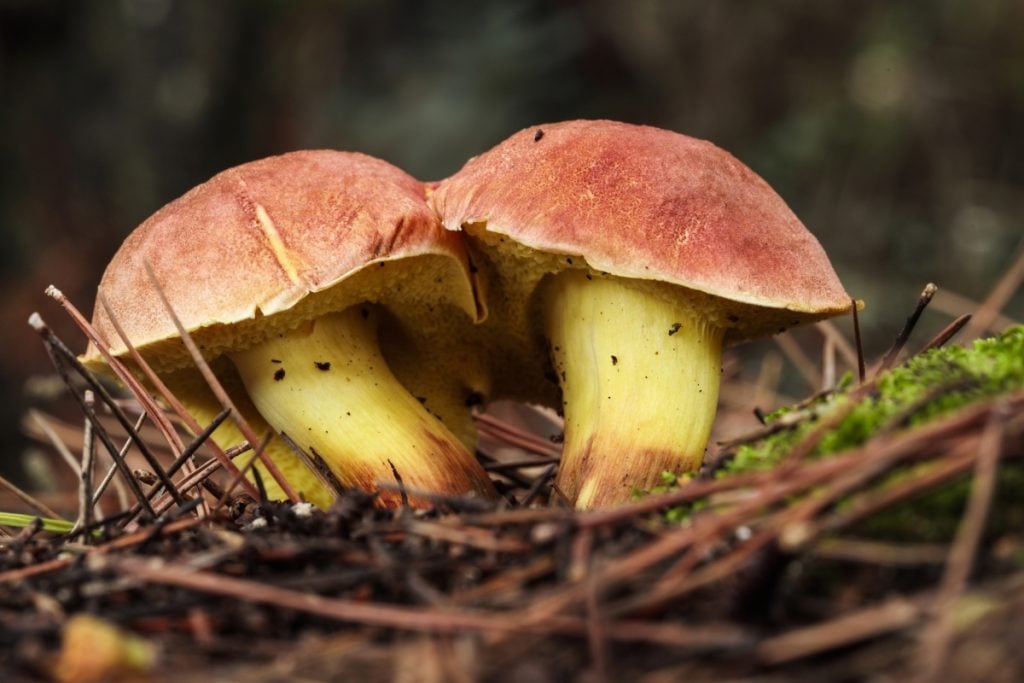
Delving into the world of fungi, it’s crucial to understand the foundational role of mycelium in mushroom formation. Mycelium, composed of hyphae, breaks down organic materials to absorb essential nutrients. This network isn’t only the vegetative part of fungi but also the life-support system for mushroom growth.
Mushrooms, as the fruiting bodies, emerge from the mycelium primarily to distribute spores. These spores are produced within specialized structures like gills, teeth, or pores, depending on the mushroom species. The process is fascinatingly complex, showing a fine-tuned adaptation to their environment.
This lifecycle highlights how mycelium’s efficient nutrient absorption from fibrous materials like cellulose and lignin is critical for fungal reproduction and survival.
Ideal Growth Conditions for Mushrooms
Transitioning from the foundational role of mycelium, let’s examine the ideal growth conditions for mushrooms. They flourish in substrates teeming with fibrous wood materials, with carbon from cellulose, lignin, and hemicelluloses serving as their primary energy source.
It’s essential that the nitrogen content in these substrates hovers between one to two percent. This precise balance supports their development without encouraging unwanted microbial competitors.
Furthermore, mushrooms require a slightly acidic environment, with a pH level of 5 to 6.5 optimal for nutrient absorption. Essential minerals such as magnesium, potassium, calcium, sulfur, and phosphorus are crucial, bolstering their health and growth.
Lastly, maintaining moisture content between 50 to 70 percent is critical, as too dry conditions can severely disrupt their growth cycle.
Tips for Successful Mushroom Cultivation
Understanding the ideal growth conditions for mushrooms sets a solid foundation for venturing into their cultivation.
I’ve found that choosing a substrate rich in cellulose and lignin, while ensuring a nitrogen content of one to two percent, is critical. The substrate shouldn’t just feed but also support the mycelium’s intricate network.
Keeping moisture levels between 50 and 70 percent is essential, as too dry conditions can severely inhibit mycelial growth and, consequently, mushroom production.
I always ensure good aeration; it facilitates crucial air exchange and supports healthy mycelium colonization.
Monitoring the substrate’s pH, maintaining it at a slightly acidic range between 5 and 6.5, also proves vital.
I recommend using resources like the Mushroom Growing Hub for guidance and supplies.