

Transform your landscape with stone mulch, a lasting, low-maintenance option that adds beauty while combatting weeds effectively. Discover various types like river rock and marble chips, each offering unique benefits such as drainage support and sustainable qualities. Consider factors like stone color and size for the perfect match to your outdoor space, promoting both practicality and aesthetics. Optimal for landscaping beds and pathways, stone mulch controls soil temperature and prevents erosion. Learn how to install and maintain stone mulch for a polished finish that enhances your outdoor oasis.
Benefits of Using Stone Mulch
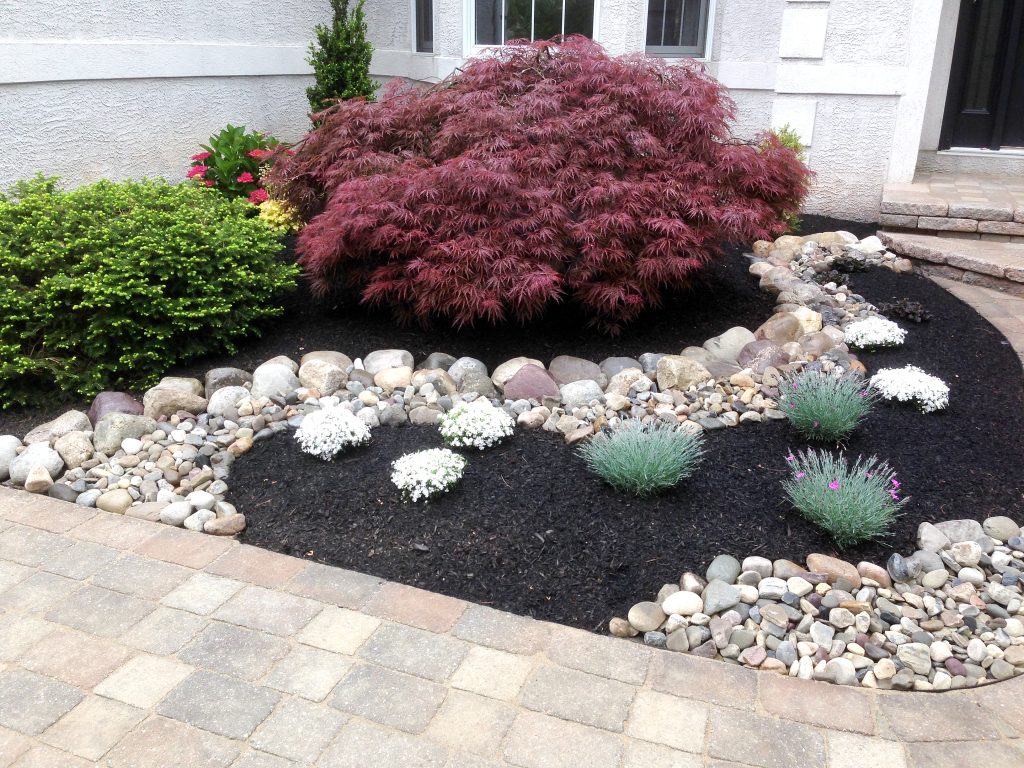
Enhance your landscaping with the myriad benefits that come from using stone mulch. When you opt for a layer of stone mulch, you are investing in a long-lasting solution that requires minimal maintenance. Unlike organic mulches that decompose over time, stone mulch stays intact, eliminating the need for frequent replacement. This not only saves you time but also effort in tending to your landscaping beds.
One of the pros of stone mulch is its ability to provide a clean and polished look to your outdoor space. Say goodbye to the unruly appearance of weeds, as stone mulch effectively suppresses their growth. This means less time spent weeding and reduced dependency on herbicides.
Moreover, the variety of colors and types of stones available allows you to customize your landscaping design to match your style. By consistently applying stone mulch throughout your yard, you can create a cohesive and visually appealing look that ties your outdoor space together seamlessly.
Types of Stone Mulch

When considering stone mulch for your landscaping, exploring the various types available can help you achieve the desired aesthetic and functionality in your outdoor space. Stone mulch comes in different sizes and colors, including river rock, pea gravel, lava rock, marble chips, and crushed stone. River rock offers a smooth, rounded appearance, while pea gravel provides a smaller, more uniform look. Lava rock, being lightweight and porous, aids in good drainage, and marble chips add an elegant touch to your landscaping. Crushed stone, available in various sizes and colors, offers versatility for different aesthetic preferences. When comparing costs, pea gravel and river rock tend to be more affordable options compared to marble chips. In terms of environmental impact, crushed stone is a sustainable choice as it can be locally sourced and requires minimal processing, reducing its carbon footprint. Consider these factors when selecting the type of stone mulch that best suits your landscaping needs.
Factors to Consider When Choosing Stone Mulch
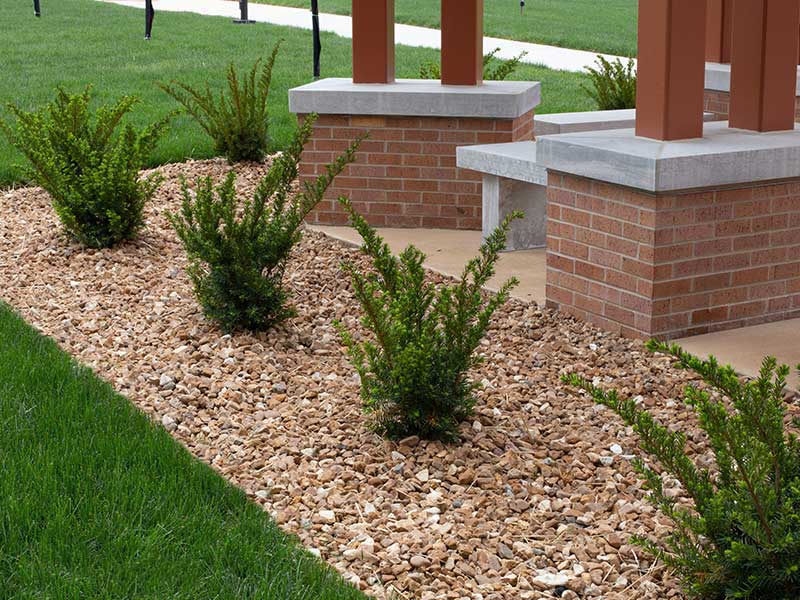
When choosing stone mulch, consider the size and color to harmonize with your landscaping. Be sure to pick a type suited to your area’s needs, like river rock for drainage. Assess the permeability, depth, and maintenance requirements for optimal results.
Stone Mulch Selection
To ensure the success of your landscaping project, carefully consider various factors when selecting stone mulch that will best suit your needs and enhance the overall aesthetic appeal of your outdoor space. Here are three key factors to ponder:
- Stone Color: The color of the stone mulch can significantly impact the overall look of your landscaping. Choose a color that complements your plants and other design elements for a cohesive appearance.
- Porous vs. Non-Porous: Opt for porous stone mulch to promote proper drainage and allow essential water and air to reach the plant roots. This helps maintain a healthy environment for your plants to thrive.
- Stone Size: Consider the size of the stones carefully. Select stones that are appropriate for the designated area to prevent displacement due to weather conditions or foot traffic. Additionally, choosing rounded stones can help prevent damage to plants or injuries from sharp edges. Selecting the right stone size ensures both practicality and aesthetic appeal in your landscaping design.
Location Considerations
Consider the location aspects carefully when choosing stone mulch for your landscaping project to ensure optimal integration with your outdoor space. Start by evaluating the sun exposure and drainage in the area. Stone mulch works best in spots with good sunlight and proper drainage to prevent water accumulation. Additionally, before laying down the stone mulch, check for any underground utilities or irrigation systems that may be affected. It’s crucial to avoid damaging any existing systems during the installation process.
Furthermore, think about the maintenance requirements and long-term effects of using stone mulch in different locations. Stone mulch is ideal for areas where moisture retention is not a primary concern, such as around trees or in high-traffic areas. The size and color of the stones should also complement the overall landscape design. By considering these factors, you can ensure that the stone mulch not only enhances the aesthetic appeal of your outdoor space but also serves its practical purposes effectively.
Benefits of Stone
Evaluate the benefits of using stone mulch in your landscaping project by considering key factors that influence your choice of material.
- Longevity benefits: Stone mulch is a durable option that outlasts organic mulch, reducing the need for frequent replacements and saving you time and effort in maintaining your landscaping beds.
- Weed prevention advantages: Stone mulch acts as a natural barrier against weed growth, keeping your landscaping beds tidy and minimizing the need for constant weeding, allowing you to enjoy a more pristine outdoor space.
- Aesthetic enhancements: Stone mulch provides a sleek and polished appearance to your landscaping, elevating the overall look of your outdoor area with its clean and neat aesthetic. It complements various styles and themes, adding a touch of sophistication to your garden or yard.
When choosing stone mulch, consider these benefits to make an informed decision that aligns with your landscaping goals, ensuring a visually appealing, low-maintenance, and long-lasting solution for your outdoor space.
Best Locations for Stone Mulch
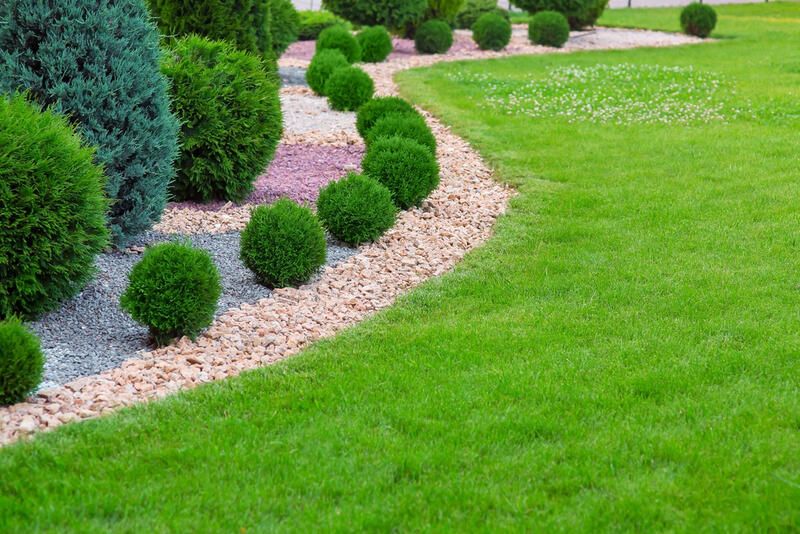
For optimal results with stone mulch, identifying the best locations to utilize this ground cover is key to achieving a polished and low-maintenance landscape design. Stone mulch excels in areas where drainage improvement and landscaping enhancement are needed. It is particularly useful in landscaping beds and pathways, providing both functional benefits and aesthetic appeal. When placed in sunny locations, stone mulch helps regulate soil temperature, making it an excellent choice for areas requiring soil temperature control. Moreover, the use of stone mulch aids in weed prevention and erosion control, keeping your outdoor space looking pristine.
However, it’s essential to avoid using stone mulch in areas where delicate plants requiring consistent moisture levels are present. Additionally, consider applying stone mulch in locations prone to erosion or where traditional mulch might be washed away easily. By strategically placing stone mulch in these optimal locations, you can enhance the beauty of your landscape while reaping the practical benefits it offers.
How to Properly Install Stone Mulch
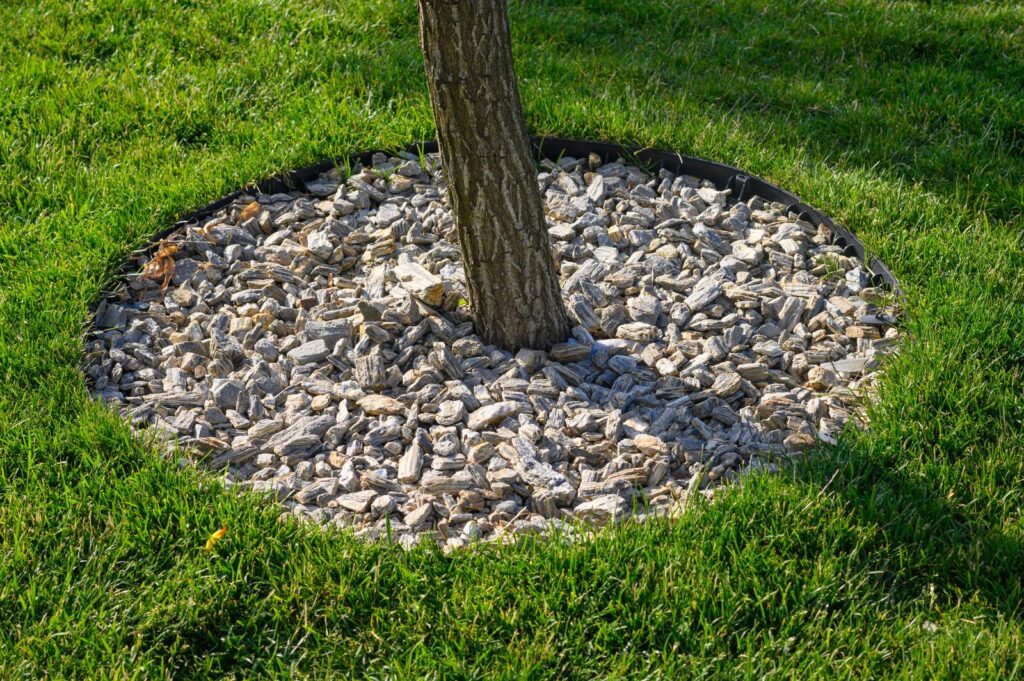
Get ready to transform your landscape with stone mulch! Begin by clearing out any old mulch, weeds, and debris to create a clean slate. Then, lay down a weed barrier fabric, evenly spread the stone mulch, and consider mixing different sizes and colors for a stunning finish.
Installation Steps
Removing existing mulch and weeds from the designated area is the crucial first step in properly installing stone mulch. Once the area is clear, follow these steps to ensure a successful installation:
- Use a Weed Barrier: Lay down a weed barrier fabric before spreading the stone mulch to prevent weed growth and maintain a tidy appearance.
- Choose the Right Stone: Select the appropriate size and type of stone based on both aesthetic preferences and functional needs of the area to be mulched.
- Evenly Spread the Stone: Distribute the stone mulch evenly at a depth of 2-3 inches to provide adequate coverage and suppress weed growth effectively.
Following these installation tips will help you achieve a professional-looking result while avoiding common mistakes. Keep in mind the cost comparison and DIY options available, as well as the environmental impact and long-term durability of using stone mulch. By taking these factors into consideration, you can create a beautiful and low-maintenance landscape with stone mulch.
Key Considerations
Prepare the designated area meticulously by clearing weeds and debris before laying down the stone mulch for optimal results. To ensure effective installation, consider the following key considerations:
Installation Tips
When laying stone mulch, use a weed barrier fabric to prevent weed growth and maintain a tidy appearance. Choose the right size and type of stone to complement your landscape and achieve the desired aesthetic appeal.
Proper Drainage
To promote plant health, ensure proper drainage by incorporating slopes or gravel underneath the stone mulch. This prevents water from pooling around plants and causing root rot.
Area Preparation
Properly preparing the area before laying stone mulch is essential for long-term maintenance. Clearing debris, leveling the ground, and addressing any drainage issues will help create a stable foundation for your mulch.
Consider these key factors when installing stone mulch to not only enhance the beauty of your landscape but also promote plant health and prevent weed growth.
Maintenance Tips for Stone Mulch
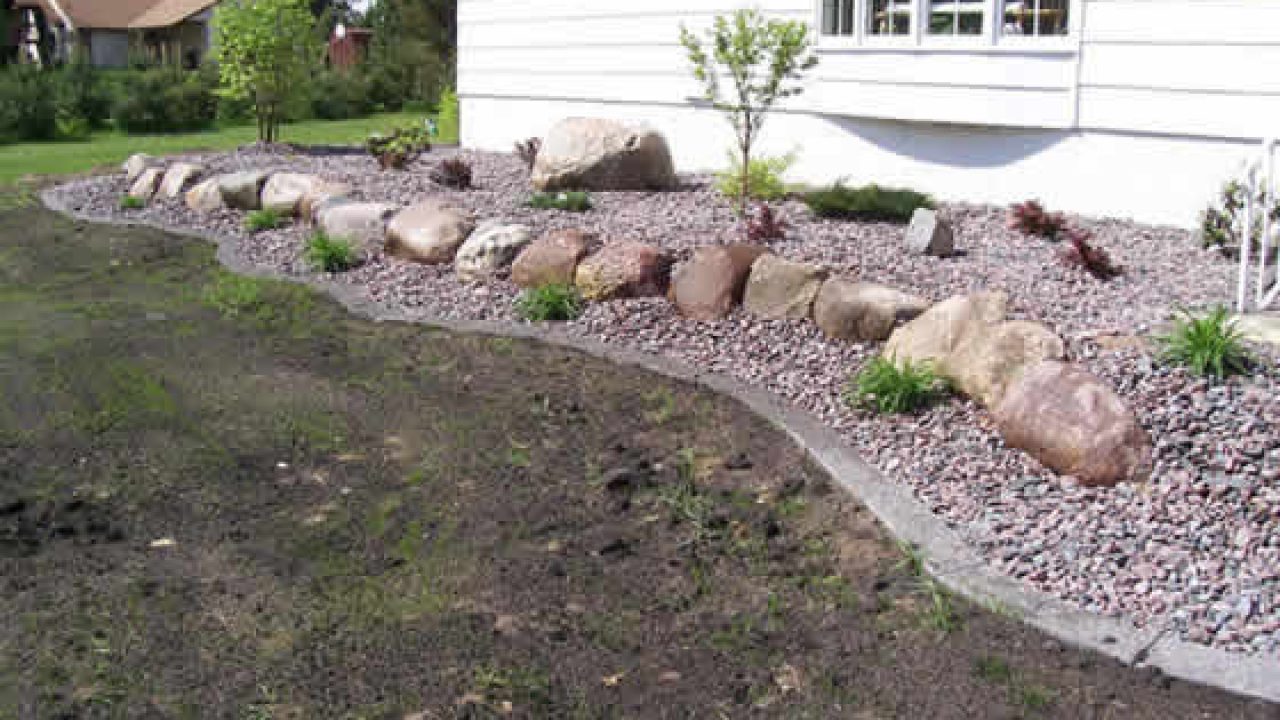
To maintain the health and aesthetics of your landscaping beds adorned with stone mulch, regular watering may be essential. Here are some maintenance tips to keep your stone mulch looking its best:
- Watering Frequency: Ensure your plants receive adequate moisture by watering them regularly, especially during dry spells. This will not only promote plant health but also prevent the stone mulch from looking dry and dusty, enhancing the overall aesthetics of your landscaping.
- Weed Prevention: Use weed fabric underneath the stone mulch to inhibit weed growth. This will not only save you time and effort in weed removal but also contribute to the longevity of your stone mulch, keeping your landscaping beds looking tidy and well-maintained.
- Visual Appeal: Regularly rake and inspect your stone mulch for debris, fallen leaves, or any signs of wear and tear. By maintaining the cleanliness and uniformity of your stone mulch, you can enhance the visual appeal of your landscaping beds, creating a polished and cohesive look.