

Enhance your climbing houseplants’ growth with moss poles, offering root support and a humid microclimate. These poles promote air circulation, prevent tangling, and add visual appeal to your display. Choose from materials like Sphagnum Moss for water retention, Coco Coir for versatility, or Tree Fern Fiber for durability. Secure the poles with Velcro strips, ensuring proper depth in soil, and mist regularly for moisture. Attach plants gently using twine, jute, or fishing line, guiding stems and coaxing tendrils to climb naturally. Monitor stability, clean regularly, and customize your poles to meet your plant’s needs. Consider purchasing options for reliable support.
Benefits of Moss Poles

Moss poles significantly enhance the growth and health of climbing houseplants by providing essential support and fostering improved root development. The use of moss poles as plant support for indoor plants like Monstera deliciosas and Philodendrons is crucial for their well-being. These poles promote root growth by allowing aerial roots to anchor into the moss, facilitating better nutrient uptake and overall plant health. Additionally, the moss in the poles retains moisture, creating a more humid microclimate around the plant, which is particularly beneficial for species that thrive in such conditions. The enhanced air circulation around the roots due to the moss poles further contributes to healthier growth patterns in climbing houseplants. As a result, utilizing moss poles can lead to larger and lusher foliage in indoor climbers, making them not just a support structure but a vital component in the overall care and cultivation of these plants.
Types of Moss Poles
When considering types of moss poles, it’s crucial to examine the materials used and the sizes available. The material of a moss pole, whether Sphagnum Moss, Coco Coir, or Tree Fern Fiber, dictates its water retention and durability. Size is also a key factor, ensuring the moss pole provides adequate support for the climbing plant’s growth.
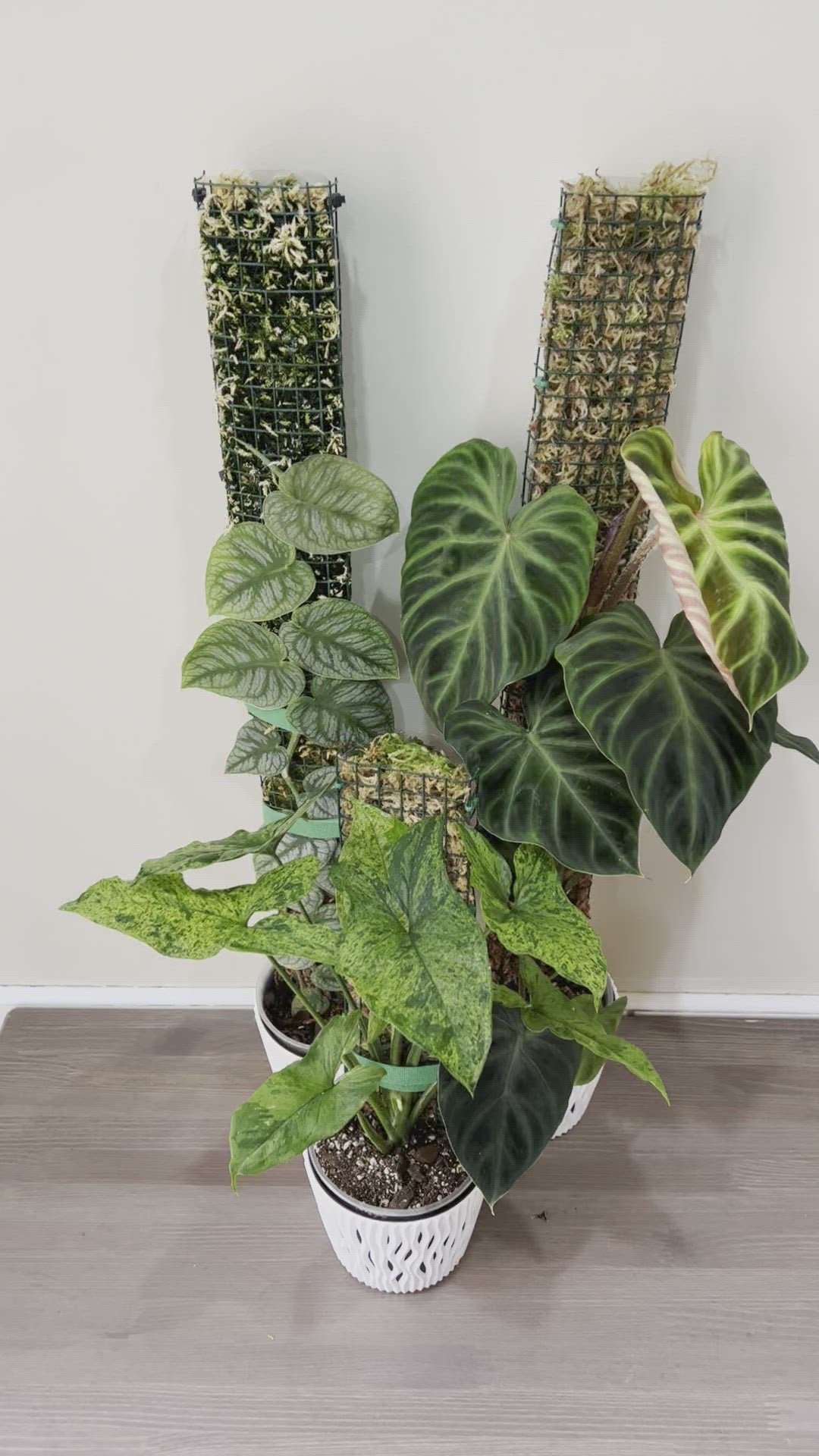
Moss Pole Materials
Among the various materials used for constructing moss poles for houseplants, Sphagnum Moss Poles, Coco Coir Poles, and Tree Fern Fiber Poles stand out as popular options due to their unique properties and suitability for different plant species. Sphagnum Moss Poles are prized for their exceptional water retention capabilities, making them ideal for plants that thrive in moist environments. On the other hand, Coco Coir Poles, crafted from sustainable coconut husks, offer a versatile choice suitable for a wide range of climbing plants. Tree Fern Fiber Poles, known for their durability and natural aesthetics, provide sturdy support for plants that require robust climbing structures. For those inclined towards customization, DIY Moss Poles present a cost-effective alternative, allowing individuals to tailor the pole’s size and appearance to suit their specific plant and aesthetic preferences. By selecting the appropriate moss pole material, you can enhance your houseplants’ growth and support their climbing needs effectively.
Moss Pole Sizes
Various sizes of moss poles are available to cater to the specific climbing needs and growth patterns of houseplants. Moss pole sizes range from small stakes suitable for compact climbers to tall poles designed for plants with extensive climbing habits. Common sizes include 12 inches, 24 inches, and 48 inches, offering options for different plant heights and growth potentials. Choosing the right moss pole size is crucial to provide adequate support and encourage vertical growth in your plants. Taller moss poles are ideal for species with significant climbing tendencies, while shorter poles are better suited for plants with more contained growth habits. By matching the moss pole size to your plant’s climbing behavior, you can ensure proper support and promote healthy development. Tailoring the support structure to your plant’s specific needs will help it thrive and reach its full potential in your indoor garden.
Materials Needed

To create moss poles for houseplants, gather stakes of your desired height, sphagnum moss, sheet moss or coconut fiber sheet, twine or jute, scissors, and a container for soaking the moss. When setting up your materials, follow these precise steps:
- Soaking Moss: Fill a container with water and soak the moss for approximately 15 minutes. This process helps make the moss more pliable for wrapping around the support pole.
- Securing Moss: After soaking, ensure the bottom 1/3 of the stake remains bare to prevent excessive moisture buildup. Use twine or jute to secure the moss to the pole firmly. This step guarantees the moss stays in place as your plants grow and climb.
- Training Plants: Gradually train your plants to climb the moss pole, encouraging upward growth and the development of aerial roots for added support. By following these steps and using the specified materials, you can create effective moss poles to enhance the growth of your houseplants.
Setting Up Moss Poles
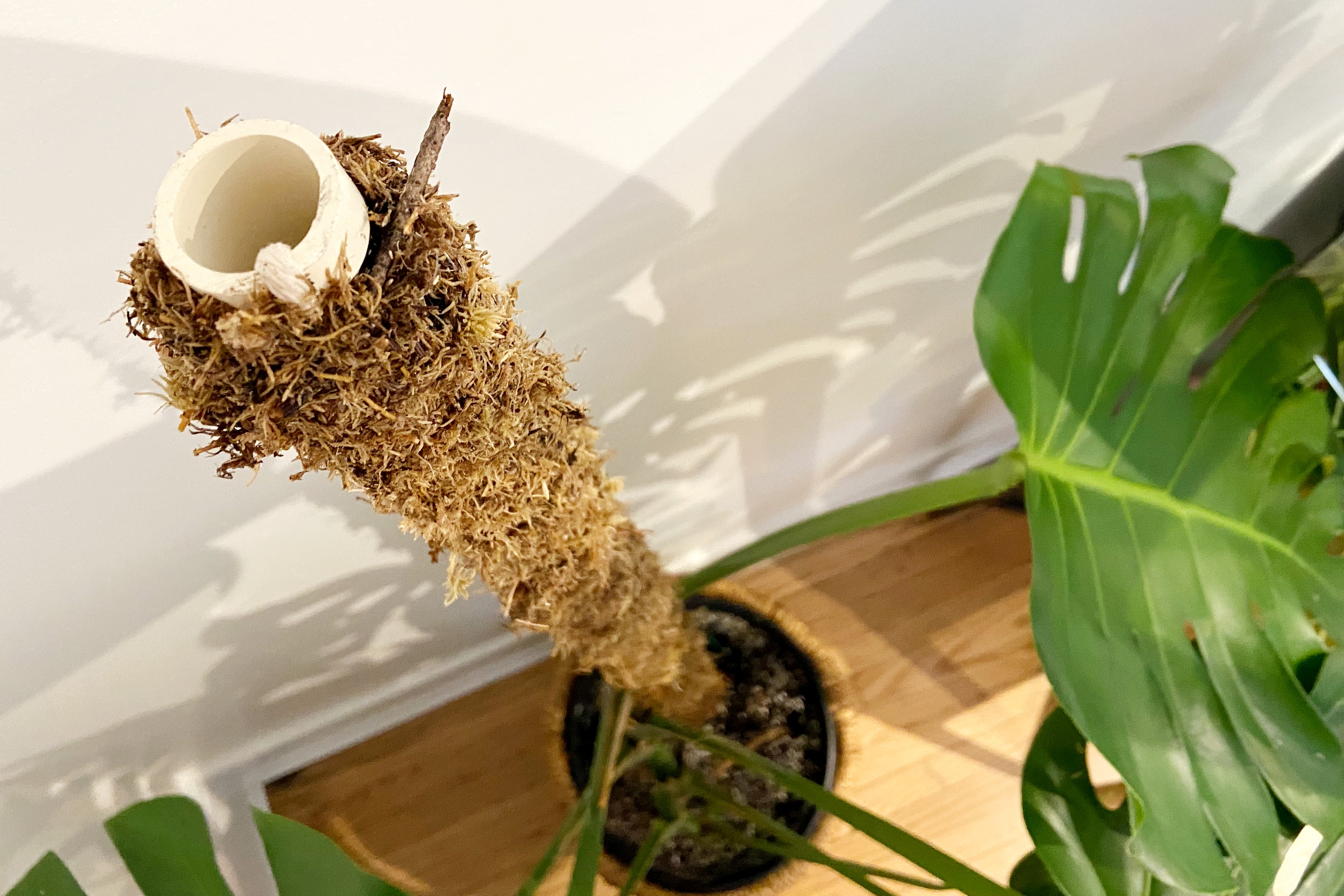
Prepare the sphagnum moss by soaking it in water before wrapping it around the support pole to promote aerial root growth. Soaking your moss will ensure it is adequately hydrated, facilitating the development of roots. Once the moss is ready, attach it securely to the pole using Velcro strips. This step is crucial as it provides stability and support for your indoor plant as it grows.
When setting up the moss pole, ensure it is inserted into the potting soil at an appropriate depth, leaving sufficient length to accommodate the plant’s future growth. By doing so, you create a sturdy foundation for your climbing plant. After attaching the moss to the pole, gently secure the plant to the structure using Velcro strips. This will prevent the plant from leaning or falling as it grows upward.
Remember to mist the moss pole regularly to maintain the necessary moisture levels for the plant’s health and growth. Adequate moisture will encourage root development and overall plant vitality.
Attaching Plants to Poles
Securely attach your indoor plants to moss poles using twine, jute, or fishing line to promote healthy growth and stability. When attaching your plants to the poles, ensure that you do so gently to avoid damaging the delicate roots. Here are three key points to consider when attaching your plants:
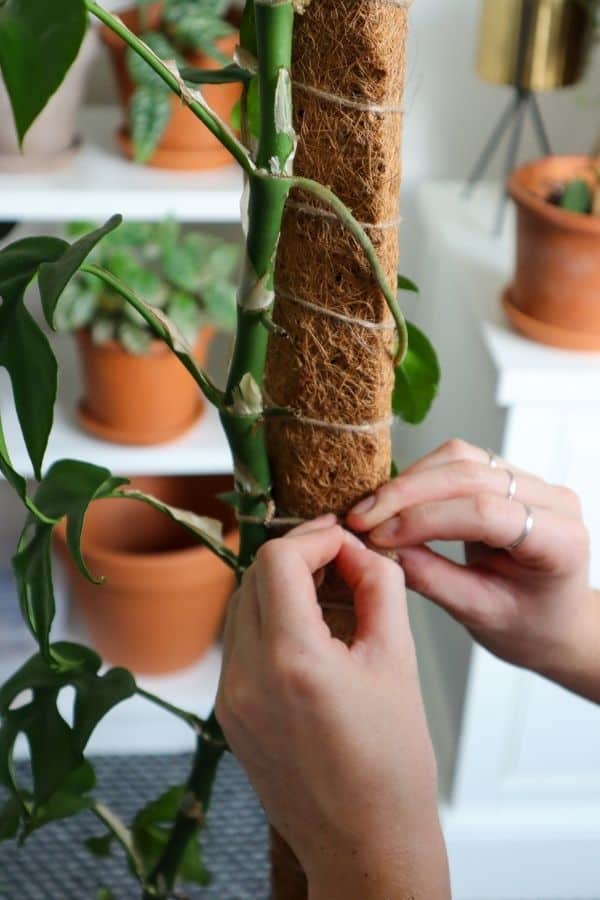
- Use Gentle Wrapping: Wrap the flexible stems of your plants around the moss pole with care, providing them the necessary support without causing harm. This wrapping technique helps the plant attach itself securely to the pole.
- Utilize Aerial Roots: Take advantage of the aerial roots commonly found in climbing plants, which naturally attach to the moss on the pole. These roots aid in anchoring the plant to the pole and promoting upward growth.
- Avoid Root Damage: While attaching your plant, be cautious not to harm the existing roots. Protecting the roots during the attachment process is crucial for the plant’s overall health and development.
Training Plants to Climb
To effectively train plants to climb moss poles, gently guide their stems using soft string or twine to encourage upward growth and prevent tangling. Coaxing the plant tendrils to wrap around the pole gradually promotes natural climbing behavior and ensures a sturdy structure. Mist the moss pole to stimulate the growth of aerial roots, anchoring the plant securely for optimal support and development.
Climbing Plant Support
Gently guide climbing plants to grow upwards by wrapping their flexible stems around the moss pole, utilizing their natural inclination to attach themselves for support. This method mimics how these plants would grow in their natural habitat, promoting healthier growth patterns indoors.
- Encouragement: As you gently train your climbing plant to embrace the moss pole, you provide it with the necessary support to reach new heights, fostering a sense of accomplishment.
- Nurturing: By guiding your plant’s growth towards the moss pole, you create a nurturing environment that mimics its natural surroundings, promoting overall well-being.
- Patience: Allow the plant to adjust gradually to its new support system, demonstrating patience as it acclimates and thrives in its new climbing environment.
Moss Pole Benefits
How do moss poles benefit climbing plants by training them to climb? Moss poles play a crucial role in facilitating the growth of climbing plants such as Monstera and Philodendrons. These plants are naturally inclined to climb and seek support for their aerial roots. By providing a moss pole for these plants to latch onto, you are encouraging them to grow vertically, replicating their natural habitat. This training not only promotes the healthy development of aerial roots but also helps in preventing tangling and overcrowding of the plant. Additionally, utilizing moss poles enhances the overall appearance of houseplants by creating a lush and full look as the plants climb and spread out. For climbing plants like Monstera, the guidance and support offered by moss poles are invaluable, allowing them to thrive in indoor environments where they may otherwise struggle to find suitable structures to climb.

Mist Frequency for Poles
Mist your moss poles once a week to maintain optimal moisture levels for your houseplants’ health. Proper misting frequency is crucial for the well-being of your plants. Here are three key points to consider when misting your moss poles:
- Avoid Over-Misting: Excessive misting can result in waterlogged moss, leading to potential root rot in your plants. It is essential to find the right balance to prevent this issue.
- Even Misting: Ensure that you mist your moss poles evenly to promote consistent moisture distribution. This aids in creating a healthy environment for your plants to thrive.
- Environmental Adaptation: Adjust your misting frequency based on environmental factors such as humidity levels in your area. By tailoring your misting routine to these conditions, you can better support your plants’ growth and development.
Moss Poles for Succulents
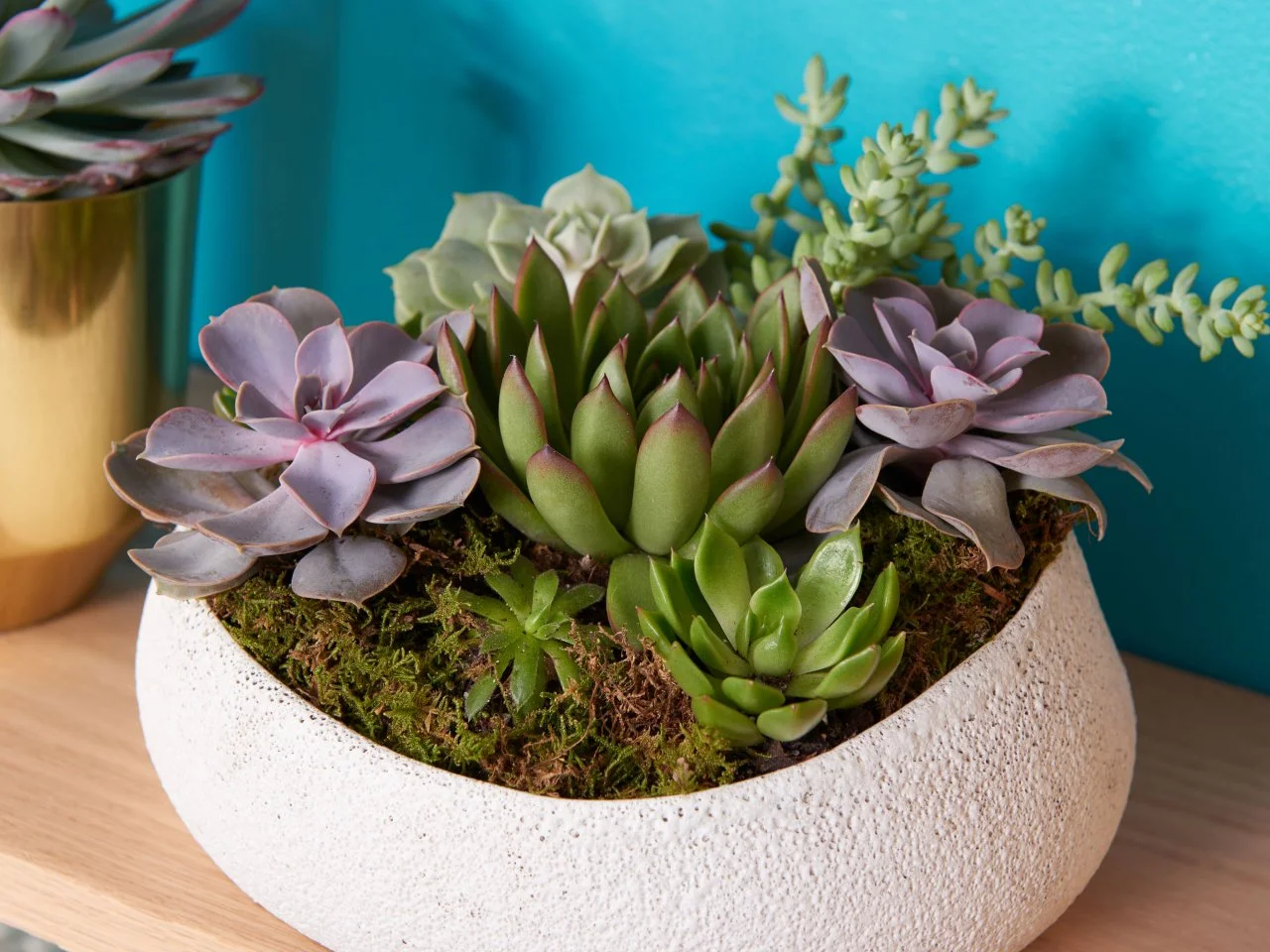
Succulents are not recommended for moss poles due to their preference for dry conditions and minimal water. Moss poles are designed to provide moisture and support, which may not align with the needs of succulents. Succulents thrive in well-draining soil and do not typically require vertical support for growth. Moss poles are more beneficial for climbing and vining plants that require assistance in upward growth. It is important to consider the specific care requirements of succulents when deciding on suitable support structures like moss poles.
| Aspect | Succulents | Climbing Plants |
|---|---|---|
| Water Needs | Minimal water | Moderate water |
| Growth Habit | Compact growth | Climbing behavior |
| Support Requirement | Not needed | Require support |
When it comes to succulents, providing them with a moss pole may create conditions that are too moist for their liking, potentially leading to issues like root rot. Therefore, it is best to opt for other forms of support or let these unique plants thrive independently.
Buying Velcro Strips
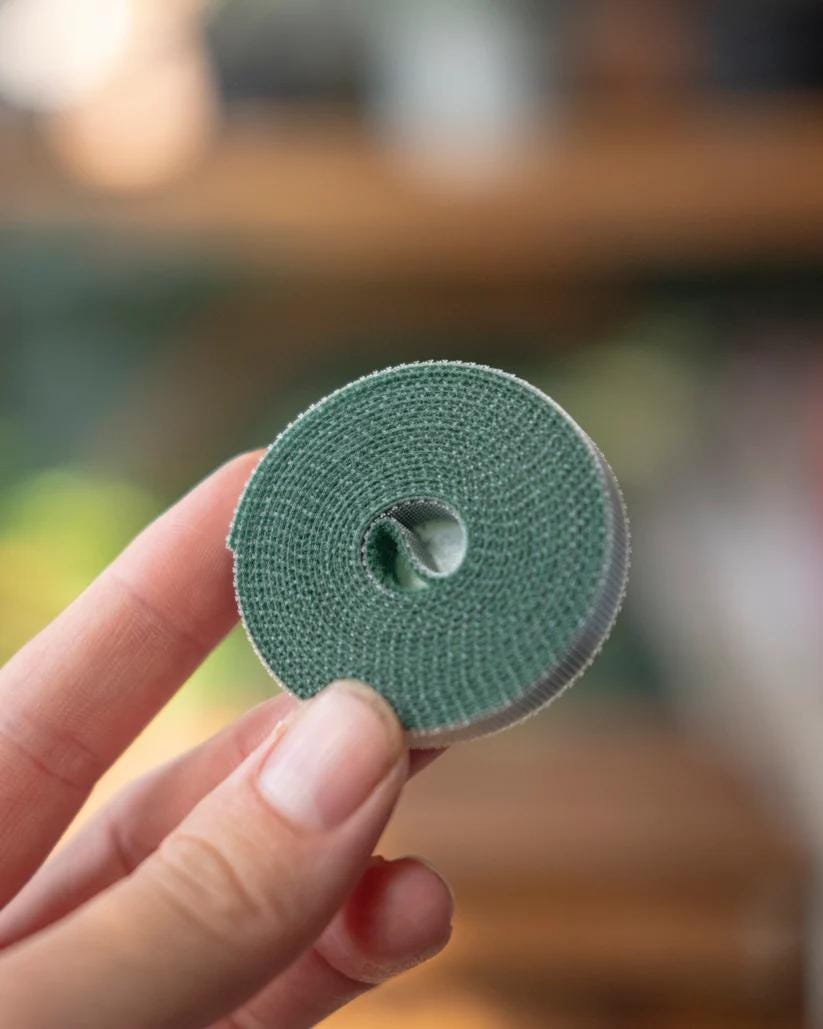
When looking to support climbing plants on moss poles, consider purchasing Velcro strips as they offer a flexible and adjustable solution for securing plants without causing damage. These strips are specifically designed to facilitate the attachment of climbing plants to moss poles efficiently. Here’s why Velcro strips are an excellent choice for your climbing plants:
- Ease of Use: Velcro strips are simple to apply and remove, making them a hassle-free option for attaching your climbing plants to moss poles.
- Adjustable Support: The adjustable nature of Velcro strips allows you to customize the tightness of the attachment as your plant grows, providing continuous support without constricting its growth.
- Reusable and Versatile: Velcro strips can be reused multiple times and are available in various lengths and widths, catering to different plant sizes and types. This versatility ensures you can use them for various climbing plants in your indoor garden.
Care Tips for Poles
To ensure the optimal growth of your climbing plants, carefully consider the placement of your moss pole, aiming to provide adequate support for their vertical development. Remember to regularly water the moss pole to maintain the required moisture levels for healthy plant growth. Additionally, follow a comprehensive maintenance guide to safeguard the longevity and vitality of your houseplants.

Pole Placement Tips
Securely anchoring the moss pole in the soil is essential to provide adequate support for climbing plants. Placing the pole in a well-lit area will encourage your plant to grow towards it, aiding in its natural climbing tendencies. Here are some pole placement tips to ensure the best care for your plants:
- Optimal Lighting: Position the moss pole in a location that receives sufficient natural light to promote healthy growth and attract the plant towards the pole.
- Sturdy Anchoring: Ensure the pole is firmly anchored in the soil to prevent wobbling or instability, providing a secure structure for climbing plants to latch onto.
- Regular Monitoring: Keep an eye on the moisture level of the moss on the pole, as it not only supports the plant but also serves as a source of water. Proper hydration is crucial for the well-being of your climbing plants.
Pole Watering Frequency
Positioning the moss pole in a location with sufficient natural light is crucial for maintaining optimal moisture levels and promoting healthy growth for your climbing plants. When it comes to watering frequency, misting the moss pole once a week is a good practice to help maintain the optimal moisture levels necessary for your plant’s health. It’s important to note that succulents, which prefer dry conditions, are not suitable for moss poles.
To help you better understand the watering needs of your moss pole, take a look at the table below:
| Frequency of Watering | Optimal Moisture Levels | Re-moistening Required? | Suitable Plant Types |
|---|---|---|---|
| Once a week | High | Yes | Climbing plants, ferns |
| Every two weeks | Medium | Occasionally | Philodendrons, Monsteras |
| Once a month | Low | Rarely | Pothos, Spider plants |

Pole Maintenance Guide
Regularly checking your moss pole for pests and signs of dryness is essential to maintaining optimal conditions for your houseplants. To ensure your moss pole is well-maintained, follow these key care tips:
- Inspect for Pests: Regularly examine the moss pole for any signs of pests or infestations. Insects like spider mites or mealybugs can harm your plants if left unchecked. Swift action is crucial to prevent damage.
- Re-Moisten Dry Moss: If the moss on your pole appears dry, re-moisten it promptly. Adequate moisture is essential for the well-being of your houseplants. Ensure the moss remains damp but not waterlogged.
- Utilize a Watering Bottle: Create a DIY watering bottle with holes in the cap for precise watering of the moss pole. This method helps maintain consistent moisture levels, promoting healthy plant growth.
DIY Moss Pole Tutorial
To create a DIY moss pole for your climbing houseplant, start by soaking the moss in water for 15 minutes to encourage aerial root growth. This step is crucial as it helps the plant anchor itself to the pole securely. Once the moss is damp, use string or fishing line to tightly wrap it around the support pole. The moist moss provides a perfect environment for the plant to develop roots that will cling to the pole as it grows. As your plant starts climbing, gently guide its stems around the moss pole to train it upwards. Remember to mist the moss pole regularly to keep it moist, promoting a healthy environment for your plant to thrive. Additionally, when it’s time to repot your plant, consider extending the existing moss pole rather than creating a new one to prevent any damage to the plant’s roots. Following these steps will help you create a sturdy and supportive environment for your climbing plants on moss poles.
Where to Purchase Moss Poles
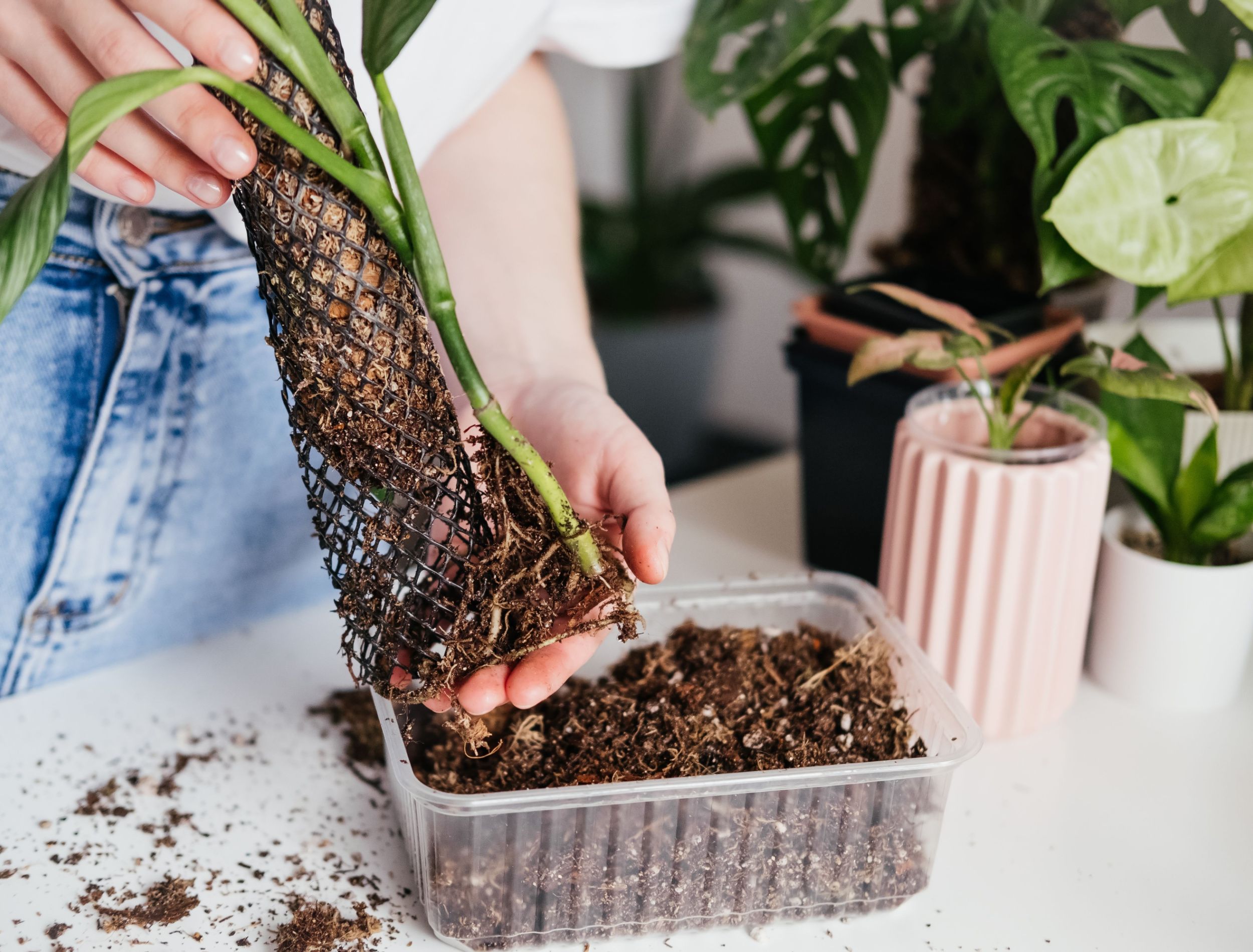
You can easily find moss poles for your climbing houseplants at local garden centers, nurseries, and plant shops. If you prefer the convenience of online shopping, reputable platforms like Amazon, Etsy, and specialty plant websites offer a wide selection of moss poles to cater to your needs. Here are some factors to consider when purchasing moss poles:
- Variety: Explore different styles and sizes of moss poles available at online retailers to find the perfect match for your plant’s requirements.
- Quality: Ensure you are purchasing high-quality moss poles that are durable and sturdy to support your climbing plants effectively.
- Customization: Look for moss poles that come in various lengths and diameters, allowing you to customize the support based on the height and growth pattern of your plant.
Whether you opt for the local convenience of garden centers or the extensive options provided by online retailers, selecting the right moss pole is essential for the health and growth of your climbing houseplants.