

Using gravel as mulch offers low-maintenance weed control, improved drainage, and a neat garden look. It prevents waterlogging, aids plant health, and lasts up to 4 years. Gravel doesn’t decompose, maintaining soil moisture and reducing evaporation. However, it can alter soil pH, require regular maintenance, and raise temperatures. Installation of weed fabric is crucial. Despite higher upfront costs, gravel mulch’s longevity and modern appeal make it a durable choice. Consider factors like cost, maintenance, and aesthetics for the best landscaping choice.
Pros of Gravel Mulch

Gravel mulch offers a low-maintenance solution for weed suppression in your landscaping, significantly reducing the need for constant upkeep. By creating a barrier that inhibits weed growth, gravel mulch not only saves you time but also keeps your garden looking neat and tidy. Additionally, the use of gravel mulch aids in improving drainage within your garden. The permeable nature of gravel allows water to flow through easily, preventing waterlogging and ensuring that your plants receive the proper amount of moisture. This enhanced drainage also helps in preventing issues such as root rot, making it a beneficial choice for plant health. With gravel mulch, you won’t have to worry about constantly battling weeds or dealing with poor drainage, allowing you to enjoy a more aesthetically pleasing and healthy garden environment.
Weed Prevention Benefits
Enhancing your landscape with gravel mulch provides effective weed prevention benefits that minimize maintenance tasks and promote a tidy appearance. Gravel mulch acts as a natural barrier, hindering weed growth and reducing the need for constant weeding or chemical herbicides, making your gardening chores easier. Unlike organic mulches that decompose over time and may require frequent replenishing, gravel mulch is a long-lasting solution for weed prevention in landscaping beds.
| Weed Prevention Benefits of Gravel Mulch | Description |
|---|---|
| Suppresses Weed Growth | Gravel creates a barrier that blocks sunlight, inhibiting weed germination. It effectively reduces weed intrusion. |
| Saves Time and Effort | Less manual weeding and fewer herbicides are needed, cutting down on maintenance tasks. |
| Long-Lasting Solution | Compared to organic mulches, gravel mulch remains effective for an extended period, providing ongoing weed prevention benefits. |
Soil Moisture Retention
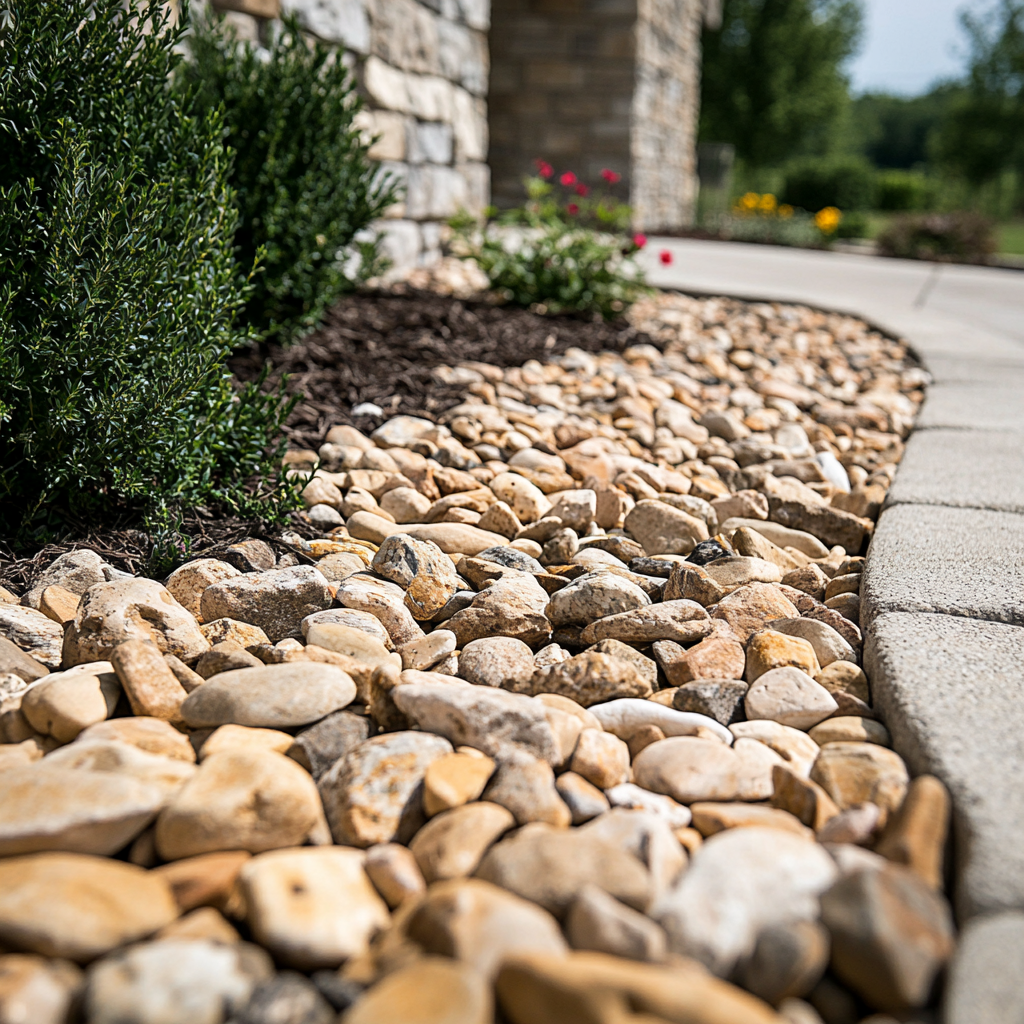
By acting as a protective shield against sun and weather, gravel mulch plays a crucial role in maintaining soil moisture levels. The layer of gravel acts as a barrier that helps to reduce evaporation rates, keeping the soil underneath adequately moist. Unlike organic material that can break down and contribute to moisture loss, gravel mulch remains stable and provides long-lasting protection against drying out. This stability enhances soil moisture retention, ensuring your plants have a consistent water supply. Additionally, gravel mulch prevents weeds from absorbing moisture meant for your plants, further aiding in maintaining the soil’s moisture content. By incorporating gravel mulch into your landscaping, you not only benefit from its decorative and functional aspects but also from its ability to improve soil health through proper soil moisture retention. So, consider gravel mulch as a reliable option to keep your soil adequately moist and your plants thriving.
Longevity of Gravel
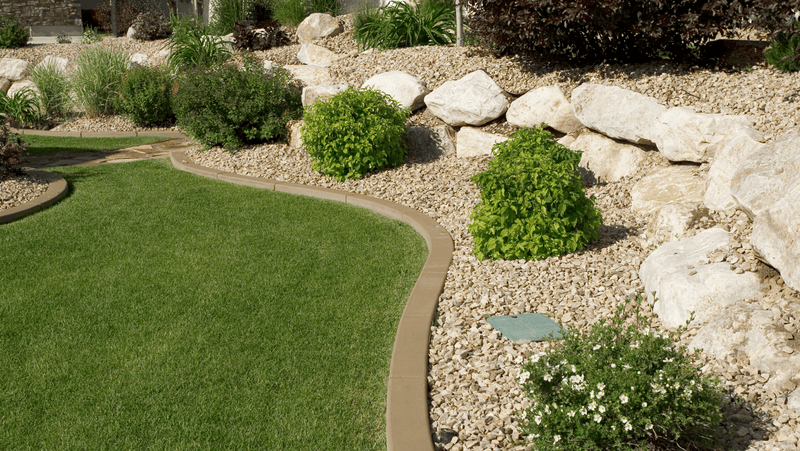
As you consider the benefits of gravel mulch for soil moisture retention, it’s important to highlight the impressive longevity of gravel as a landscaping option. Here’s why gravel stands out in terms of longevity:
- Durability: Gravel mulch can last up to 4 years without needing replacement, making it a long-lasting option compared to traditional organic mulches.
- Non-decomposing: Unlike organic mulch that decomposes over time, gravel does not break down, contributing significantly to its longevity.
- Cost-Effectiveness: The durable nature of gravel makes it a cost-effective choice in the long run, as it requires less frequent reapplication and maintenance.
- Low Maintenance: With gravel mulch, you’ll enjoy the benefit of needing less frequent reapplication and maintenance, thanks to its ability to withstand the elements and maintain its appearance for an extended period.
Gravel mulch’s lasting nature not only saves you time and effort but also ensures a consistent and attractive landscape for years to come.
Cons of Gravel Mulch

Gravel mulch, although beneficial in many aspects, presents several drawbacks that should be carefully considered before incorporating it into your landscaping. One significant issue is soil erosion. The gaps between gravel stones can allow water to flow quickly over the soil, potentially causing erosion and washing away important nutrients. Furthermore, weed seeds can find their way into the soil that accumulates between the gravel, leading to weed growth that can be challenging to control.
Another downside to using gravel mulch is the alteration of soil pH. The acidity of the gravel can change the pH of the soil beneath it, which may not be suitable for all plants. Additionally, the heat retention properties of gravel mulch can raise soil temperatures, putting stress on plants that prefer cooler conditions.
Regular maintenance is also a key concern with gravel mulch. Cleaning is necessary to keep the mulch looking tidy, which can be a time-consuming task. Finally, if you ever need to remove the gravel mulch, be prepared for a labor-intensive process, especially if individual stones need to be extracted.
Initial Cost Considerations
Considering the initial cost of using gravel as mulch, it’s important to understand the financial investment required for this landscaping option. When deliberating on the initial expenses, keep in mind the following points:
- Higher Initial Cost: Gravel mulch tends to be pricier upfront compared to traditional organic mulch options due to the material’s cost.
- Large Upfront Investment: The initial expense of gravel mulch may require a larger investment, but this is balanced by its long-lasting nature and minimal maintenance needs.
- Long-Term Cost-Effectiveness: Although gravel mulch may seem more expensive initially, it can be a cost-effective choice in the long run due to its durability and low-maintenance characteristics.
- Investment in Durability: View the initial cost of gravel mulch as an investment in a durable and low-maintenance landscaping solution that will pay off over time.
Understanding these cost considerations can help you make an informed decision when choosing gravel as mulch for your landscaping needs.
Maintenance Challenges
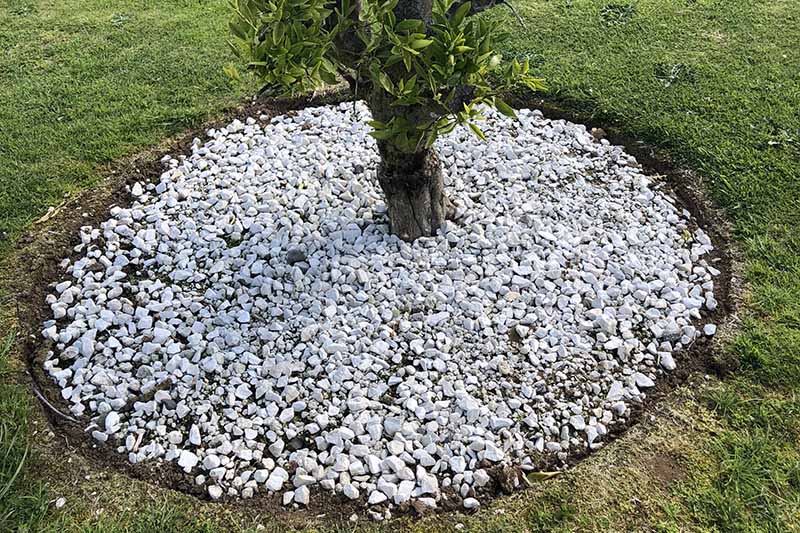
To effectively maintain gravel mulch landscaping, it is essential to address specific challenges that come with this durable and low-maintenance option. While gravel mulch requires less maintenance than organic mulch, it still needs regular attention to keep it looking its best. One of the main tasks is blowing out debris and seedlings that may settle on the gravel surface, detracting from its clean appearance. Additionally, to keep weeds away and maintain a pristine landscape, installing weed fabric underneath the gravel is crucial. This barrier helps prevent weed growth, reducing the need for constant weeding and ensuring a more polished look overall.
Despite gravel mulch having a higher upfront cost, its minimal upkeep over time makes it a cost-effective choice. With less frequent reapplication needed compared to organic mulch, gravel mulch proves to be a durable and long-lasting option for landscaping. By staying on top of maintenance tasks and implementing preventive measures like weed fabric, you can enjoy the benefits of gravel mulch with minimal effort in the long run.
Aesthetics and Landscaping Appeal

Addressing the visual aspects of your landscaping, the use of gravel mulch offers a modern and sleek aesthetic appeal that can elevate the overall look of your outdoor space. Here’s why gravel mulch can enhance the aesthetics and landscaping appeal of your garden:
- Modern and Contemporary Look: Gravel mulch brings a touch of modernity to your landscape design, creating a clean and sophisticated appearance.
- Variety of Colors and Sizes: With a range of colors and sizes available, gravel mulch allows you to customize and enhance the visual appeal of your outdoor space.
- Sleek and Clean Appearance: The texture and shine of gravel can provide a sleek and tidy look to garden beds and pathways, making them visually appealing.
- Versatile and Unique: Gravel mulch is a versatile option that can complement various architectural styles and themes in landscaping, adding a unique visual interest to your outdoor design.
In addition to its aesthetic benefits, gravel mulch can also help regulate soil temperature, making it a functional and stylish choice for your landscaping needs.
Weed Fabric Installation
When considering weed fabric installation under gravel mulch, you are taking a proactive step in preventing weed growth by creating a barrier that obstructs sunlight and hinders seed germination. Properly laying down the fabric not only reduces the need for frequent weeding but also contributes to the overall visual appeal of your landscaping. Investing time and effort in this crucial step can lead to long-term savings on maintenance costs and the time spent battling unwanted plants.

Weed Fabric Benefits
Enhance your gravel mulch’s effectiveness by installing weed fabric underneath to combat weed growth and promote a low-maintenance landscape solution. Here are the benefits of using weed fabric with gravel mulch:
- Weed Prevention: Weed fabric acts as a barrier, blocking sunlight from reaching weed seeds and preventing them from germinating, thereby reducing weed growth in your garden beds.
- Soil Health Maintenance: Despite inhibiting weed growth, the weed fabric allows water, air, and essential nutrients to penetrate the soil, ensuring the health of your plants while keeping invasive weeds at bay.
- Time and Effort Savings: By reducing the need for herbicides and manual weeding, weed fabric helps you save time and effort on maintenance, providing a more convenient landscaping solution.
- Long-Term Durability: Properly installed weed fabric helps gravel mulch stay in place, preventing it from sinking into the soil over time, and offering long-term weed control for a cleaner and more low-maintenance landscape.
Proper Installation Tips
For effective weed control and long-term maintenance benefits, ensure proper installation of weed fabric under gravel by following these essential tips. Start by clearing the area of any existing vegetation and debris. Next, install the weed fabric by laying it down smoothly over the soil, ensuring there are no gaps or overlaps where weeds could penetrate. Secure the fabric in place using landscape staples or pins to prevent shifting. Consider using a heavier-duty weed fabric for better long-term weed suppression. Once the weed fabric is securely in place, spread the gravel evenly over the fabric, making sure it is at least 2-3 inches thick for optimal weed prevention. The weed fabric allows water and nutrients to pass through to the soil while blocking sunlight essential for weed growth. Proper installation of weed fabric under gravel not only reduces maintenance needs but also helps maintain the aesthetics of your landscaping by preventing weed growth.
Debris Management

To maintain the cleanliness and effectiveness of gravel mulch in landscaping, proper debris management is essential. Here are some key points to consider for effective debris management:
- Regular Cleaning: Removing debris like fallen leaves, twigs, and other organic matter helps prevent weed growth and maintains the neat appearance of gravel mulch.
- Preventing Seed Germination: Debris management is crucial in preventing seeds from germinating and competing with your desired plants for nutrients and space.
- Longevity and Aesthetic Appeal: By consistently managing debris, you ensure the longevity and effectiveness of gravel mulch while preserving its aesthetic appeal in outdoor spaces.
- Quality Preservation: Adequate debris removal prevents the accumulation of organic matter that can degrade the quality and appearance of gravel mulch over time.
Gravel Vs. Traditional Mulch
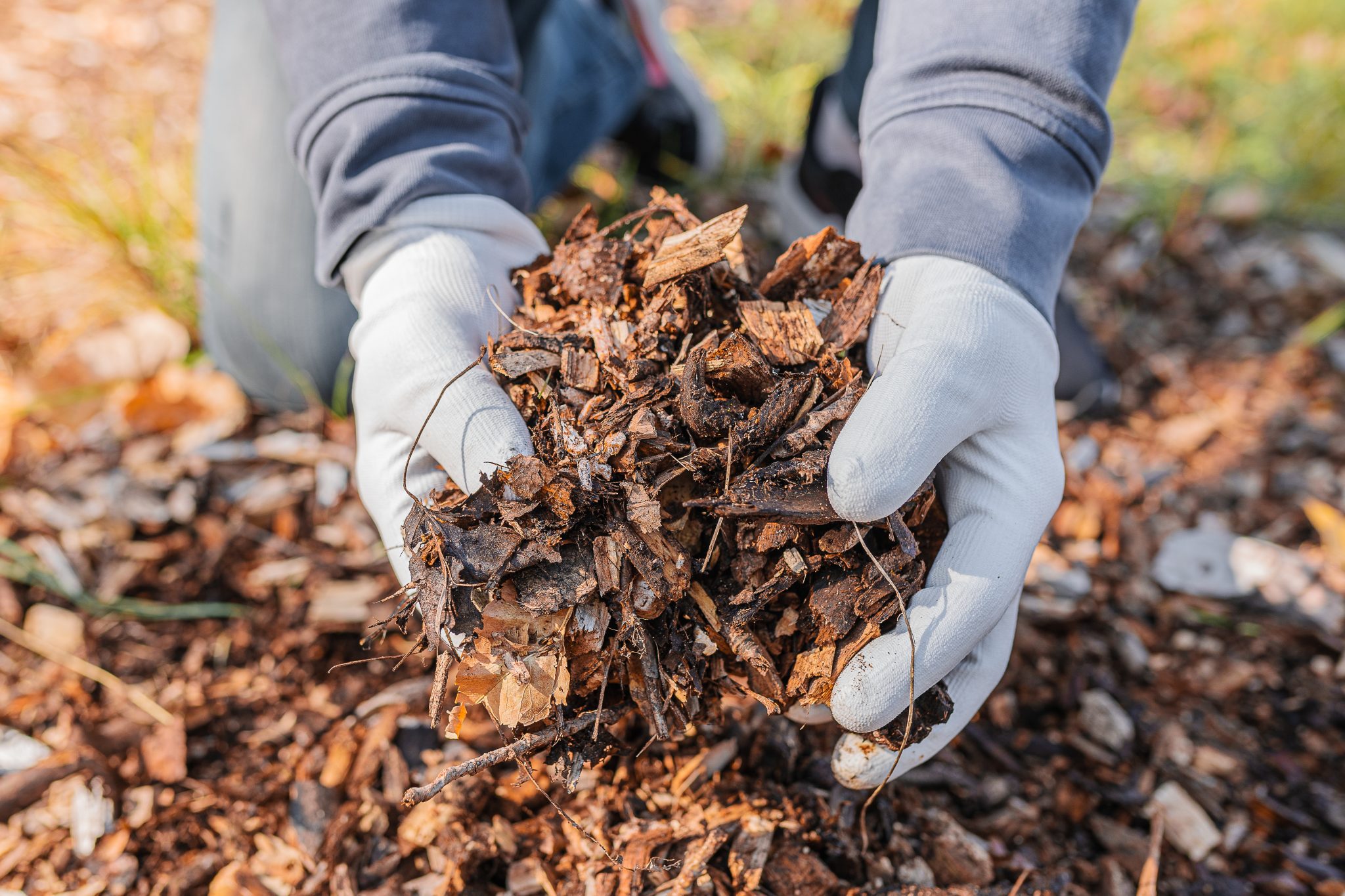
When comparing gravel mulch to traditional mulch options, the durability and longevity of gravel stand out as significant advantages. Gravel is a powerhouse at suppressing weeds in your landscaping, offering a low-maintenance solution that traditional wood chips struggle to match. Unlike wood chips that decompose over time, requiring annual replacement, gravel mulch is a one-time investment that lasts for years, making it a cost-effective choice. Its non-organic nature means it doesn’t break down, providing long-lasting coverage without the need for frequent replenishment. Furthermore, gravel mulch’s unbeatable durability ensures it can withstand harsh weather conditions and high foot traffic areas better than traditional mulch options. Additionally, gravel mulch offers a unique aesthetic, adding a modern touch to your outdoor space that sets it apart from the more common wood chip mulches. Overall, when considering gravel versus traditional mulch, gravel emerges as a superior choice in terms of longevity, durability, and weed control.
Factors Influencing Choice
When choosing between gravel and traditional mulch, consider the impact of cost, aesthetics, and maintenance. Your budget will dictate whether gravel or organic mulch is the more cost-effective option for your landscaping project. Think about the desired look and feel of your garden, as well as the level of upkeep you are willing to commit to for weed control and overall maintenance.
Cost Considerations
Considering the various factors that influence the choice of using gravel as mulch, cost plays a significant role in determining its overall appeal. Here are some cost considerations to keep in mind:
- Initial Cost: Gravel mulch may be more expensive upfront than organic mulch options, but its longevity can balance out this cost over time.
- Longevity: The durability of gravel mulch means you’ll need to replace it less often, potentially saving you money in the long run.
- Size, Color, and Type: The cost of gravel mulch can vary based on factors like the size, color, and type chosen, offering flexibility in your budget.
- Weed Barrier Fabric: While adding to the initial cost, using a weed barrier fabric with gravel mulch can reduce maintenance needs, making it a cost-effective choice.
Considering these factors, while gravel mulch may seem pricier at first, its durability and low maintenance requirements can make it a cost-effective landscaping option in the long term.
Aesthetic Preferences
A crucial aspect to consider when selecting between gravel and traditional mulch for landscaping is the influence of aesthetic preferences on your decision-making process. Your aesthetic preferences greatly impact the overall look and feel of your outdoor space. Gravel mulch offers a modern and contemporary appearance, while traditional mulch provides a more natural and rustic look. The color, texture, and size of gravel can significantly affect the aesthetic appeal of your landscape design. Some homeowners prefer the clean and minimalist look of gravel, while others appreciate the organic feel of traditional mulch. When deciding between gravel and traditional mulch, consider the architectural style of your home and your personal design preferences.
| Aesthetic Preferences | Gravel | Traditional Mulch |
|---|---|---|
| Appearance | Modern, Contemporary | Natural, Rustic |
| Color | Varied options | Limited color choices |
| Texture | Smooth, Uniform | Organic, Earthy |
| Size | Options from fine to large | Generally uniform in size |
| Home Style Match | Fits well with modern architecture | Complements traditional-style homes |
Maintenance Requirements
Maintaining gravel mulch involves fewer tasks compared to traditional organic mulch, making it a practical choice for those seeking a low-maintenance landscaping option. Here are some key maintenance requirements to consider when using gravel as mulch:
- Weed Prevention: To keep weeds at bay, using a weed fabric or barrier underneath the gravel is crucial. This helps in reducing weed growth and minimizes the need for constant weeding.
- Debris Removal: Occasionally, you may need to blow out debris and seedlings that accumulate on the gravel surface. This simple task helps in maintaining the neat appearance of the mulch.
- No Reapplication Needed: Unlike organic mulches that decompose over time and require regular reapplication, gravel mulch does not need frequent refreshing. This saves you time and effort in the long run.
- Climate and Budget Considerations: Factors like your local climate, budget constraints, and desired aesthetics also influence the choice of gravel mulch for its low maintenance requirements and ability to deter weed growth effectively.