
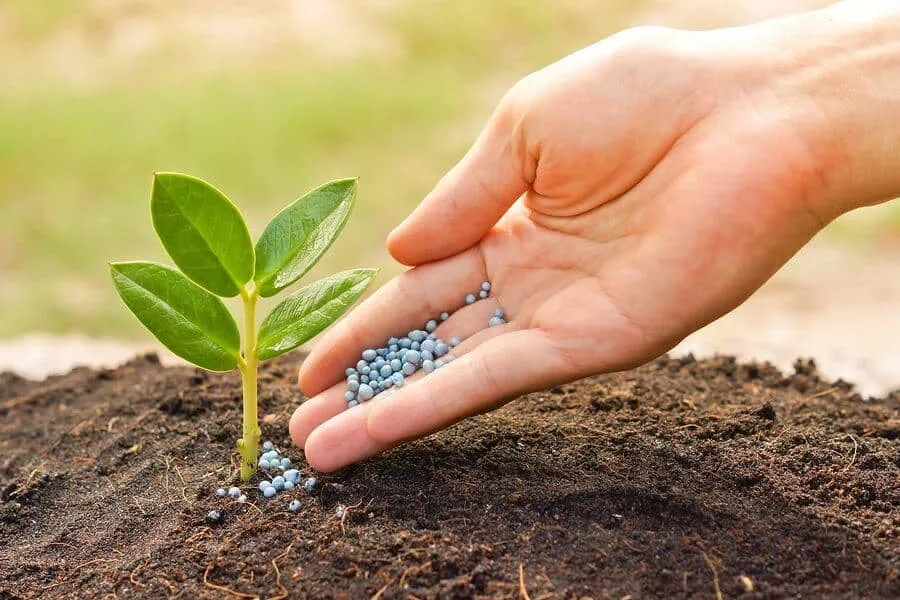
If you’re a gardening enthusiast, or a professional farmer, understanding granular fertilizer is key to healthier plants and higher yields. In this article, we’ll delve into the subject of Understanding Granular Fertilizer: Benefits, Types and Best Practices, arming you with all the vital knowledge needed to elevate your green thumb game!
The essence of plant health lies in the soil they grow upon. It’s critical for gardeners and farmers alike to understand that granular fertilizer plays an integral role in enriching that soil. These tiny nutrient-packed pellets offer numerous benefits; not only do they contain essential elements required by plants but their slow-release property ensures sustained nourishment over time. They come in different types – organic or synthetic based on formulation, slow-release or fast acting according to release speed – each designed with unique advantages catering specific agricultural needs.
Approaching fertilization strategically can tremendously boost your crop productivity while minimizing environment impact. Knowing when and how much granular fertilizer to apply is as important as selecting the right type for your crops or plants. Seasonality plays a crucial role – opting for spring application rejuvenates dormant winter-soil while fall application preps it up for hardy winter crops like garlic and shallots. Spread them evenly across the field but beware not to overdose; excessive nutrients may cause harmful runoff polluting nearby water bodies! From identifying correct dosage through soil testing, choosing ideal spreader equipment like rotary spreaders or drop spreaders till deciphering product labels indicating N-P-K ratio (ratio of Nitrogen-Phosphorus-Potassium), adopting best practices can greatly enhance effectiveness of these little powerhouses known as ‘granular fertilizers’.
So, Understanding Granular Fertilizer: Benefits, Types, and Best Practices
Understanding Granular Fertilizer: Benefits, Types, and Best Practices
Granular fertilizer is a type of plant nutrient that comes in small, solid pellets or granules. It is commonly used in agriculture and gardening to provide essential nutrients to plants for optimal growth and health. This type of fertilizer offers several benefits over other forms, such as liquid or organic fertilizers.
Firstly, granular fertilizer has a slow-release formula, meaning that it releases nutrients gradually over time rather than all at once. This allows for better absorption by the plants and reduces the risk of burning them with excessive amounts of nutrients. Additionally, this slow-release feature also means less frequent applications are needed, making it more convenient for farmers and gardeners.
Another benefit of granular fertilizer is its versatility. It can be applied to various types of soils and crops without causing any damage or imbalance in nutrient levels. This makes it suitable for use on large-scale farms as well as home gardens.
There are different types of granular fertilizers available on the market, each with their own unique blend of nutrients tailored to specific plant needs. For example, there are nitrogen-based fertilizers which promote leafy growth; phosphorus-based ones that aid in root development; and potassium-rich fertilizers that enhance fruiting and flowering.
To get the most out of granular fertilizer application, proper timing and placement are crucial factors to consider. Generally, it should be applied before planting or during early stages of growth when roots start developing. The pellets should be placed near the root zone but not directly touching them to avoid potential burn injuries.
In conclusion, understanding the benefits, types,and best practices associated with using granular fertilizer can greatly improve crop yields and overall plant health. Its slow-release formula ensures efficient nutrient uptake while its versatility makes it suitable for various soil conditions and crops. By following recommended application techniques,it can effectively support plant growth without causing harm or imbalances in nutrient levels.
The Nutritional Power of Granular Fertilizer: Essential Elements for Plant Health
Unlocking the Nutritional Power of Granular Fertilizer
Think about a time you felt really hungry. What if someone offered you food, but it was something too hard for your stomach to digest? You might still feel famished and weak because your body couldn’t break down and absorb the nutrients from that tough-to-digest food. Similarly, plants can struggle to extract essentials from soil without a little help. That’s where granular fertilizer steps in as their ‘easy-to-digest meal.’ It acts like a concierge service that delivers essential elements right at the roots’ doorstep.
A Closer Look at What Makes Up Granular Fertilizer
Granular fertilizers are composed of tiny particles or grains packed with nourishment that plant roots can easily access. They’re stuffed full of three crucial ingredients:
- Nitrogen: vital for leaf growth and color,
- Phosphorus: necessary for flower blooming, fruit production, and root health,
- Potassium: boosts overall plant strength.
And these aren’t all! These magic grains may possess other minerals based on what specific plants need – From calcium promoting cell wall strength to iron enhancing greenness in leaves.
The Mighty Impact of Granular Fertilizers on Plant Health
So why should we give two hoots about granular fertilizers? Well, imagine stepping outside one sunny morning into an explosion of vibrant colors; crisp emerald leaves dancing under dappled rays, fiery orange lilies bobbing their heads hello, juicy red tomatoes winking cheekily from vine-laden pergolas! All this lush spectacle is thanks – largely – to our unsung hero: granular fertilizer.
Employing them ensures each plant gets its quota of nutrients since these life-giving particles break down slowly and continuously feed them. Meaning we get to enjoy healthier plants, prettier gardens, and a bountiful harvest of fruits and veggies! So yes, granular fertilizers sure does pack some formidable nutritional punch for plant health.
Distinguishing Types of Granular Fertilizers: Organic Versus Synthetic, Slow-Release and Fast Acting
Organic versus Synthetic
Can you picture a flourishing garden? Bright, luscious green leaves swaying in the gentle breeze, vibrant blooms of color catching your eye. A vital ingredient to such a lush landscape is fertilizer. Yet not all fertilizers are created equal. There are organic and synthetic types, both with their own sets of benefits.
- Organic granular fertilizers: These babies are made from natural material like plant or animal waste; think composted manure, bone meal or alfalfa meal! When these slowly decompose, they feed your plants steadily and improve the condition of your soil at the same time.
- Synthetic granular fertilizers: They’re concocted in labs using chemical processes. Why use them then? Well, they provide an instant nutrient boost to plants that may be lacking certain elements quickly.
Slow-Release versus Fast Acting
Just as there’s no one-size-fits-all shirt, there isn’t a single best type of fertilizer for every situation either. You have slow-release and fast-acting options depending on what your green friends require.
- A slow-release granular fertilizer, whether organic or synthetic can nurture a plant over weeks or even months! It gives out nutrients bit by bit making it great for long-term gardening projects.
- If you’ve got some poor looking greens that need immediate help though, opt for an fast-acting granular fertilizer. This gets digested quicker providing rapid results!
The variety between organic and synthetic, slow-release and fast acting mean there’s always a perfect match waiting on the shelf for any kind of gardening project you have in mind! So arm yourself with this knowledge and let’s grow some plants.
Read also: Understanding Soil Sample Probe: A Key Tool for Soil Testing
Strategic Application Techniques: Seasonality and Dosage Determination in Granular Fertilizer Use
When it comes to using granular fertilizer, understanding seasonality and dosage is key to achieving optimal results for your plants. Seasonality plays a crucial role in determining when to apply fertilizer, as different plants have varying nutrient requirements throughout the year. For example, during the growing season in spring and summer, plants may need more nitrogen for leafy growth, while phosphorus is essential for root development in fall and winter.
Dosage determination is another important factor to consider when using granular fertilizer. Applying too much can lead to nutrient imbalances or burn your plants, while applying too little may not provide enough nutrients for healthy growth. It’s important to follow the instructions on the fertilizer label carefully and adjust based on specific plant needs.
To ensure proper application of granular fertilizer, consider utilizing a spreader for even distribution across your garden or lawn. This will help avoid over- or under-application of nutrients and ensure that each plant receives the necessary amount of fertilization. Additionally, regular soil testing can help you determine which nutrients are lacking in your soil so you can adjust your fertilization plan accordingly.
In conclusion, strategic application techniques such as considering seasonality and determining proper dosage are essential for successful use of granular fertilizer in gardening or landscaping projects. By following these guidelines and staying attentive to plant needs, you’ll be able to promote healthy growth and vibrant blooms all year round.
Ensuring Effective Usage: Choosing the Right Equipment and Understanding N-P-K Ratios.
When it comes to ensuring effective usage of fertilizers in your garden, choosing the right equipment is key. Having the proper tools for application can make a world of difference in how well your plants respond to the nutrients you provide them. Whether it’s a handheld spreader for small areas or a broadcast spreader for larger spaces, using the right equipment ensures even distribution and maximum coverage.
Understanding N-P-K ratios is another crucial aspect of effective fertilizer usage. The three numbers on a fertilizer bag represent the percentage of nitrogen (N), phosphorus (P), and potassium (K) in that particular mixture. Each nutrient plays a different role in plant growth – nitrogen promotes leafy green growth, phosphorus encourages root development, and potassium helps with overall plant health and disease resistance. By understanding these ratios, you can choose the right fertilizer blend to meet your specific gardening needs.
Taking the time to research and select the appropriate equipment for applying fertilizers, as well as grasping the significance of N-P-K ratios, will go a long way towards achieving successful results in your garden. By investing in quality tools and knowledge about nutrient composition, you can ensure that your plants receive exactly what they need to thrive and flourish throughout each growing season.