
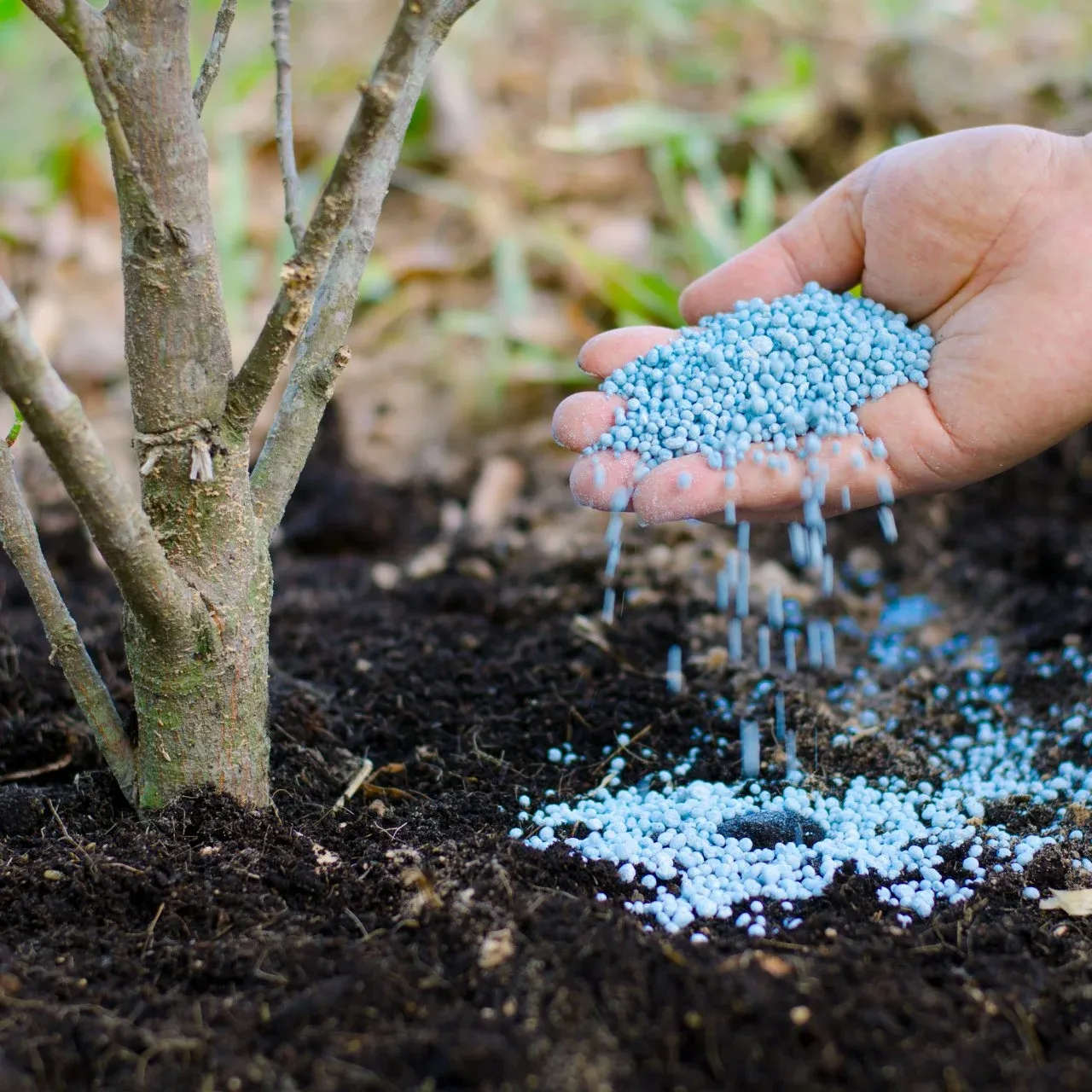
Welcome to the wonderful world of soil tilling! If you’re looking to create a thriving garden or maintain healthy crops, understanding the ins and outs of tilling is essential. From breaking up compacted soil to improving drainage and aeration, proper tilling techniques can make all the difference in your gardening success.
First and foremost, it’s crucial to understand the purpose behind tilling. By loosening the soil, you allow plant roots to penetrate more easily, access nutrients more readily, and grow stronger overall. Additionally, tilling helps control weeds by disrupting their growth cycle and making it easier to remove them. **Soil tilling** also promotes better water retention in sandy soils while preventing waterlogging in clay soils. Follow these simple tips for successful soil tilling:
– Choose the right time for tilling
– Use appropriate tools for your specific needs
– Avoid over-tilling which can damage beneficial microorganisms
– Consider incorporating organic matter like compost for added nutrients
With these essentials in mind, you’ll be well on your way to cultivating a vibrant and productive garden that will yield bountiful harvests season after season. So grab your shovel or tiller and get ready to dive into the fascinating world of soil preparation!
So, The Essentials of Tilling Soil: A Comprehensive Guide
The Essentials of Tilling Soil: A Comprehensive Guide
Tilling soil is an essential step in preparing a garden or farm for planting. It involves breaking up and loosening the soil to create a better environment for plant roots to grow and absorb nutrients.
The first thing to consider when tilling soil is the type of tool you will use. There are various options, such as hand tools like shovels or rakes, or motorized tillers that can make the job easier and faster. Ultimately, your choice will depend on the size of your plot and personal preference.
Before starting, it’s important to remove any large rocks, debris, or weeds from the area. These can hinder proper tilling and affect plant growth later on. Once cleared, begin by making passes over the entire area with your chosen tool, working in one direction at a time.
When tilling larger areas with a motorized tiller, it’s best to work in rows rather than trying to cover too much ground at once. This allows for more control and ensures all areas are evenly tilled.
As you work through each row or section of land, be sure not to go too deep into the soil. Tilling should only reach about 8-10 inches deep as going deeper can disturb beneficial microorganisms living closer to the surface.
Once finished tilling, rake over the area lightly to smooth out any clumps of dirt and level out bumps in preparation for planting.
It’s also important not to over-till your soil as this can lead to compacted layers that prevent proper drainage and air circulation within the soil – both crucial factors for healthy plant growth.
In conclusion, properly tilled soil provides an ideal foundation for plants by creating space for root development and improving nutrient absorption capabilities. With these essentials in mind – choosing appropriate tools, clearing debris beforehand,and avoiding excessive depth – you’ll be well on your way towards cultivating a successful garden or farm plot.
Choosing the Perfect Time to Till Soil
Knowing When to Pick Up Your Tiller
Tilling your garden soil is like opening a fresh page in a book, preparing it for new chapters of blossoming flowers or bountiful vegetables. However, choosing the perfect time to till soil isn’t as straightforward as it seems. It’s akin to reading nature’s mood and picking the right moment when she is most receptive.
A Few Signs Nature Gives Us
- Rainfall: Wait for a good rainfall before you reach out for your tiller. The water softens the otherwise hard packed earth making it easy to work with.
- Temperature: Pay close attention to ground temperature. If too cold, wait until spring warms up your garden over several days at least 60-degree Fahrenheit temperatures are required.
- Dryness: Remember not all dry spells are bad; if you catch just after rain has stopped but before the surface crusts over, that’s a great time.
Mother Nature Knows Best!
In conclusion, let Mother Nature guide you on when is best to till soil in your backyard Eden. Listen closely and heed her signs: check how wet or dry, warm or cold the earth feels underfoot; see if plants are showing signs of growth yet; watch out for any unexpected frost warnings on weather forecasts too! No matter what tools we use – be they state-of-the-art tilling machines or simple handheld ones – ultimately it’s about going along with natures’ rhythm and knowing exactly when she says “now.”
Appropriate Tools and Techniques for Effective Tilling
Tilling the soil is a crucial step in preparing your garden for planting. The right tools and techniques can make this task easier, more efficient, and ultimately more successful. Tools such as tillers, garden forks, spades, and hoes are traditionally used to break up the compacted ground before sowing any seed or plant. A tiller is arguably the most suitable tool for larger areas; it churns the soil into fine particles that allow roots to spread easily.
A garden fork, on the other hand, might be a better choice for smaller gardens or those with rockier terrain. This tool pierces into even hard-packed soil, loosens it effectively without causing undue strain to your back muscles. A sturdy spade comes handy when you need to dig deeper into dense clay soils.
When using these tools ensure you’re adopting correct techniques.
- Tilling Depth: Ideally aim for 8-10 inches deep tilling – this depth promotes root growth.
- Maintaining Balance: Uneven tilling could lead to water pooling in lower spots damaging crop roots – Always attempt even tilled surface.
- Avoid Over-tilling: Tilling too often can strip away beneficial organisms from the soil & ruin its structure – Be mindful about how frequently you do it.
Remember proper equipment coupled with correct methods will set strong foundation towards an abundant harvest!
Read also: Potting Mix vs. Potting Soil: What You Need to Know
The Consequences of Over-Tilling and Ways to Avoid It
Over-tilling may seem like a harmless activity, but the consequences can be quite detrimental to the soil and overall ecosystem. When soil is over-tilled, it disrupts the natural balance of nutrients and microorganisms within the ground. This can lead to erosion, loss of fertility, and decreased water retention in the soil. In turn, this can affect crop yields and harm surrounding plant and animal life.
To avoid these negative consequences, there are several ways farmers and gardeners can practice sustainable tilling techniques. One method is called no-till farming, where instead of tilling the soil before planting crops, farmers leave it undisturbed or use minimal disturbance methods. This helps maintain soil structure and promotes healthier soil ecosystems by preserving beneficial microbes.
Another way to avoid over-tilling is through rotational cropping systems. By alternating different types of crops each season, farmers can reduce continuous tilling on one plot of land. This allows for better nutrient distribution in the soil and prevents depletion of specific nutrients that certain crops may require more of than others. Additionally, incorporating cover crops into rotation plans can help prevent erosion while improving overall soil health by adding organic matter back into the ground.
In conclusion, understanding the consequences of over-tilling is crucial for promoting sustainable agricultural practices. By implementing techniques such as no-till farming and rotational cropping systems, we can protect our soils from degradation while ensuring long-term productivity for future generations.
Incorporating Organic Matter: The Secret to Nutrient-Rich Soil
When it comes to creating nutrient-rich soil for your plants, incorporating organic matter is key. Organic matter consists of decaying plant and animal materials that provide essential nutrients to the soil, allowing plants to thrive. By adding compost, manure, or other organic materials to your soil, you are enriching it with valuable nutrients that will promote healthy plant growth.
One way to incorporate organic matter into your soil is by using compost. Compost is made up of decomposed organic material such as kitchen scraps, yard waste, and leaves. When you add compost to your soil, you are not only providing essential nutrients but also improving its structure and water retention capabilities. This creates a fertile environment for plants to grow and flourish.
Another method of incorporating organic matter into your soil is by using manure. Animal manure contains a variety of nutrients that are beneficial for plant growth, including nitrogen, phosphorus, and potassium. By adding manure to your soil, you are replenishing these vital nutrients and promoting healthy root development in your plants. Additionally, manure helps improve the overall health of the soil by increasing microbial activity and enhancing its ability to retain moisture.
Incorporating organic matter into your soil is a simple yet effective way to create nutrient-rich conditions for your plants to thrive in. Whether you choose to use compost or manure, adding these natural materials will help promote healthy plant growth and yield bountiful harvests in your garden or landscape. So don’t underestimate the power of organic matter when it comes to nourishing your soil – your plants will thank you!