
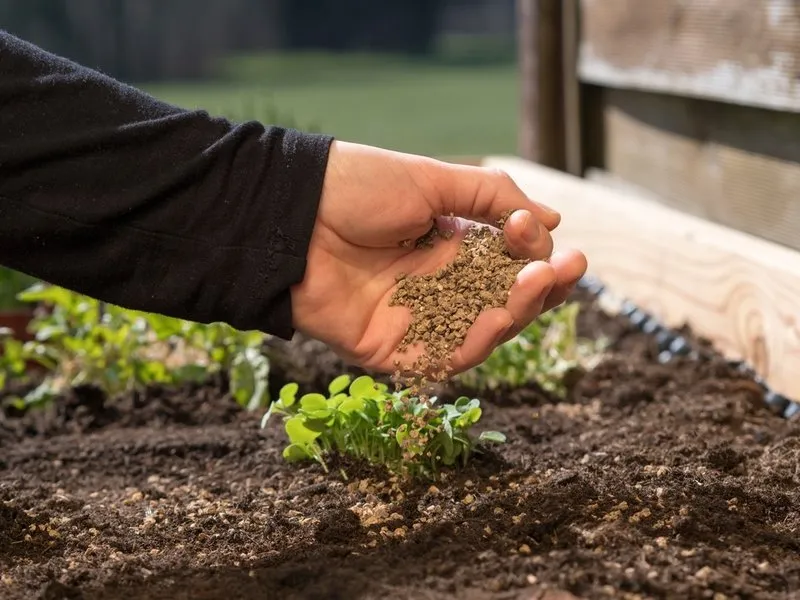
Starter Fertilizer: A Beginner’s Guide to Healthy Plants is your go-to guide for entering the world of successful gardening. Learn how to nourish your plants from the get-go, giving them a strong start. Understanding starter fertilizer can make all the difference in nurturing robust and resilient greenery right from day one.
The essence of correctly using starter fertilizer lies in its timing and application. This unique formula is designed to provide young plants with optimal nutrition at their most vulnerable stage – immediately after planting.
- The key nutrients in starter fertilizers such as phosphorus, nitrogen and potassium act like a welcome feast for new seedlings.
- The carefully measured proportions are intended to kick-start growth by supporting root development, leaf production and energy storage.
Success with fertilizer, especially for beginners, comes when you understand your plant’s needs based on its type and stage of growth.
- Succulents require less frequent feedings compared to tomatoes which thrive on regular nourishment.
- Younger plants need more phosphorous for root establishment while mature ones might require additional potassium for fruit or flower production.
Your journey towards healthy thriving plants begins here!
So, Starter Fertilizer: A Beginner’s Guide to Healthy Plants
Starter Fertilizer: A Beginner’s Guide to Healthy Plants
Starter fertilizer is a nutrient-rich substance that helps young plants establish strong roots and promote healthy growth. It is usually applied to the soil before or during planting, providing essential nutrients such as nitrogen, phosphorus, and potassium.
One of the main benefits of using starter fertilizer is its ability to give young plants a head start in their growth journey. By providing an extra boost of nutrients right at the beginning, these fertilizers help plants develop stronger root systems which in turn leads to healthier overall growth.
Another advantage of using starter fertilizer is its role in improving soil quality. As the plant grows and absorbs the nutrients from the fertilizer, it also helps improve the structure and fertility of the soil. This creates a better environment for plant growth and can lead to higher yields in crops.
It’s important to note that not all plants require starter fertilizer. Some may already have enough nutrients in their surrounding soil or may be sensitive to certain types of fertilizers. It’s always best to do some research on your specific plant species before deciding whether or not to use starter fertilizer.
In conclusion, incorporating starter fertilizer into your gardening routine can greatly benefit your young plants by promoting strong root development and improving overall soil health. Just remember to choose a suitable type for your specific plants and follow application instructions carefully for best results. Happy growing!
Creating the Perfect Environment: Soil Preparation for Starter Fertilizer
Step One: Laying the Foundation
In crafting a flourishing garden, soil preparation holds paramount importance. To create an ideal foundation for your starter fertilizer, you need to first focus diligently on your soil’s health. Remember that each type of plant demands its specific kind of nourishment and care. Before applying any fertilizers or other treatments, execute a thorough check on your land.
Identify the texture by rubbing some between your fingers – silty, sandy or clay? What’s the color like? Dark soils often indicate richness in nutrients while lighter ones might necessitate more attention and replenishment.
Step Two: Revitalizing Your Soil
Following this initial investigation, it’s time to infuse energy back into tired soil with organic matter like composted leaves or aged manure. These natural wonders work double duty – they not only enhance the nutrient content but also improve drainage and moisture retention capacity.
- Rake in a generous layer about two inches thick across your plot.
- Fork it into the top four inches of existing earth.
Take note here though; avoid adding fresh manure as it can singe tender roots due to its high levels of nitrogen.
Step Three: Welcoming Starter Fertilizer
With these steps completed meticulously, reach out for that bag of starter fertilizer you’ve been eager to use! This vital addition will seal all gaps in nutrition that even well-composted soil might have missed out on.
Distribute granules evenly over prepared ground before planting seeds or seedlings; water generously afterwards so nutrients permeate deep down fostering strong root development from day one! Now sit back, observe nature unfold her magic as her green sprouts pierce through nurturing earth en route their journey towards becoming mature plants.
Recognizing Correct Timing: When to Apply Starter Fertilizer
So, you’re ready to grow a lush, green lawn or an enviable garden? Well done! But remember, timing is everything when it comes to using starter fertilizer. It’s especially important not to jump the gun, as applying this potent solution too early or late can spell trouble for your plants.
When should you apply starter fertilizer then? A golden rule of thumb is right at planting time. You see, newly planted seeds and transplants often need that extra nutritional kickstart. This helps them establish strong roots quickly and flourish in their new home. So whether you’re sowing fresh grass seed or transplanting a rose bush from a pot into the ground – that’s the perfect moment to break out your bag of starter fertilizer.
- Springtime:
- Fall:
For cool-season crops (like broccoli) and grasses (such as Kentucky bluegrass), early spring is ideal.
If you’ve got warm-season veggies (like tomatoes) and grasses on hand though, fall might be best.
Just like with any plant care routine – paying attention to nature’s cues will help ensure success. Spotting those first few shoots poking up through the soil? Time for some TLC with your starter fertilizer!
Read also: Types of Fertilizers: Understanding Organic vs. Synthetic Fertilizers
Selecting Suitable Plant Type: Tailoring Feedings Based on Plant Needs
When it comes to gardening, selecting the right plant type is crucial for success. Each plant has its own specific needs when it comes to sunlight, water, and soil quality. By tailoring feedings based on these needs, you can ensure that your plants thrive and flourish in your garden.
**Key Factors to Consider:**
– **Sunlight:** Some plants require full sun for optimal growth, while others thrive in shade. It’s important to place your plants in an area that receives the appropriate amount of sunlight each day.
– **Water:** Different plants have varying levels of water requirements. Some prefer well-drained soil and only need occasional watering, while others need consistent moisture to survive.
– **Soil Quality:** The type of soil you use can also impact the health of your plants. Make sure to choose a soil mix that is suitable for the specific plant type you are growing.
By taking these factors into consideration and tailoring feedings accordingly, you can create a thriving garden full of healthy and beautiful plants. Don’t be afraid to experiment with different plant types and feeding schedules until you find what works best for your unique garden space!
Balancing Nutrient Proportions: Understanding Your Starter Fertilizer Ingredients
When it comes to selecting the right starter fertilizer for your plants, it’s important to pay attention to the nutrient proportions. Each element plays a crucial role in promoting healthy growth and development. Understanding the ingredients in your fertilizer can help you achieve optimal results for your garden or crops.
**Nitrogen:** This essential nutrient promotes leafy green growth and strong stems. It is responsible for photosynthesis and overall plant vigor. Too much nitrogen can lead to excessive foliage growth at the expense of fruit or flower production.
**Phosphorus:** Phosphorus is vital for root development, flower formation, and seed production. It helps plants establish strong roots early on, which sets the foundation for healthy growth throughout their lifecycle.
**Potassium:** Also known as potash, potassium aids in overall plant health by boosting disease resistance and stress tolerance. It also plays a role in regulating water uptake and nutrient transport within the plant.
By understanding these key ingredients in your starter fertilizer, you can tailor your feeding regimen to meet the specific needs of your plants. Balancing the nutrient proportions will ensure that your plants receive adequate nutrition at each stage of their growth cycle, leading to vibrant blooms, abundant harvests, and thriving landscapes.