
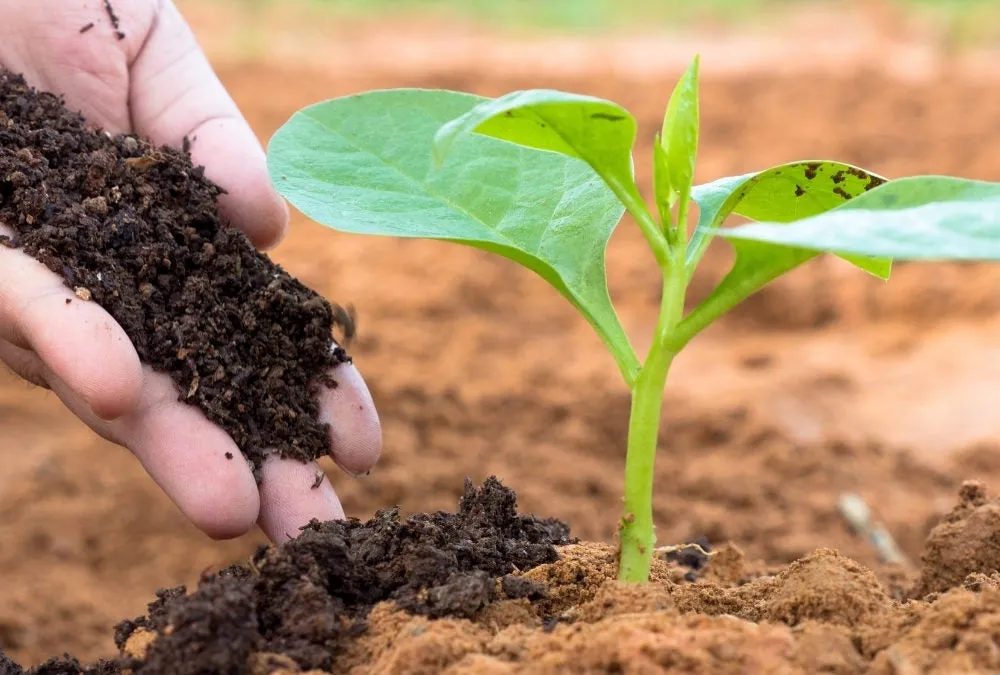
Welcome to the world of soil stabilization, where the very ground beneath our feet is transformed into a solid and reliable foundation for construction projects of all sizes. Whether it’s building roads, bridges, or even homes, ensuring that the soil is stable and able to support the weight of structures above is crucial for long-lasting durability. Through various techniques and materials, engineers are able to strengthen weak soils, prevent erosion, and mitigate potential issues like settling or shifting.
One key method used in soil stabilization is mechanical compaction, where heavy machinery is employed to compress the soil particles together. Another popular technique involves adding stabilizing agents such as lime or cement to improve the overall strength and stability of the soil. By carefully analyzing site conditions and selecting appropriate methods for each project, engineers can ensure that foundations remain solid for years to come. So next time you drive on a smooth highway or walk across a sturdy bridge, remember that it all starts with a strong foundation built upon well-stabilized soil.
So, Soil Stabilization: Ensuring Strong Foundations
Soil Stabilization: Ensuring Strong Foundations
Soil stabilization is a crucial process in construction that involves strengthening the soil to provide a solid foundation for buildings, roads, and other structures. This is achieved by modifying the properties of the soil through various techniques.
One common method of soil stabilization is adding chemicals such as lime or cement to the soil. These chemicals react with the minerals present in the soil, altering its composition and making it more stable. This not only increases its load-bearing capacity but also improves its resistance to water and erosion.
Another technique used for stabilizing soils is mechanical compaction. This involves using heavy machinery to compress and consolidate loose or soft soils, making them denser and stronger.
The importance of proper soil stabilization cannot be overstated. Without a strong foundation, structures can become unstable over time, leading to structural damage and safety hazards. Additionally, poorly stabilized soils can cause settlement issues which can result in costly repairs down the line.
By ensuring strong foundations through effective soil stabilization techniques, we are able to create durable structures that will stand the test of time. It also allows us to build on otherwise unsuitable land, expanding our possibilities for development.
In summary, proper soil stabilization plays a vital role in construction projects by providing a solid base upon which we can build safe and long-lasting structures. So next time you see a building or road standing tall and sturdy, remember that it all starts with well-stabilized soil beneath our feet.
The Fundamentals of Soil Stabilization: Techniques and Materials Used
Soil stabilization is a vital part of construction, agriculture, and environmental preservation. This process involves enhancing the physical properties of soil to reinforce its ability to stay put under pressure or adverse weather conditions. It’s an essential step in creating sturdy building foundations, maintaining farmlands, and combating erosion.
The methods used for soil stabilization can be as varied as the landscape we’re trying to protect. The two main ways are mechanical and chemical. Mechanical stabilization introduces various materials such as gravel or crushed rock into the mix – basically anything that aids compaction and durability.
On the other hand, chemical stabilization relies on substances like lime or cement which react with soil particles to trigger certain changes in their properties.
• Lime reacts with clayey soils making them less susceptible to changes from moisture.
• Cement when mixed with sandy soils hardens it offering resistance against heavy loads.
Selecting materials for this task depends considerably on what kind of environment you’re working with. For instance, if it’s a site that experiences heavy rainfall throughout the year; using permeable fabric geotextiles can provide added stability by controlling water flow within soil layers. Meanwhile more rugged terrains may require strong geogrids interlaced within tightly packed aggregate layers giving strength and longevity.
The fundamentals of Soil Stabilization,, although complex at times involves leveraging a wide range of techniques and resources efficiently based on specific ground conditions helping us create safer spaces for living while preserving our environment responsibly.
The Role of Mechanical Compaction in Soil Stabilization
The Role of Mechanical Compaction in Soil Stabilization is crucial, and worth taking a closer look at. It’s all about how we solidify the ground to get it ready for construction or farming. Imagine trying to build a house on sand, it would sink right? That’s where this process comes into play.
Mechanical compaction is basically giving the soil a firm handshake – making it dense and compact. This procedure uses big machines that exert pressure onto the surface, pushing air and water out from between soil grains. Just like when you squash down trash in your bin to make room for more waste! It doesn’t sound fancy but this simple action plays an important role as it increases the strength of soil, reducing erosion risks, and making it suitable for our building needs.
The next time you pass by a new building site or watch farmers preparing their fields for planting season–remember that what’s happening beneath those wheels is much more than meets the eye – because without proper soil stabilization through mechanical compaction… well things could easily go south!
Read also: Understanding Soil pH Gauges: A Key Tool for Healthy Plants
Lime or Cement Addition: Enhancing the Strength and Stability of Ground
When it comes to enhancing the strength and stability of the ground, one option that can make a big difference is the addition of lime or cement. These materials are known for their ability to improve soil quality and provide a solid foundation for construction projects. By incorporating lime or cement into the ground, engineers can create a more stable base that is less prone to settling or shifting.
One key benefit of using lime or cement in ground stabilization is their ability to increase the load-bearing capacity of soil. This means that structures built on this treated ground are less likely to experience settlement over time. The added strength provided by these materials can also help prevent damage caused by heavy loads or natural disasters like earthquakes.
Another advantage of using lime or cement in ground stabilization is their durability. Once these materials have been mixed into the soil, they form strong bonds that resist weathering and erosion. This means that structures built on this treated ground are more likely to stand the test of time without needing costly repairs or replacements.
In conclusion, adding lime or cement to the ground can be an effective way to enhance its strength and stability. These materials offer increased load-bearing capacity and durability, making them ideal choices for construction projects where longevity and reliability are essential. By choosing lime or cement addition for your next project, you can ensure a solid foundation that will support your structure for years to come.
Long-Term Benefits of Properly Stabilized Soils for Infrastructure
When it comes to building strong and reliable infrastructure, the importance of properly stabilized soils cannot be overstated. The long-term benefits of using stabilized soils in construction projects are numerous and can greatly impact the durability and lifespan of roads, buildings, and other structures.
One key benefit of using stabilized soils is increased strength and stability. By incorporating stabilizing agents such as cement or lime into the soil, engineers are able to improve its load-bearing capacity and reduce settlement over time. This means that structures built on stabilized soils are less likely to experience issues like cracks or sinking, leading to a longer-lasting end result.
Another advantage of utilizing properly stabilized soils is improved resistance to environmental factors. Stabilized soil is more resilient against weathering processes such as erosion, freeze-thaw cycles, and moisture infiltration. This enhanced durability not only reduces maintenance costs in the long run but also ensures that infrastructure remains safe for use by the public.
In addition to strength and resilience, properly stabilized soils can also provide cost savings over time. By investing in quality materials upfront, project owners can avoid expensive repairs or replacements down the road. This proactive approach not only saves money but also minimizes disruptions caused by unexpected structural failures. Ultimately, choosing properly stabilized soils for infrastructure projects offers a sustainable solution that benefits both communities and budgets alike.