

Leaves touching the soil are crucial for soil health and ecosystem balance. They aid nutrient recycling, enhance microbial activity, and enrich soil structure. By promoting moisture retention and acting as a natural mulch, leaves support plant growth and weed suppression. Trimming bottom leaves prevents diseases and pest attraction. To further benefit, use shredded leaf mulch for improved soil structure and nutrient availability. Maintain proper moisture levels and temperature for optimal plant health. Explore the benefits of leaves touching the soil to create a thriving garden ecosystem.
Soil Health Benefits
Leaves touching the soil can have significant implications for soil health, affecting factors such as disease transmission, pest attraction, and overall plant well-being. When leaves come into contact with the ground, moisture can accumulate, creating a breeding ground for diseases. Wet leaves are also prone to attracting pests that can harm your plants. To mitigate these risks, consider trimming off bottom leaves to prevent the spread of soil-borne diseases. Additionally, ensuring proper air circulation is crucial to reduce humidity levels around the leaves and soil.
A practical solution to prevent direct contact between leaves and soil is to use gallon fabric mulch around your plants. This protective barrier acts as a shield, preventing moisture buildup and decreasing the likelihood of disease transmission. By implementing this simple yet effective method, you can promote soil health and enhance the overall well-being of your plants.

Nutrient Recycling Process
When leaves come into contact with the soil, they initiate a crucial nutrient recycling process. As leaves decompose, they release essential nutrients like nitrogen, phosphorus, and potassium back into the soil, enriching it with organic matter. This process not only supports soil fertility but also promotes healthier plant growth, contributing to a more sustainable and balanced gardening ecosystem.
Soil Nutrient Enrichment
Enhancing soil fertility and promoting plant growth, the decomposition of leaves in contact with the soil initiates a vital nutrient recycling process known as soil nutrient enrichment. As leaves break down, they release essential minerals and organic matter, contributing to nutrient availability in the soil. This process plays a crucial role in soil fertility enhancement by replenishing nutrients that are essential for plant growth. Nutrient enrichment from decomposing leaves benefits plant nutrient uptake, supporting healthy growth and development.
Ecosystem Health Benefits
Initiating a crucial nutrient recycling process within ecosystems, the decomposition of leaves in contact with the soil plays a vital role in supporting soil health and biodiversity. When leaves touch the soil, they provide organic matter for decomposers like bacteria, fungi, and insects to break down. This decomposition process releases essential nutrients such as nitrogen, phosphorus, and potassium back into the soil, enriching it and promoting plant growth. The nutrient cycling facilitated by leaves touching the soil is fundamental for maintaining ecosystem resilience.
Moreover, this nutrient recycling process enhances soil biodiversity by creating a rich environment for a variety of soil organisms. These organisms feed on the decomposing leaves, enriching the food web and providing habitat for numerous species. By fostering soil biodiversity, leaves touching the soil contribute to the overall health of the ecosystem. Therefore, by encouraging the presence of leaves on the ground, you are actively supporting ecosystem resilience, soil biodiversity, and the cycling of organic matter essential for a thriving environment.
Enhanced Microbial Activity

Leaves touching the soil stimulate and amplify microbial activity, crucial for nutrient recycling and ecosystem vitality. This interaction enhances microbial diversity, leading to increased breakdown of organic matter from the leaves. As a result, essential nutrients are released into the soil, improving nutrient availability for plants. The decomposition process facilitated by leaves in contact with the soil also aids in the sequestration of soil carbon, contributing to long-term soil fertility and carbon storage.
| Benefits of Enhanced Microbial Activity | |||
|---|---|---|---|
| 1. Increased nutrient availability for plants | 2. Enhanced soil fertility and ecosystem health | 3. Improved soil carbon sequestration | 4. Promotion of microbial diversity for ecosystem resilience |
Harnessing the power of leaves touching the soil to boost microbial activity is a simple yet effective way to support the health of your garden or natural environment. By encouraging this natural process, you can promote nutrient cycling, maintain soil structure, and contribute to the overall well-being of the ecosystem.
Improved Soil Structure
When leaves touch the soil, they aid in improving soil structure by enhancing moisture retention, promoting nutrient recycling, and fostering microbial activity. This interaction between leaves and soil contributes to better soil aeration, enriching the soil with essential nutrients for plant growth. The decomposition process initiated by leaves in contact with the soil plays a vital role in maintaining soil health and fertility.
Soil Aeration Benefits
Enhancing soil aeration contributes significantly to the improvement of soil structure, benefiting root growth and nutrient absorption in plants. When roots have access to ample oxygen exchange, they can develop more robustly, leading to healthier and more productive plants. Adequate soil aeration also plays a crucial role in ensuring proper water drainage, preventing waterlogging that can be detrimental to root health.
To further understand the importance of soil aeration benefits, consider the following:
- Enhanced Root Development: Improved soil aeration allows roots to penetrate the soil more easily, establishing a stronger root system.
- Optimized Oxygen Exchange: Sufficient oxygen levels in the soil promote cellular respiration in roots, vital for energy production.
- Improved Water Drainage: Good soil aeration facilitates better water movement through the soil, reducing the risk of waterlogged conditions.
- Support for Beneficial Soil Organisms: Well-aerated soil fosters a healthy microbial community that aids in nutrient cycling.
- Promotion of Nutrient Uptake: Enhanced soil aeration enables roots to absorb nutrients more efficiently, supporting overall plant growth.
Nutrient Retention Enhancement
One key aspect of improving soil structure to enhance nutrient retention involves utilizing organic matter such as decomposed plant material. When leaves touch the soil, they contribute to the nutrient cycling benefits by serving as a source of organic matter for soil microorganisms. As these microorganisms break down the organic matter from leaf litter decomposition, essential nutrients are released into the soil, increasing nutrient availability for plants. This process not only enhances soil fertility maintenance but also promotes a healthier environment for plant growth.
The decomposition of organic matter from leaves creates a rich humus that enriches the soil with vital minerals, further supporting plant development. Additionally, the improved soil structure resulting from decomposing leaves provides a conducive environment for plant roots to access nutrients and water efficiently. By enhancing nutrient retention in the soil, decomposed leaves also aid in soil water retention, reducing the frequency of watering needed for plants. Incorporating leaves into the soil ecosystem can lead to long-term benefits for both soil health and plant growth.
Microbial Activity Promotion
Leaves touching the soil stimulate microbial activity, fostering the decomposition of organic matter and enhancing soil structure through improved aeration and drainage. As microbes break down the leaves, they play a vital role in enhancing the soil ecosystem. Here’s why this process is crucial:
- Microbial diversity: The presence of diverse microbes from leaves touching the soil contributes to a healthier soil ecosystem.
- Soil aeration: Improved soil structure from microbial activity allows for better air circulation, benefiting plant roots.
- Drainage enhancement: Microbial decomposition helps create pore spaces in the soil, improving water drainage.
- Nutrient cycling: Microbes breaking down leaves release essential nutrients back into the soil, promoting plant growth.
- Balanced ecosystem: The enhanced microbial communities from leaves touching the soil support a balanced soil ecosystem, crucial for overall soil health.
Natural Mulching Benefits
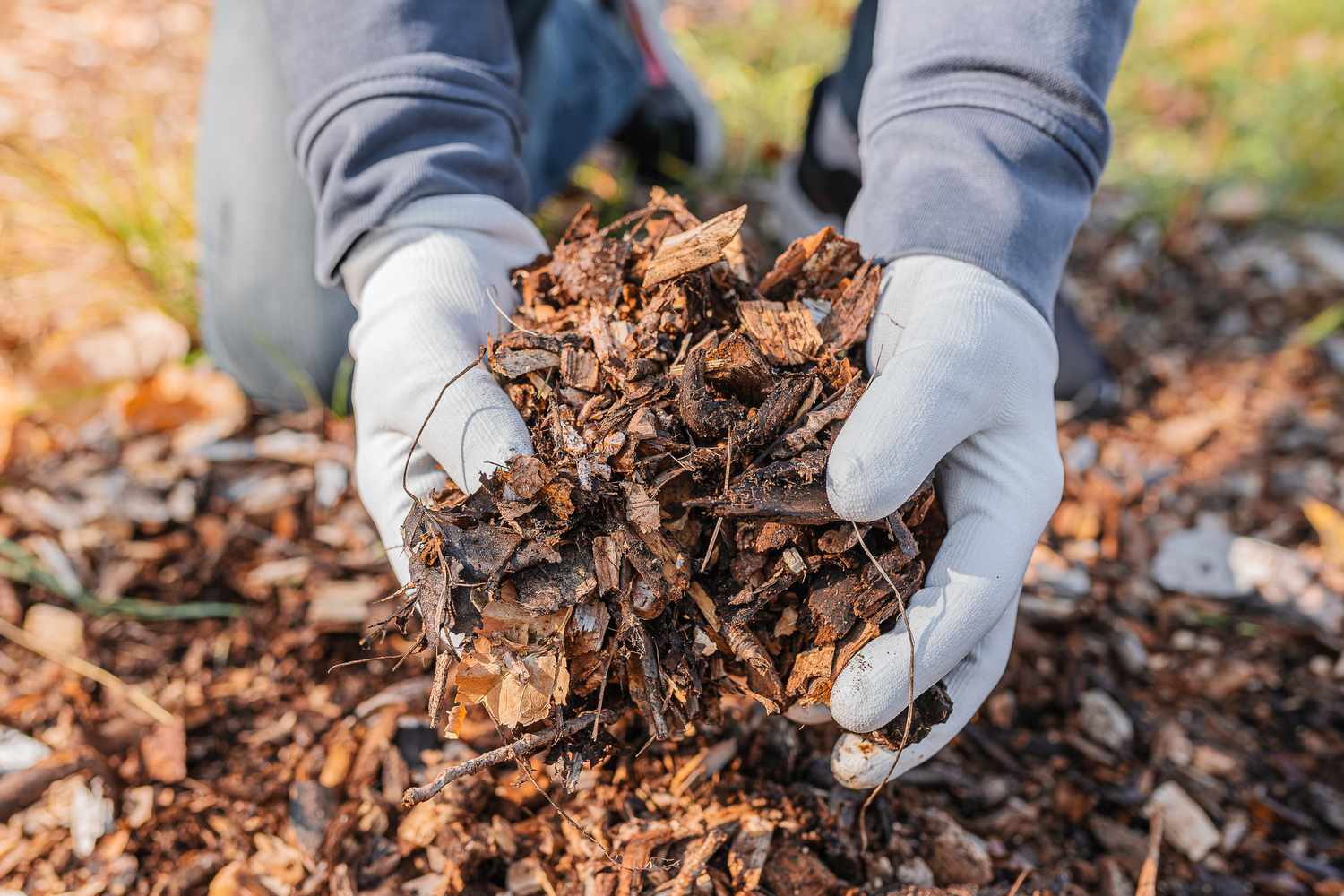
Using natural mulching with leaves provides several key benefits for maintaining soil health and promoting plant growth. Leaf mulch advantages include retaining soil moisture, reducing the need for frequent watering, and suppressing weed growth by blocking sunlight and hindering weed seed germination. Organic mulching benefits are further enhanced as decomposing leaves enrich the soil with essential nutrients, promoting healthier plant growth. Additionally, leaf mulch acts as an insulator, regulating soil temperature and protecting plant roots from extreme conditions. By incorporating leaves as mulch, you embrace sustainable gardening practices that are not only cost-effective but also eco-friendly. This organic mulching method proves to be a practical and efficient way to improve soil quality, enhance plant development, and maintain a thriving garden ecosystem. Consider utilizing natural mulching with leaves to reap these diverse benefits and create a more sustainable and healthy environment for your plants.
Moisture Retention Benefits
When leaves come into contact with the soil, they act as a natural barrier, reducing evaporation and helping retain moisture for plant roots. This increased moisture around the plant can improve soil microbial health, fostering a more balanced ecosystem in your garden. By preventing direct soil contact, leaves can also aid in suppressing weed growth, maintaining a healthier and more organized garden environment.
Soil Microbial Health
Increased moisture retention from leaves touching the soil can significantly benefit soil microbial health by fostering a conducive environment for beneficial microbial activity. As leaves decompose on the soil surface, they provide organic matter that serves as a vital food source for soil microbes, enhancing the overall soil ecosystem. Here’s how this process can positively impact soil microbial health:
- Enhanced Microbial Diversity: Decomposing leaves support the growth of various microbial species, increasing the diversity within the soil microbiome.
- Organic Decomposition: The breakdown of leaves releases nutrients that are essential for microbial metabolism and soil fertility.
- Nutrient-Rich Environment: Decomposed leaves create a nutrient-rich environment that supports the proliferation of beneficial soil microbes.
- Improved Soil Ecosystem Functions: Moisture retention under leaves encourages microbial activity, promoting important soil functions like nutrient cycling and organic matter decomposition.
- Healthy Microbial Community: The interaction between leaves and soil fosters a healthy microbial community, crucial for sustaining soil health and productivity.
Weed Suppression
Leaves touching the soil create a natural mulch that effectively suppresses weed growth while providing essential moisture retention benefits for plant health and ecosystem balance. This organic weed control method not only reduces the need for manual weeding but also offers mulching benefits that contribute to sustainable gardening practices. The layer of leaves acts as a barrier, inhibiting weed seed germination and growth by blocking sunlight from reaching the soil. Additionally, moisture retention benefits from leaves touching the soil include reducing evaporation, maintaining optimal soil moisture levels, and promoting plant hydration.
Weed Suppression Benefits
Utilizing leaves as a natural mulch can effectively inhibit weed growth in your garden by creating a physical barrier that hinders weed seeds from germinating. This organic weed control method not only suppresses weeds but also promotes sustainable gardening practices by reducing the need for chemical interventions. Here are some key benefits of using leaves for weed suppression:
- Natural Weed Barrier: Leaves act as a protective layer, preventing sunlight from reaching weed seeds and impeding their growth.
- Nutrient-Rich Mulch: As leaves decompose, they release essential nutrients into the soil, enriching it and supporting plant growth.
- Sustainable Gardening: By recycling leaves as mulch, you contribute to sustainable gardening practices and reduce waste.
- Low-Cost Solution: Leaves are readily available and cost-effective, offering an affordable weed suppression method.
- Soil Health Improvement: The decomposition of leaf mulch enhances soil structure, moisture retention, and microbial activity, benefiting overall soil health.
Incorporating leaves into your garden as mulch provides a simple yet effective way to control weeds while nurturing your plants and the environment.
Optimal Soil Temperatures
How do soil temperatures impact plant growth and development in your garden? Soil temperature management is crucial for the health of your plants. Most plants thrive in soil temperatures between 65-75°F, providing optimal conditions for growth. When soil temperatures exceed 85°F, plants can experience stress and struggle with nutrient absorption. Conversely, cold soil temperatures below 50°F can impede plant growth and root development. To ensure ideal conditions, use a thermometer to monitor the soil temperature regularly. Adjusting your planting times based on the temperature readings can significantly benefit your garden. By planting when the soil is within the optimal temperature range, you promote healthy plant growth and development. Understanding the effects of temperature on plant growth is essential for successful gardening. Stay attentive to the soil temperature and make informed decisions to create the best environment for your plants to thrive.
Sustainable Garden Practices

Using shredded leaf mulch in your garden is a sustainable practice that benefits soil health by providing essential nutrients and promoting microbial activity. This technique acts as an effective weed barrier, reducing the need for herbicides and fostering a healthier garden ecosystem. Additionally, shredded leaf mulch retains moisture, aiding in plant growth and reducing water consumption, making it a practical and environmentally friendly choice for your gardening endeavors.
Soil Health Benefits
Maintaining soil health in your garden is crucial for sustainable practices, and one effective way to achieve this is by preventing leaves from touching the soil. This simple practice can significantly impact soil aeration, pest prevention, and disease management. Here are five key benefits of keeping leaves from touching the soil:
- Improved Soil Aeration: By preventing leaves from contacting the soil, you enhance air circulation, reducing the risk of soil compaction and promoting better oxygen flow to plant roots.
- Enhanced Pest Prevention: Eliminating direct leaf-soil contact helps deter pests that thrive in moist environments, safeguarding your plants from infestations.
- Effective Disease Management: Minimizing the chances of disease transmission through the soil can protect your garden from various soil-borne pathogens, ensuring the health of your plants.
- Moisture Regulation: Preventing leaves from touching the soil aids in moisture control, preventing excessive wetness that can lead to root rot and other moisture-related issues.
- Overall Soil Health: By maintaining a barrier between leaves and soil, you support the overall health of your garden’s ecosystem, promoting sustainable growth and longevity.
Mulching Techniques
Implementing effective mulching techniques is essential for sustainable garden practices and optimizing soil health. When applying mulch, ensure a thickness of 2-4 inches to reap its benefits fully. Shredded leaf mulch, a popular choice, not only improves soil structure and nutrient availability but also acts as a natural weed barrier, reducing the reliance on chemical herbicides. This type of mulch retains soil moisture crucial for plant hydration, especially in hot summer months, and moderates soil temperatures, creating an ideal environment for plant growth.
To apply mulch effectively, spread it evenly around plants, leaving a small gap around the stem to prevent rotting. Consider using biodegradable mulch types like shredded leaves, grass clippings, or straw, which decompose over time, enriching the soil. These materials promote sustainability by recycling natural resources and reducing the need for commercial mulch products. By adopting proper mulching techniques, you can nurture your garden while contributing to a healthier ecosystem.
Cost-Effective Gardening Tips

To garden cost-effectively, consider utilizing shredded leaf mulch as a practical and budget-friendly way to enhance soil health and structure. Shredded leaf mulch serves as a valuable resource for budget-friendly landscaping, eco-friendly gardening, and money-saving yard care. Here are some tips to help you make the most of shredded leaf mulch:
- Weed Control: Shredded leaf mulch acts as a natural weed barrier, reducing the need for costly weed control methods.
- Water Conservation: Retaining soil moisture with shredded leaf mulch can save on watering costs, particularly during hot summer months.
- Temperature Regulation: Moderating soil temperatures with shredded leaf mulch can aid plants in thriving without expensive temperature control measures.
- Nutrient Enhancement: Utilizing shredded leaf mulch can improve soil nutrients and microbial activity without significant financial investment.
- Structural Improvement: Enhance soil structure and health by incorporating shredded leaf mulch into your gardening routine, providing a cost-effective way to nurture your plants.
Garden Health Benefits
Enhancing garden health benefits can be achieved through strategic mulching practices to minimize the risk of disease transmission and pest attraction. Disease prevention is crucial in maintaining a thriving garden. Trimming off bottom leaves can help prevent soil-borne diseases by reducing contact between leaves and potentially contaminated soil. Additionally, promoting better air circulation through this practice can further deter the spread of diseases. Pest control is another critical aspect of garden health. Mulching around plants creates a barrier that discourages pests by preventing direct contact between leaves and soil. Moisture management is also key to a healthy garden. Wet leaves in contact with soil can attract pests, emphasizing the importance of keeping leaves off the ground. Proper maintenance, such as trimming affected leaves and ensuring adequate airflow, is essential for garden health. By implementing these measures, you can effectively protect your garden from diseases, pests, and moisture-related issues, ensuring its overall well-being.
Leaf Mulch Protection
Managing leaf mulch protection is crucial in preventing disease transmission and pest attraction in your garden. To ensure your plants stay healthy and thriving, consider the following tips:
- Mulch application: Apply a layer of mulch around your plants to create a protective barrier between the leaves and the soil, reducing the risk of disease transmission.
- Leaf protection: Trim off bottom leaves that are touching the soil to prevent the spread of soil-borne diseases and minimize contact with pests.
- Soil moisture control: Proper air circulation is key to preventing moisture buildup around leaves. Ensure the soil is well-draining to avoid waterlogged conditions that can lead to issues like fungal diseases.
- Pest prevention: By keeping leaves from touching the soil, you can discourage pests from finding a cozy home near your plants.
- Disease management: Addressing wet leaves in contact with soil promptly can help prevent the spread of diseases and maintain the overall health of your garden.
Soil Nutrient Enrichment
Trimming off bottom leaves that are touching the soil can contribute to soil nutrient enrichment by facilitating the decomposition process and releasing valuable organic matter. This decomposition enriches the soil, enhancing its structure, fertility, and microbial activity. Nutrient absorption by plants is improved as the enriched soil supports healthy root development and facilitates nutrient uptake. The process of nutrient cycling from decomposing leaves benefits plant growth and overall ecosystem balance. Enriched soil provides essential nutrients for plants, aiding in their growth and development. By preventing leaves from touching the soil, you can help maintain a balanced nutrient cycle, ensuring optimal conditions for plant growth. This practice not only supports plant health but also fosters a thriving ecosystem by promoting soil enrichment, root development, and efficient nutrient absorption. Remember, a healthy soil ecosystem is the foundation for vibrant and flourishing plant life.
Plant Growth Support

To support optimal plant growth, it is crucial to address the issue of leaves touching the soil as it can negatively impact plant health and development. Trimming off bottom leaves can aid in preventing soil-borne diseases and maintaining overall plant health. Proper air circulation is essential to avoid moisture buildup, which can occur around leaves touching the soil. Mulching around the base of the plant serves as a protective barrier, preventing direct contact between leaves and the soil, thus reducing the risk of disease transmission and pest attraction. Monitoring and promptly addressing any leaves touching the soil can significantly contribute to supporting healthy plant growth and development.
Plant Growth Support:
- Root Development: Ensuring leaves do not touch the soil promotes healthy root growth and establishment.
- Water Absorption: Preventing leaves from touching the soil helps in efficient water absorption by the plant roots.
- Disease Prevention: Minimizing contact between leaves and soil reduces the risk of soil-borne diseases and pest infestations.
- Air Circulation: Proper air circulation around the plant aids in preventing moisture-related issues near the soil surface.
- Mulching: Applying mulch can create a protective barrier, shielding leaves from direct contact with the soil and its potential pathogens.