
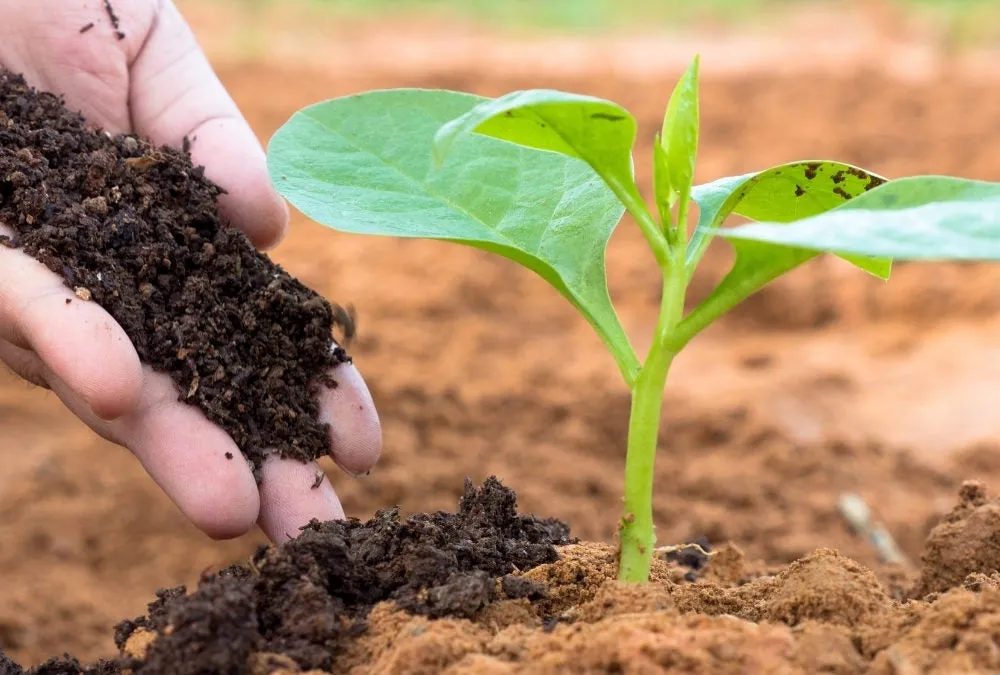
Are you ready to bring some greenery into your home but don’t know where to start? Let’s talk about indoor potting soil – the foundation for happy and healthy houseplants! Choosing the right soil is essential for your plant’s growth, so let’s explore the different options available. From moisture retention to nutrient levels, there are a few key factors to consider when selecting the perfect potting mix.
Once you have chosen your ideal soil, it’s time to prepare it for planting. Properly aerating and sterilizing the soil can help prevent pests and diseases from attacking your plants. And don’t forget about ongoing care! Regular watering, fertilizing, and repotting will ensure that your houseplants thrive in their new environment. With a little love and attention, your indoor garden will soon be flourishing with lush green foliage.
So, Indoor Potting Soil: Choosing, Preparing, and Caring for Your Houseplants
Indoor Potting Soil: Choosing, Preparing, and Caring for Your Houseplants
Indoor potting soil is a crucial element in ensuring the health and vitality of your houseplants. Choosing the right type of soil, preparing it properly, and providing proper care are all essential steps in creating an optimal environment for your indoor plants to thrive.
When selecting indoor potting soil, there are a few key factors to consider. First and foremost, make sure the soil is specifically designed for indoor use. This will ensure that it provides adequate drainage and moisture retention for your plants while also being lightweight enough to avoid compacting over time.
Another important factor to keep in mind is the type of plant you will be using the soil for. Different types of plants have varying nutrient requirements, so choosing a specialized potting mix can help provide these specific needs. For example, succulents require well-draining sandy soils while tropical plants prefer more moisture-retentive mixes.
Once you have selected your potting mix, it’s essential to prepare it before planting. Start by moistening the soil with water until it becomes slightly damp but not saturated. Then add some organic matter such as compost or peat moss to improve its overall structure and nutrient content.
As with any living organism, houseplants need regular care and attention to thrive. When caring for potted plants indoors, be mindful of their watering needs as well as fertilization schedules based on their individual requirements.
Properly caring for your houseplants includes repotting them every year or two into fresh potting mix as they outgrow their containers or deplete nutrients from the existing soil.
In summary, when choosing indoor potting soil for your houseplants, consider its intended use and select a specialized mix accordingly. Prepare the soil before planting by adding organic matter and regularly maintain proper hydration levels through watering and fertilization practices.
Identifying the Perfect Indoor Potting Soil for Specific Houseplants
Choosing the Ideal Indoor Potting Soil
Gardening is an enriching endeavor, a pursuit that warms the heart and soul. But not all plants flourish in the same environment, especially when we’re talking about potting soil. Not every houseplant prefers generic soil from your backyard or store-bought mixes – they can be too heavy or may lack vital nutrients. Knowing which type of indoor potting soil to use for specific houseplants is crucial.
- For Tropical Houseplants:
Tropical houseplants like ferns and orchids thrive on rich, well-draining soil. Regular garden soils are often too dense for these delicate beauties. They seek light yet nutritious blends containing sphagnum moss or bark chips, promoting air circulation around their roots while retaining just enough moisture.
- Succulent and Cacti Mix:
On the other hand, cacti and succulents have distinct needs compared to their tropical counterparts. They prefer dry conditions with less frequent watering – hence requiring a grittier mix of sand, pebbles, perlite or pumice added to basic potting compost.
Finding The Perfect Match Between Plant And Soil
The key lies within creating balance – your plant’s individual requirements matched against its chosen habitat inside your home – along with careful monitoring for signs of thriving growth versus stagnation.
Remember that even within one category (tropicals or succulents), different species might require slight variations in composition due to their particular native environments. So be open-minded: don’t hesitate to tweak things if you observe your green companion struggling!
Proper Preparation Techniques for Indoor Potting Soil
When it comes to preparing indoor potting soil, a few steps can make all the difference. The first step involves creating the right blend of ingredients for your plants. As every plant has its own specific needs, it’s important to tailor your soil mixture accordingly. For instance, flowering plants often thrive in nutrient-rich mix while succulents prefer well-draining sandy soil.
A common recipe includes one part peat moss or coconut coir (for moisture retention), one part perlite or sand (for drainage), and one part compost (for nutrients). However you decide to proceed, always remember that variety is vital! Different components offer different benefits – together they form a balanced ecosystem for your plants.
- Peat moss/coconut coir: Retains moisture well and helps root development
- Sand/Perlite: Provides excellent drainage making sure roots don’t sit in water
- Compost: Packed with essential nutrients needed by growing plants
The next step after mixing is ‘sterilizing’. This may sound intimidating but it’s actually pretty simple! It involves baking the mixed soil at 180-200 degrees F for about half an hour in order to kill any pathogens or bugs present in any of the organic materials used. Always allow the sterilized mix to cool completely before using. Last but not least – don’t forget about ongoing maintenance like watering and fertilization based on each plant’s individual requirements.
Read also: Choosing the Best Potting Soil for Indoor Plants
Essential Tips for Watering and Fertilizing Your Houseplants
When it comes to caring for your houseplants, watering and fertilizing are key components to ensuring they thrive. **Watering** is essential for keeping your plants hydrated and healthy. It’s important to pay attention to the specific needs of each plant – some may require more water than others, while overwatering can lead to root rot. A good rule of thumb is to stick your finger into the soil; if it feels dry an inch down, it’s time to water.
Fertilizing is another crucial step in maintaining happy houseplants. Adding nutrients through fertilization helps promote growth and flowering in your plants. There are many different types of fertilizers available – from liquid options that can be added during watering, to slow-release pellets that provide a steady supply of nutrients over time. Be sure to follow the instructions on the fertilizer packaging carefully to avoid over-fertilizing, which can harm your plants.
In addition to regular watering and fertilizing routines, it’s important to consider factors such as light levels and humidity when caring for your houseplants. Different species have varying requirements when it comes to sunlight exposure and moisture levels in the air. By paying attention to these details and adjusting your care routine accordingly, you’ll help ensure that your indoor garden thrives year-round.
Repotting Indoor Plants: When and How to Do It Correctly
So you’ve got some indoor plants that are starting to outgrow their pots, huh? Time for a repotting session! But before you go diving in and messing with those roots, it’s important to know when and how to do it correctly. Let’s break it down step by step.
First things first, let’s talk timing. You’ll want to wait until your plant is actively growing before attempting a repot. Typically, spring is the best time for this as most plants are coming out of their dormant winter phase. Keep an eye on how your plant is doing – if you see roots poking out of the drainage holes or the soil drying out unusually fast, it might be time to give it some breathing room.
Now onto the nitty gritty – how to actually repot your green friend without causing too much stress. Here’s a quick guide:
– Gently remove the plant from its current pot
– Loosen up the root ball and inspect for any signs of rot or pests
– Choose a slightly larger pot with good drainage
– Add fresh soil around the root ball and pat gently
Remember, each plant is different so make sure to do some research on what your specific species prefers in terms of soil type and watering schedule after being repotted. With a little care and attention, your indoor jungle will thrive in its new home!