

Attract exquisite hummingbirds with trumpet honeysuckle, mandevilla, cup and saucer vine, scarlet runner bean, canary creeper, trumpet vine, hyacinth bean vine, clematis, and coral honeysuckle. Trumpet honeysuckle’s orange-red tubular flowers thrive in sun or partial shade, while mandevilla’s vibrant blooms reach heights of 10 feet in hot climates. Cup and saucer vine allures with aromatic cup-shaped flowers under full sun. Scarlet runner bean, canary creeper, and trumpet vine offer striking visual impact and hummingbird attraction. Explore these vines further for an enchanting hummingbird garden experience.
Trumpet Honeysuckle
:strip_icc()/vines-for-hummingbirds-7560321-6bcee70590c749c2b884890acbc3f4eb.jpg)
If you want to attract hummingbirds to your garden, consider planting the Trumpet Honeysuckle, scientifically known as Lonicera sempervirens. This vine is a favorite of hummingbirds due to its orange-red tubular flowers that provide a rich nectar source. Trumpet Honeysuckle thrives in full sun or partial shade and prefers moist soil for optimal growth and blooming. With its blue-green leaves and clusters of vibrant flowers, this native vine can even tolerate clay soil and areas near black walnut trees. By incorporating Trumpet Honeysuckle into your garden, you can not only attract hummingbirds but also add a burst of color and fragrance to your outdoor space. Watching these tiny birds flit about your yard, drawn by the allure of the Trumpet Honeysuckle’s blossoms, will surely bring joy and a touch of nature’s beauty right to your doorstep.
Mandevilla

Consider incorporating Mandevilla into your garden to attract hummingbirds with its vibrant tubular flowers and drought-tolerant nature. Mandevilla, a stunning hummingbird vine, thrives in hot climates, making it perfect for both containers and gardens. Offering a range of colors including white, pink, maroon, crimson, and bicolor, Mandevilla adds a pop of vibrancy to your outdoor space. This tropical beauty flourishes in full sun to part shade and well-drained soil, reaching heights of up to 10 feet. Its tubular pink, red, or white flowers are irresistible to hummingbirds, making your garden a hub of activity.
To ensure year-round enjoyment, consider overwintering Mandevilla indoors in a sunny spot during colder months. Remember, while this plant is a magnificent addition to your garden for attracting hummingbirds, it is toxic to humans and pets if ingested. By incorporating Mandevilla into your outdoor space, you create a welcoming environment for these enchanting birds while adding a touch of exotic beauty to your surroundings.
Cup and Saucer Vine

The Cup and Saucer Vine, scientifically known as Cobaea scandens, is an annual climbing vine that can exhibit perennial characteristics in zones 9 to 11. This vine produces distinctive cup-shaped, aromatic flowers that start off green and transform into a rich purple hue as they mature, remaining vibrant for approximately four days. Thriving under full sun with a hint of afternoon shade in hotter climates, the Cup and Saucer Vine allures hummingbirds with its sweet, musky fragrance. Ideal for growth in well-drained, moist soil, this vine adds a touch of elegance to gardens and trellises. Notably, the Cup and Saucer Vine is pollinated by bats, resulting in its unique and showy flowers that enhance the aesthetic appeal of any outdoor space. Consider cultivating this annual vine to attract hummingbirds and enjoy its captivating blossoms.
Scarlet Runner Bean

Scarlet Runner Bean, an annual vine highly favored by hummingbirds for its vibrant red blooms, thrives when trained on trellises, arbors, or fences to create a striking visual impact in garden landscapes. These vining plants not only serve as a beautiful addition to your garden but also act as a magnet for hummingbirds due to their attractive red flowers. Regularly harvesting the bean pods not only provides you with a tasty treat but also encourages the plant to produce more blooms, ensuring a continuous food source for the hummingbirds.
The Scarlet Runner Bean’s bright red blooms are not only visually appealing but are specifically adapted to attract hummingbirds, making it a must-have in any garden aiming to create a hummingbird-friendly environment. By strategically placing these vines in your garden, you can enjoy the beauty of their blooms while providing a natural food source that will undoubtedly attract these delightful birds to your outdoor space.
Canary Creeper
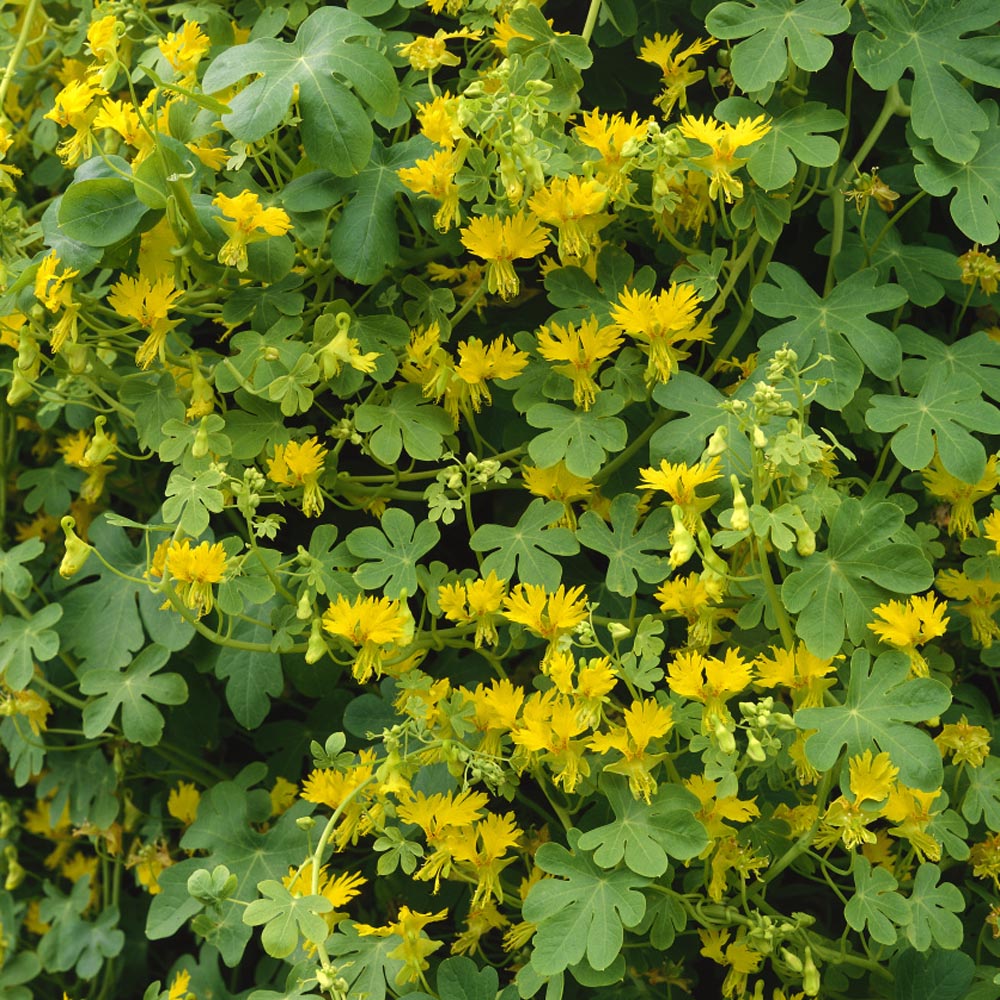
Native to South America and thriving in hot climates, the Canary Creeper vine climbs up to 8-15 feet and boasts beautiful yellow flowers that attract hummingbirds with their nectar-rich blooms. This perennial vine, scientifically known as *Senecio tamoides*, is a fantastic choice for gardeners looking to add a splash of vibrant color and attract these fascinating birds to their outdoor spaces.
When planting Canary Creeper, ensure it receives full sun to part shade and is situated in moist, well-drained soil. This vine’s versatility allows it to thrive in various garden settings, making it a popular option for those seeking to create a hummingbird-friendly environment.
| Characteristics | Canary Creeper |
|---|---|
| Flower Color | Yellow |
| Height | 8-15 feet |
| Sun Exposure | Full sun to part shade |
Incorporating Canary Creeper into your garden not only adds vertical interest with its climbing nature but also provides a stunning visual display of sunny yellow flowers that will undoubtedly attract hummingbirds seeking out their next nectar-filled meal.
Candy Corn Plant
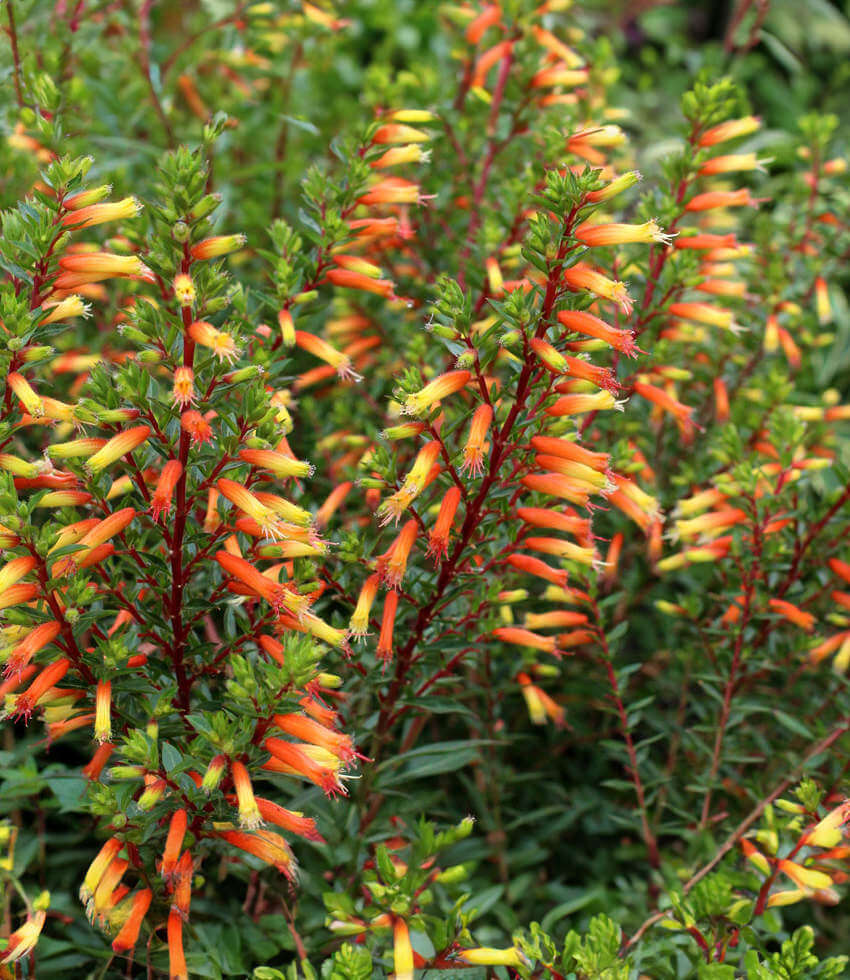
To explore the captivating allure of the Candy Corn Plant, delve into its striking orange tubular flowers reminiscent of the popular candy corn treat. The Candy Corn Plant, scientifically known as Manettia luteorubra, boasts vibrant blooms that are a true hummingbird magnet. The orange tubular flowers, elegantly tipped in yellow, not only add a splash of color to your garden but also attract these tiny avian visitors with their sweet nectar. Planting the Candy Corn Plant in an area that receives full sun to light shade, coupled with moist, well-drained soil, is key to ensuring its optimal growth and abundant flowering. Whether outdoors in a garden or indoors as a houseplant during inclement weather, this plant’s unique appearance will infuse a touch of whimsy, resembling the beloved candy corn treat without the added calories. Embrace the charm of the Candy Corn Plant and create a delightful oasis for both your garden and the hummingbirds it will undoubtedly beckon.
Figwort
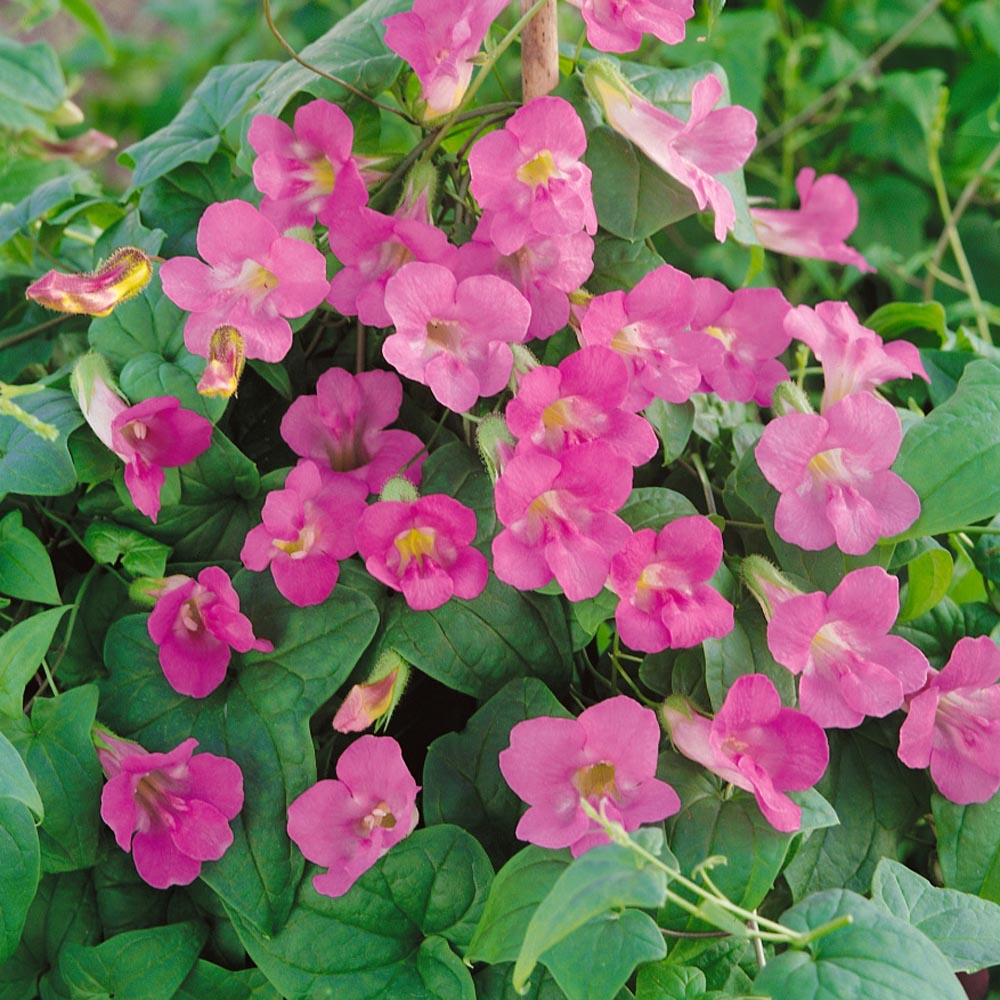
Incorporate Asarina scandens, commonly known as Figwort, into your garden to enjoy its indigo, violet, pink, or white snapdragon-like flowers and vibrant colors during the summer and fall seasons. Figwort vines are an excellent choice for attracting hummingbirds to your garden due to their colorful and nectar-rich blooms. Here are some key points to consider:
- Vibrant Flowers: Figwort vines produce stunning indigo, violet, pink, or white snapdragon-like flowers that add a pop of color to your garden.
- Hummingbird Magnet: The bright and colorful blooms of Figwort vines are irresistible to hummingbirds, making them a perfect choice for attracting these delightful birds.
- Versatile Growing Conditions: Figwort vines thrive in both full sun and part shade, offering flexibility in where you can plant them to attract hummingbirds.
- Trellises and Baskets: These vines can be grown on trellises or in hanging baskets, allowing you to showcase their beautiful flowers at different heights in your garden.
Purple Passionflower

The Purple Passionflower vine, known for its unique purple blooms, is a captivating choice for sunny locations or containers in your garden. Passiflora incarnata, commonly referred to as the purple passionflower, is a vine that boasts trumpet-shaped flowers that are not only aesthetically pleasing but also highly attractive to hummingbirds. These vines grow rapidly, reaching heights of up to 8 feet, creating a visually striking presence in any garden setting.
Hummingbirds are particularly drawn to the vibrant hues of the purple passionflower, making it a favored choice for those looking to attract these delightful avian visitors. Additionally, the native status of the Purple Passionflower in the southeastern United States ensures its compatibility with local ecosystems, supporting a healthy balance of wildlife in your garden.
To maintain the Purple Passionflower’s exuberant growth, occasional pruning may be necessary. Despite its vigorous nature, the beauty and allure of this vine make it a valuable addition to any garden seeking to enchant both humans and hummingbirds alike.
Trumpet Vine

Cultivating Trumpet Vine, also known as Campsis radicans, requires providing full sun and managing its potential weedy growth in certain areas. This classic hummingbird vine, native to the U.S. and Canada, is a stunning addition to gardens with its orange-red trumpet-shaped flowers that hummingbirds adore. To make the most of your Trumpet Vine, follow these tips:
- Optimal Conditions: Trumpet vine thrives in full sun and can adapt to poor soils, making it a hardy perennial vine.
- Weedy Growth: Be cautious as Trumpet vine has a tendency to be weedy in some regions, necessitating careful management.
- Hummingbird Attraction: The vibrant orange-red flowers of the Trumpet vine are a favorite of hummingbirds, ensuring frequent visits to your garden.
- Height Management: Due to its vigorous growth, Trumpet vine can reach impressive heights of up to 40 feet, so consider planting it in confined spaces or regularly mowing suckers to control its growth.
Hyacinth Bean Vine

Thriving in warm climates and boasting magenta, pink, and purple flowers, the Hyacinth Bean Vine is a top choice for attracting hummingbirds to your garden. This vine, native to tropical regions in Africa, blooms from summer to fall, soaring up to 20 feet in height. Its fragrant blooms and drought-tolerant nature once established make it a sought-after option for hummingbird enthusiasts. The Hyacinth Bean Vine’s vibrant colors and continuous blooming season add a visually captivating element to any garden or landscape. In zones 10 to 11, it behaves as an annual vine but reseeds prolifically, ensuring a lasting supply of beauty for hummingbirds to relish. Consider adding a hummingbird feeder nearby to complement the natural nectar sources provided by this vine. With its stunning purple flowers and appeal to hummingbirds, the Hyacinth Bean Vine stands out among flowering plants for its ability to attract and sustain these delightful avian visitors.
Clematis

When considering vine plants to attract hummingbirds, what makes Clematis a popular choice? Clematis is a favorite among gardeners for its stunning display of pink or white flowers that bloom in summer and fall, attracting hummingbirds with their nectar-rich blooms. Here are some key reasons why Clematis is an excellent choice for hummingbird enthusiasts:
- Variety of Flower Colors: Clematis offers a wide range of flower colors, making it appealing to hummingbirds seeking vibrant blooms.
- Seasonal Blooming: With blooms in summer and fall, Clematis provides a vital food source for hummingbirds during these crucial seasons.
- Tall Growth: Clematis can reach heights of up to 10 feet, providing ample space for hummingbirds to feed and perch comfortably.
- Low Maintenance: With proper care and pruning, Clematis can thrive in your garden, offering both beauty and a haven for hummingbirds.
Coral Honeysuckle
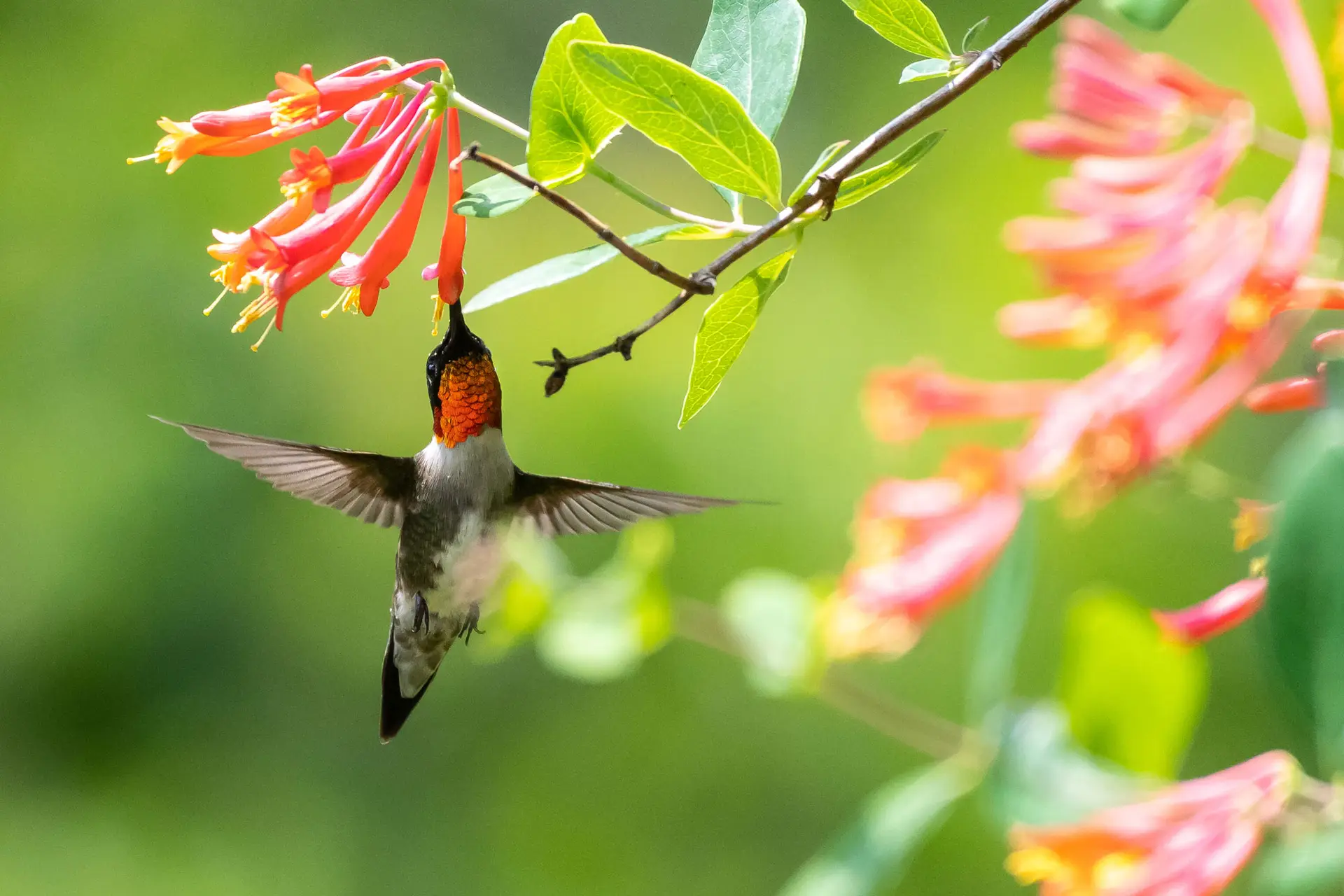
Coral Honeysuckle, a native vine to the Southeast, stands out as an ideal choice for attracting hummingbirds due to its vibrant red tubular flowers that bloom from spring to summer. This vine, scientifically known as Lonicera sempervirens, can climb up to 12 feet, providing ample space for hummingbirds to feed on its nectar-rich blossoms. Coral Honeysuckle thrives in various conditions but prefers part sun, making it a versatile addition to your garden.
| Plant Name | Coral Honeysuckle |
|---|---|
| Sun Exposure | Part Sun |
| Flower Color | Red |
| Bloom Time | Spring to Summer |
Coral Honeysuckle’s striking red flowers not only attract hummingbirds but also enhance the aesthetic appeal of any garden landscape. With minimal maintenance requirements, this vine is a favorite among gardeners looking to create a welcoming environment for these delightful birds. Consider adding Coral Honeysuckle to your outdoor space to enjoy the beauty it brings while providing a vital food source for hummingbirds.