

To transplant plants without harm, choose spring or fall, water thoroughly, and prune roots. Loosen soil wide, dig carefully, and lift roots gently. Water before transport, shield from elements, and mind root damage. Assess new spot, adjust light and soil, and monitor closely post-move. Watch for stress signs, adjust care, and be thorough with monitoring. In extreme conditions, time moves well, protect from elements, and regulate watering. Prepare, plant carefully, water adequately, and watch closely. Remember, successful transplanting needs planning, care, and dedication to your plants’ well-being.
Optimal Transplant Timing

Choose the ideal time to transplant your plants for the best chance of success by considering optimal transplant timing. Transplanting in the early spring or fall when temperatures are mild is crucial to ensure minimal plant shock and promote plant health. Avoid extreme weather conditions such as summer heat or winter frost, as these can be detrimental to the transplant process and potentially harm your plants.
Spring transplanting allows your plants to establish roots before the onset of hot summer temperatures, giving them a better chance to thrive. On the other hand, fall transplanting provides cooler conditions for recovery and growth, setting your plants up for success in the following spring.
If you are planning a long-distance move for your plants, seeking professional help might be necessary to ensure they are properly cared for during transportation and replanting. Once transplanted, monitoring your plants’ health closely and providing adequate water and shade in their new location are essential steps to ensure a successful transplant without harming them.
Preparing Plants for Transplanting

To ensure successful transplanting of your plants, proper preparation is key to minimize stress and promote healthy growth in their new environment. Here are some essential steps to prepare your plants for transplanting:
- Water plants well: Ensure your plants are adequately hydrated before the transplanting process to reduce stress.
- Use an appropriate size pot: Choose a pot that is not too large to prevent waterlogging and promote healthy root growth.
- Gently tease out the roots: Carefully separate and loosen the roots before transplanting to prevent damage and encourage new root development.
- Prune off one-third of the root ball: Trimming a portion of the root ball helps reduce stress on the plant and supports healthy growth in its new location.
- Consider environmental changes: Transplant when there are changes in soil type, light, temperature, or humidity to aid the plant’s successful adaptation to its new surroundings.
Digging Around Roots

When preparing to transplant your plants, carefully digging around the roots is crucial to ensure minimal damage and promote successful growth in their new location. To start, gently loosen the soil around the plant in a wide circle, avoiding damage to the roots. Use a sharp shovel or spade to carefully dig under the root ball, lifting it gradually to prevent tearing or breakage. Keep a consistent depth while digging to maintain the plant stable and upright during the transplanting process. Be mindful of any thick or stubborn roots that may need extra care to avoid harming the plant’s root system.
After transplanting, it’s essential to water the plant thoroughly. This helps settle the soil around the roots, promoting recovery and ensuring a healthy transition. By being careful and attentive while digging around the roots, you set the stage for your plant’s successful relocation and future growth.
Providing Proper Transport Containment

When transporting your plants, it is important to provide proper containment to ensure their safety and well-being during the move. To successfully transplant plants without causing harm, consider the following:
- Water plants before transport: Thoroughly hydrate your plants before the move to reduce stress and prevent dehydration.
- Dig around roots: When preparing plants for transportation, dig around the drip line to avoid damaging roots, ensuring a successful transplant.
- Provide shade protection: Shield plants from direct sunlight during transport to prevent sunburn and wilting.
- Use proper containers: Secure plants in suitable containers or boxes to prevent shifting and damage during the journey.
- Avoid cutting roots: To maintain plant health and support successful replanting, refrain from cutting roots during transportation.
Professional Long-Distance Moves

Professional long-distance moves of plants necessitate meticulous planning to ensure their safe transportation. Before the move, make sure to water your plants adequately to prevent dehydration and stress during transit. It’s crucial to shield them from extreme weather conditions by providing shade and proper containment throughout the journey. When transplanting, handle the roots with care, avoiding unnecessary cutting to minimize damage and facilitate successful replanting. Once you arrive at your new location, give your plants extra attention and water, especially in hot summer months, to help them acclimate to their new surroundings. Remember that plants may need some time to adjust after a long-distance move, so be patient and attentive to their needs. By following these steps, you can increase the chances of your plants thriving in their new environment after a professional long-distance move.
Replanting in New Location
:max_bytes(150000):strip_icc()/how-to-transplant-trees-and-shrubs-2131175-hero-8c215f7e42164c14a97af1b51e9da9e9.jpg)
Assessing the new location for sunlight, soil quality, and space for growth is crucial before replanting your plants. When selecting a spot for your plants, consider the following:
- Sunlight: Ensure the new location provides the right amount of sunlight for your specific plant species.
- Soil Quality: Check that the soil in the new location is suitable for your plants and amend it if needed.
- Space for Growth: Allow enough room for your plants to grow and expand their root systems in the new location.
- Shade: Provide some shade initially to help the plants adjust to their new environment.
- Adequate Watering: Ensure your plants receive enough water in the new location to prevent stress.
Remember to keep an eye out for signs of stress, like wilting or yellowing leaves. Different plants may require specific care instructions post-replanting to thrive. Address any issues promptly to support the health and vitality of your replanted green friends.
Monitoring Post-Replanting Stress
To effectively monitor post-replanting stress in your transplanted plants, observe for any visible signs of distress such as wilting, yellowing leaves, or drooping. Keep a keen eye on the plant’s overall health and growth to ensure it is adjusting well to its new environment. Look out for any changes in the plant’s appearance or behavior that may indicate post-replanting stress. It’s crucial to adjust watering and light conditions as needed to assist the plant in recovering from the transplanting process. By promptly addressing any issues or problems that arise, you can prevent further stress on the transplanted plant. Remember that constant monitoring is key to ensuring the successful acclimatization of your transplanted plants. Stay proactive and observant, as this will help you intervene promptly and provide the necessary care for your plants to thrive after being moved to a new location.
Tips for Extreme Weather Conditions
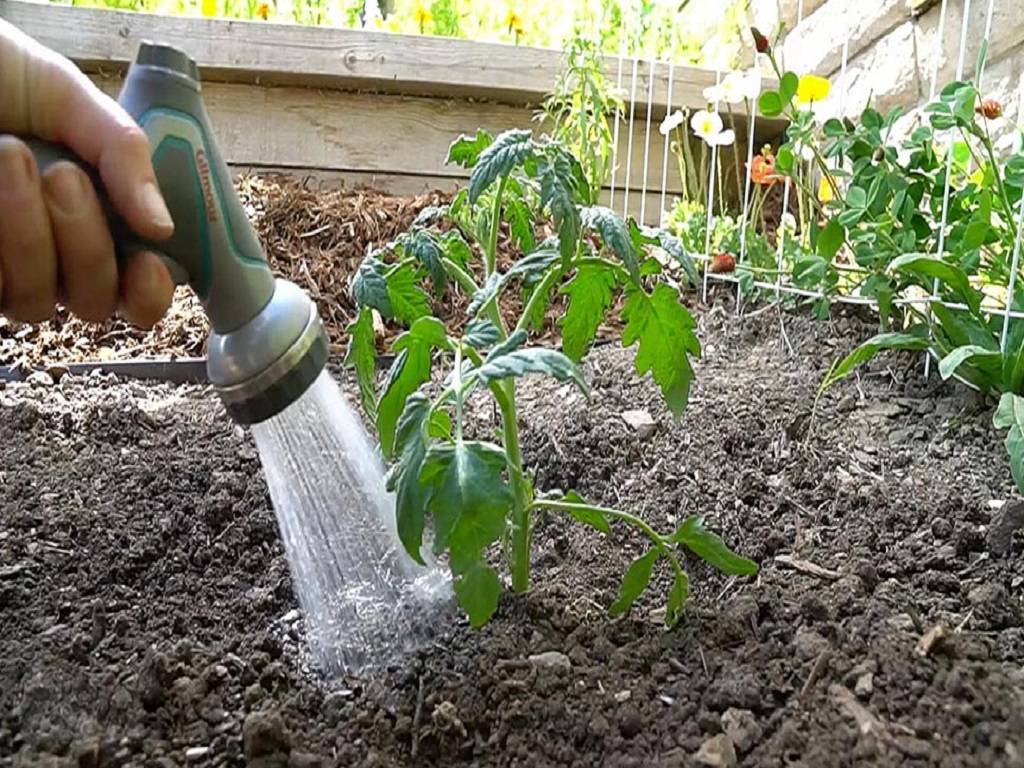
When facing extreme weather conditions during plant transplantation, it is essential to take specific precautions to ensure the survival and health of your plants. Here are some tips to help protect your plants from the challenges of extreme weather:
- Transplant in Optimal Times: Choose early morning or late afternoon for transplanting in extreme heat to reduce stress on plants.
- Provide Insulation: Shield plants from extreme cold by transplanting during milder weather or using temporary insulation like burlap or blankets.
- Water Adequately: Ensure plants are well-watered before transplanting in extreme conditions to help them cope with temperature fluctuations.
- Use Shade Cloth or Shelter: Protect plants from intense sunlight or strong winds during transplanting by using shade cloth or providing temporary shelter.
- Monitor Closely: Keep a close eye on transplanted plants for signs of stress during extreme weather, and adjust care as needed to support their survival and health.