

To rewild your lawn effectively, remove turf grass to make space for native plants and wildlife. Boost biodiversity, reduce excessive watering, and create a thriving ecosystem. Plant native species to support local wildlife, attract pollinators, and require less water. Opt for low-maintenance plants that suit your climate, promoting sustainability and reducing the need for pesticides. Consider bee-friendly alternatives to combat the decline in bee populations and create a sustainable habitat that requires less water and maintenance. Embrace natural lawn cycles by supporting beneficial insects, decomposing organic waste, and attracting diverse wildlife. Support your local ecosystem by taking these steps.
Remove Turf Grass
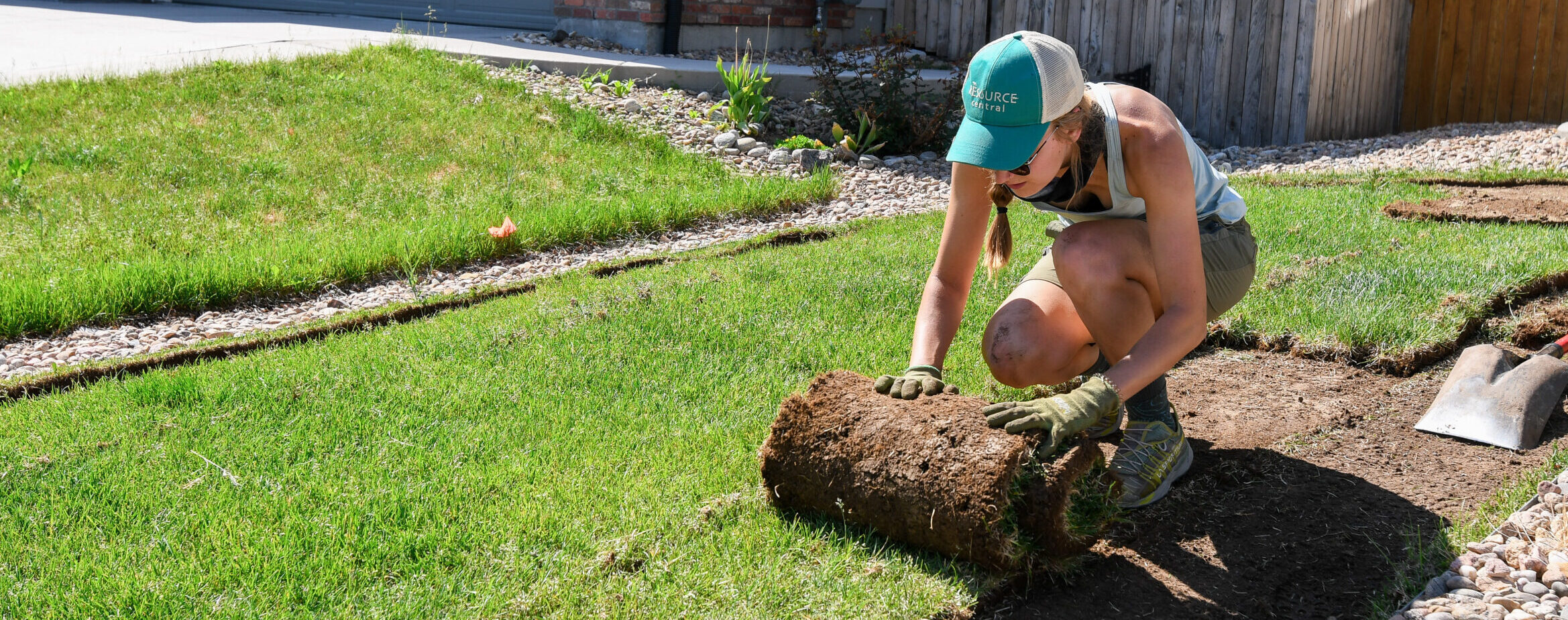
Wondering how to kickstart the rewilding process in your yard? Start by removing the turf grass to make space for native plants and wildlife. By eliminating the turf grass, you create room for a diverse range of native species to thrive, boosting biodiversity in your yard. This removal process allows for the incorporation of organic matter into the soil, promoting healthier growth for new plants. Additionally, getting rid of the turf grass reduces the need for excessive watering, contributing to water conservation efforts.
When you remove the turf grass from your yard, you are taking a significant step towards rewilding the space and supporting local wildlife. This action helps to create a more natural environment that benefits the ecosystem and improves the overall health of your yard. By making way for native plants, you are inviting a variety of species to inhabit the area, fostering a balanced and sustainable ecosystem right in your own backyard.
Plant Native Species

To effectively rewild your lawn, the initial step involves planting native species that support local wildlife and contribute to a sustainable ecosystem. Native plants are well adapted to your local conditions, requiring less water and maintenance compared to non-native species. By choosing native species for your front yard, you can create a habitat that attracts pollinators and boosts biodiversity. These plants not only provide food and shelter for native wildlife but also act as a source of water in your ecosystem. Here is a table highlighting the benefits of planting native species:
| Benefits of Planting Native Species |
|---|
| Supports local wildlife |
| Requires less water |
| Boosts biodiversity |
| Attracts pollinators |
| Creates habitat with simple maintenance |
Choose Low-Maintenance Plants

Selecting low-maintenance plants for your lawn is a strategic way to promote sustainability and biodiversity while minimizing water usage and upkeep. Opting for native plants, such as native grasses and wildflowers, ensures that your lawn thrives in your local climate and soil conditions with minimal intervention. These plants have adapted to the specific environment, making them more resilient to fluctuations caused by climate change. By incorporating low-maintenance plants, you not only reduce the need for pesticides and fertilizers but also attract pollinators and wildlife, enriching the biodiversity of your lawn.
In addition to being environmentally friendly, low-maintenance plants create a visually appealing landscape that requires less effort to maintain. Consider adding a water feature to further enhance the sustainability of your rewilded lawn, providing a water source for both plants and animals. By choosing a variety of low-maintenance plants, you can transform your lawn into a sustainable haven for pollinators and wildlife while enjoying the benefits of a vibrant, biodiverse ecosystem.
Consider Bee-Friendly Alternatives

When looking to rewild your lawn, incorporating bee-friendly alternatives is a sustainable choice that benefits both your yard and the ecosystem. By planting native bee-friendly plants, such as bee turf, you not only create a beautiful and environmentally friendly lawn alternative but also support the rewilding movement and combat the decline in bee populations. Bee turf requires less water and maintenance compared to traditional grass lawns, making it an ideal choice for those looking to establish a sustainable habitat for bees and other pollinators while also reducing their environmental impact. This shift to bee-friendly alternatives not only adds color and life to your yard but also supports biodiversity by providing a natural habitat for these essential insects.
| Benefits of Bee-Friendly Alternatives | |
|---|---|
| Require less water and maintenance | Support biodiversity |
| Combat decline in bee populations | Create a sustainable habitat |
Embrace Natural Lawn Cycles

Embracing natural lawn cycles supports the growth of beneficial insects and microorganisms, enhancing the health and biodiversity of your rewilded yard. Allowing fallen leaves to remain on your lawn provides a cozy habitat for insects, acts as natural mulch that retains moisture, and contributes to soil health by decomposing over time. To further promote wildlife in your yard, consider installing nest boxes and bug boxes to offer shelter and breeding spaces for various creatures. Additionally, incorporating a water source like a birdbath or small pond attracts birds, insects, and other wildlife, creating a thriving ecosystem. Composting organic waste directly in your lawn not only reduces landfill waste but also enriches the soil, naturally fertilizing plants and supporting overall biodiversity. By embracing these natural lawn cycles, you are fostering a more sustainable and diverse environment right in your own backyard.
Support Local Wildlife
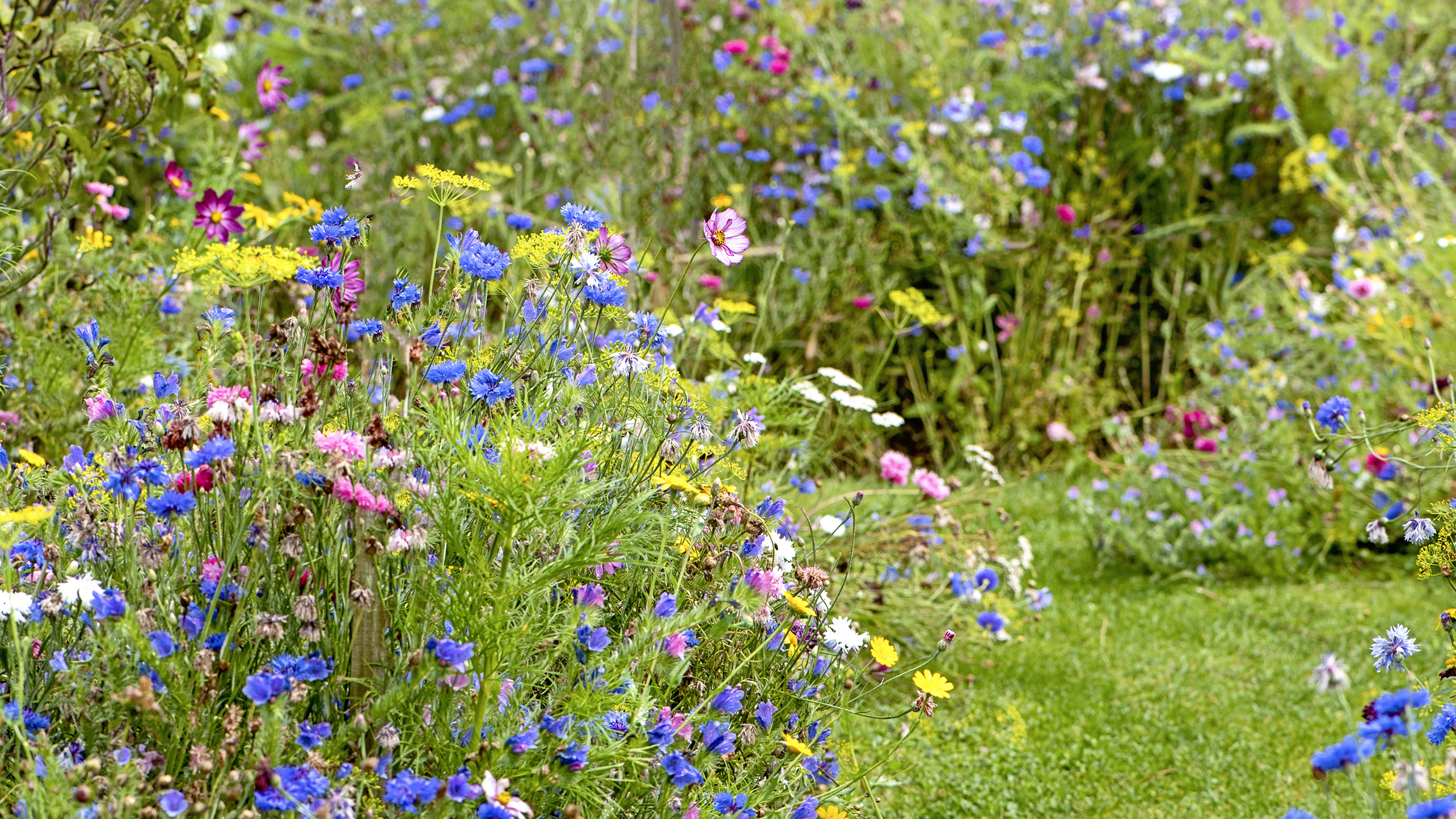
Encouraging local wildlife through rewilding your lawn fosters a thriving ecosystem that benefits various species and promotes biodiversity in your surroundings. By incorporating native plants into your rewilded lawn, you create habitats that offer food sources and shelter for birds, insects, and small mammals. These plants attract pollinators like bees and butterflies, crucial for plant reproduction. Through rewilding, you can establish a diverse ecosystem that contributes to the overall health of the local wildlife population. This restoration of balance helps in preventing vines from choking native species and supports the delicate web of life in your area. Providing shelter for wildlife through rewilding not only enhances the beauty of your lawn but also plays a vital role in promoting biodiversity. Embrace the opportunity to support local wildlife by rewilding your lawn and witness the positive impact on the environment around you.