

To get rid of mushrooms in your yard, start by removing them manually. Wear gloves, mow over them, and dig deep. Dispose all pieces in a sealed bag. Prevent their return by improving drainage, avoiding overwatering, and increasing sunlight. Use natural remedies like coffee grounds and water with dish soap. If needed, turn to commercial fungicides, following instructions closely. Regular maintenance such as aerating the soil and keeping the yard clutter-free also helps. Keep your outdoor space mushroom-free by staying proactive and thorough.
Reasons for Yard Mushrooms

Yard mushrooms often pop up due to the presence of organic matter such as thatch, stumps, and buried debris in the soil. These fungi thrive on the nutrients provided by the organic matter left in your yard, growing in the first place as a result. Mushrooms in your yard are a sign of a healthy ecosystem, as they break down materials to offer nutrients to other plants. Factors like overwatering, poor soil drainage, and decaying organic matter contribute to mushroom growth in yards. Some mushrooms form fairy rings, circular shapes in the grass, indicating the presence of underground mycelia. It’s crucial to note that even if visible mushrooms disappear, the fungi are often not eliminated entirely, as they continue thriving underground. Understanding the reasons for lawn mushrooms in your yard can help you manage their presence effectively and maintain a healthy outdoor environment.
Identifying Yard Mushrooms
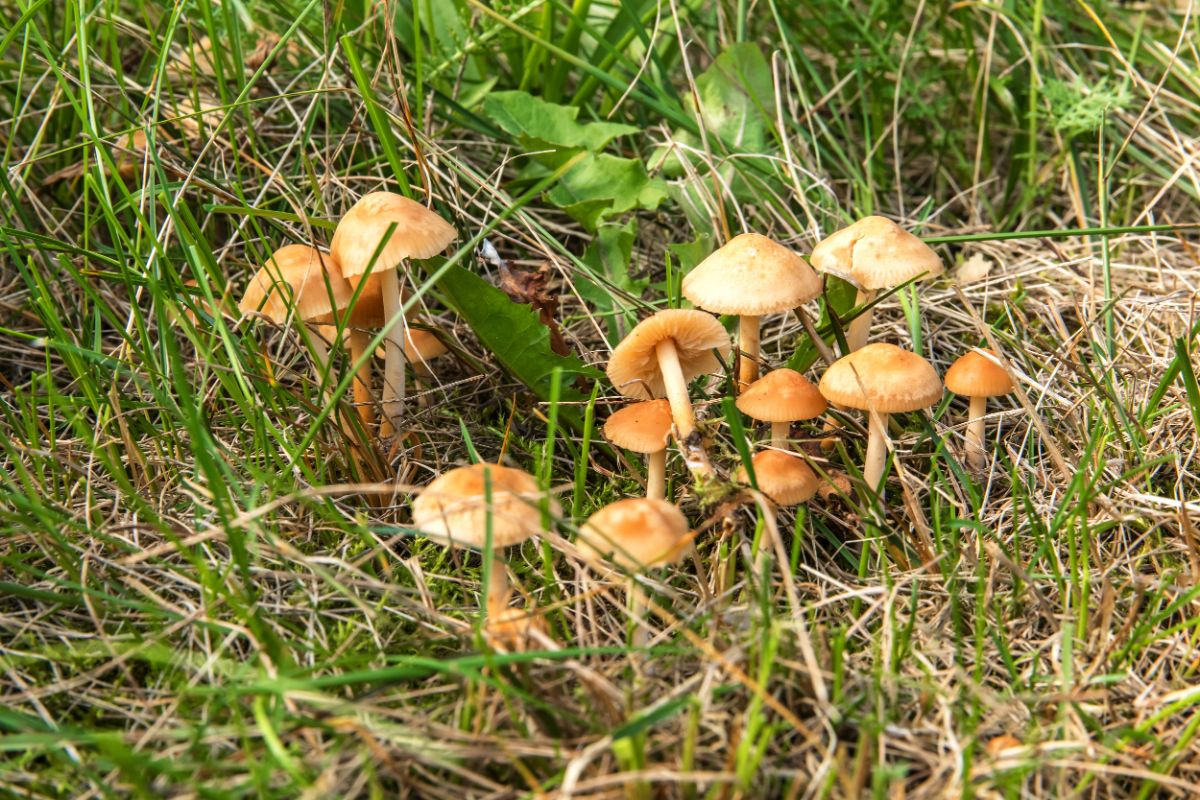
To identify yard mushrooms effectively, observe the various shapes, sizes, colors, and growth patterns of the different types present in your lawn. Yard mushrooms, belonging to the basidiomycota group, encompass over 10,000 known species, each with distinct characteristics. Keep an eye out for fairy rings, circular or semi-circular formations in the lawn caused by some mushroom species. These rings may lead to greening of the grass due to ammonia release. Different yard mushrooms can vary significantly in appearance, making it essential to closely examine each type. Some mushrooms may appear as small, white specks, while others can be larger and have various colors like white, brown, or even vibrant hues. Understanding the species growing in your yard can help in devising an effective strategy to manage them. By familiarizing yourself with the diverse array of yard mushrooms, you can better address any issues they may cause in your lawn.
Risks of Yard Mushrooms

When dealing with yard mushrooms, being aware of the potential risks they pose is essential for maintaining a safe outdoor environment. Some yard mushrooms can be toxic if ingested, making them a hazard for children and pets. Additionally, certain mushrooms emit unpleasant odors, which can signify underlying issues with the grass or soil in your yard. These fungi may indicate problems such as poor drainage, insufficient sunlight, or an abundance of organic matter, highlighting the importance of addressing these issues promptly.
It’s crucial to understand that mushrooms serve as the reproductive structures for underground fungi, spreading through the release of spores. By managing yard mushrooms effectively, you can mitigate potential risks and create a healthier outdoor space for your family and pets. Keep a close eye on any mushrooms that pop up in your yard, and take action to address them to ensure a safe and pleasant environment for everyone to enjoy.
Types of Yard Mushrooms
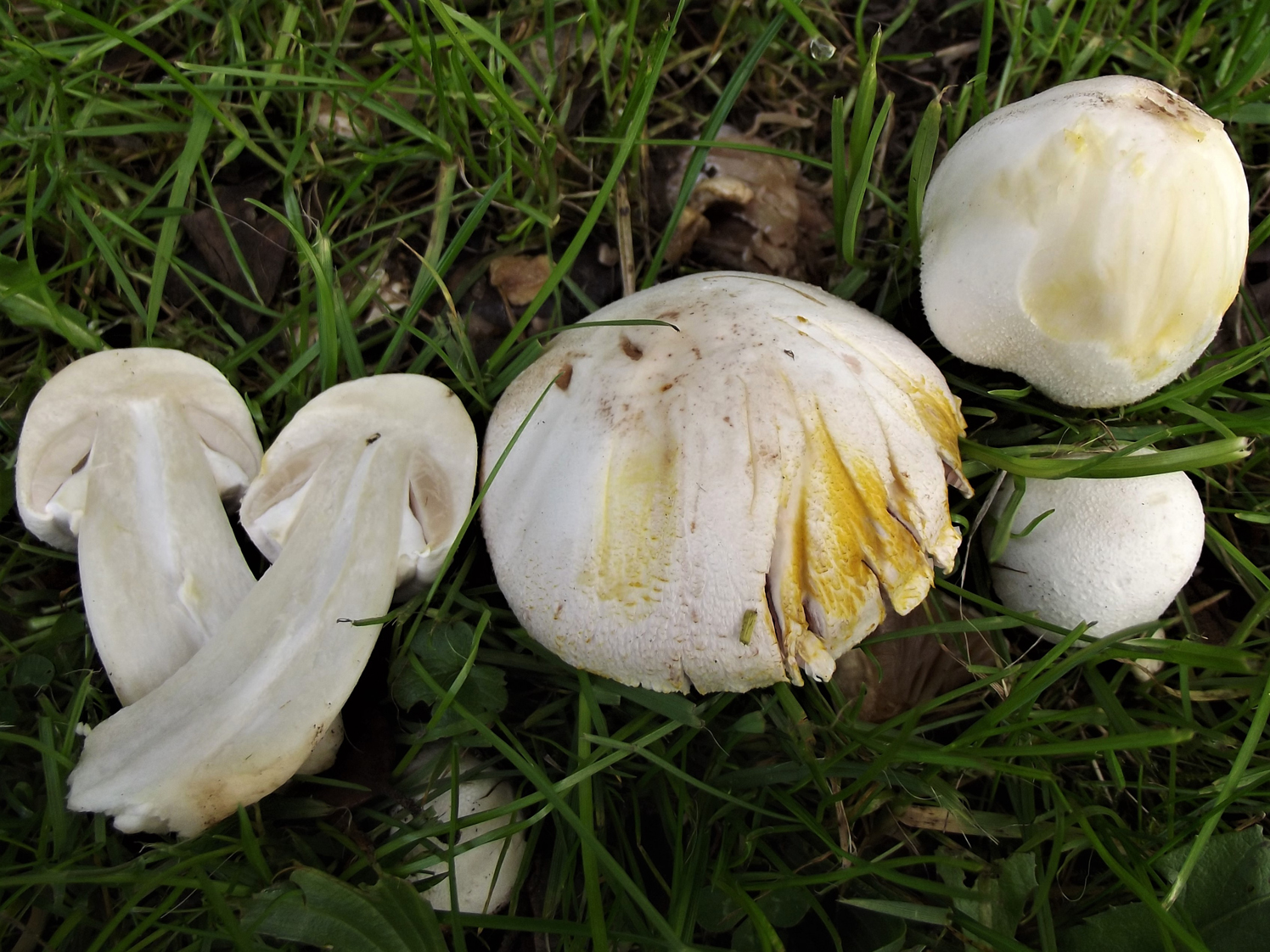
Identifying types of yard mushrooms involves closely observing their distinct characteristics such as shape, size, color, gills or pores, location, and growth patterns. Here are some common yard mushrooms you might encounter:
| Mushroom Type | Characteristics | Prevention Tips |
|---|---|---|
| Field Mushroom | Medium-sized, white or tan, with pink gills underneath. | Remove decaying organic matter regularly. |
| Yellow Stainer | Small to medium-sized, yellow cap that stains blue-green. | Improve drainage to prevent waterlogged areas. |
| Lawyers Wig | Large, white, and bell-shaped with a flaring rim. | Avoid overwatering your lawn. |
| Puffball | Round, white, and puff out spores when mature. | Increase sunlight exposure to the affected area. |
| Fairy Ring Champignons | Small, tan, forming circles in the grass. | Aerate the soil to improve drainage and reduce thatch build-up. |
Removing Yard Mushrooms
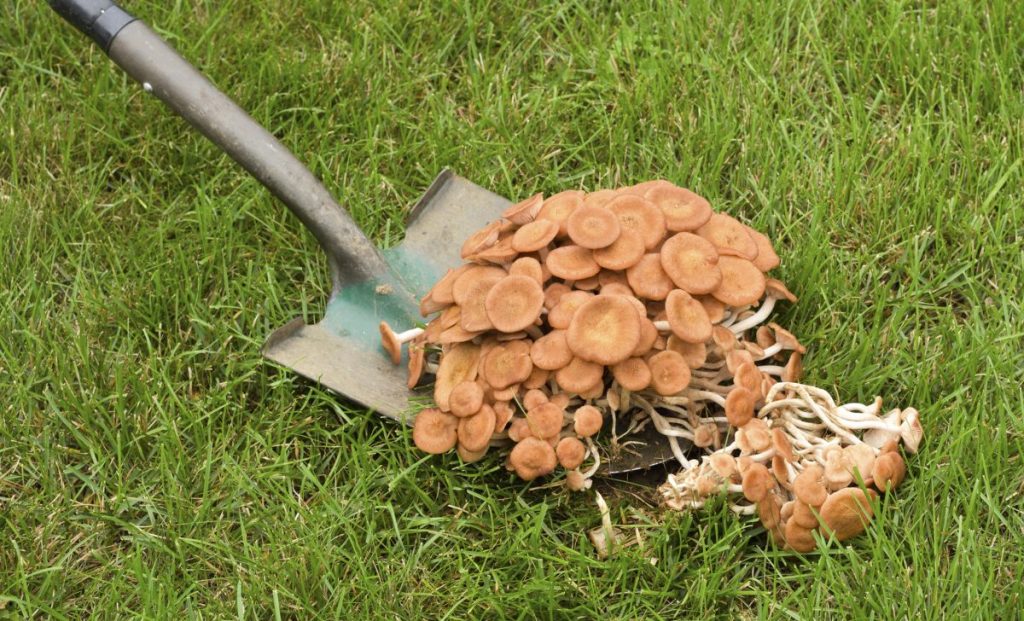
To effectively address the issue of mushrooms in your yard, the first step is ensuring proper removal techniques are applied to prevent regrowth and spreading. When removing yard mushrooms, it’s crucial to wear gloves and pick them up to dispose of in the trash. Mowing over mushrooms and collecting the pieces can help prevent further spread in your yard. For a more thorough removal, dig out mushrooms at least 12 inches deep to eliminate the fungus cluster effectively. Make sure to dispose of all mushroom pieces in a sealed trash bag to prevent the problem from amplifying in your yard.
Additionally, consider using dish soap mixed with water to wash away any remaining spores that might be present. Avoid leaving organic matter like grass clippings or tree stumps in your yard, as they can contribute to the nutrients available for mushroom growth. Remember, while mushrooms may disappear naturally due to changes in weather conditions, proactive removal is recommended to prevent future occurrences.
Preventing Yard Mushrooms
Improving soil drainage and removing organic debris are key steps in preventing yard mushrooms from thriving in your outdoor space. Mushrooms grow when conditions are right, so focus on aerating your soil and avoiding overwatering to deter their growth. Ensure that water doesn’t pool in your yard by adjusting your irrigation practices and keeping the soil moisture levels less favorable for mushrooms. Additionally, eliminate mushroom food sources by regularly cleaning up dead roots and leaves from your yard.
Increasing sunlight exposure is another effective way to prevent mushrooms from taking over. Trim trees and bushes to allow more sunlight to reach the ground, creating an environment less suitable for mushroom growth. If you’re still facing mushroom problems, consider using natural fungicides like a mixture of vinegar and dish soap to deter their development. By implementing these preventative measures, you can keep your yard free from unwanted mushrooms and maintain a healthy outdoor space.

Natural Methods for Removal
To tackle the issue of mushrooms in your yard, consider employing natural methods for their removal that are effective and eco-friendly. When mushrooms appear, you can take away their favorable conditions by using simple household items. Sprinkling coffee grounds in the affected area can help change the soil pH, making it less hospitable for mushroom growth. Additionally, a mixture of water and dish soap in a spray bottle can be used to naturally kill mushrooms.
Removing decaying organic matter like leaves and mulch can create an environment that is less welcoming to mushrooms. Ensure proper drainage in your yard to prevent excess moisture, as mushrooms thrive in damp conditions. Increasing sunlight exposure by trimming trees and bushes can also discourage mushroom growth, as they prefer shaded areas. By implementing these natural methods, you can effectively manage and reduce the presence of mushrooms in your yard without harming the environment.
Chemical Treatment Options
Consider utilizing commercial fungicides designed specifically to effectively eliminate mushrooms in your yard. When using chemical treatments, it is crucial to follow the instructions on the fungicide carefully for safe and proper application. Chemical treatments can offer a more permanent solution for getting rid of mushrooms in your yard. However, it is essential to ensure that the fungicide you choose does not harm other plants in your yard while targeting the mushrooms. Regular application of fungicides can help prevent future mushroom growth, maintaining a mushroom-free yard. Remember to wear protective gear, such as gloves and a mask, when applying chemical treatments, and keep children and pets away from the treated areas until it is safe. By using fungicides correctly and consistently, you can effectively eliminate mushrooms and create a healthier, more aesthetically pleasing outdoor space.

Maintaining a Mushroom-Free Yard
To keep your yard free of mushrooms, start by regularly removing any visible mushrooms by hand to prevent their spores from dispersing and regrowing. This simple step can help control the spread of mushrooms popping up in your yard. Additionally, consider the following tips to maintain a mushroom-free yard:
- Improve Soil Drainage: Mushrooms thrive in moist environments, so enhancing soil drainage can make it less hospitable for them to grow.
- Minimize Organic Matter: Reduce the presence of thatch and debris in your yard as they serve as food sources for mushrooms, helping to prevent their growth.
- Properly Dispose of Mushrooms: When removing mushrooms, make sure to dispose of them properly to avoid spreading fungal spores around your yard.
Furthermore, regularly aerating your lawn can help improve soil compaction and promote healthy grass growth, which in turn can deter mushrooms from taking over your yard. By following these practical tips, you can maintain a beautiful, mushroom-free yard.