

To control pests in your aquaponics system, I recommend starting with regular inspections to catch issues early. You can manually remove pests like aphids and whiteflies with a simple water spray or by using sticky traps to monitor and capture them. For a more natural approach, introducing beneficial insects such as ladybugs or using neem oil, properly diluted to ensure fish safety, can effectively manage pest populations. Adjusting environmental factors—like maintaining optimal temperature and humidity levels—also significantly helps in deterring pests. With these methods, you’ll create a healthier environment for both plants and fish, and uncover even more nuanced strategies along the way.
Understanding Aquaponics Pest Types
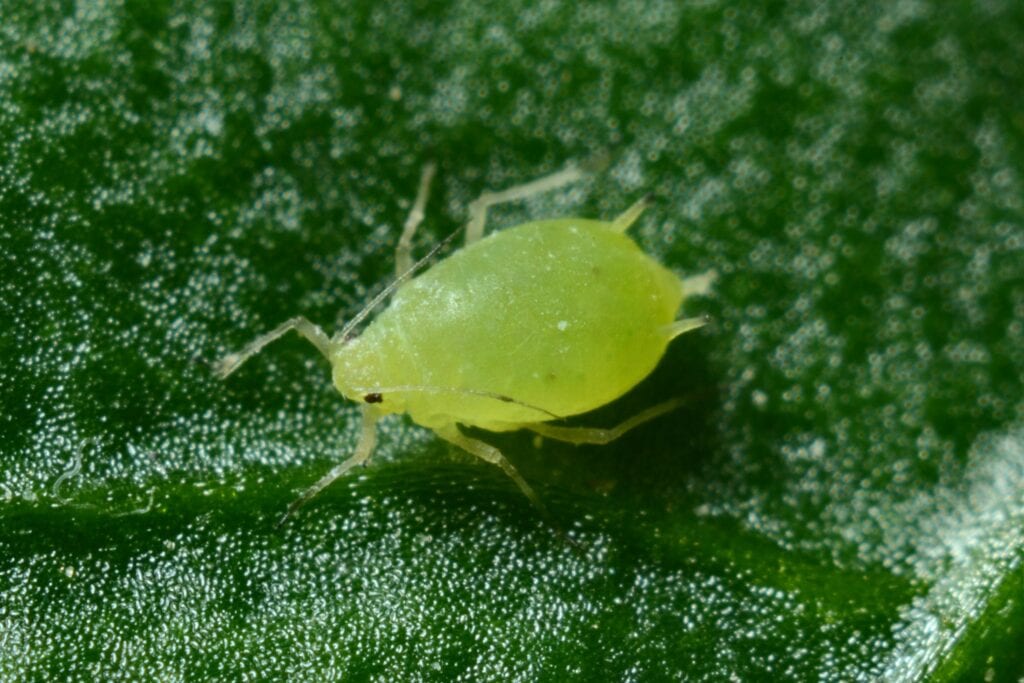
Understanding the types of pests that can invade your aquaponics system is essential for maintaining plant health and productivity.
Common pests such as aphids, whiteflies, caterpillars, thrips, and mealybugs pose significant threats.
Aphids can quickly overrun plants, spreading diseases as they feed. Whiteflies weaken plants by sucking sap, causing leaves to yellow and wilt. Caterpillars chew through leaves and flowers, drastically reducing plant vigor. Thrips mar plant leaves with silvery blotches and can spread viruses. Mealybugs excrete honeydew, which attracts further pest issues.
Regularly monitoring and early identification are key in pest control; spotting these pests early can prevent severe damage and help maintain the overall productivity of your aquaponics setup.
Additionally, introducing natural predators such as ladybugs and lacewings can significantly help manage aphid populations, promoting a healthier plant environment.
Strategies for Manual Pest Removal
After exploring the various pests that can affect your aquaponics system, it’s important to focus on effective removal techniques.
Regularly inspect plants to catch pests early. Manual removal, such as brushing or pinching, is great for small pests like aphids. For larger pests, like tomato hornworms, handpick them at dawn or dusk.
Water sprays can dislodge pests like whiteflies without harming your plants or aquatic life. Utilize sticky traps above plants to monitor pest populations and catch flying insects. This proactive measure helps manage potential infestations before they escalate.
Always maintain cleanliness by removing decaying materials and debris, as this minimizes the breeding grounds for pests in your aquaponics system.
Additionally, incorporating beneficial nematodes can target soil-borne pests, enhancing the natural balance and health of your aquaponics ecosystem.
Implementing Organic Pest Control
Switching to organic pest control in your aquaponics system not only protects your plants but also maintains the health of your aquatic life.
By using neem oil, mixed at two tablespoons per gallon of water, you’ll effectively deter pests without harming your fish.
Introducing beneficial insects like ladybugs and dragonflies aids in biological pest control by preying on aphids and whiteflies.
Implementing companion planting with herbs such as garlic and mint naturally repels pests, enriching your system’s biodiversity and resilience.
Additionally, sticky traps serve as an essential monitoring tool, capturing pests like thrips and whiteflies early on.
To further enhance the effectiveness of your pest management, consider implementing eco-friendly alternatives like soapy water alongside neem oil, as part of an integrated approach to minimize chemical use.
Regular inspections are crucial in this integrated pest management approach, ensuring your system remains balanced and thriving organically.
Adjusting Environmental Factors
Building on our approach to organic pest control, adjusting environmental factors is another effective strategy to ensure the health and productivity of your aquaponics system.
Maintaining an optimal temperature between 70°F and 80°F is crucial for bolstering plant health and reducing pest infestations. Similarly, keeping humidity levels between 50% and 70% can deter pests that thrive in overly humid conditions. It’s essential to monitor and adjust these levels regularly.
Ensuring your system receives 12-16 hours of light daily and implementing regular water circulation with good aeration prevents stagnation, which attracts pests.
Proper plant spacing enhances air circulation and minimizes disease risk by reducing the likelihood of pests harboring close to each other, thus promoting healthier growth and a more resilient system.

Employing Biological Control Methods
While adjusting environmental factors forms a solid foundation for pest control in aquaponics, incorporating biological control methods enhances this approach by harnessing nature’s own mechanisms.
Here’s how you can implement these strategies:
- Beneficial Insects: Introduce ladybugs and lacewings to target aphids and whiteflies, reducing pest populations naturally.
- Parasitoid Wasps: Utilize these wasps to interrupt pest life cycles by laying eggs inside them.
- Bacillus thuringiensis (BT): Apply this predator bacteria to specifically target and manage caterpillar larvae, ensuring environmentally safe control.
- Venerate CG: Incorporate this product to handle thrips, mites, and aphids effectively.
- Monitoring Techniques: Regularly use sticky traps and visual inspections to monitor the effectiveness of biological controls and maintain manageable pest levels.
Exploring Chemical Control Safeguards
After exploring biological methods, it’s crucial to understand the safeguards involved with chemical controls in aquaponics. Knowing the LC50 value of pesticides like Pyrethrin, which is lethal to 50% of rainbow trout at just 0.005 mg/L, helps set safe application rates.
Always adhere to label instructions; they’re legal guidelines that ensure minimal environmental harm and safeguard fish health. Implementing sump-based systems and avoiding pesticide application near water surfaces can prevent harmful runoff.
Additionally, consistent monitoring of water for pesticide levels is essential to keep them below harmful thresholds.
Don’t forget the personal safety precautions: wearing gloves, goggles, and protective clothing is vital during pesticide application, maintaining a secure environment for both yourself and your aquaponic system.
Enhancing Knowledge Through Resources
One can significantly enhance their understanding of pest control in aquaponics through a variety of resources available online and in the community.
Diving into this wealth of information not only broadens your knowledge but also empowers you to implement more effective and sustainable pest management strategies.
- Educational Videos: Access tutorials on YouTube for visual learning about Integrated Pest Management (IPM) in aquaponics.
- Community Resources: Join forums and community groups to exchange knowledge and learn from shared experiences.
- Workshops: Attend local workshops offered by agricultural extension services for practical advice and techniques.
- Online Courses: Subscribe to courses that keep you updated on the latest research and best practices.
- Expert Advice: Seek out guides and articles that provide expert insights into sustainable pest management.