

To attract deer to your yard swiftly, use deer calls, nutrient-rich plants, secure shelter, mast trees, and enticing scents. Mimic deer sounds accurately with calls and strategically place decoys closer to tree stands. Plant clover, soybeans, and corn for high nutrition, and create diverse food plots. Provide shelter with dense vegetation and offer bedding areas for rest. Mast trees like oak and apple offer nutritious nuts and fruits. Use natural scents strategically and place water sources near bedding areas. Implementing these tactics will surely draw deer to your yard today!
Deer Calls and Decoys

To effectively attract deer using calls and decoys, it is essential to understand the nuances of deer vocalizations and proper decoy placement. Deer are highly attuned to their environment, particularly when it comes to food sources and bed areas. When utilizing deer calls, it is crucial to mimic the sounds of deer accurately. Rattling should be done strategically, with variations in duration, sound, and volume to simulate natural deer interactions effectively.
Decoy placement is equally important. For bowhunters aiming to attract deer, placing decoys closer to tree stands or blinds can significantly increase the likelihood of a successful hunt. Deer are more likely to approach cautiously when they spot a decoy within their comfort zone. However, it is essential to avoid using decoys in feed fields during the afternoon, as this may alert deer to potential danger.
Nutrient-Rich Plants and Food Plots

Understanding the value of nutrient-rich plants and food plots is key to effectively attracting deer to your yard. Planting food plots with crops like clover, soybeans, and corn can significantly increase deer activity due to their high nutritional content. These plants offer deer a diverse and appealing food source, supplementing their natural diet with essential nutrients. By strategically planting food plots, you can create a habitat that entices deer to visit regularly. Thick vegetation in these plots provides cover and security for deer, making them feel comfortable and safe while feeding. Moreover, maintaining and caring for these food plots is crucial to ensuring a consistent food supply for deer throughout the seasons. By incorporating nutrient-rich plants and food plots into your yard, you can attract and retain deer, enhancing the wildlife presence in your outdoor space.
Secure Shelter and Cover
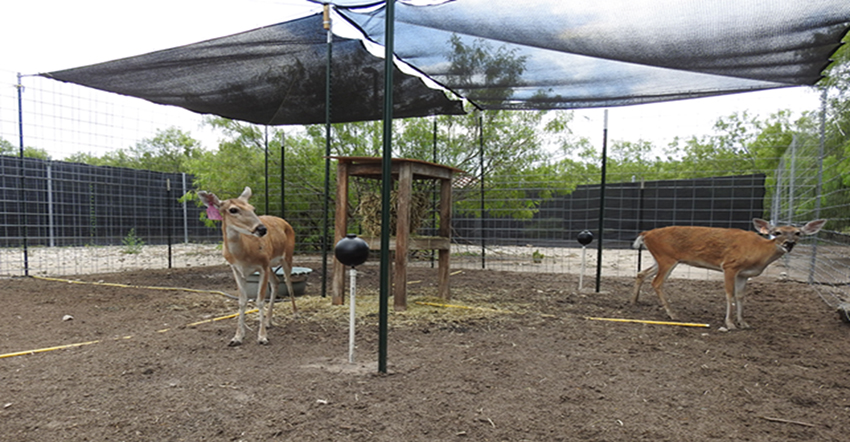
Creating a safe haven with dense vegetation is crucial for providing deer with a sense of security in your yard. Deer seek out bedding areas filled with thick vegetation to rest and hide from potential threats. By planting tall grasses, shrubs, and other dense vegetation strategically, you can offer deer the cover they need to feel safe and protected. This not only attracts deer looking for shelter but also enhances the overall appeal of your yard to them.
Incorporating dense vegetation in your yard serves as a natural way to create a secure environment for deer. The presence of thick cover not only provides a place for deer to bed down but also encourages them to explore and stay longer in the area. Offering a combination of food sources and shelter increases the chances of deer visiting your yard regularly. Therefore, consider planting vegetation that offers both food and cover to create an inviting space for deer to thrive.
Mast Trees and Minerals

Mast trees like oak and chestnut play a significant role in attracting deer to your yard, thanks to the high nutritional value of their nuts. Soft mast trees, such as apple and persimmon, produce fruits that are irresistible to deer. Planting these trees on your property can be a long-term strategy to attract deer. Make sure they’re left undisturbed to provide a consistent food source for deer.
To enhance the attraction of deer to your yard, consider strategically placing minerals like white salt and trace minerals. Mineral stumps can also be utilized to offer safe and nutritious sprouts for deer to consume. The table below summarizes the key points for attracting deer through mast trees and minerals:
| Aspect | Description |
|---|---|
| Mast Trees | Oak and chestnut provide high-nutrient nuts for deer attraction. |
| Soft Mast Trees | Apple and persimmon offer irresistible fruits for deer. |
| Minerals | White salt and trace minerals can be placed strategically. |
| Mineral Stumps | Provide safe and nutritious sprouts for deer to consume. |
Scents and Water Sources

Utilizing natural and synthetic scents can effectively capture a deer’s attention and guide them towards a specific location. Deer have a keen sense of smell, making scents a powerful tool for attracting them. Hanging wicks and using scent drags with odors like deer urine or food-based smells can be particularly enticing to deer, drawing them closer to your yard. These scents mimic natural deer markers, piquing their curiosity and increasing the likelihood of deer visiting your property.
In addition to scents, water sources play a crucial role in attracting deer. Deer are naturally drawn to water, as they require substantial amounts for hydration and daily activities. Strategically placing small watering holes in your yard can significantly increase deer traffic. Big bucks, in particular, can consume 3-5 quarts of water per day, emphasizing the importance of providing accessible water sources for attracting deer. By situating water holes near bedding areas, you can create a welcoming environment that entices deer to visit your yard for drinking and bathing purposes.