Are you looking for a profitable and innovative way to grow vegetables? Have you heard of hydroponics but don’t know where to start? Well, I’ve got some exciting news for you!
In this article, I’ll guide you through the complete process of growing hydroponic vegetables for profits. We’ll cover everything from setting up your system, selecting the right crops, maximizing yields, and ultimately turning your hobby into a successful business venture. As someone who has personally experienced the benefits of hydroponics for profitability, I’m excited to share my expertise with you. So whether you’re a beginner or an experienced gardener looking to expand your skills, this comprehensive guide is perfect for anyone interested in growing hydroponic vegetables for profit. Let’s get started on this green and lucrative journey together!
So, Growing Hydroponic Vegetables for Profits (The Complete Guide)
Growing Hydroponic Vegetables for Profits (The Complete Guide)
Hydroponic vegetable farming has become increasingly popular in recent years as a profitable and sustainable alternative to traditional soil-based agriculture. This method involves growing plants without the use of soil, using water and nutrient solutions instead. With the demand for fresh, locally-grown produce on the rise, hydroponic farming presents an exciting opportunity for entrepreneurs looking to enter the agricultural industry.
So how exactly can one turn hydroponics into a profitable venture? The key lies in understanding the basics of this unique farming technique and implementing effective business strategies. Let’s take a closer look at some important factors to consider when embarking on your journey towards growing hydroponic vegetables for profit.
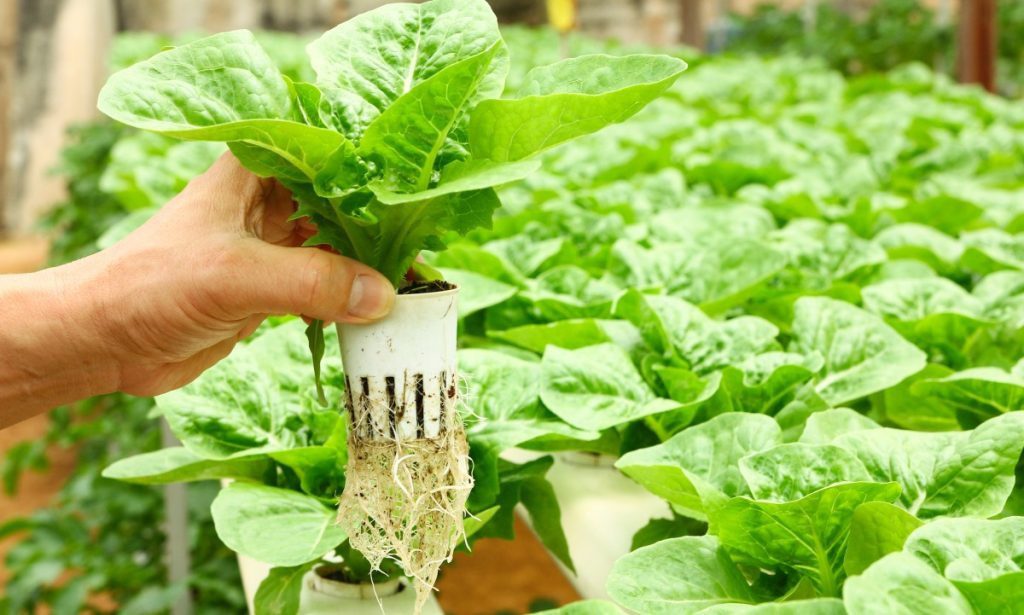
First and foremost, it is essential to choose suitable crops that are well-suited for hydroponic cultivation. Leafy greens like lettuce, spinach, and kale are excellent options as they have shallow root systems and grow quickly in nutrient-rich environments. Other popular choices include tomatoes, cucumbers, peppers, herbs, and strawberries.
Next comes setting up your farm infrastructure. Unlike traditional farms that require large plots of land with fertile soil, hydroponics can be done indoors or outdoors on smaller scales with minimal space requirements. This makes it accessible even in urban areas where land may be scarce or expensive.
Investing in high-quality equipment such as pumps, reservoirs, lighting systems (if growing indoors), pH meters and timers is crucial for maintaining optimal conditions for plant growth. Additionally, choosing the right type of growing medium – whether it be perlite or coconut coir – is essential for providing adequate support and drainage to your plants’ roots.
Another critical aspect of successful hydroponic vegetable farming is closely monitoring nutrient levels in your solution to ensure healthy plant growth. It’s important to understand which nutrients each crop requires at different stages of growth so you can adjust accordingly.
Marketing plays a significant role in turning your harvest into profits. With consumers becoming more conscious of where their food comes from, there is a growing demand for locally-grown produce. Utilizing social media platforms and participating in farmers’ markets are effective ways to reach potential customers and promote your brand.
In conclusion, while hydroponic vegetable farming may require some initial investment and learning curve, it has the potential to be a profitable business venture. By carefully selecting crops, investing in quality equipment, monitoring nutrient levels, and effectively marketing your products, you can reap the rewards of this innovative method of agriculture. So why not take the plunge into hydroponics – the future of sustainable farming?
Setting Up Your Hydroponic System for Optimal Vegetables Growth
Setting up your hydroponic system is a bit like setting up your own personal laboratory, but instead of test tubes and microscopes, you have nutrient solutions and light fixtures. First things first: decide on the type of system that will best suit your needs. The eBB-and-flow, also known as flood-and-drain, could be a great start for beginners because it’s easy to manage and inexpensive to build. Or maybe you’re more inclined towards trying out the advanced aeroponic system? It’s pricier but enables faster plant growth due to high oxygen levels. Your choice must factor in the space available, types of plants planned for cultivation, cost implications, and overall maintenance demands.
Now comes an exciting part: selecting suitable vegetables!
In hydroponics, not all veggies are created equal; some thrive better than others in this environment.
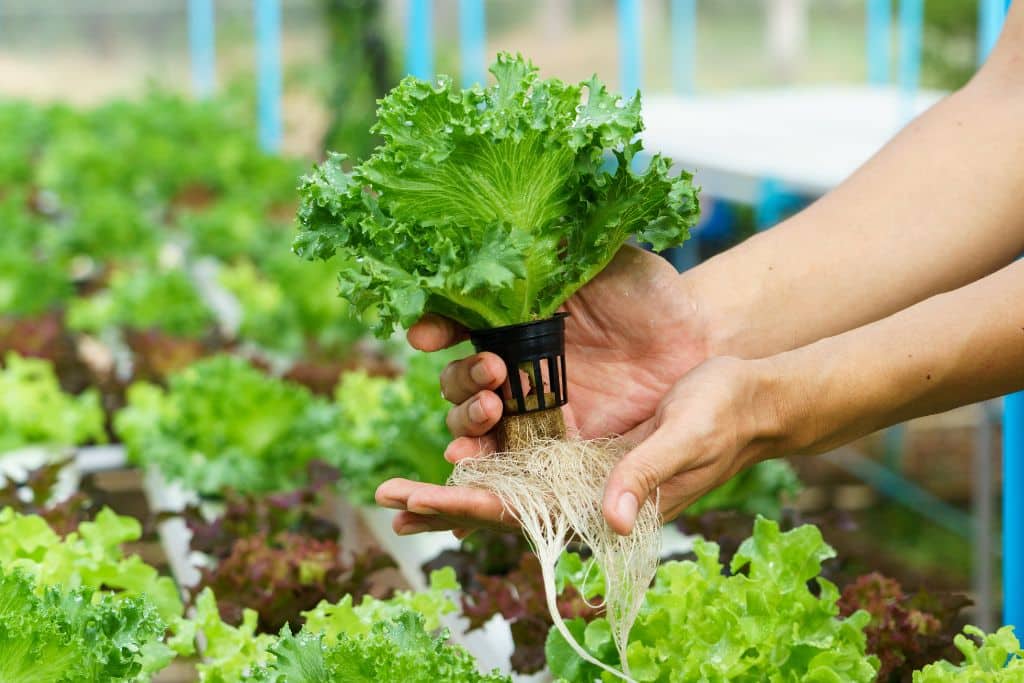
- Lettuce: This quick-growing leafy green loves hydroponics!
- Cucumbers: Prefer warmer conditions – ideal if you live somewhere with high temperatures.
- Spinach: Another leafy veg that grows well in this setup.
After deciding which vegetable(s) suits your preference and climatic conditions best (don’t forget about nutritional value), research about their specific nutrient requirements for optimal development.
In all these steps remember always see what works best with trial & error until achieving desired results! After all gardening anywhere let alone Hydroponically can be tricky at times!