
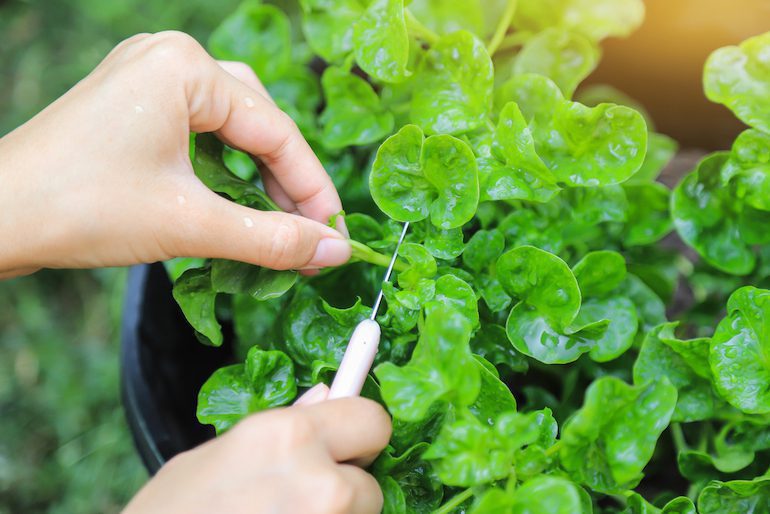
To grow watercress without soil, choose suitable varieties and use soilless potting mixes like vermiculite or perlite. Propagate from stem cuttings in water with rocks for year-round indoor cultivation. Maintain 60-70°F temperature, provide partial shade to full sun, and ensure constant water supply with nutrient-rich soil. Water regularly, feed with balanced liquid fertilizer every 2 weeks, and manage pests with neem oil or insecticidal soap. Harvest mature leaves with clean shears, trim outer leaves consistently, and store in the refrigerator. Cultivate successfully with proper techniques for optimal growth and yield.
Benefits of Soilless Watercress Cultivation
By utilizing soilless cultivation methods for watercress, you can effectively mitigate the risks associated with soil-borne diseases and pests. Soilless potting mixes or hydroponic systems provide an ideal environment for watercress growth by eliminating the need for traditional soil-based planting. In these systems, watercress roots directly access the necessary nutrients from the nutrient solution, leading to optimized nutrient uptake. This targeted delivery ensures that the plant receives the essential elements it needs for healthy development.
Moreover, soilless cultivation is particularly advantageous in urban settings where space is limited. By growing watercress without soil, you can avoid the risks of soil contamination and produce cleaner, healthier plants with enhanced flavors. The controlled environment of soilless systems allows for precise adjustments in nutrient levels, resulting in consistent growth and high-quality yields. Overall, soilless cultivation offers a sustainable and efficient method for cultivating watercress while maximizing nutrient absorption and minimizing the impact of soil-borne issues.
Suitable Varieties for Soilless Growth
For successful soilless cultivation of watercress, choosing suitable varieties is crucial to ensure optimal growth and yield in controlled environments. Watercress varieties suitable for soilless growth include the generic type commonly found in Australia. The ability to grow watercress without soil provides a convenient method for indoor cultivation in containers or hydroponic systems. Soilless potting mixes like vermiculite or perlite offer the necessary support for watercress in soilless conditions, allowing for efficient growth. Watercress can be propagated from stem cuttings in water-filled vases with rocks, eliminating the need for traditional soil altogether. This method of growing watercress without soil not only simplifies the cultivation process but also enables individuals to enjoy this nutrient-rich herb year-round in indoor settings. By selecting appropriate watercress varieties and utilizing soilless potting mixes, you can create a thriving environment for watercress growth without the need for traditional soil.
Ideal Growing Conditions Indoors
To ensure successful indoor cultivation of watercress, maintaining ideal growing conditions is paramount. Watercress thrives in cooler temperatures ranging from 60-70°F, making it suitable for indoor growth. It is important to provide partial shade to full sun to promote optimal growth of the plant. Constant water supply is essential for healthy watercress growth, ensuring the roots have access to an adequate water source. Nutrient-rich soil is necessary for indoor watercress cultivation, as it provides the plant with essential minerals for robust development. Regular pruning is also crucial to maintain and promote watercress growth indoors, aiding in controlling its shape and encouraging new growth.
| Ideal Conditions | Description | Importance |
|---|---|---|
| Temperature | Maintain 60-70°F | Optimal growth |
| Light | Partial shade to full sun | Promotes growth |
| Water Supply | Constant water access | Essential |
| Soil Quality | Nutrient-rich soil | Necessary |
| Pruning | Regular pruning | Promotes growth |
Propagation Techniques for Watercress
Watercress propagation methods involve utilizing stem cuttings or seeds for soil-free growth. Stem cuttings are a popular way to propagate watercress plants. Simply place the cuttings in water-filled vases with rocks to support them. This method is efficient, allowing the cuttings to root and develop into new plants quickly. Seeds are another option for propagating watercress without soil. You can sow the seeds directly in water-filled containers. To ensure successful propagation, remember to change the water regularly. This helps to maintain optimal conditions for the growth of watercress plants. Additionally, trimming the plants as needed is essential for their health. By following these techniques, you can propagate watercress effectively without the use of soil.
Watering and Nutrient Requirements
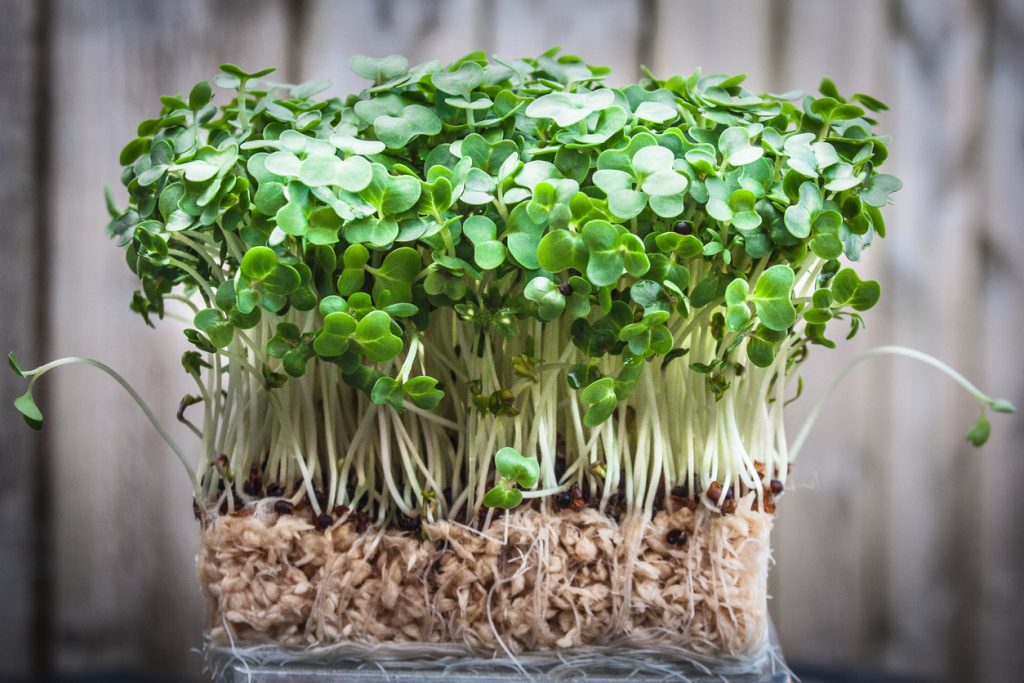
Consistently maintaining the soil moisture at an optimal level is crucial for the healthy growth of watercress, ensuring it thrives in a nutrient-rich environment. Watercress requires regular watering to keep the soil moist, but it is essential to avoid waterlogging, which can lead to root rot. To provide the necessary nutrients for its growth, consider feeding the watercress with a balanced liquid fertilizer every 2 weeks. Adjust the feeding schedule according to the plant’s growth stage to ensure it receives adequate nutrition for healthy development. A nutrient-rich environment is vital for the watercress to thrive and produce abundantly. Proper watering and feeding practices are fundamental in caring for watercress to promote optimal growth and a successful harvest. In the upcoming section on pest management, we will discuss how to address common pests like aphids and caterpillars that can pose a threat to your watercress crop in a soilless system.
Pest Management Strategies
Implement neem oil or insecticidal soap as natural control methods for common pests like aphids and caterpillars on watercress for effective pest management. Regularly inspect your watercress crop for signs of fungal diseases and take immediate action to prevent further spread. Adopt cultural practices such as proper spacing and ensuring adequate airflow to minimize pest infestations on your watercress plants. Keep a close eye on the underside of the watercress leaves for pests like spider mites, which can cause substantial damage if not addressed promptly. Integrated pest management strategies are key to maintaining a healthy watercress crop without resorting to chemical pesticides.
| Pest | Control Methods |
|---|---|
| Aphids | Neem oil or insecticidal soap |
| Caterpillars | Neem oil or insecticidal soap |
| Fungal Diseases | Prompt action and prevention |
| Spider Mites | Regular inspection and control |
Harvesting Tips for Soilless Watercress
Inspecting your soilless watercress crop regularly for maturity indicators is crucial for optimal harvesting results. When it comes to harvesting tips for soilless watercress, consider the following:
- Cutting Technique: Harvest watercress by cutting mature leaves with clean gardening shears above the waterline to encourage new growth.
- Regular Trimming: Continuously trim outer leaves for continuous regrowth and to maintain the overall health of the plant.
- Timing: Ensure to harvest before the plant flowers to prevent bitterness in the leaves and to maintain the best flavor.
Harvested watercress should be stored in the refrigerator wrapped in a damp paper towel to extend its freshness. Remember not to wash the watercress until you are ready to use it, as washing it prematurely can reduce its shelf life and alter its flavor. By following these harvesting tips and being mindful of the plant’s growing conditions, you can enjoy the health benefits of fresh watercress in your meals.
Maintaining Plant Health Without Soil
To maintain optimal plant health when growing watercress without soil, regular monitoring and appropriate trimming practices are essential. Watercress grown without soil relies on nutrient absorption from the water, making it crucial to ensure the roots are healthy and not overgrown. Monthly root checks allow you to trim any excess growth, promoting a robust root system and preventing issues caused by overcrowding. Trimming the plant itself is also necessary to encourage bushier growth, which aids in nutrient uptake and overall plant health.
When cultivating watercress without soil, utilizing a soilless potting mix or a hydroponic system is beneficial. These alternatives provide the necessary nutrients for the watercress to thrive without the use of traditional soil. Ensuring a balanced nutrient supply is vital for the plant’s growth and development in a soilless environment. By incorporating a suitable soilless potting mix or hydroponic setup, you can support the nutrient requirements of the watercress, promoting healthy and vigorous growth.
Companion Planting for Watercress
When companion planting for watercress, consider the benefits of mutual pest repellent properties with mint, parsley, and chervil. Enhance flavor profiles by planting watercress alongside basil and coriander. Avoid members of the Brassica family like broccoli or cabbage to prevent cross-contamination and disease spread.
Benefits of Companion Planting
When considering companion planting for watercress, incorporating specific plants can naturally deter pests and enhance the overall health of your watercress garden. Here are some benefits of companion planting for watercress:
- Companion planting can help repel pests naturally.
- Certain companion plants can attract beneficial insects to the watercress garden.
- Plants like marigolds can deter harmful nematodes in the soil.
Compatible Plant Pairings
Considering the benefits of companion planting for watercress, understanding compatible plant pairings is essential for promoting growth and natural pest control in your garden. Watercress thrives when planted near mint, basil, and parsley. These companions not only support the growth of watercress but also enhance its flavor profile when used together in cooking. Additionally, planting watercress alongside chives and dill can help naturally repel harmful pests, creating a healthier growing environment. On the other hand, it is best to avoid planting watercress near fennel or cabbage family plants as they may hinder each other’s growth. For attracting beneficial insects like ladybugs and lacewings, consider pairing watercress with marigolds and nasturtiums, creating a balanced ecosystem in your garden.
Maximizing Flavor and Nutrition
To optimize the flavor and nutritional content of watercress grown without soil, ensuring proper nutrient absorption is crucial. When cultivating watercress in hydroponic systems or through soilless cultivation methods, there are specific techniques you can employ to maximize flavor and nutrition:
- Balanced Nutrient Solution: Maintaining a balanced nutrient solution tailored to the needs of watercress is essential for robust growth and optimal flavor development.
- Proper Light Exposure: Providing the correct amount of light, whether natural or artificial, is crucial for stimulating nutrient uptake and enhancing the taste of watercress.
- Regular Water Quality Checks: Monitoring the quality of the water source regularly is vital to ensure that the watercress is receiving clean and uncontaminated water, which directly impacts its nutritional value and flavor profile.
Common Challenges and Solutions
Maintaining proper moisture levels in soilless growing environments poses a common challenge for watercress cultivation. To address this issue, consider utilizing a water reservoir system that allows for the consistent hydration of the plants. Monitoring the water level closely and adjusting as needed will help maintain moist soil conditions essential for watercress growth. Additionally, incorporating perlite or vermiculite into the growing medium can aid in water retention and aeration, contributing to a balanced moisture level.
Another challenge faced when growing watercress without soil is ensuring adequate nutrient availability. To tackle this, establish a regular feeding schedule using a complete soluble fertilizer to provide the necessary nutrients for optimal plant development. This approach will help compensate for the lack of traditional soil and support the healthy growth of watercress.