
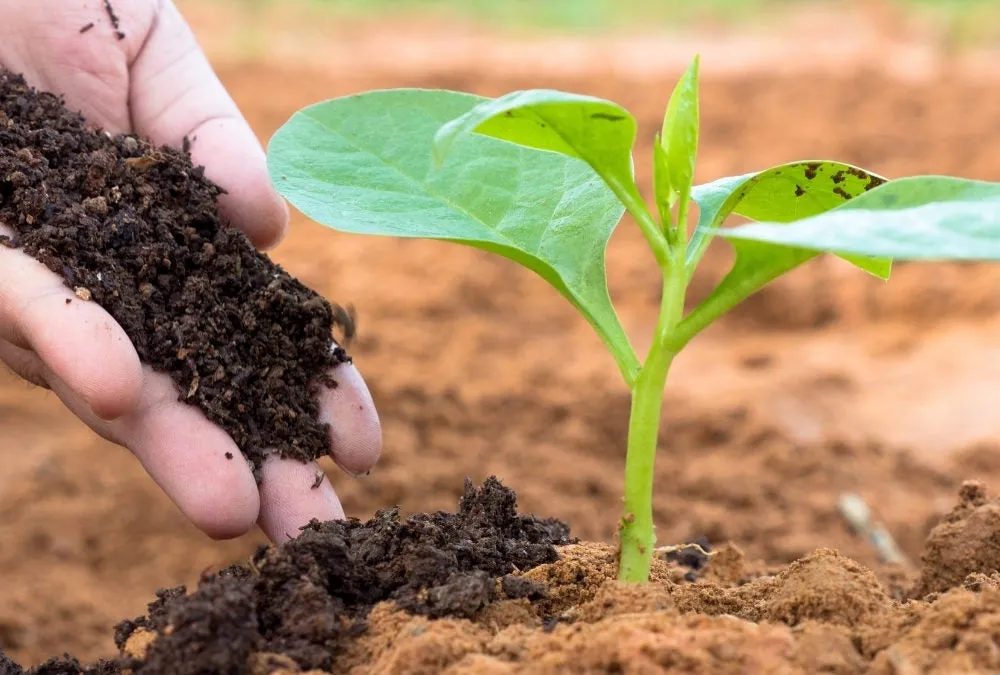
In the quest for lush and vibrant gardens, many green thumbs are turning to natural fertilizers as a key ingredient for healthy plant growth. Gone are the days of relying solely on synthetic chemicals that can harm both plants and the environment. Instead, gardeners are now looking to organic alternatives that nourish the soil and promote sustainable gardening practices.
**Why Choose Natural Fertilizers?**
– Natural fertilizers provide essential nutrients to plants in a slow-release form, allowing for steady growth without the risk of nutrient burn.
– These organic options also improve soil structure, increase water retention, and foster beneficial microorganisms that support plant health.
**Tips for Using Natural Fertilizers:**
1. Conduct a soil test to determine specific nutrient deficiencies before selecting a natural fertilizer.
2. Apply natural fertilizers according to package instructions or consult with local gardening experts for guidance.
3. Rotate different types of natural fertilizers throughout the growing season to ensure plants receive a balanced mix of nutrients.
So, Embracing Natural Fertilizers for Healthy Plant Growth
Embracing Natural Fertilizers for Healthy Plant Growth
Natural fertilizers, also known as organic fertilizers, are derived from natural sources such as animal manure, compost, and plant materials. These types of fertilizers have gained popularity in recent years due to their numerous benefits for both plants and the environment.
One major advantage of using natural fertilizers is that they provide a slow release of nutrients to plants. Unlike synthetic fertilizers which can quickly leach into the soil and harm surrounding ecosystems, natural fertilizers break down slowly over time and release nutrients gradually. This ensures that plants receive a steady supply of essential nutrients without being overwhelmed or damaged by an excess amount.
Furthermore, natural fertilizers improve the overall health of soil by increasing its microbial activity. The microorganisms present in these organic materials help to break down other organic matter in the soil, making it more fertile and conducive for plant growth. They also aid in retaining moisture in the soil, reducing water usage for irrigation.
In addition to benefiting plants directly, embracing natural fertilizers also has positive effects on the environment. Synthetic fertilizers often contain harmful chemicals that can pollute waterways and harm wildlife when they runoff into nearby bodies of water. On the other hand, natural fertilizers are biodegradable and do not pose any threat to our ecosystem.
By choosing to use natural fertilizer instead of synthetic ones, we not only promote healthier plant growth but also contribute towards sustainable farming practices. It’s a win-win situation for both farmers and consumers alike – producing healthier crops while protecting our planet’s delicate balance.
So why not make the switch? Embrace nature’s own way of nourishing your plants with organic fertilizer for a greener future.
The Benefits of Embracing Natural Fertilizers for Healthy Plant Growth
Boost your garden’s potential with natural fertilizers
There is a simple joy in seeing healthy, vibrant plants thrive under your care. To give your green friends the best chance at lush growth, consider utilizing natural fertilizers. These wonderful products provide essential nutrients to support robust plant development without resorting to harsh chemicals. Imagine watching as each leaf unfurls, filled with vitality and health because of the nourishing meal you’ve provided for it.
Natural Fertilizer – A Wise Choice
Natural fertilizers have many benefits that make them a wise choice for any gardener.
- Firstly, they’re eco-friendly! Produced from organic materials such as composted leaves or animal manure, these fertilizers break down over time in ways that are beneficial to both plants and soil.
- Secondly, they help improve soil structure which can result in improving water retention and promoting root growth.
- Last but not least; whilst synthetic alternatives might offer quick results – think fast food – natural options offer long-term nutrition akin to a wholesome home-cooked meal!
Growing Green With Natural Fertilizer
When you start using these amazing products you’ll quickly see just why so many people love them – It’s like magic! One moment you’re sprinkling homemade worm tea or bone meal around roses; next thing you know those buds are bursting open into explosions of color. And don’t forget about those juicy tomatoes plumping up on their vines thanks to some well-rotted compost?
It’s clear: when we choose earth-friendly methods like natural fertilizer for our gardens we’re actually investing not only in our plant’s future but also the future of our planet itself. Now isn’t that something worth getting your hands dirty for?
Identifying the Best Natural Fertilizers for Your Plants
Identifying the Best Natural Fertilizers for Your Plants
If you’re an enthusiastic green-thumb looking to nourish your plants, it’s essential to choose the right natural fertilizers. It’s not a one-size-fits-all scenario; different types of plants require unique nutrients and care. Let’s discuss how to identify which natural fertilizers suit your garden best.
First off, we have compost — a gardener’s goldmine! Compost is made from decomposed organic material like leaves, vegetable scraps, coffee grounds and more. It enriches the soil with vital nutrients that most plants love. Plus, making compost at home is cost-effective and eco-friendly!
- Bone Meal: Rich in phosphorous and calcium, bone meal fosters strong root development.
- Fish Emulsion: Although it has an unpleasant odor, this liquid fertilizer provides ample nitrogen for leafy growth.
Next up is worm castings. These are nutrient-rich ‘waste’ produced by earthworms. Packed with beneficial microorganisms that improve soil structure and promote plant growth – they indeed earn their nickname as ‘black gold’.
Finally, seaweed extracts , whether liquid or dried form, can be used as fertilizers too! They contain trace minerals (like iron) that many commercial options miss out on providing.
Remember: thriving gardens are born from healthy soils enriched by quality natural fertilizers tailored to their needs!
Read also: Step-by-Step Guide to Using Liquid Lawn Fertilizer
Practical Methods in Applying Natural Fertilizers
When it comes to gardening, using natural fertilizers is a great way to nourish your plants without harmful chemicals. There are several practical methods you can use to apply natural fertilizers and promote healthy growth in your garden. Let’s explore some of these methods together.
**1. Compost:** Composting is a fantastic way to create rich, nutrient-dense soil for your plants. By mixing kitchen scraps, yard waste, and other organic materials together, you can produce a powerful fertilizer that will help your garden thrive. Simply spread the compost around the base of your plants or mix it into the soil for optimal results.
**2. Manure:** Animal manure is another excellent natural fertilizer option for your garden. Whether it’s from cows, horses, chickens, or rabbits, manure is packed with essential nutrients like nitrogen and phosphorus that will benefit your plants. Be sure to let the manure age before applying it to avoid burning your plants with excess ammonia.
**3.Liquid Seaweed:** Liquid seaweed extract is a fantastic natural fertilizer that provides essential trace minerals and growth stimulants for your plants. It can be easily diluted in water and applied directly to the roots of your plants or sprayed on foliage for quick absorption.This method ensures that every part of the plant receives adequate nutrition for robust growth.
By incorporating these practical methods into your gardening routine ,you can effectively apply natural fertilizers and support healthy plant development without relying on harmful chemicals.It’s an eco-friendly solution that benefits both you and the environment!
Overcoming Challenges in Switching to Natural Fertilizers for Healthier Plants
Switching to natural fertilizers can be a daunting task, but the benefits for your plants and the environment are well worth it. One of the main challenges in making this transition is adjusting to the slower release of nutrients from organic fertilizers compared to synthetic ones. This requires a shift in mindset, as you may not see immediate results but instead will notice long-term improvements in plant health.
Another challenge when switching to natural fertilizers is finding the right balance of nutrients for your specific plants. Organic fertilizers contain a wide range of essential nutrients that are released gradually over time, which can make it difficult to determine exactly what your plants need and when they need it. It’s important to do thorough research and possibly consult with a gardening expert to ensure you are providing your plants with everything they need for optimal growth.
One more hurdle in transitioning to natural fertilizers is understanding how these products interact with soil biology. Synthetic fertilizers often disrupt microbial activity in the soil, whereas organic options promote healthy soil ecosystems that support plant growth. This shift towards sustainable gardening practices requires patience and a willingness to learn about the interconnectedness of plants, soil, and beneficial microorganisms. By embracing these challenges and committing to using natural fertilizers, you can create healthier plants while also contributing positively to the environment.