

Contrary to their herbivorous diet, squirrels sometimes eat meat as a survival tactic in challenging conditions. While their primary diet includes nuts, seeds, fruits, and vegetation, they may consume smaller rodents, insects, or bird eggs in scarcity. This intermittent meat intake offers insights into their adaptability when resources are limited. By observing their behavior, you can see how squirrels adjust their diet based on environmental challenges. To help support squirrel nutrition, providing a variety of nuts, seeds, fruits, and vegetables can aid their diet. Understanding these dietary habits can offer a window into their resourcefulness in demanding environments.
Squirrel Diet Overview
Squirrel diet revolves around a primarily herbivorous consumption pattern, focusing on nuts, seeds, fruits, and vegetation as key nutritional sources. While these fuzzy creatures are known for their love of nuts and seeds, there are instances where they may deviate from their herbivorous tendencies and consume meat. In rare situations of hunger or scarcity of their usual food sources, squirrels may turn to meat as an alternative source of sustenance. Meat consumption by squirrels can include small rodents, insects, bird eggs, and occasionally even animal carcasses. It is important to note that this behavior is not the norm for squirrels but rather a survival strategy. These adaptable creatures adjust their diet based on environmental factors, showcasing a flexibility that allows them to thrive in various conditions. Observing squirrel behavior can provide valuable insights into their dietary habits, including any instances of meat consumption.
Factors Affecting Squirrel Diet
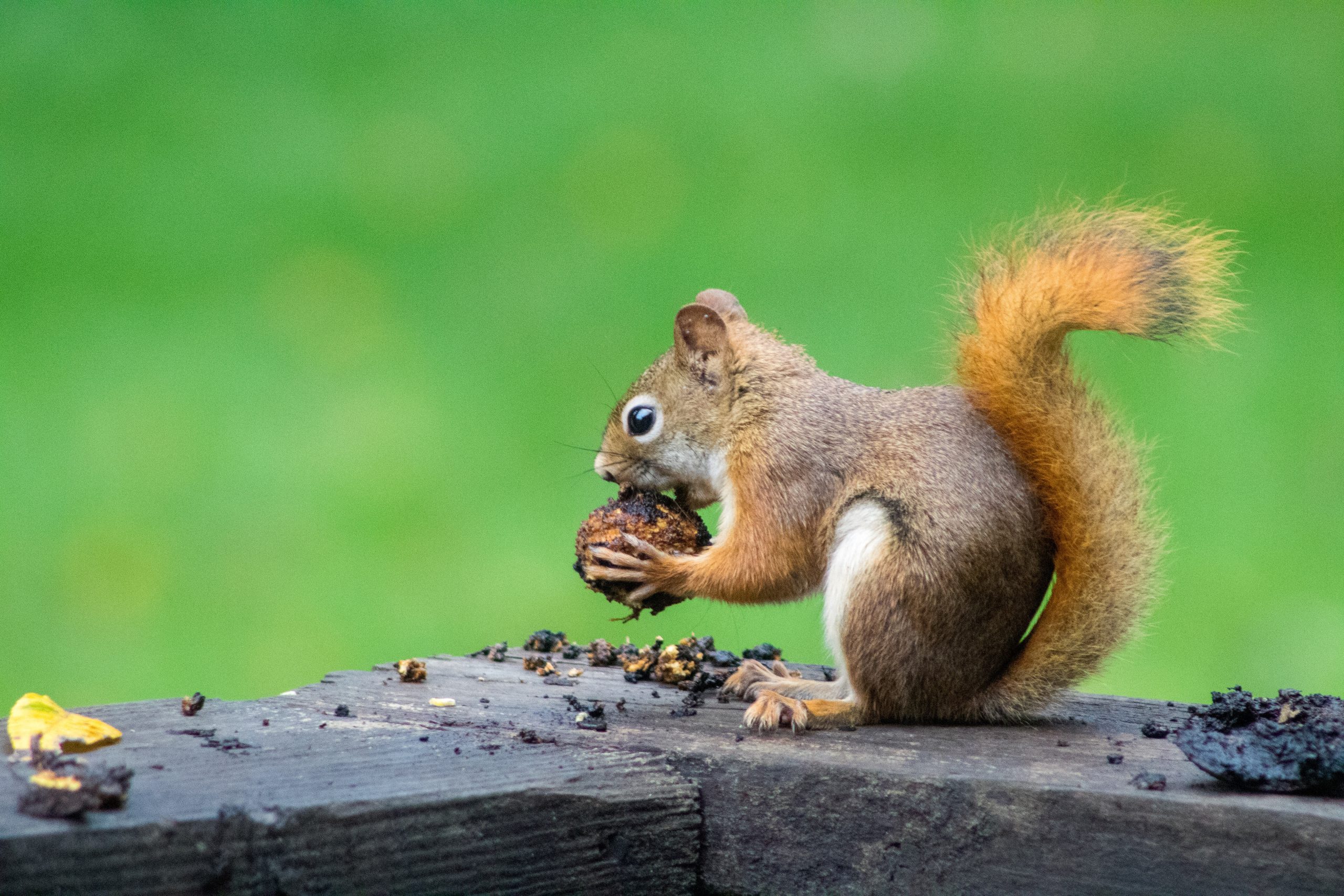
Factors influencing the diet of squirrels include environmental conditions, food availability, and adaptive behaviors towards varying food sources. Grey Squirrels, commonly found in urban and suburban areas, have been observed raiding bird nests to feed on eggs or nestlings in situations where their typical diet is scarce. During periods of food scarcity, such as harsh winters or limited nut availability, squirrels may resort to consuming small mammals like insects or even birds. This behavior reflects the opportunistic nature of squirrels, adapting their feeding habits based on survival needs. While squirrels are predominantly herbivores, their ability to shift to a more diverse diet showcases their resilience in the face of changing environmental conditions. Understanding the type of food consumed by squirrels and the factors that lead them to diversify their diet provides valuable insights into their foraging strategies and dietary flexibility.
Rare Instances of Meat Consumption
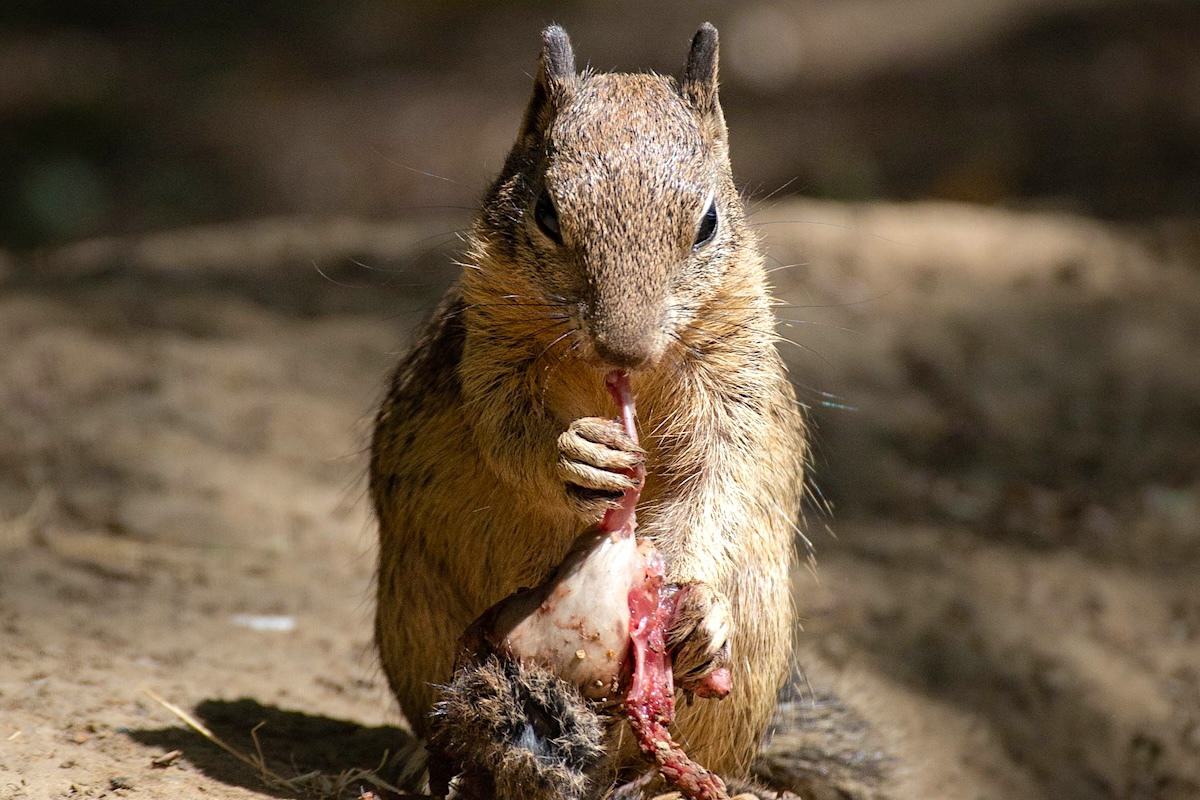
In certain circumstances of food scarcity, squirrels have been documented consuming meat as a survival strategy. While squirrels are primarily herbivores, there are instances where they resort to eating meat, including smaller rodents, insects, bird eggs, and nestlings. This behavior is a means of supplementing their diet during periods of extreme hunger when their usual food sources are limited. It is essential to note that meat consumption is not a significant part of a squirrel’s diet, with nuts, seeds, fruits, and vegetation being their main sources of nutrition. By understanding these rare instances of meat consumption by squirrels, researchers can gain insights into the adaptive behavior of these animals in challenging environments. The ability of squirrels to adapt their diet to include meat when necessary highlights their resourcefulness and flexibility in the face of food scarcity.
Observing Squirrel Adaptability
When studying squirrel adaptability, researchers can observe how these animals adjust their dietary preferences in response to environmental challenges. Squirrels, primarily herbivores, showcase remarkable adaptability in their behavior, including the occasional consumption of meat in rare circumstances. By observing squirrel behavior, scientists can gain a deeper understanding of the factors influencing their dietary choices, such as the availability of food sources and the need to adapt to changing conditions.
In urban settings, where natural food sources may be limited, squirrels may exhibit scavenging behavior, including seeking out meat as a source of nutrition. This scavenging behavior highlights the adaptability of squirrels to diverse environments and their ability to modify their diet when necessary. While meat-eating remains uncommon and situational for squirrels, their flexibility in adjusting their dietary habits underscores their survival instincts and resourcefulness in the face of challenges. Through careful observation of squirrel behavior, researchers can continue to unravel the intricacies of their adaptability and occasional meat-eating behavior.
How to Support Squirrel Nutrition

To support squirrel nutrition effectively, consider providing a diverse array of nuts, seeds, fruits, and vegetables in feeders or natural habitats. Squirrels have specific dietary preferences that can be met by offering a variety of foods. Here are three ways you can ensure you are supporting squirrel nutrition adequately:
- Bird Feeders: Placing bird feeders with squirrel-friendly food like sunflower seeds, peanuts, and corn can attract squirrels and provide them with essential nutrients.
- Nuts and Seeds: Including a mix of nuts such as almonds, walnuts, and hazelnuts, along with seeds like pumpkin seeds and flaxseeds, can offer squirrels a balanced diet rich in proteins and healthy fats.
- Fruits and Vegetables: Adding fruits such as apples, berries, and bananas, as well as vegetables like carrots, broccoli, and leafy greens, can supplement squirrels’ diets with vitamins, minerals, and fiber necessary for their well-being.