
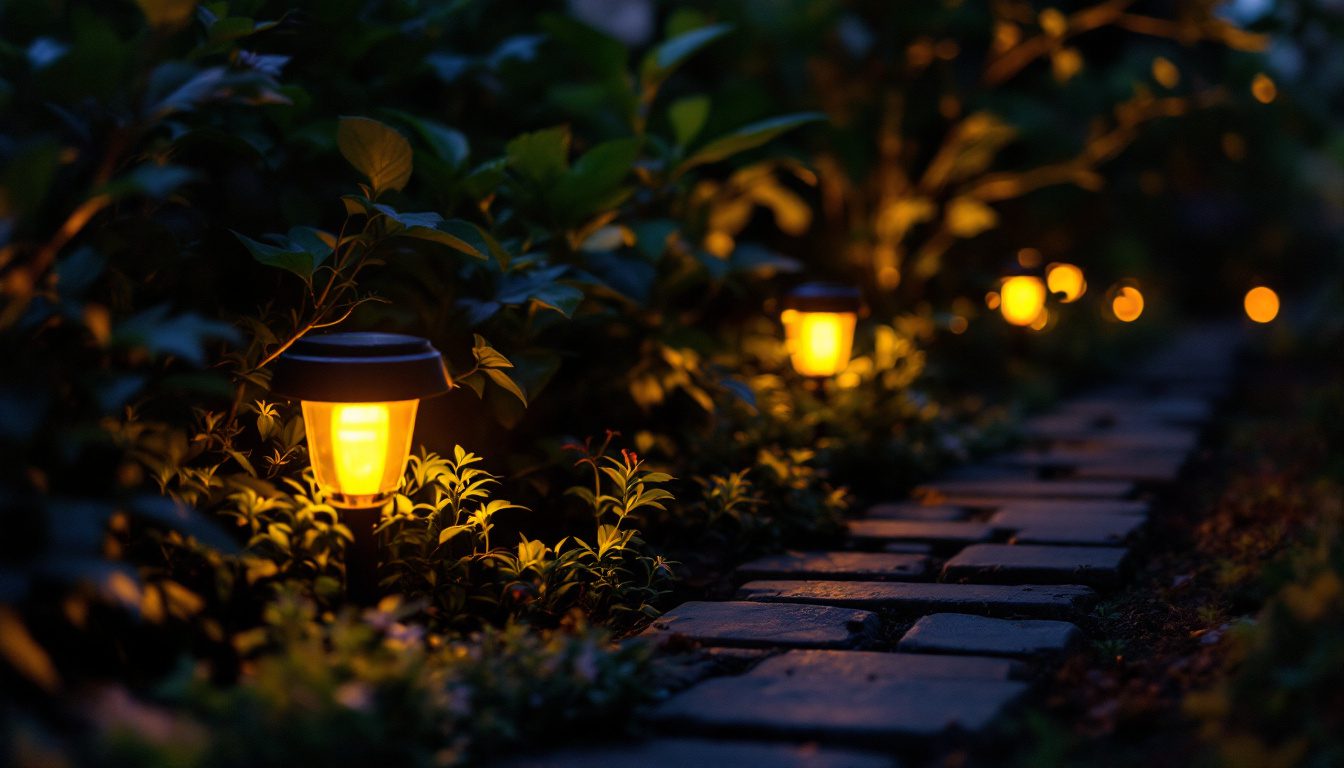
Porch lights can impact plants by affecting their photosynthesis and flowering. Bright porch lights near plants can disrupt their flowering cycles, especially in light-sensitive plants like bell peppers and cucumbers. Light intensity and duration play crucial roles in flowering processes. Consistent exposure to porch lights may inhibit flowering and hinder fruiting. Proper shielding can help maintain optimal plant health and fruit production. Understanding how porch lights influence plants is vital for healthy growth. Further insights into the impact of porch lights on plants offer valuable information for optimal plant care.
Impact of Porch Lights on Plant Growth
Porch lights can influence plant growth, as light plays a crucial role in the process of photosynthesis essential for their development. Plants have a natural tendency to grow towards light sources, a phenomenon known as phototropism. When exposed to artificial light, such as porch lights, plants can exhibit varied responses depending on factors like the amount and kind of light. For instance, blue light has been shown to stimulate the production of growth hormones in plants, promoting their growth. However, the intensity of light decreases significantly with distance, following the inverse-square law, meaning that porch lights positioned several feet away may have minimal impact on plant growth. Despite this, plants are remarkably adaptable to different light conditions, adjusting their growth patterns to optimize their development. Therefore, while porch lights can affect plant growth, the specific outcomes may vary based on the proximity and characteristics of the light source.
Flowering Disruption by Porch Lights
How do porch lights affect the flowering process of plants? Porch lights can disrupt the flowering cycle of plants due to their intensity, duration, and proximity to the plant. Bright porch lights, especially those brighter than the moon, have been shown to delay flowering in plants. The light intensity and duration from porch lights play crucial roles in impacting the flowering process. Consistent exposure to porch lights can keep plants in a vegetative stage for a longer period, inhibiting the transition to the flowering stage. Additionally, street lights can hinder flowering if their brightness exceeds moonlight levels. The distance between the porch lights and the plants also influences the effect on flowering, with closer proximity generally leading to more significant disruptions. Therefore, it is essential to consider the intensity, duration, and distance of porch lights concerning plants to ensure optimal flowering and growth processes.
Phototropism Promotion by Lights
Porch lights play a crucial role in promoting phototropism in plants, influencing their growth patterns towards the light source. The intensity of light emitted by porch lights gradually diminishes with distance, impacting the extent of phototropism exhibited by plants. This response can be observed in grass leaning slightly towards nearby porch lights, showcasing the plant’s phototropic behavior.
Light and Plant Growth
Light sources play a crucial role in stimulating phototropism in plants, guiding their growth towards optimal light exposure for efficient photosynthesis. Plants require light for photosynthesis, and the more direct light they receive, the better they can produce energy. Street lights or other external light sources can affect your plants’ growth patterns over time. While plants seem to grow towards light, excessive artificial light can disrupt their growth patterns by confusing their natural light cues. Therefore, strategically positioning light sources can promote healthy growth in plants.
| Light Source | Effect on Plants | Recommendation |
|---|---|---|
| Natural Sunlight | Optimizes growth | Ensure adequate exposure |
| LED Grow Lights | Stimulates growth | Use for indoor cultivation |
| Overhead Lamps | Disrupts growth | Avoid prolonged exposure |
Understanding the impact of different light sources on plant growth can help you create an environment that encourages healthy development. By being mindful of light exposure, you can harness phototropism to enhance the growth of your plants effectively.
Effects on Direction
Plants exhibit a natural response known as phototropism, adjusting their growth patterns towards light sources to optimize exposure for efficient photosynthesis. When exposed to outdoor lighting, plants grow towards the light, a process driven by phototropism. The direction of light influences the way plants lean and grow, as they seek optimal exposure to absorb as much light as possible. For example, grass may show a slight inclination towards porch lights, demonstrating how light direction affects plant growth. This phenomenon occurs because light causes the plant to elongate on the side away from the light source, promoting growth towards the light. By understanding phototropism and the impact of light direction, gardeners can strategically position plants to ensure they receive adequate light exposure for healthy and robust growth. Observing how plants respond to light sources can provide valuable insights into optimizing plant growth and overall plant health.
Phototropism Mechanism
Phototropism is a crucial biological mechanism through which plants actively orient their growth towards light sources to optimize photosynthesis and energy production. When plants are exposed to light sources such as porch lights, they exhibit phototropism by bending towards the light to enhance their ability to capture light energy for photosynthesis. This growth direction adjustment allows plants to maximize their exposure to sunlight, ultimately increasing their efficiency in converting light into energy.
Growth Effects of Porch Lights
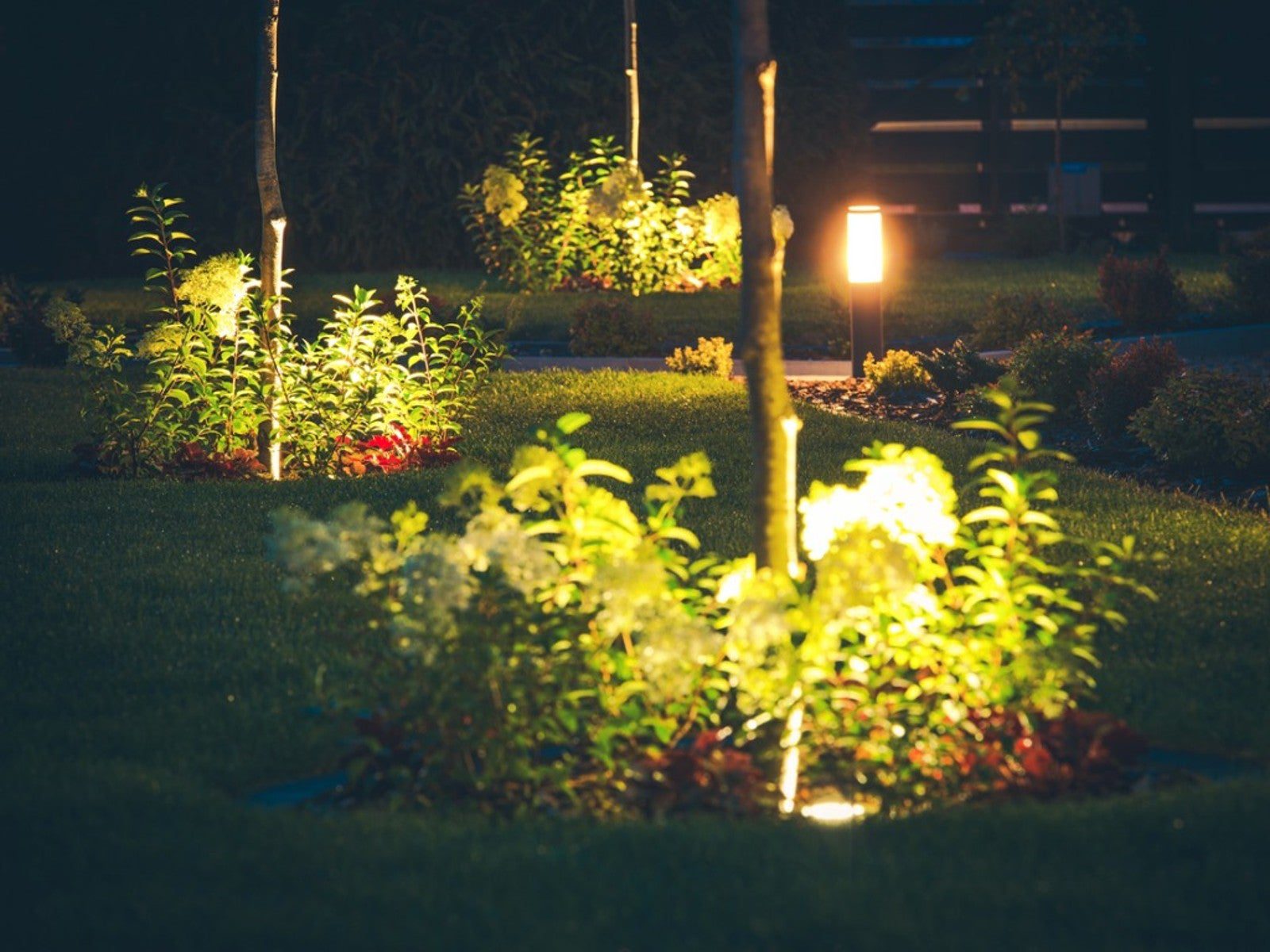
Porch lights play a crucial role in influencing plant growth by providing the necessary light for photosynthesis. Light is essential for plants as it serves as the primary energy source for their food production process. Understanding how porch lights affect plant growth can help optimize lighting conditions for healthier and more robust vegetation.
Light and Plant Growth
Given the importance of light in aiding photosynthesis and subsequent plant growth, the effects of porch lights on the growth of plants can be significant. Light intensity plays a crucial role in the process of photosynthesis, where plants convert light energy into chemical energy for growth. Plants, including grass, exhibit phototropism, growing towards light sources such as porch lights to maximize light absorption. However, it is essential to consider the distance between the plant and the light source, as light intensity decreases significantly following the inverse-square law.
Plants have the remarkable ability to adapt to varying light conditions, ensuring effective growth and development even under porch lights positioned several feet away. Research suggests that porch lights at a distance have minimal impact on grass growth, indicating that plants can thrive despite artificial lighting. Understanding the intricate relationship between light and plant growth is fundamental to creating optimal conditions for plant health and development.
Impact on Photosynthesis
Understanding how porch lights impact photosynthesis in plants is crucial for optimizing growth in various environmental conditions. Porch lights provide a minimal light intensity that may not always be sufficient for optimal plant photosynthesis. Inadequate light can hinder the efficiency of photosynthesis, affecting plant development and growth. Plants rely on photosynthesis to produce food and thrive, making light proximity and intensity critical factors in determining the impact on plant photosynthesis.
For plants to achieve optimal growth, it is essential to ensure that they receive the right balance of light, water, and nutrients. While porch lights can contribute to providing some light for plants, it is important to supplement with natural sunlight or additional grow lights if necessary to enhance photosynthesis efficiency. By monitoring the light exposure and adjusting the proximity of porch lights, you can help promote healthy plant photosynthesis and overall growth.
Porch Lights and Fruit Production
With excessive exposure to porch lights, certain plants may experience disruptions in flowering, ultimately leading to reduced fruit production. Bright porch lights nearby can interfere with the natural light cues that plants rely on for their flowering and fruiting cycles. Light-sensitive proteins like cryptochrome 3 play a crucial role in regulating these processes, impacting the overall fruit production of plants like bell peppers, tomatoes, and cucumbers. Inconsistent porch light patterns can confuse plants, causing delays in flowering and affecting their ability to produce fruits effectively. Properly shielding plants from excessive porch light exposure is essential to maintain optimal fruit production and overall plant health.
- Excessive porch light exposure disrupts flowering in plants like bell peppers, tomatoes, and cucumbers.
- Bright porch lights nearby can delay flowering in light-sensitive plants, affecting their fruiting cycle.
- Cryptochrome 3 plays a role in regulating flowering and circadian rhythms in plants, impacting fruit production.
- Inconsistent porch light patterns confuse plants, affecting their ability to flower and produce fruits effectively.
- Properly shielding plants from excessive porch light exposure helps maintain optimal fruit production and plant health.
Mutations Caused by Porch Lights
Porch lights can trigger mutations in plant fruits, altering their genetic makeup and potentially impacting their growth and development. These mutations may lead to changes in fruit production and overall plant health. To protect your plants from the effects of porch lights, consider using light-blocking covers or adjusting the positioning of your light sources to minimize exposure to sensitive plants.
Light-Induced Plant Mutations
Exposure to light emitted by porch lights can prompt genetic mutations in plants, leading to observable variations in fruit characteristics. When porch lights affect plants, intriguing genetic changes can occur, resulting in altered colors or shapes of fruits. This phenomenon is not only captivating to observe but also provides valuable insights into plant genetics. Some specific points to consider include:
- Porch lights can induce mutations in plant fruits, causing unexpected variations.
- Light exposure from porch lights triggers genetic changes within the plant’s DNA.
- Mutations caused by porch lights may lead to fruits with unusual shapes or colors.
- Observing plant mutations due to porch lights can be a fascinating scientific endeavor.
- Understanding the impact of porch lights on plant genetics can offer valuable insights into genetic processes and variations in fruit characteristics.
Impact on Plant Growth
The mutations induced by porch lights can significantly impact the growth patterns of plants, influencing their development in various ways. Porch lights emitting different light spectrums can alter plant growth by triggering mutations in fruits and affecting phototropism. Plants may exhibit phototropism towards porch lights, causing changes in their growth direction as they seek optimal light exposure. The intensity of light emitted by porch lights diminishes with distance, leading to variations in plant development based on proximity. To achieve optimal growth, plants require a delicate balance of light, water, and nutrients, all of which can be influenced by the presence of porch lights. Understanding how porch lights affect plant growth is crucial for ensuring that plants receive the necessary conditions for healthy development and productivity. By considering the impact of porch lights on mutations, light exposure, and growth patterns, one can better manage and nurture plant growth in outdoor environments.
Strategies for Protection
Utilizing protective coverings or light shields can mitigate the mutations induced by porch lights on plants. Implement the following strategies to safeguard your plants from the potential effects of porch lights:
- Covering Plants: Shield plants with protective covers during the night to reduce direct exposure to porch lights.
- Adjusting Light Direction: Redirect porch lights away from plants to minimize their impact on genetic responses.
- Using Light Filters: Install filters on porch lights to alter the spectrum of light reaching plants and lessen mutation risks.
- Monitoring Growth: Regularly observe plant development under porch lights to detect any unusual mutations or unique characteristics.
- Applying Timers: Control the duration of porch light exposure to regulate the influence on fruit development and genetic expression.
Distance Considerations for Plants
When positioning porch lights for plant growth, it is crucial to consider the distance from the light source to optimize light exposure. Light intensity decreases as distance from the source increases, impacting plant growth and photosynthesis. Plants closer to porch lights receive more direct light, promoting healthier growth compared to those further away. Determining the optimal distance for porch lights depends on the specific light requirements of the plant species being cultivated. Understanding the inverse-square law is essential in comprehending how light intensity diminishes with distance and its consequent effect on plant response.
For instance, some plants, such as sun-loving species, require closer proximity to porch lights to thrive, while shade-tolerant plants may fare well even at greater distances. By strategically placing porch lights at appropriate distances, you can harness their benefits effectively, ensuring your plants receive the necessary light for optimal growth. Remember that each plant species has unique light requirements, so adjusting the distance of porch lights accordingly can significantly impact their development.
Light Sensitivity in Plant Reactions
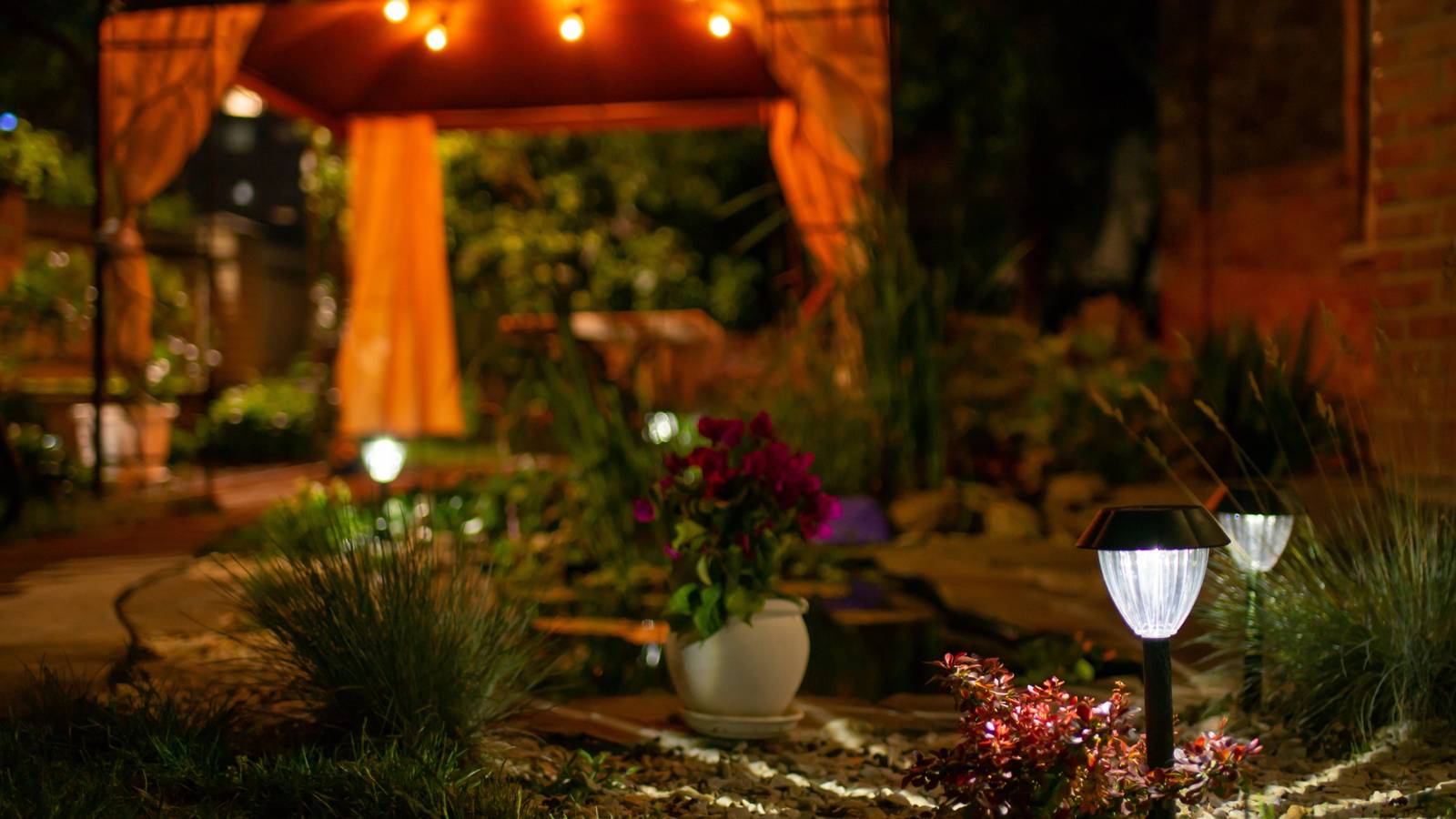
Consider how varying degrees of light sensitivity in plants influence their reactions to different light sources and intensities, impacting growth and development significantly. Understanding the intricacies of light sensitivity in plant reactions is vital for optimizing their growth conditions and overall health. Here are some key points to consider:
- Light sensitivity: Plants exhibit varying degrees of sensitivity to light, affecting their growth patterns.
- Plant reactions: Different plant species react uniquely to light sources and intensities.
- Phototropism: This growth response to light demonstrates plants’ sensitivity to light direction.
- Optimizing growth conditions: Knowledge of light sensitivity helps in creating ideal conditions for plant development.
- Intensity of light: The intensity of light plays a crucial role in determining how plants respond and thrive.
Natural Vs. Artificial Light Differences
In comparing natural light to artificial light sources like porch lights, it is essential to understand the distinct differences in wavelengths and qualities that can impact plant growth and development. Natural light provides a full spectrum of wavelengths necessary for various processes in plants, including photosynthesis and flowering patterns. Plants rely on these natural cues to regulate their growth and development effectively. On the other hand, artificial light sources may lack specific wavelengths critical for optimal plant health. Moreover, the light intensity and quality of artificial light can differ significantly from natural sunlight, potentially affecting plant growth rates and overall health. It is crucial to consider these differences when choosing between natural and artificial light sources for your plants, as they can directly influence the success of your gardening endeavors. By understanding the unique characteristics of each light source, you can provide your plants with the most suitable environment for thriving and flourishing.
Neighbor’s Lights and Plant Impact
Neighbor’s lights affecting nearby plants can have significant implications on their growth and overall well-being. The intensity, distance, and duration of light exposure from these sources play a crucial role in determining the impact on your plants. Here are some key points to consider:
- Intensity: Strong lights can disrupt the plant’s natural cycles and processes.
- Distance: Proximity to the light source can increase the likelihood of growth alterations.
- Duration: Prolonged exposure to artificial light can lead to function alterations within the plant.
- Adjusting Lighting: Discussing with your neighbors about adjusting their lights can help mitigate the negative effects on nearby plants.
- Energy-Saving: Suggesting energy-saving practices like turning off excessive lights at night benefits both plant growth and conservation efforts.
Understanding and addressing how neighbor’s lights affect your plants is essential for maintaining a healthy environment for your green friends.
Grass Growth and Porch Light Influence
When examining the influence of porch lights on grass growth, it is important to understand how light intensity and proximity impact the phototropism and adaptability of grass species. Porch lights positioned several feet away from grass generally have minimal impact on growth. This is because light intensity decreases significantly with distance from the light source, affecting the ability of the grass to utilize it for growth. Grass exhibits phototropism, a phenomenon where it grows towards light sources like porch lights to maximize light absorption for photosynthesis. Despite this natural tendency, grass can adapt to varying light conditions to ensure optimal growth. To achieve optimal grass growth, a balance of light, water, and nutrients is crucial. Therefore, while porch lights can influence grass growth by attracting the plants towards them, the overall impact is dependent on the distance of the light source, the adaptability of the grass species, and the maintenance of a balanced environment for growth.