
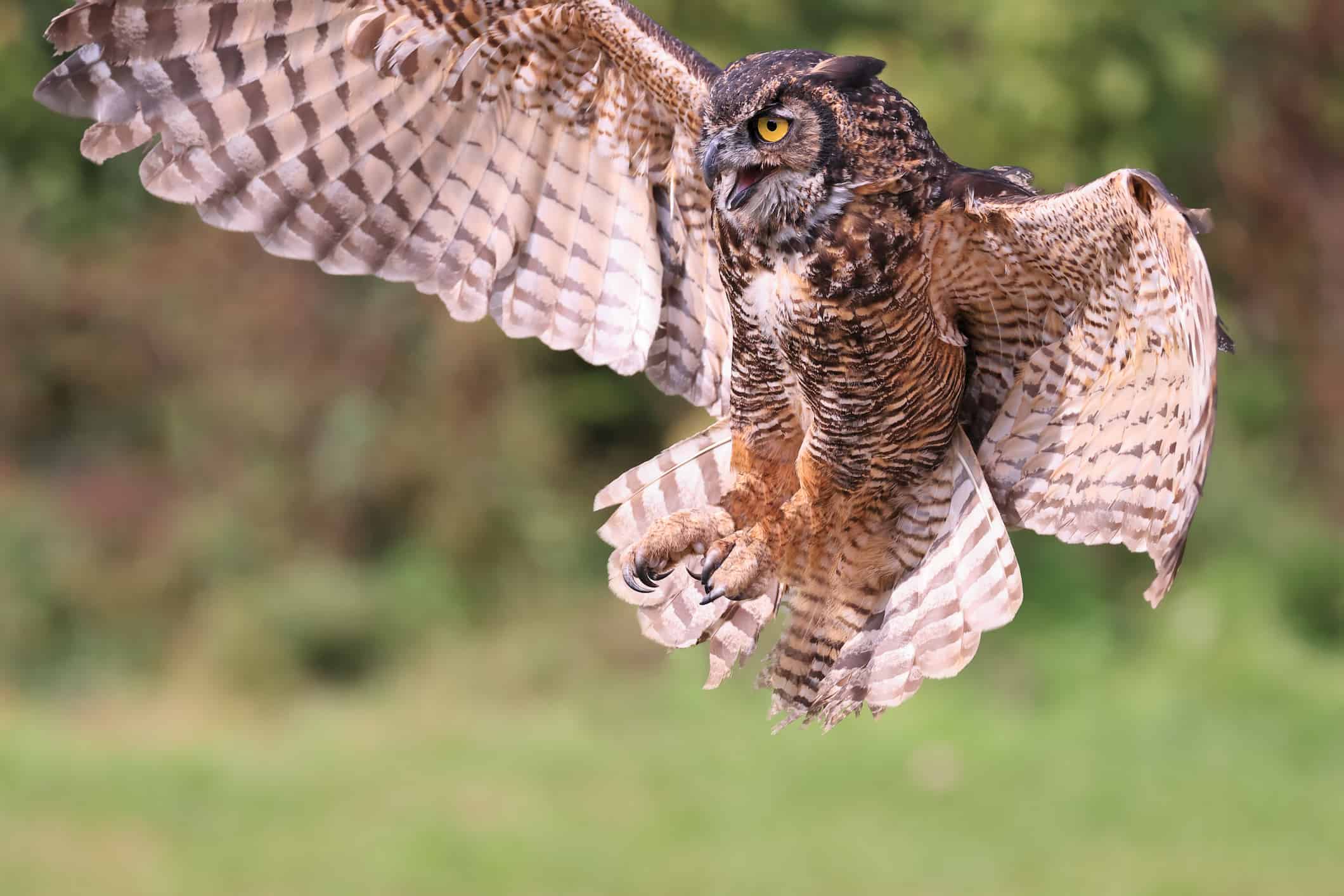
Owls can pose a threat to small dogs, with Great Horned Owls being a concern. Signs of owl presence include droppings, hooting sounds, and scratches on trees. To protect your pet, trim trees, shield outdoor areas, and avoid attracting owls with bird feeders. Scare tactics like lights, noises, and motion-activated deterrents can help. Supervise your pet outdoors, stay vigilant, and act swiftly if an encounter occurs. Consider protective gear like light-up collars and seek veterinary care if needed. Training your dog for safety and socialization can also be beneficial. Take steps to safeguard your dog from potential owl attacks.
Understanding Owl Behavior Towards Dogs
To understand how owls may behave towards dogs, it is crucial to acknowledge their typical prey preferences and hunting habits. While owls primarily target small prey such as rodents, rabbits, and birds, there have been instances of owl attacks on small dogs. Great Horned Owls, capable of carrying prey up to half their body weight, are known to pose a threat to dogs weighing under 15 pounds. Although Red-tailed Hawks and Golden Eagles are not common predators of dogs, they may still pose a risk to small pets.
Owl attacks on dogs are considered rare but can have serious consequences, including injuries or fatalities. As a responsible pet owner, it is essential to implement preventive measures. Using deterrents, supervising outdoor activities, and staying informed about local wildlife behavior are key steps in protecting dogs from potential owl attacks. By understanding owl behavior and taking proactive steps, you can help ensure the safety of your furry companions in areas where wildlife may pose a threat.
Identifying Signs of Owl Presence
Look for owl pellets, feathers, or droppings near your property as indicators of owl presence. Owls regurgitate indigestible parts of their prey, forming pellets that can often be found beneath their roosting spots. Additionally, scattered feathers or droppings in the vicinity may suggest owl activity in the area.
Listen for distinctive hooting sounds during the night. Owls are nocturnal creatures, and their hoots serve as a means of communication and territory marking. Hearing these sounds can be a clear sign of their presence nearby.
Inspect trees for scratches or marks where owls perch or roost. These markings are left behind as owls use their talons for gripping and balancing on branches.
Pay attention to dusk or dawn sightings. Owls are most active during these times, making it more likely to spot them hunting or flying around your property.
Keep an eye on your pets for any unusual behavior. If they exhibit signs of distress or injury, it could indicate a possible encounter with an owl.
Implementing Yard Safety Measures
Pruning tree branches to eliminate potential roosting perches is a key yard safety measure to protect your pets from owl attacks. Implementing yard safety measures is crucial in safeguarding your small dogs from potential harm. Here are some preventive actions you can take:
- Cover outdoor dog pens or play areas: Shielding these spaces can prevent small dogs from becoming easy targets for owls.
- Remove bird feeders: By eliminating food sources that attract owls, you can reduce the likelihood of predatory behavior in your yard.
- Set up bird deterrents: Utilize scarecrows or fake owls to discourage birds of prey from venturing into your property.
- Ensure pet supervision: Avoid leaving small dogs unattended outside, as constant supervision can help prevent owl attacks.
Setting Up Scare Tactics
Shielding your outdoor dog pens or play areas can be an effective way to deter birds of prey and protect your pets from potential owl attacks. When it comes to setting up scare tactics, there are various methods you can employ to create a hostile environment for owls in your yard. Consider implementing a combination of these deterrents to maximize protection for your dogs:
| Scare Tactics | Effectiveness | Examples |
|---|---|---|
| Fake Owls or Scarecrows | Moderate effectiveness in deterring owls | Plastic owl decoys or scarecrow replicas |
| Bright Lights | Highly effective in scaring off owls | Motion-activated lights or floodlights |
| Loud Noises | Effective in startling owls | Ultrasonic devices or wind chimes |
| Motion-Activated Deterrents | Great for preventing owl attacks | Sprinklers or noise-emitting devices |

Supervising Your Dog Outdoors
Supervising your dog outdoors is essential in preventing potential owl attacks on your pet. Owls pose a threat to small pets when they are outside, as they can silently swoop down and attack. To ensure the safety of your furry companion, follow these guidelines:
- Stay Vigilant: Keep a close eye on your dog when they are outside, especially during dawn and dusk when owls are most active.
- Human Presence: Your presence outside can act as a deterrent to owls looking to attack your pet. Be near your dog whenever they are outdoors.
- Secure Enclosure: Consider setting up a secure outdoor enclosure for your pet. This can provide a safe space where your dog can play without the risk of owl attacks.
- Be Proactive: Always be cautious and proactive in supervising your dog. Quick action can prevent potential owl attacks and keep your pet safe while enjoying the outdoors.
Taking Immediate Action During an Encounter
In the event of an encounter with an owl while your dog is outdoors, staying calm and taking immediate action are crucial for ensuring your pet’s safety. If an owl attacks your dog, your quick response can help protect your pet from harm. Start by making loud noises or using bright lights to scare off the owl. Additionally, you can shield your dog with an umbrella or another large object to create a physical barrier between them and the owl.
Should your dog sustain any injuries during the encounter, seek immediate veterinary care to address any wounds and ensure their well-being. Moreover, if you notice any signs of aggressive bird behavior, report it to local authorities promptly for further assistance. By taking these proactive steps and reacting swiftly during an owl-dog encounter, you can help safeguard your pet and prevent future incidents. Remember, staying alert and prepared can make a significant difference in keeping your furry companion safe from potential harm.
Utilizing Protective Gear for Dogs
Consider utilizing protective gear for dogs, such as light-up collars with strobe lights, as a proactive measure to deter owls and safeguard your pet while outdoors. These collars can help confuse and deter owls from approaching your pet, providing an added layer of protection. However, it’s important to remember that while strobe light collars can be effective, they are not foolproof. Here are some additional steps you can take to protect your pet from owl attacks:
- Supervise Your Pet: Always keep an eye on your pet while they are outside, especially during dawn and dusk when owls are most active.
- Contact Animal Control: If you encounter owl attacks on your pet, reach out to animal control for assistance. They may have raptor relocation teams that can safely handle the situation.
- Provide a Larger Companion: Consider allowing your pet to play outdoors with a larger companion, as this can help deter owls from swooping down on smaller animals.
- Remove Attractants: Avoid attracting owls by removing bird or squirrel feeders from your yard and consider using owl deterrent products for added protection.
Seeking Veterinary Care if Necessary
Seek immediate veterinary care if your pet is injured in an owl attack to assess and treat any potential injuries. Prompt medical attention is crucial to address any physical trauma your dog may have sustained during the encounter. A veterinarian will be able to provide the necessary treatment and guidance to ensure the well-being and health of your pet post-attack. Here is a table summarizing the importance of seeking veterinary care after an owl attack on your dog:
| Importance of Veterinary Care After Owl Attack |
|---|
| – Assess and treat injuries promptly |
| – Ensure proper healing and recovery |
| – Address any physical trauma |
| – Ensure the well-being and health of your pet |
Training Your Dog for Safety
Training your dog with basic commands such as ‘come’ and ‘stay’ is essential for safeguarding them against potential owl attacks. Here are some tips to help you train your dog for safety:
- Utilize positive reinforcement training methods to encourage your dog to respond effectively to commands.
- Regularly practice recall exercises with your dog to improve their responsiveness in outdoor situations.
- Socialize your dog with other animals and people to help them stay calm in the presence of wildlife.
- Consider professional dog training to enhance your dog’s ability to stay safe from potential owl attacks.