

Certain mushroom varieties, such as Enoki, Lion’s Mane, and King Oyster, grow well in winter by needing specific conditions for successful cultivation. These mushrooms are cold-tolerant, requiring optimal environments like controlled temperatures between 55-65°F, proper humidity levels, and adequate airflow. Their growth is supported by maintaining these conditions and selecting the right substrates. More fascinating details about these winter-loving mushrooms and their unique characteristics and benefits await exploration within the world of mushroom cultivation.
Winter Mushroom Cultivation Tips

To successfully cultivate mushrooms during the winter months, it is imperative to select cold-tolerant strains such as Enoki, Lion’s Mane, and King Oyster. These winter mushrooms thrive in colder temperatures ranging from 55-65°F, making them ideal choices for the season. When cultivating winter mushrooms, it is crucial to maintain proper humidity levels and ensure adequate airflow to support their growth. Light exposure, substrate requirements, and airflow must be carefully regulated to create optimal growing conditions during the colder months.
In cold weather, winter mushroom cultivation requires attention to detail and adherence to specific cultivation tips. Ensuring a consistent temperature range and humidity level is essential for the successful growth of cold-tolerant mushroom strains. Proper airflow helps prevent the development of mold or other contaminants that can hinder mushroom growth. By following these cultivation tips, you can maximize the yield and quality of your winter mushroom harvest.
Enoki: Winter Growing Conditions
Enoki mushrooms thrive in winter due to their preference for cold temperatures ranging between 45-65°F. To ensure successful cultivation, maintaining high humidity levels of 85-90% is crucial for the growth of Enoki mushrooms. Light, either from indirect sunlight or low-intensity artificial sources, is also an essential factor for the development of these mushrooms during the winter months.
Enoki Optimal Temperature
During winter cultivation, maintaining an optimal temperature range of 45-55°F is crucial for the successful growth of Enoki mushrooms. Lower temperatures can result in longer and thinner stems, affecting the overall quality of the mushrooms. These cold-tolerant mushrooms thrive in cooler conditions, making them ideal for winter months. Enoki mushrooms also require high humidity levels of 85-90% to support their growth, along with adequate airflow to prevent moisture-related issues.
To further understand the importance of temperature in cultivating Enoki mushrooms, refer to the table below:
| Temperature (°F) | Growth Outcome |
|---|---|
| Below 45 | Longer, thinner stems |
| 45-55 | Optimal growth conditions |
| Above 55 | Reduced quality, slower growth |
| Above 60 | Risk of stunted growth, spoilage |
Maintaining the recommended temperature range ensures that your Enoki mushrooms develop properly, providing you with the delicate texture and mild flavor characteristic of this sought-after mushroom variety.

Winter Growth Requirements
Maintaining optimal temperature, humidity levels, and adequate airflow is essential for successful cultivation of Enoki mushrooms during the winter months. Enoki mushrooms, with their temperature preferences ranging between 55-65°F, are well-suited for winter growth. These cold-tolerant strains exhibit specific growth characteristics that make them ideal for cultivation in colder seasons. It is crucial to create an environment that mimics these winter conditions to ensure a bountiful harvest of Enoki mushrooms. Adequate humidity levels are necessary to prevent drying out of the mushroom caps, while proper airflow helps in regulating gas exchange and preventing the buildup of contaminants. Enoki mushrooms have the potential for multiple flushes when cultivated in the right winter conditions, providing a rewarding experience for growers. By understanding and meeting the winter growth requirements of Enoki mushrooms, you can enjoy a successful harvest of these delicate and flavorful fungi during the colder months.
Enoki Cold Weather Adaptation
To facilitate the successful winter growth of Enoki mushrooms, it is imperative to understand how these fungi adapt to cold weather conditions. Enoki mushrooms, known for their delicate, slender stems and small caps, exhibit a remarkable cold weather adaptation that makes them ideal for winter cultivation. These mushrooms thrive in temperatures ranging from 55-65°F, requiring a cool environment for optimal growth. Adequate humidity levels and proper airflow are essential factors to consider when cultivating Enoki mushrooms in winter. Cold-tolerant strains of Enoki have evolved to withstand the lower temperatures typically experienced during the winter months, enabling successful harvesting even in chilly conditions. Understanding the specific growth characteristics and temperature preferences of Enoki mushrooms is crucial for ensuring a bountiful winter crop. By providing the right conditions, including the appropriate temperature range and environmental controls, you can effectively nurture Enoki mushrooms through the colder months, resulting in a rewarding winter cultivation experience.
Lion’s Mane: Cold Weather Adaptation

In cold weather conditions, Lion’s Mane mushrooms, scientifically known as Hericium erinaceus, demonstrate remarkable adaptability for winter cultivation. These mushrooms thrive in cooler temperatures, typically between 55-65°F (13-18°C), making them an excellent option for winter growing. Below is a table highlighting key aspects of Lion’s Mane mushrooms’ cold weather adaptation:
| Aspect | Description |
|---|---|
| Temperature Tolerance | Lion’s Mane mushrooms prefer cooler temperatures, ideally between 55-65°F (13-18°C), making them suitable for winter cultivation. |
| Growth Rate | Despite the cold weather, Lion’s Mane mushrooms exhibit a moderate growth rate, taking around 3-6 months to mature for harvest. |
| Humidity Requirements | These mushrooms require a high humidity level of around 85-95% to thrive, ensuring proper growth and development in winter conditions. |
Understanding these key factors, such as temperature preferences, growth rate, and humidity requirements, can help cultivate successful Lion’s Mane mushrooms during the winter season.
King Oyster Mushroom Care
To successfully care for King Oyster mushrooms, ensure they are grown in a cool environment and provided with a nutrient-rich substrate like sawdust or straw. Maintaining proper humidity levels and airflow is crucial for their growth, along with harvesting the mature mushrooms by twisting and pulling them from the substrate. Remember, these mushrooms have a distinct firm texture and a mild, nutty flavor, perfect for enhancing various culinary dishes.

Growing King Oysters
Cultivating healthy and vigorous King Oyster mushrooms requires careful attention to environmental factors such as temperature, humidity, and light exposure. King oyster mushrooms, being cold-tolerant, thrive in cooler conditions typically around 55-65°F. During the winter months, these mushrooms can be successfully grown, making them an excellent choice for cold weather cultivation. To ensure optimal growth, maintaining high humidity levels is crucial for the development of these mushrooms. Additionally, providing indirect light helps in the photosynthesis process, supporting the growth of King oyster mushrooms.
Known for their meaty texture and mild flavor, King oysters are favored in various culinary dishes. Proper airflow within the growing environment and ensuring suitable substrate conditions are vital for healthy growth and bountiful harvests of these mushrooms. By carefully regulating temperature, humidity, and light exposure, you can create an ideal setting for King oyster mushrooms to flourish during the winter season.
Proper Care Tips
How can you ensure the optimal care and growth of King Oyster mushrooms during the winter season? Proper care tips are essential for cultivating these mushrooms successfully. Maintaining a temperature range of 55-65°F is crucial for their growth. Ensure proper humidity levels and airflow within the growing environment to create an ideal setting for the mushrooms to thrive.
When it comes to harvesting techniques, King Oyster mushrooms can be harvested multiple times if done correctly. Gently twist the mushrooms to harvest them, making sure not to damage the mycelium for future growth cycles. Additionally, keep a close eye on cleanliness to prevent contamination, pests, and diseases from affecting your crop. Regular monitoring and swift action in case of issues are key to a successful harvest.
Cordyceps: Thriving in Chilly Temperatures
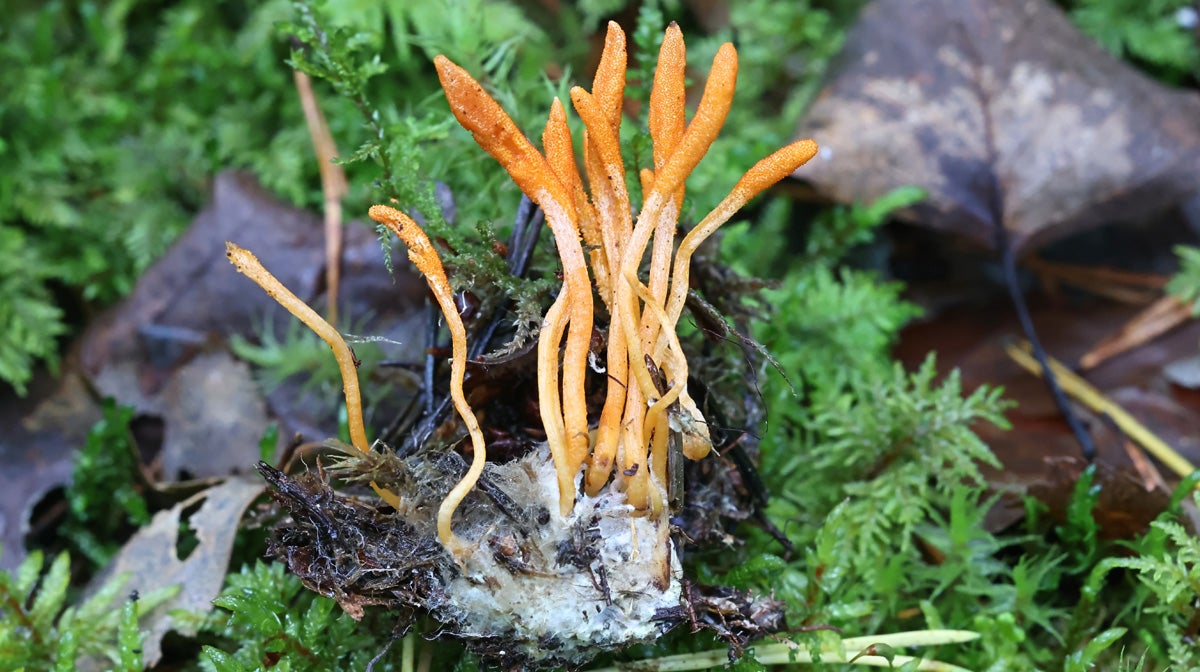
Cordyceps mushrooms exhibit remarkable resilience in colder temperatures, making them a prime choice for cultivation during winter months. These winter mushrooms are notable for their medicinal properties, which include energy-boosting effects, immune system enhancement, and anti-inflammatory benefits. Widely utilized in traditional Chinese medicine, Cordyceps have garnered attention in the health and wellness sector for their potential health advantages.
To successfully grow Cordyceps, it is crucial to provide specific conditions to mimic their natural habitat. Maintaining a temperature range of 55-65°F is essential, along with ensuring proper humidity levels and adequate airflow. These mushrooms thrive in colder climates, making them an excellent choice for winter cultivation.
When harvesting Cordyceps, timing is key to preserving their freshness and potency. Proper storage techniques can further enhance their longevity for consumption or processing. By understanding the specific needs of Cordyceps and catering to their preferences, you can successfully cultivate these valuable winter mushrooms.
Turkey Tail Mushroom Characteristics
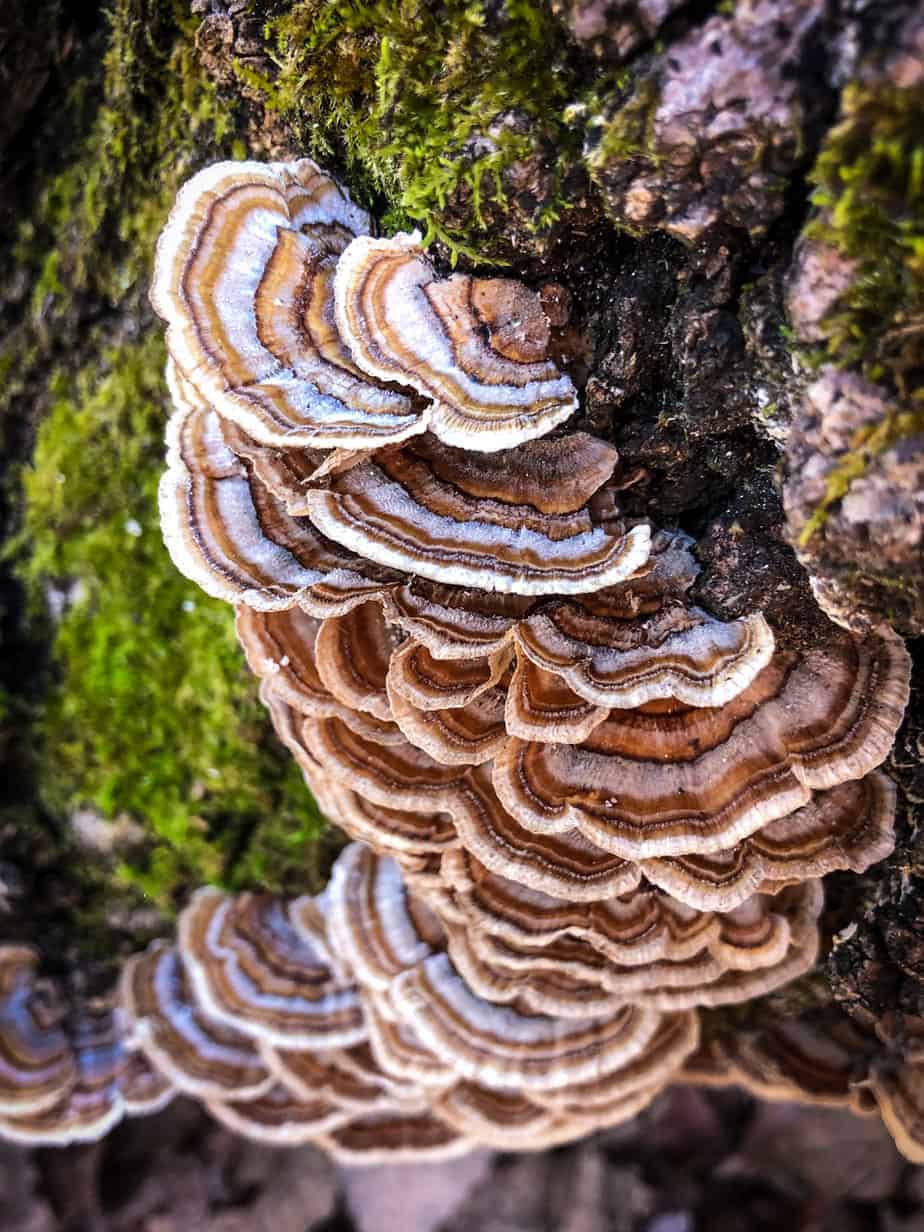
Turkey Tail mushrooms, also known as Trametes versicolor, are distinct for their colorful concentric rings resembling a turkey’s tail, making them a sought-after winter mushroom variety. These winter mushrooms are highly regarded for their immune-boosting properties, containing compounds that support overall health. Incorporating Turkey Tail mushrooms into your diet can provide potential benefits, as they have been studied for their anti-cancer and anti-inflammatory effects. Due to their versatility, you can enjoy Turkey Tail mushrooms in various forms such as teas, soups, or tinctures. When foraging for these mushrooms, it is essential to be mindful of local regulations, as they are protected in certain areas to preserve their natural habitat. Embracing the unique characteristics and beneficial properties of Turkey Tail mushrooms can be a valuable addition to your winter wellness routine.
Cold-Tolerant Mushroom Varieties
You can cultivate winter mushroom species like Enoki, Lion’s Mane, and King Oyster, which are known for their cold-tolerant characteristics. These varieties require specific temperature ranges, typically thriving in conditions around 55-65°F during winter months. To successfully grow these cold-tolerant mushrooms, maintaining proper humidity levels and ensuring adequate airflow are essential factors to consider.

Winter Mushroom Species
Several cold-tolerant mushroom varieties, such as Enoki, Lion’s Mane, and King Oyster, exhibit the ability to thrive in winter growing conditions. Enoki mushrooms, with their delicate, elongated stems and small caps, are well-suited for cooler temperatures around 55-65°F. Lion’s Mane, known for its unique appearance resembling cascading white icicles, also thrives in these conditions. Additionally, the robust King Oyster mushrooms, with their thick stems and small caps, are well-adapted to winter cultivation.
To successfully grow these winter mushrooms, it is essential to maintain the optimal temperature range and carefully monitor humidity levels, airflow, and substrate conditions. Each species requires specific harvesting techniques to promote freshness and encourage multiple flushes. Moreover, preventing contamination, pests, and diseases is crucial to ensuring healthy mushroom growth during the winter months. By understanding the distinct characteristics and requirements of Enoki, Lion’s Mane, and King Oyster mushrooms, you can cultivate a bountiful harvest of these cold-tolerant varieties even in the chill of winter.
Growing Conditions Needed
Cold-tolerant mushroom varieties such as Enoki, Lion’s Mane, and King Oyster require specific environmental conditions to thrive during the winter months. These cold-loving mushrooms excel in temperatures ranging from 55-65°F. To successfully cultivate them in winter, maintaining optimal humidity levels and ensuring good airflow are crucial. Adequate light exposure and a suitable substrate are also essential for their growth. Adjusting harvesting techniques and frequency according to the winter growth cycle of these mushrooms can maximize yield and quality. Additionally, preventing common issues like contamination, pests, and diseases is vital for a successful winter cultivation process.
| Growing Conditions | Description |
|---|---|
| Temperature | Optimal range: 55-65°F for cold-tolerant varieties like Enoki, Lion’s Mane, King Oyster |
| Humidity Control | Crucial for winter cultivation; maintain optimal humidity levels for successful growth |
| Airflow | Ensure good airflow in the cultivation area to prevent issues and promote healthy growth |
| Light Exposure | Provide adequate light to support the photosynthesis process in mushroom growth |
Indoor Winter Mushroom Growing Guide

Growing mushrooms indoors during the winter months involves creating a controlled environment that mimics the necessary conditions for successful cultivation. To ensure optimal growth, maintain a temperature range between 55-65°F and a relative humidity level of 80-90%. These conditions are crucial for the mycelium to colonize the substrate and form mushrooms. Consider using a humidity gauge and a space heater or heating pad to regulate the temperature. When selecting a location for your indoor mushroom setup, choose a spot away from direct heat sources and drafts.
For lighting, mushrooms do not require direct sunlight but need some ambient light to signal them to grow. Indirect natural light or a low-wattage LED light can suffice. Proper air circulation is also vital to prevent mold growth and ensure healthy mushrooms. Use a fan on low setting or crack a window periodically to maintain airflow.
Selecting the right substrate is essential for different mushroom varieties. Oyster mushrooms thrive on straw or sawdust, while lion’s mane prefers hardwood sawdust. Enoki mushrooms do well on a mix of hardwood sawdust and rice bran. By following these indoor winter mushroom growing guidelines, you can enjoy a bountiful harvest even during the colder months.
Mushrooms That Love the Cold
Indoor winter mushroom growing requires specific conditions, but some mushroom varieties thrive in the cold, such as Yellowfoot Chanterelles found under coniferous trees or in mixed woodlands. Other cold-loving mushrooms include Oyster mushrooms, Wood Ears, and Velvet Shanks. Here’s a breakdown of these winter-loving fungi:
| Mushroom | Description |
|---|---|
| Oyster mushrooms | Short white stems found on dead wood, hardwood trees, and logs, foraged year-round, especially from October-April |
| Wood Ears | Jelly-like texture, reddish-brown color, found on dead branches and trunks, thrives in winter from September-March |
| Velvet Shanks | Greasy-looking, orange, flat caps, glossy stems, found on dead or dying trees, tolerates frost mainly from Nov-Apr |
These mushrooms not only survive but thrive in colder temperatures, providing unique flavors and textures for winter foragers.

Winter Harvest Mushroom Selection
During the winter season, selecting the right mushrooms for harvest is crucial for maximizing the unique flavors and health benefits they offer. When foraging for winter harvest mushrooms, consider the following:
- Chaga Mushrooms: Known for their dark, hardened appearance on birch trees, Chaga mushrooms are rich in antioxidants and have been used in traditional medicine for their potential health benefits, including immune support and inflammation reduction.
- Lion’s Mane: With its white, shaggy appearance resembling a lion’s mane, this mushroom is a sought-after winter variety. Lion’s Mane is currently under scientific research for its potential cognitive benefits and neuroprotective properties, making it a fascinating choice for both culinary and medicinal purposes.
- Winter Harvest Mushrooms: Embrace the winter season by exploring a variety of winter harvest mushrooms like Turkey Tail, Birch Polypore, and Tinder Polypore, which are not only flavorful but also offer unique medicinal properties that can enhance your culinary creations and support your well-being during the colder months.