

Yes, I can confirm that mushrooms do grow in winter, and some varieties actually thrive in the colder weather! Noteworthy examples include the Turkey Tail, known for its medicinal benefits and immune-boosting properties, and Chaga mushrooms, which grow on birch trees and are celebrated for their cholesterol-reducing and anti-cancer effects. Other winter champions like the Yellowfoot Chanterelles and Black Trumpets flourish in milder winter climates, providing a rich, earthy taste that’s sought after by culinary enthusiasts. Winter also welcomes Jelly fungi, such as Amber Jelly Roll, reveling both in their unique textures and roles in nutrient cycling. If you’d like to explore an array of flavors and health benefits these winter mushrooms offer, there’s much more I can share about their ecological contributions and diverse foraging opportunities.
Winter Mushroom Overview
Winter ushers in a unique season for mushroom enthusiasts, as many varieties thrive in the cold, leveraging the dormant state of trees and other plants. Among the most fascinating are the Turkey tail mushrooms, a medicinal mushroom celebrated not only for its vibrant, fan-shaped appearance but for its immune-boosting properties.
These winter mushrooms flourish on decaying wood and dead trees, extracting nutrients from these rich, organic materials. Their ability to thrive in cold weather highlights their resilience and adaptability, contributing significantly to forest ecosystems by breaking down organic matter.
The mycelium, functioning as a root-like structure, plays a crucial role in this process by extending into the substrate to absorb nutrients. Foraging for them during winter not only offers a chance to explore the outdoors but also to tap into the natural pharmacy of the woods.
Northeast Winter Mushrooms
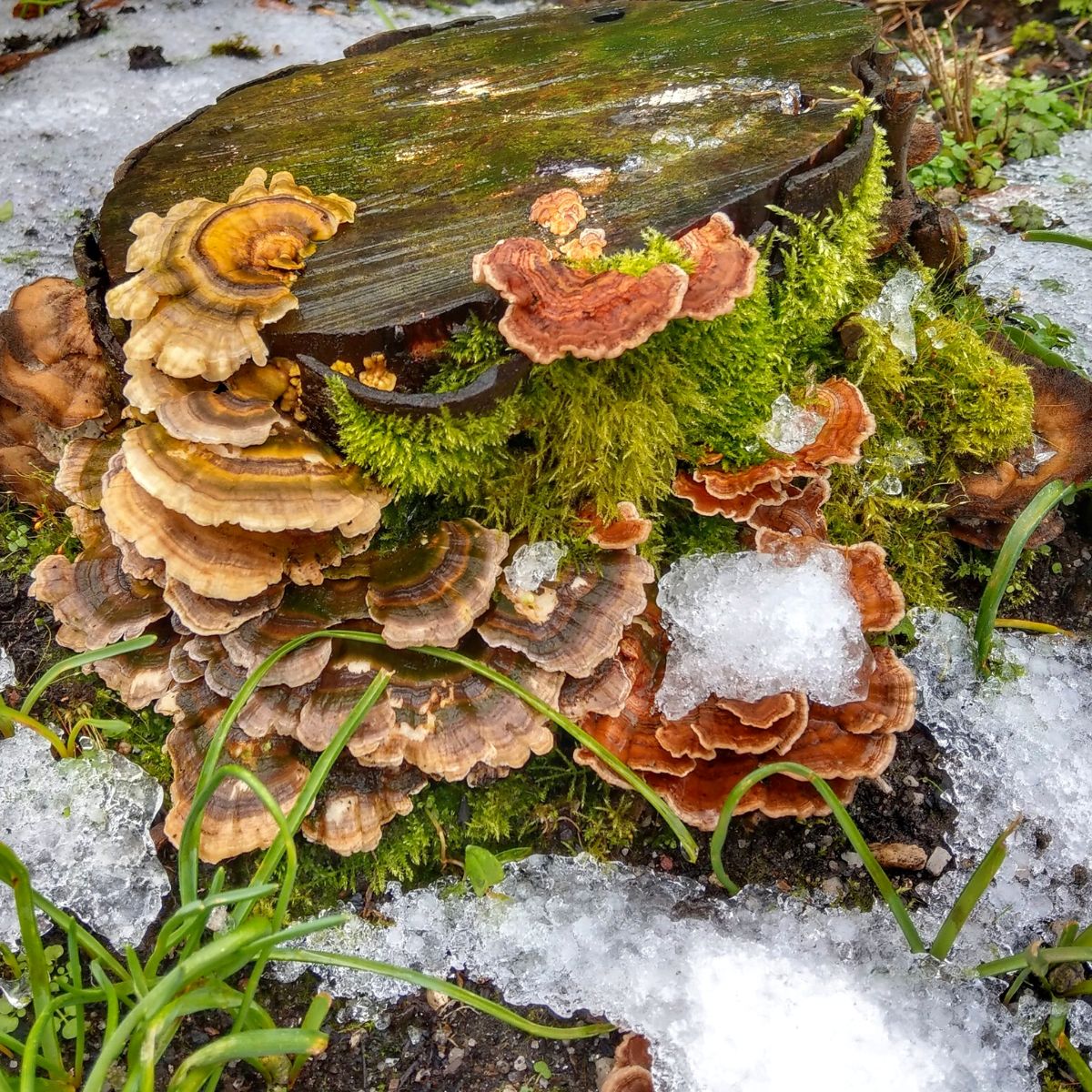
In the Northeast, diverse mushrooms not only survive but thrive during the chilly winter months.
Chaga mushrooms, growing on birch trees, are prized for their medicinal properties. They’re known to reduce cholesterol and combat cancer, and winter is the best time to harvest them to avoid harming the host tree.
Turkey Tails, with their distinctive striped pattern, are also abundant. They boost the immune system and are linked to improved cancer survival rates.
Both species exemplify the resilience and medicinal value of winter fungi. Additionally, the presence of these fungi supports ecosystem resilience, as they contribute to biodiversity and the balance of their habitats.
These mushrooms don’t just endure the cold; they reveal remarkable health benefits during the winter months, making them invaluable for both ecological balance and human health.
Winter Mushrooms in Warmer Climates
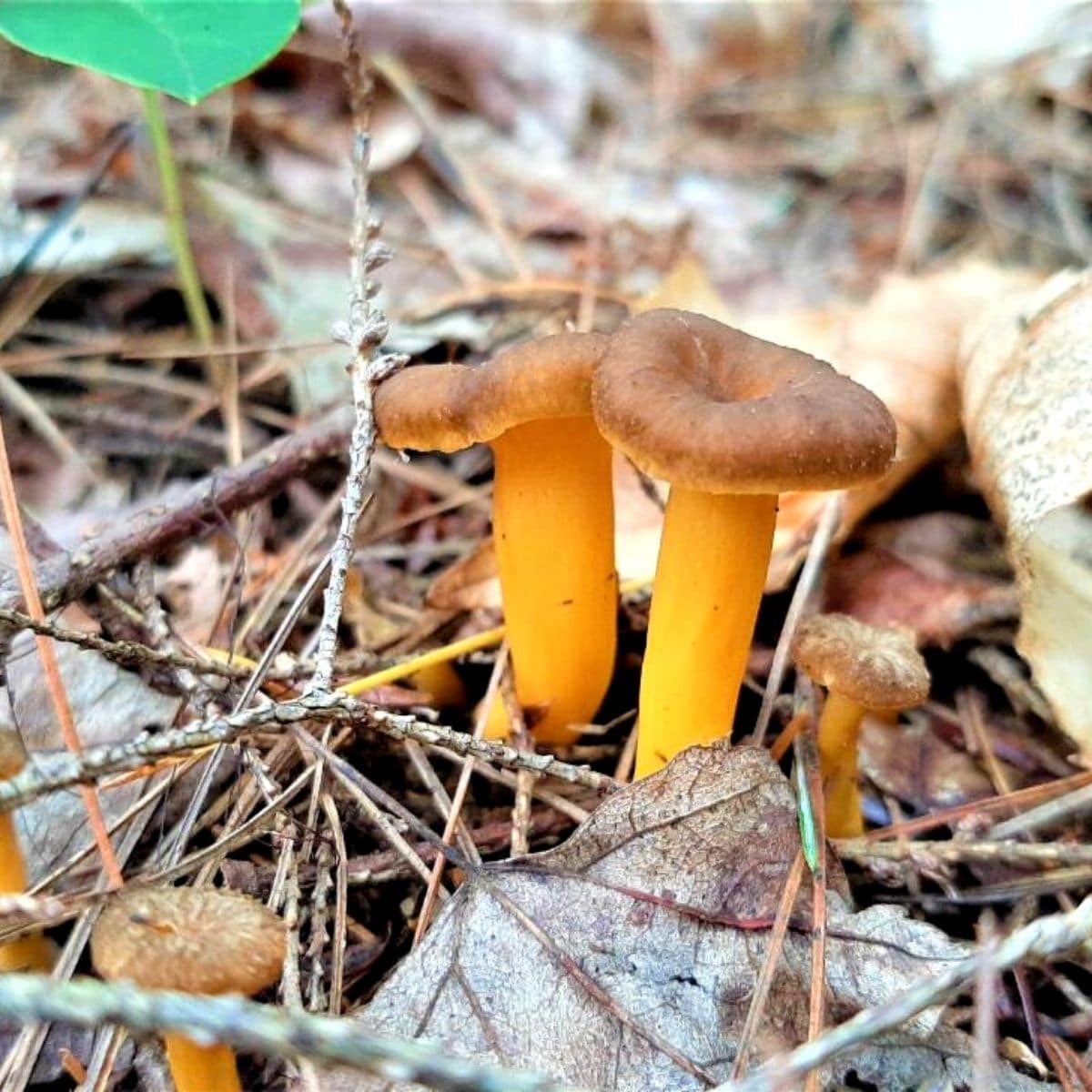
While the Northeast enjoys its own variety of cold-tolerant fungi, warmer climates also present a unique platform for winter mushrooms to flourish.
In these regions, the milder winters allow for an impressive diversity of species that can be foraged and enjoyed. Many of these mushrooms contribute to local ecosystem health by supporting the diets of wildlife and participating in nutrient cycling.
Here are some notable winter mushrooms thriving in warmer climates:
- Yellowfoot Chanterelles: Found under coniferous trees in mixed woodlands, cherished for their delicate flavor.
- Black Trumpet Mushrooms: Sought after for their rich, earthy taste, these mushrooms emerge during the cooler months.
- Hedgehog Mushroom: Recognizable by its unique spiky underside, offering a distinct culinary experience.
- Candy Caps: Known for their sweet aroma, ideal for innovative culinary applications, especially in desserts.
Additional Winter Mushrooms

Exploring beyond the familiar, let’s delve into the fascinating world of additional winter mushrooms that flourish despite the chilly season.
Winter oysters, or Pleurotus sp., thrive in cold, clinging to dead or dying trees. These edible mushrooms are a favorite among winter foragers due to their rich nutrient profile and culinary versatility.
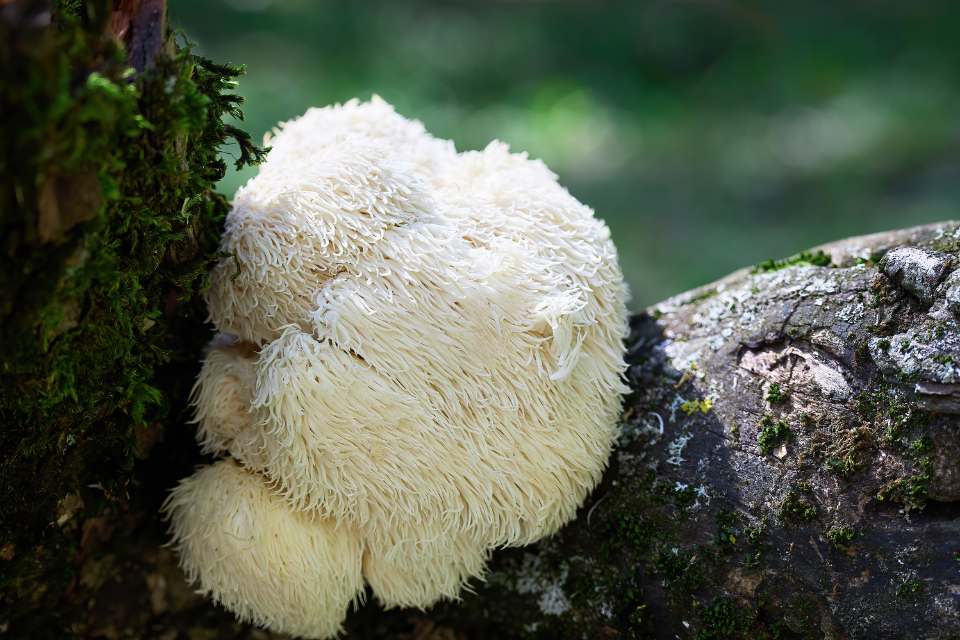
Another gem, Lion’s mane (Hericium sp.), resembles its namesake and offers cognitive boosts, making it highly sought-after. Its neuroprotective properties add to its allure.
Beyond these, the Red-Belted Polypore and Artist’s Conk, found on coniferous trees and dead wood respectively, are prized for their medicinal benefits, enriching the winter foraging experience with their unique contributions to health and wellness.
Unique Jelly Fungi
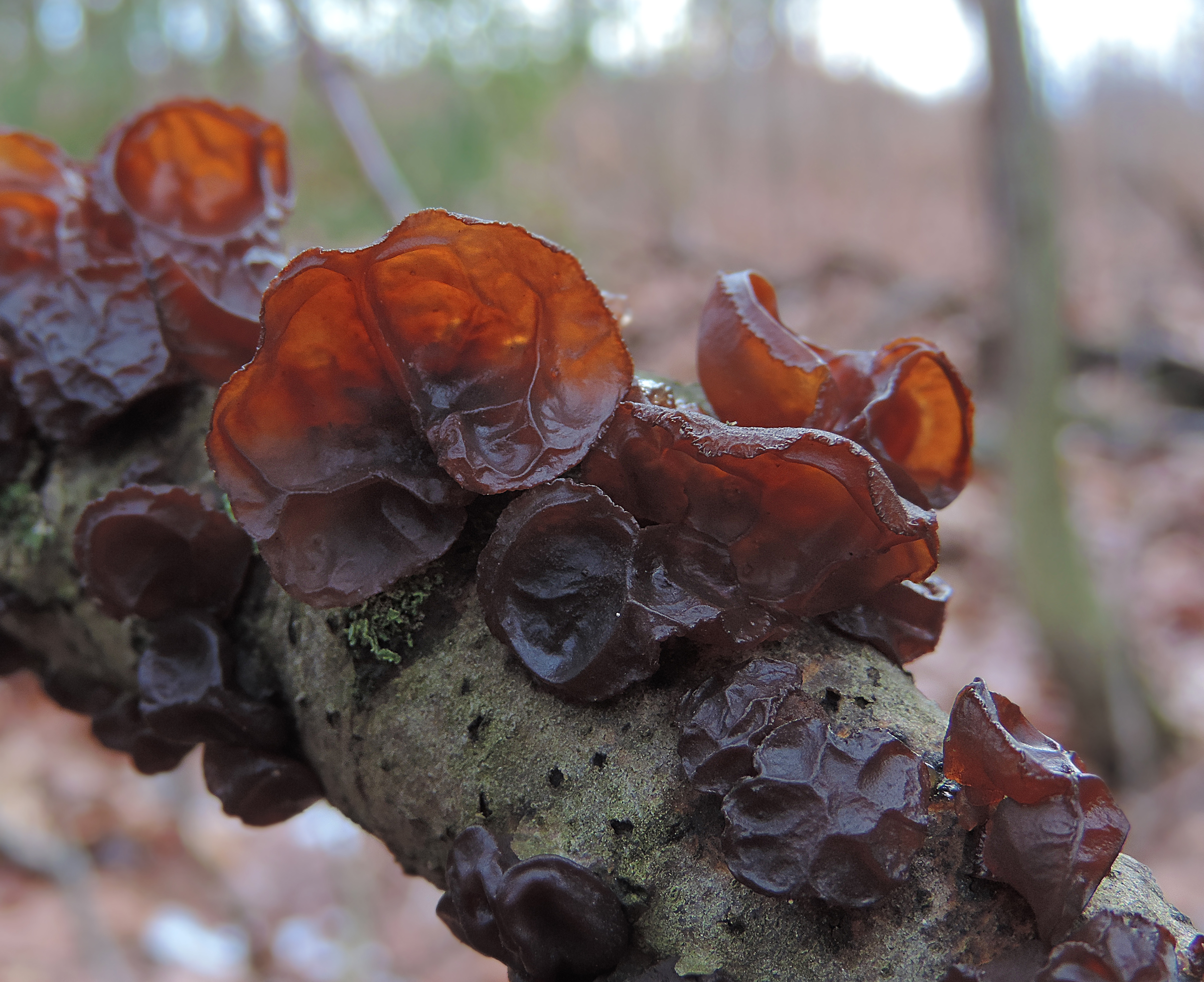
Building on our knowledge of winter mushrooms, let’s turn our attention to the intriguing world of jelly fungi, a group that includes species like Amber Jelly Roll and Black Jelly Roll.
These unique jelly fungi truly thrive in the cold months, making them exciting finds for those of us passionate about foraging.
- Amber Jelly Roll (Exidia recisa): Found on decaying wood, it’s known for its gelatinous texture and resilience in cold weather.
- Black Jelly Roll (Exidia glandulosa): This dark-colored fungus isn’t only a visual standout but also used in culinary dishes for its unique texture.
- Ecosystem Role: Both types help decompose organic matter, enriching forest nutrient cycles.
- Foraging: They grow in similar locales as other winter mushrooms, enhancing foraging expeditions.
Caution in Foraging

Venturing into the woods to forage mushrooms can be a rewarding experience, but it’s crucial to approach this activity with caution.
As some species like Brick Caps and Enoki can be toxic, accurate identification is essential to prevent poisoning. Beginners should learn from experienced foragers or use reliable guides, as spore print analysis is often required to distinguish safe from deadly varieties.
It’s wise to keep a foraging journal, documenting your finds and experiences. This practice helps in recognizing where and when certain mushrooms thrive, enhancing safety and knowledge over time.
Additionally, familiarize yourself with local foraging regulations and conservation practices to ensure your mushroom hunting is both responsible and sustainable.
Nutritional and Medicinal Benefits
While the importance of accurate identification and ethical foraging practices can’t be overstated, the benefits of consuming winter mushrooms extend far beyond their culinary uses.
These mushrooms to forage offer remarkable nutritional benefits and medicinal properties. Here’s why they’re worth including in your diet:
- Antioxidants and Immunity: Turkey Tail and Chaga mushrooms are packed with antioxidants, boosting the immune system and potentially enhancing cancer survival rates.
- Neuroprotective Qualities: Lion’s Mane mushrooms support cognitive health and possess properties that may protect against neurodegenerative diseases.
- Antibacterial and Antiviral: Birch Polypore mushrooms help fight infections, contributing to overall health.
- Nutritional Content: Enoki mushrooms provide essential dietary fiber, vitamins, and minerals, improving overall nutrition.
Foraging Resources
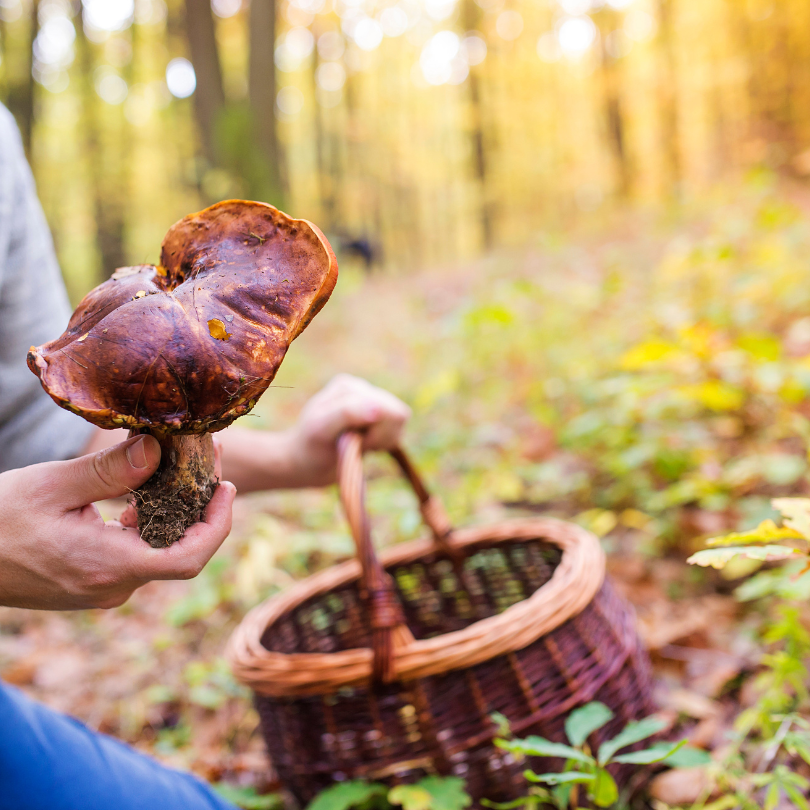
Navigating the world of winter mushroom foraging requires reliable resources, as distinguishing edible varieties from their toxic counterparts is crucial for your safety.
You’ll find numerous guides and identification apps specifically designed to help you recognize various mushrooms, their habitats, and seasonal availability. Additionally, joining online forums and local foraging groups can be invaluable. These platforms allow enthusiasts to share their knowledge, experiences, and tips, enhancing your foraging skills.
Furthermore, many regions host educational workshops and events focusing on safe mushroom foraging. These gatherings not only provide practical, hands-on learning but also foster community engagement.
Culinary Uses

After exploring the necessary resources for safely foraging winter mushrooms, let’s examine how these fungi can enhance your culinary repertoire.
Winter mushrooms aren’t just survivors of the cold; they’re also stars in the kitchen. Here’s how you can incorporate them into your meals:
- Oyster Mushrooms: Perfect for pasta dishes or sautéed with eggs, their subtle flavor blends seamlessly into various dishes.
- Enoki Mushrooms: Their delicate texture makes them ideal for soups and stir-fries, adding a sophisticated touch to Asian-inspired cuisine.
- Wood Ears: Known for their jelly-like consistency, they’re a fantastic addition to soups and salads, providing a unique texture.
- Hedgehog Mushrooms: With a rich flavor, they elevate gourmet dishes, making every bite more intriguing.
These mushrooms bring not only warmth but also a burst of flavor to winter cooking.
Ecosystem Contributions

Winter mushrooms, like Turkey Tail and Chaga, play a vital role in breaking down organic materials, crucial for nutrient cycling in forest ecosystems.
By decomposing dead wood and plant debris, these fungi enhance soil health, making essential nutrients available to plants.
Lion’s Mane and Velvet Shanks not only contribute to these processes but also provide habitats and food for diverse forest inhabitants, bolstering biodiversity.
Moreover, some winter mushrooms form symbiotic relationships with trees, boosting their health and resilience against diseases and environmental stressors.
Their presence can even signal the overall health of an ecosystem, serving as bioindicators of environmental changes.
In essence, winter mushrooms are indispensable for ecosystem contributions, underpinning forest vitality and diversity.