
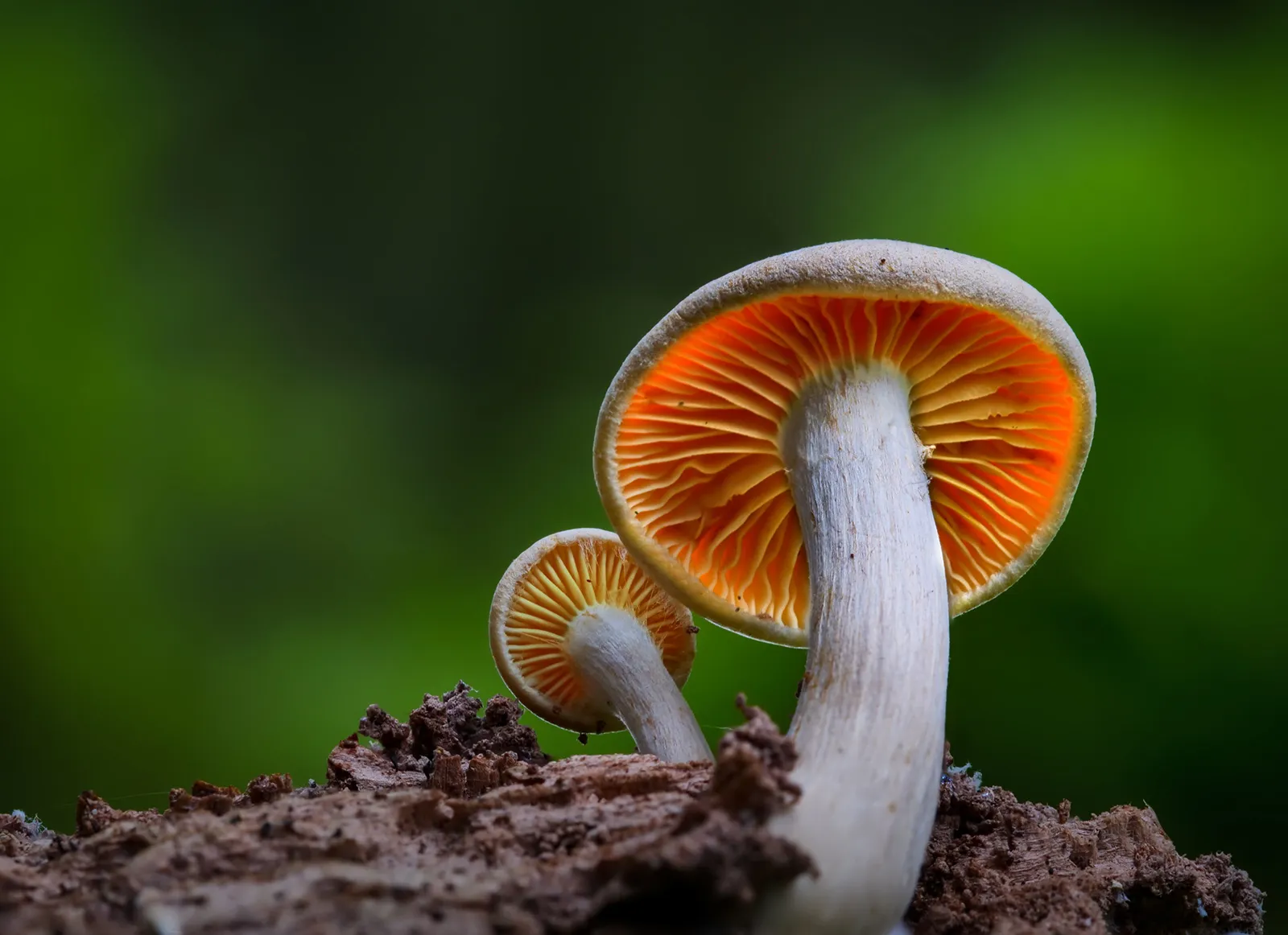
Explore the fascinating world of bioluminescent fungi! Only 71 out of 100,000 fungi species glow due to a chemical reaction involving luciferin and oxygen. Emitting a pale green light, these mushrooms attract insects like beetles and ants. Some species like Bitter Oyster and Honey Mushroom showcase unique bioluminescent charm. Their glow, controlled by a circadian clock, plays a vital role in forest ecosystems. Conservation efforts support these enchanting mushrooms found in diverse habitats worldwide. The interplay of genetics and ecology unravels the captivating mystery behind mushrooms that light up the night.
What Causes Bioluminescence in Mushrooms?
Bioluminescence in mushrooms is triggered by a fascinating chemical reaction involving luciferin, luciferase enzyme, and oxygen. This captivating phenomenon is rare, with only 71 out of over 100,000 known fungi species exhibiting bioluminescence. The glow can originate from the mycelia, mushrooms, or both structures. Glowing mushrooms emit a pale green light, serving as a beacon to attract insects like beetles, flies, wasps, and ants, aiding in spore dispersal. Intriguingly, research has revealed that the circadian clock plays a role in regulating the bioluminescence of mushrooms, hinting at an adaptive purpose for this glow. Fungi utilize bioluminescence as a mechanism to ensure reproductive success by luring insects to assist in spore dispersal. This intricate dance of chemistry and light in bioluminescent mushrooms showcases the fascinating ways in which nature evolves to thrive and perpetuate itself.
Types of Glow-in-the-Dark Fungi
Within the realm of mycology, a diverse array of fungi species exhibit the captivating phenomenon of emitting a green glow in the dark. These bioluminescent organisms, like Neonothopanus gardneri, belong to a select group of only 71 out of over 100,000 known fungi species that possess this unique trait. Glowing fungi emit light in the 520-530 nm range, attracting insects such as beetles and flies, which aid in spore dispersal. The bioluminescent pathway these fungi utilize involves energy-intensive processes like luciferin and luciferase enzyme interactions to produce their mesmerizing glow.
Research has revealed that the circadian rhythm of these bioluminescent fungi dictates when they emit light, with most actively glowing during the night to conserve energy. These glowing mushrooms not only captivate with their luminescence but also play a crucial ecological role in forest ecosystems by assisting in spore dispersal and contributing to nutrient cycling. The variety of glow-in-the-dark fungi showcases the fascinating diversity and complexity within the fungal kingdom.
How Do Bioluminescent Mushrooms Glow?
Imagine the intricate dance of molecules within bioluminescent mushrooms as they produce light to enchant the night. The mechanism behind this phenomenon involves a fascinating enzyme called luciferase, orchestrating the glow. Factors like the circadian rhythm and energy allocation play a crucial role in determining when and how brightly these mushrooms shine in the darkness.
Mushroom Bioluminescence Mechanism
To understand how bioluminescent mushrooms glow, researchers have delved into the intricate mechanisms that govern this captivating natural phenomenon. The glowing of mushrooms is a result of a fascinating chemical reaction within the fungal spores that emit light, often referred to as bioluminescence. This unique ability serves a crucial purpose in attracting insects like beetles and flies, aiding in the dispersal of spores. The regulation of this glow by a circadian clock hints at an adaptive strategy, with mushrooms conserving energy by emitting light primarily during the night when insects are most active. Ongoing research focuses on unraveling the specific genes responsible for bioluminescence in fungi, shedding light on the genetic basis of this mesmerizing trait.
| Mechanism | Description | Significance |
|---|---|---|
| Chemical Reactions | Fungal spores undergo specific reactions that result in the emission of light. | Fundamental process behind mushroom glow. |
| Circadian Clock | Regulates the timing of bioluminescence, conserving energy for optimal attraction. | Suggests an adaptive purpose for glowing. |
| Genetic Study | Research focuses on identifying genes responsible for bioluminescence in fungi. | Aims to uncover the genetic basis of glow. |
Factors Influencing Mushroom Glow
The mechanism behind the glow of bioluminescent mushrooms hinges on a complex chemical reaction involving luciferin, luciferase enzyme, and oxygen. Within the fungal world, this unique ability to emit light serves a crucial role in attracting insects for spore dispersal. The pale green light emitted by the glowing parts of these mushrooms falls within the 520-530 nm range, making them easily noticeable in the dark. Interestingly, the circadian control governing the bioluminescence of mushrooms suggests an adaptive purpose for their glow, possibly aiding in their survival and reproduction.
Research indicates that the energy-intensive glow of these mushrooms is strategically visible primarily at night, maximizing its efficiency in attracting insects. By luring insects like beetles towards them, bioluminescent mushrooms increase the chances of spore dispersal, furthering their reproductive success. This intricate interplay between chemical reactions, fungal biology, and ecological relationships highlights the fascinating world of bioluminescent mushrooms.
Role of Luciferase Enzyme
How does the luciferase enzyme play a critical role in the bioluminescent glow of mushrooms? The luciferase enzyme is fundamental in the bioluminescent process of fungi, catalyzing the oxidation of luciferin to emit light in the green spectrum. Here’s a breakdown of the luciferase enzyme’s role in creating the mesmerizing glow of bioluminescent mushrooms:
- Chemical Reaction: The luciferase enzyme initiates a chemical reaction by oxidizing luciferin in the presence of oxygen.
- Light Emission: This enzymatic reaction leads to the emission of light, with mushrooms glowing in the characteristic green hue.
- Bioluminescent Pathway: The luciferase enzyme is a key player in the bioluminescent pathway of fungi, enabling them to produce light.
- Insights: Understanding the function of the luciferase enzyme provides valuable insights into how these fungi generate light, aiding research in areas like luciferase-based reporters in plants.
The luciferase enzyme’s involvement underscores the intricate biochemistry behind the enchanting phenomenon of bioluminescent mushrooms.
Common Species of Glowing Mushrooms
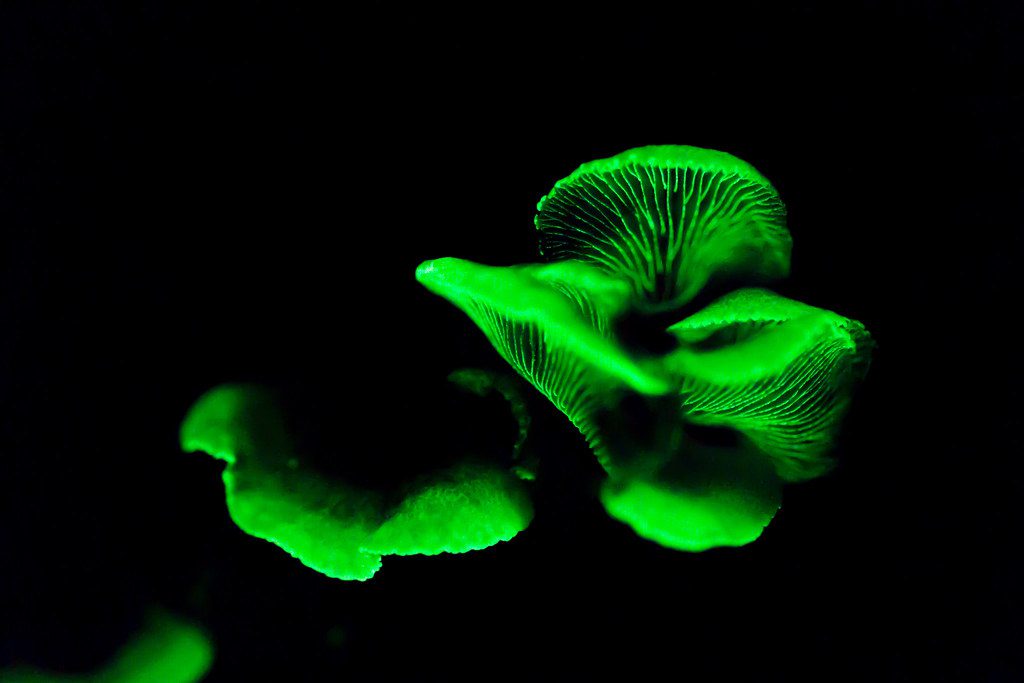
Let’s explore the fascinating world of bioluminescent fungi by diving into the realm of glowing mushrooms. Common species such as Bitter Oyster, Little Ping-Pong Bats, and Honey Mushroom exhibit enchanting glows in the dark. Delve deeper into the diverse array of luminescent mushrooms like Bulbous Honey Fungus, Green Pepe, and Lilac Bonnet, each with its unique bioluminescent charm.
Glowing Mushroom Types
Exploring the fascinating world of glowing mushroom types reveals a variety of common species with unique bioluminescent properties.
- Bitter Oyster, Little Ping-Pong Bats, and Honey Mushroom: These are among the well-known types of bioluminescent mushrooms that exhibit a captivating glow-in-the-dark feature.
- Bulbous Honey Fungus, Green Pepe, and Lilac Bonnet mushrooms: These species also showcase bioluminescence, adding to the enchanting diversity of glowing fungi.
- Eternal Light Mushroom and Bleeding Fairy Helmet: These unique glowing mushroom species, found in various regions, offer a magical sight with their distinct bioluminescent glow.
- Light emission areas: Glowing mushrooms can emit light from different parts such as their mycelia, gills, or stems, showcasing a range of bioluminescent features that make them stand out in their habitats.
These bioluminescent mushrooms can be found in forests, tropical areas, and various ecosystems worldwide, adding a mystical and awe-inspiring element to nature’s wonders.
Bioluminescent Fungi Varieties
Various common species of glowing mushrooms, such as the Bitter Oyster, Little Ping-Pong Bats, and Honey Mushroom, exhibit fascinating bioluminescent properties that captivate observers. These bioluminescent fungi, along with species like Bulbous Honey Fungus, Green Pepe, and Lilac Bonnet, are well-known for their ability to emit an enchanting glow. Additionally, mushrooms such as the Eternal Light Mushroom, Bleeding Fairy Helmet, and Jack-O-Lantern Mushroom are recognized for their captivating luminescence.
Each of these glowing mushrooms showcases bioluminescence in distinct parts of their structures, whether it be the mycelia, gills, or stems, depending on the specific species. The diversity in the manifestation of bioluminescence among these species adds to the allure and mystery surrounding these remarkable fungi. It is worth noting that certain glowing mushroom varieties may display limited bioluminescence due to the presence of toxins or particular environmental conditions. The world of glowing mushrooms is truly a fascinating realm waiting to be explored.
Notable Luminescent Mushrooms
Among the rare and fascinating world of glowing mushrooms, notable luminescent species such as the Bitter Oyster, Honey Mushroom, and Jack-O-Lantern Mushroom stand out for their captivating bioluminescent properties.
- Bitter Oyster Mushroom: This species emits a soft green glow, attracting nocturnal insects like beetles to aid in spore dispersal.
- Honey Mushroom: Known for its pale green luminescence, this mushroom uses its glow to lure flies and ants, essential for spreading its spores.
- Jack-O-Lantern Mushroom: Emitting a vibrant green light, this species captivates with its eerie glow, mainly visible in its gills.
- Unique Features: Glowing parts of these mushrooms, whether in mycelia, gills, or stems, vary among species, contributing to their allure and ecological function.
These luminescent mushrooms, with their enchanting green glow, play a vital role in the ecosystem by attracting specific insects for spore dispersal. Their rarity and unique bioluminescent properties make them a subject of fascination and study in the world of mycology.
The Science Behind Mushroom Luminescence
Mushroom luminescence, a fascinating phenomenon observed in a select group of fungal species, is a captivating subject in scientific research due to its intricate mechanisms and ecological significance. Among the estimated over 100,000 known fungi species, only around 71 exhibit bioluminescence, emitting a pale green light that serves a crucial purpose in their lifecycle. Glowing mushrooms utilize their light to attract insects such as beetles, flies, wasps, and ants for spore dispersal, a process vital for reproduction.
Studies have revealed that the circadian clock plays a pivotal role in regulating the bioluminescence of mushrooms, hinting at an adaptive function for this intriguing trait. The energy-intensive nature of glowing in the dark aids these fungi in efficiently attracting insects, ultimately contributing to their reproductive success. By delving into the science behind mushroom luminescence, researchers gain a deeper understanding of how these organisms have adapted to their environment and ecosystem, shedding light on the marvels of the natural world.
Where Can Bioluminescent Mushrooms Be Found?
You can find bioluminescent mushrooms in various regions worldwide, with a notable concentration of species residing in the Atlantic Forest in Brazil. The Ribeira Valley within the Atlantic Forest is particularly rich in glowing fungi, showcasing mesmerizing varieties like the neon-green emitting Mycena lucentipes. Exploring these environments not only offers a unique glimpse into the habitat of bioluminescent fungi but also supports conservation efforts and biodiversity awareness.
Habitat of Bioluminescent Fungi
Bioluminescent fungi inhabit a variety of ecosystems, from tropical rainforests to temperate forests and grasslands, thriving particularly on decaying wood, fallen leaves, and organic-rich forest floors.
- Tropical Rainforests: Bioluminescent fungi are often found in the dense and humid environments of tropical rainforests, where they contribute to the enchanting glow of the forest floor.
- Temperate Forests: In temperate regions, these glowing mushrooms can be spotted among the leaf litter and decaying logs, adding a mystical touch to the forest ambiance.
- Grasslands: Certain species of bioluminescent fungi also make their homes in grasslands, illuminating the ground in patches where organic matter is abundant.
- Coastal Regions: Some bioluminescent mushrooms thrive in coastal areas with high rainfall, showcasing their luminescent properties near the sea.
The diverse habitats where bioluminescent fungi flourish highlight their adaptability and the vital role they play in maintaining the ecological balance of various ecosystems.
Environments Supporting Glowing Mushrooms
Various environments across the globe provide the ideal conditions for the thriving of glowing fungi, showcasing their adaptability and enchanting beauty in diverse ecosystems. Bioluminescent mushrooms can be found in a spread of habitats, ranging from tropical rainforests to temperate forests and even deserts. These captivating fungi flourish in environments with high humidity and limited air movement, often favoring areas with dense vegetation like forests. Specific species of glowing mushrooms are commonly observed in regions such as North America, Brazil, Australia, and Asia. Coastal areas and islands, like the Atlantic Forest in Brazil, are known for hosting a diverse array of bioluminescent mushroom species. These fascinating organisms are frequently sighted near decaying wood, fallen leaves, or in dark, damp locations where they can attract insects for spore dispersal. The work of notable researchers like Sarah E. Dunlap has shed light on the spread and distribution patterns of these mesmerizing glowing mushrooms across different landscapes.
Ecological Role of Glow-in-the-Dark Fungi
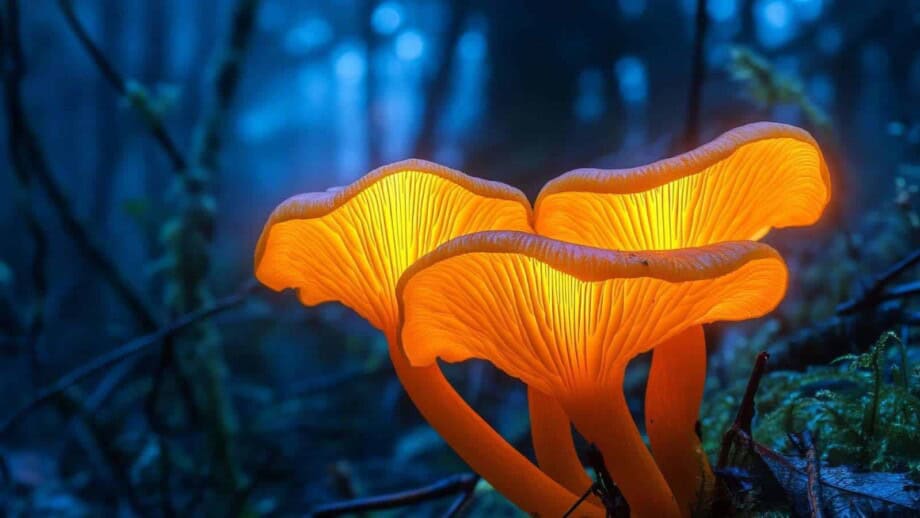
Exploring the ecological role of glow-in-the-dark fungi reveals their fascinating use of bioluminescence to attract insects for spore dispersal. These mushrooms have evolved a clever strategy to ensure their spores are spread far and wide:
- Attracting Insects: Glowing fungi emit light, particularly at night when humidity is higher, to catch the attention of insects like beetles, flies, wasps, and ants.
- Adaptive Purpose: The circadian control of bioluminescence in mushrooms suggests a deliberate adaptation for attracting insects during specific times.
- Energy Conservation: By glowing only at night, bioluminescent fungi conserve energy and maximize the chances of attracting insects for effective spore dispersal.
- Multi-Faceted Attraction: Research indicates that while bioluminescence plays a primary role in luring insects, other factors like color and scent also contribute to the mushrooms’ appeal for colonization.
Cultivating Mushrooms for Bioluminescence
If you’re ready to explore the fascinating world of cultivating mushrooms for bioluminescence, get ready to uncover the intricate genes responsible for their captivating glow. Scientists are actively researching ways to transfer these bioluminescent pathways into various plant species, paving the way for glow-in-the-dark plants. Overcoming challenges like sustaining continuous light production and optimizing substrate delivery are key in achieving long-term luminescence in these botanical wonders.
Growing Glowing Mushrooms
To cultivate glowing mushrooms successfully, it is crucial to create and maintain optimal environmental conditions for bioluminescent fungi to thrive. When aiming to grow these fascinating organisms that emit a mesmerizing green light, consider the following key factors:
- Specific Substrates: Glowing mushrooms typically grow well on substrates rich in nutrients like hardwood sawdust, supplemented with nutrients such as bran or rice.
- Humidity Levels: Maintaining high humidity levels between 85-95% is vital for the growth and health of bioluminescent mushrooms.
- Temperature Regulation: Most glowing mushroom species thrive in temperatures ranging from 18-24°C (64-75°F), although specific species may have different requirements.
- Light Exposure: While bioluminescent mushrooms emit their own light, they still require some exposure to light during their growth stages. Indirect light or low-intensity light can be beneficial for their development.
Bioluminescent Mushroom Cultivation
Glowing mushrooms, when cultivated for bioluminescence, necessitate precise environmental conditions to flourish and emit their mesmerizing light. To cultivate bioluminescent mushrooms successfully, one must provide controlled environments with specific temperature, humidity levels, and suitable substrate. Certain fungal species, like Neonothopanus gardneri, are particularly adept at producing vibrant bioluminescence when grown under optimal conditions. In some cases, bioluminescent mushroom cultivation may even involve genetic modification to enhance the light emitted. This process allows researchers and enthusiasts a unique opportunity to delve into the fascinating world of genetically encoded glowing fungi. By carefully crafting the ideal habitat for these mushrooms, you can witness firsthand the mesmerizing beauty of nature’s own light show. Cultivating mushrooms for bioluminescence not only presents a scientific challenge but also offers a chance to appreciate and study the awe-inspiring natural phenomenon of glowing fungi.
Techniques for Mushroom Bioluminescence
Cultivating mushrooms for bioluminescence involves intricate techniques that harness genetic transfer from fungi to plants, creating glow-in-the-dark organisms with optimized luminescent pathways. Researchers grew plants with genetically encoded glowing abilities by transferring genes responsible for bioluminescence from fungi to plants like tobacco and tomatoes. They utilized DNA cassettes containing optimized fungal genes to engineer glow-in-the-dark plants, such as roses and periwinkles, demonstrating improved systems for long-term luminescence. Challenges persist in achieving uniform glow, managing costs, ensuring continuous light production, and optimizing substrate delivery for sustained bioluminescence. Despite these hurdles, incorporating fungal bioluminescence pathways in plants shows promise for creating sustainable sources of light, paving the way for innovative applications in agriculture, aesthetics, and environmental conservation. Exciting advancements in the field of bioluminescent plant cultivation offer a glimpse into a future where natural sources of illumination could revolutionize various industries.
Ethical Considerations of Harvesting Glowing Fungi
Harvesting glowing fungi ethically requires careful consideration of the impact on their natural ecosystems. Mushrooms that exhibit bioluminescence are found in various regions worldwide, often thriving in damp, wooded areas. When harvesting these unique fungi, it’s essential to remember that every action has consequences. Overharvesting not only diminishes the population of bioluminescent mushrooms but also disrupts the delicate balance of their habitats. It costs energy for these mushrooms to produce light, and excessive harvesting can impede their ability to fulfill their ecological functions.
To help maintain the delicate equilibrium, responsible harvesting practices must be implemented. Consideration should be given to the amount collected, ensuring that enough mushrooms are left behind to support reproduction and growth. Obtaining permits where necessary and adhering to regulations can also aid in the preservation of glowing fungi populations. Here is a table illustrating the ethical considerations of harvesting glowing fungi:
| Ethical Considerations | Actions |
|---|---|
| Avoid overharvesting | Collect limited amounts |
| Obtain permits | Follow regulations |
| Educate others | Promote responsible harvesting |
| Support conservation efforts | Participate in sustainable foraging |
DIY Projects With Bioluminescent Mushrooms
Utilize bioluminescent mushrooms in your DIY projects to introduce captivating natural illumination effects that enhance the aesthetic appeal of your creations. These mushrooms offer a unique way to incorporate sustainable and enchanting lighting solutions into your crafts. Here are some exciting DIY project ideas using bioluminescent mushrooms:
- Glowing Terrariums: Create mesmerizing terrariums by adding bioluminescent mushrooms to the soil. Watch as these mushrooms emit a soft, mystical glow in the dark, transforming your terrarium into a magical miniature world.
- Bioluminescent Artwork: Incorporate these mushrooms into your artwork to add a touch of natural luminescence. Whether painting with mushroom spore prints or embedding actual mushrooms into your artwork, the glowing effect will surely captivate viewers.
- Garden Decorations: Enhance your outdoor space by integrating bioluminescent mushrooms into garden decorations. From fairy gardens to pathway luminaries, these mushrooms can bring a magical ambiance to your garden at night.
- DIY Lamps: Design your own bioluminescent mushroom lamps by carefully placing the mushrooms in transparent containers. These lamps can serve as unique and eco-friendly lighting sources, perfect for creating a cozy atmosphere in any room.

Bioluminescent Mushroom Conservation Efforts
Conservation initiatives in the Atlantic Forest are dedicated to safeguarding the bioluminescent mushrooms, such as Mycena lucentipes, found within this unique ecosystem. The IPBio Reserve in Brazil is actively involved in protecting these mushrooms by organizing nighttime mushroom hunting tours. These tours not only contribute to funding conservation projects but also play a crucial role in raising awareness about the importance of preserving bioluminescent mushrooms.
Ecotourism has emerged as a significant tool in supporting the conservation efforts aimed at these glowing fungi. By participating in guided tours in the Atlantic Forest, individuals can actively engage in promoting sustainable practices and preserving the biodiversity of the region, including the enchanting bioluminescent mushrooms. The allure of these glowing fungi attracts nature enthusiasts, whose interest not only adds to the conservation initiatives but also helps in highlighting the importance of protecting these unique species for future generations to appreciate.
Health and Safety Concerns With Glowing Mushrooms
When encountering bioluminescent mushrooms, it is essential to be mindful of potential health and safety concerns associated with handling and consumption. While these glowing fungi are generally non-toxic to humans, there are still some important precautions to consider:
- Misidentification Risks: Some bioluminescent mushrooms bear a resemblance to toxic varieties, leading to potential health risks if mistakenly consumed.
- Digestive Discomfort: Ingesting glowing mushrooms is not advised due to the potential for digestive issues that may arise.
- Handling Precautions: Although touching glowing mushrooms with bare hands may not result in immediate health risks, it is recommended to wear gloves when handling them to prevent any potential skin irritation.
- Seek Medical Attention: In case of accidental ingestion, seeking medical help is crucial to address any adverse effects promptly.
Exploring the Aesthetics of Luminescent Fungi
The ethereal beauty of luminescent fungi captivates observers with their enchanting glow, showcasing nature’s intricate and captivating aesthetics. Glowing fungi, emitting a pale green light, create a mesmerizing spectacle in the dark forest. The delicate luminescence serves a crucial purpose in the fungi kingdom, acting as a beacon to attract insects like beetles and flies for spore dispersal. This phenomenon, regulated by the circadian rhythm, optimizes energy consumption by shining only when insects are most active during the night.
Research unveils the strategic energy investment of glowing fungi, utilizing their bioluminescence to enhance reproductive success through insect attraction. Fascinatingly, experiments with plastic mushrooms embedded with green LED lights at the same wavelength as real glowing mushrooms have successfully lured insects, highlighting the effectiveness of this natural mechanism. The intricate dance of light and nature’s design in these glowing fungi adds a touch of magic to the forest floor, inviting you to marvel at the wonders of the natural world.
Myths and Folklore Surrounding Glowing Mushrooms
Glowing mushrooms have long been intertwined with myths and folklore across diverse cultures, embodying magical allure and mystical connections. Here are some fascinating facts about the myths and folklore surrounding these luminescent fungi:
- Cultural Significance: Glowing mushrooms hold significant cultural value in various societies, often symbolizing spirituality, protection, or good fortune.
- Japanese Folklore: In Japanese tales, Aokigahara Forest is believed to be home to spirits of the dead, with glowing mushrooms marking their presence.
- Indigenous Tribes in Brazil: Sacred to indigenous tribes in Brazil, bioluminescent mushrooms are associated with stories of forest spirits safeguarding their habitats.
- Luck and the Spirit World: Some cultures regard finding a glowing mushroom as a sign of good luck or a connection to the spirit world, adding to the mystical appeal of these natural wonders.
The presence of glowing mushrooms in myths and folklore reflects humanity’s enduring fascination with the enchanting beauty and mysterious glow of these unique organisms.
Future Research Directions in Mushroom Bioluminescence
Exploring the genetic basis of mushroom bioluminescence and understanding its ecological implications are crucial avenues for future research in this fascinating field. Scientists are eager to identify the specific genes responsible for the mesmerizing glow emitted by certain fungi. Of particular interest is unraveling how mushrooms synchronize their luminescence with the circadian rhythm, shedding light on the mechanisms behind this captivating phenomenon.
Another key focus for upcoming studies is investigating how glowing mushrooms conserve energy by emitting light predominantly at night. By understanding the energy dynamics involved in bioluminescence, researchers aim to gain insights into the evolutionary advantages this trait offers to light-emitting fungi.
Furthermore, future research will delve into the intricate interaction between glowing mushrooms and insects for spore dispersal, unraveling the ecological significance of these luminous organisms in forest ecosystems. By shedding light on these aspects, scientists hope to unveil the hidden mysteries of bioluminescent mushrooms, paving the way for a deeper understanding of their role in the natural world.