

Hibiscus flowers, with their vibrant colors and trumpet-shaped blooms rich in sweet nectar, unquestionably attract hummingbirds due to the specialized design catering to the feeding habits of these tiny, energetic birds. Their vibrant red hues act as beacons for hummingbirds, while the tubular shape of the flowers allows easy access to the sweet nectar. Planting hibiscus in well-draining soil with sunlight exposure and opting for bright red, pink, or orange varieties can strategically lure hummingbirds to your garden. Enhance bird photography opportunities with these vibrant blooms which act as nectar indicators for hummingbirds.
Hibiscus Flowers and Hummingbirds
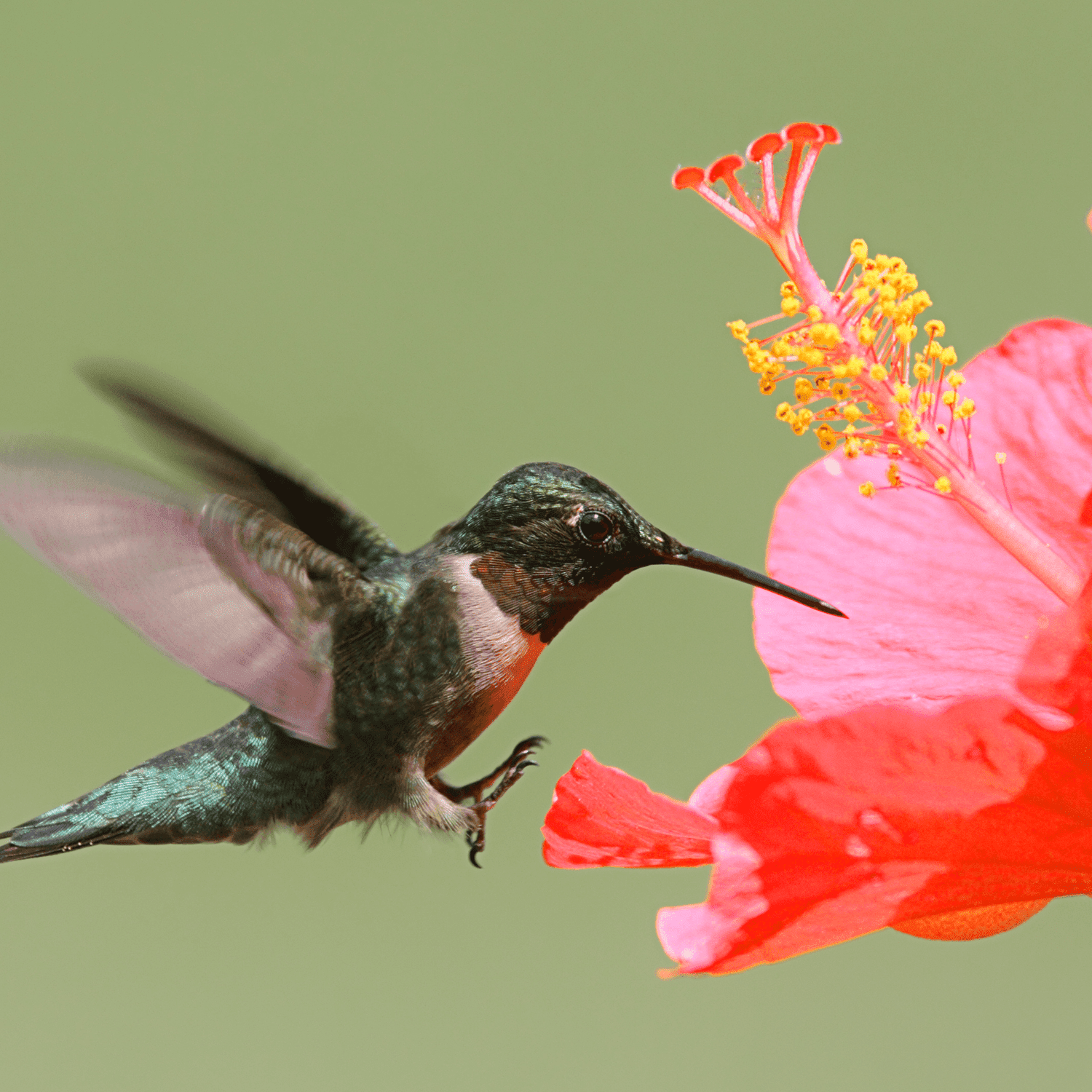
Hibiscus flowers, renowned for their bright colors and nectar-rich blooms, are a favored choice for attracting hummingbirds due to their trumpet-shaped design that allows easy access to nectar. The vibrant, bright red hues of many hibiscus varieties act as beacons, catching the eye of passing hummingbirds. These birds are naturally drawn to rich, bold colors, making the hibiscus an ideal candidate for attracting them to your garden. Additionally, hibiscus plants thrive in full sun, a preferred habitat for hummingbirds as it provides the warmth and light they seek. The trumpet-shaped flowers of the hibiscus are perfectly suited for the long beaks of hummingbirds, allowing them to reach deep into the bloom for the sweet nectar inside. By planting hibiscus in your garden, you create an oasis that not only delights the eye with its stunning blooms but also serves as a haven for these delicate and agile avian visitors.
Nectar-Rich Hibiscus Blooms
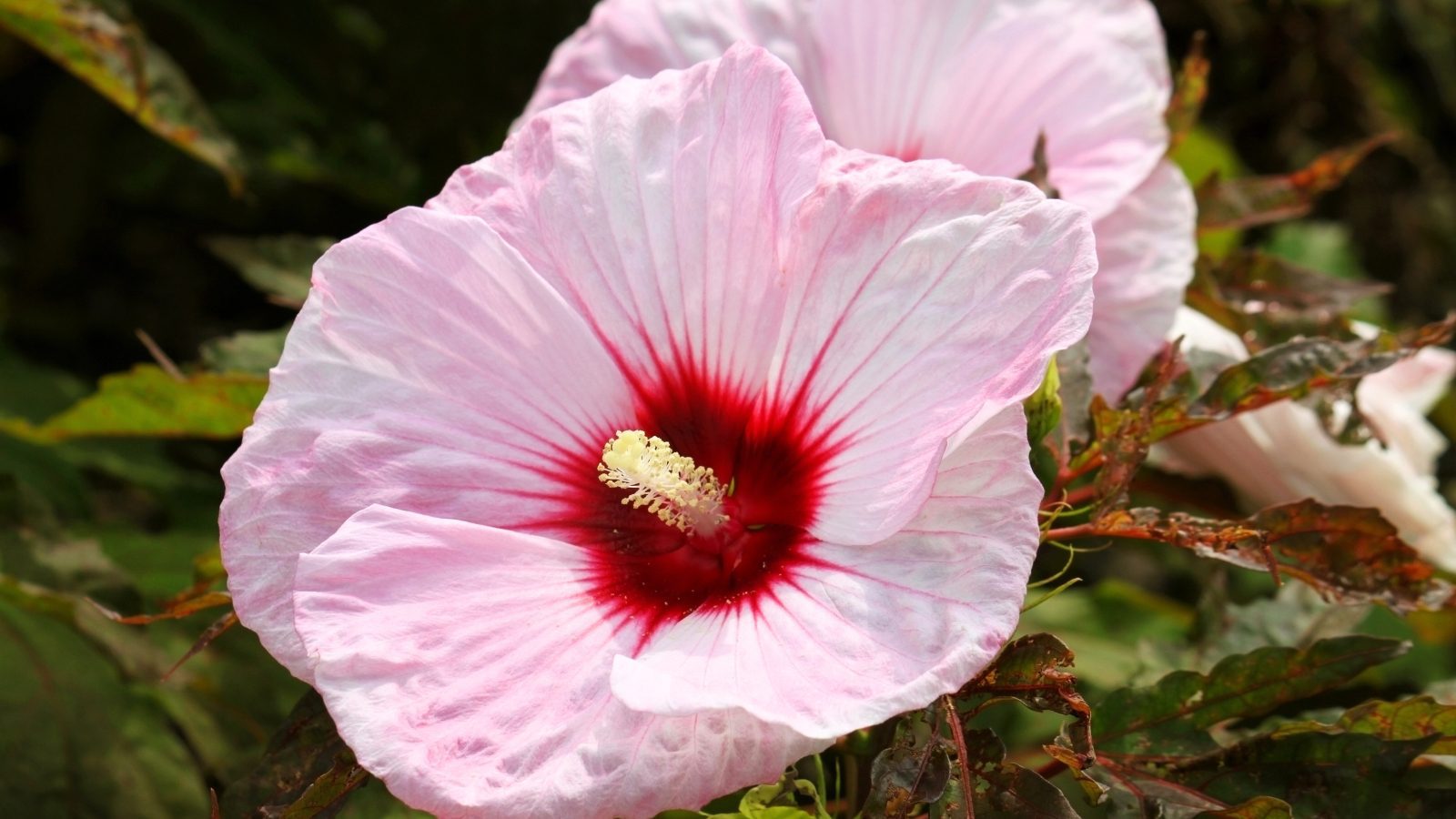
With their nectar-rich blooms and tubular shape, hibiscus flowers easily attract hummingbirds to your garden. The sweet nectar contained within these vibrant blooms serves as a valuable food source for hummingbirds, drawing them back year after year. The tubular shape of hibiscus flowers is specifically adapted to cater to hummingbirds, allowing these agile creatures to reach deep into the flower to access the nectar. Different hibiscus species offer a diverse range of colors and sizes, catering to various hummingbird species and preferences. By planting hibiscus in your garden, you create an enticing environment that not only pleases the eye but also provides sustenance for both hummingbirds and avid garden enthusiasts. Additionally, hibiscus thrives in warmer climates, ensuring a consistent and long-lasting supply of nectar for hummingbirds in these regions. The cycle of hibiscus blooms and hummingbird visits repeats annually, making hibiscus a reliable choice for attracting these delightful birds to your garden.
Vibrant Colors for Hummingbirds
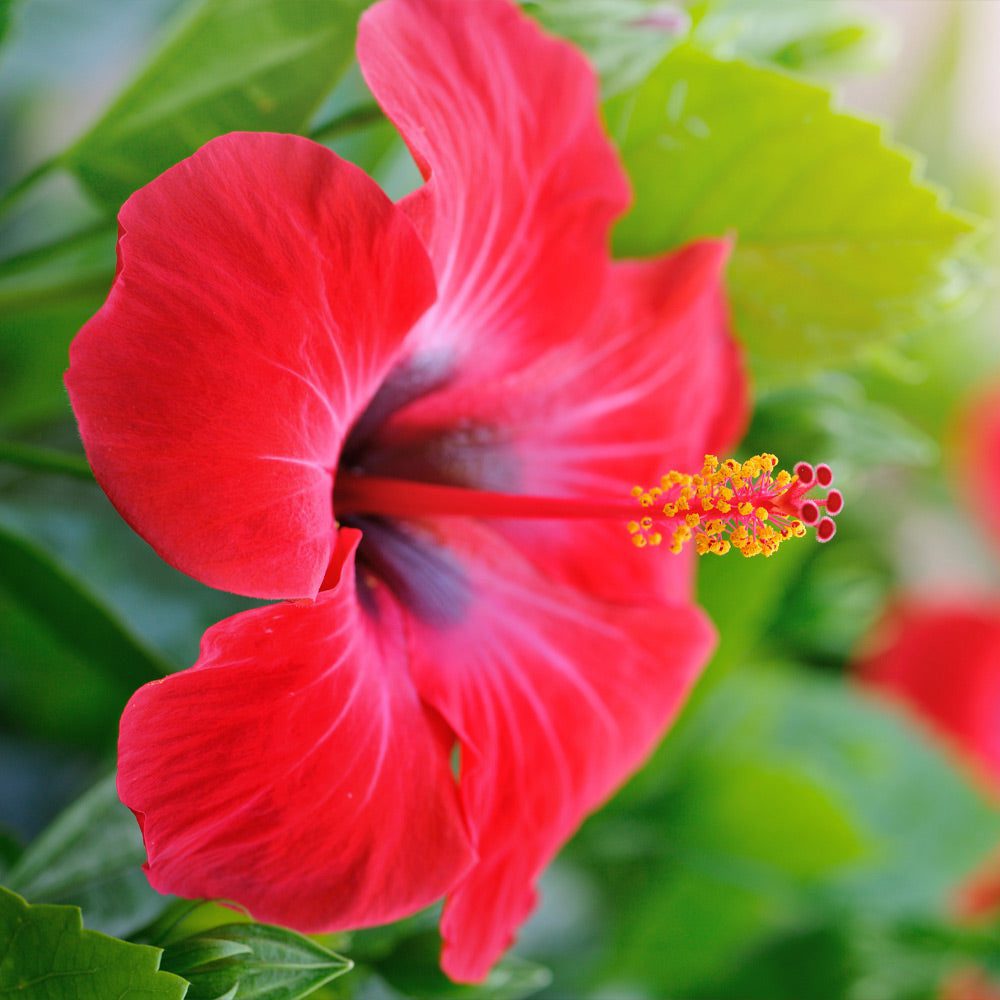
Vibrant colors, especially in shades of red and pink, play a crucial role in attracting hummingbirds to hibiscus flowers. The bright hues serve as signals for these tiny birds, guiding them towards a potential nectar source. Here’s why these colors are so effective:
- Contrast: The stark contrast of red and pink against green foliage makes hibiscus flowers easily visible to hummingbirds, even from a distance.
- Nectar Indicators: The vivid colors act as indicators of nectar availability, signaling to hummingbirds where they can find a good food source.
- Attractiveness: Hummingbirds are naturally drawn to vibrant hues, with red being a primary color that signals food sources to these avian pollinators.
- Garden Aesthetics: Aside from attracting hummingbirds, the vibrant colors of hibiscus flowers add a pop of color to your garden, enhancing its overall beauty.
To maximize the allure of your hibiscus for hummingbirds, ensure you regularly cut back any dead blooms to promote continuous flowering and maintain the vibrancy of the colors that these birds find irresistible.
Trumpet-Shaped Hibiscus Attracts
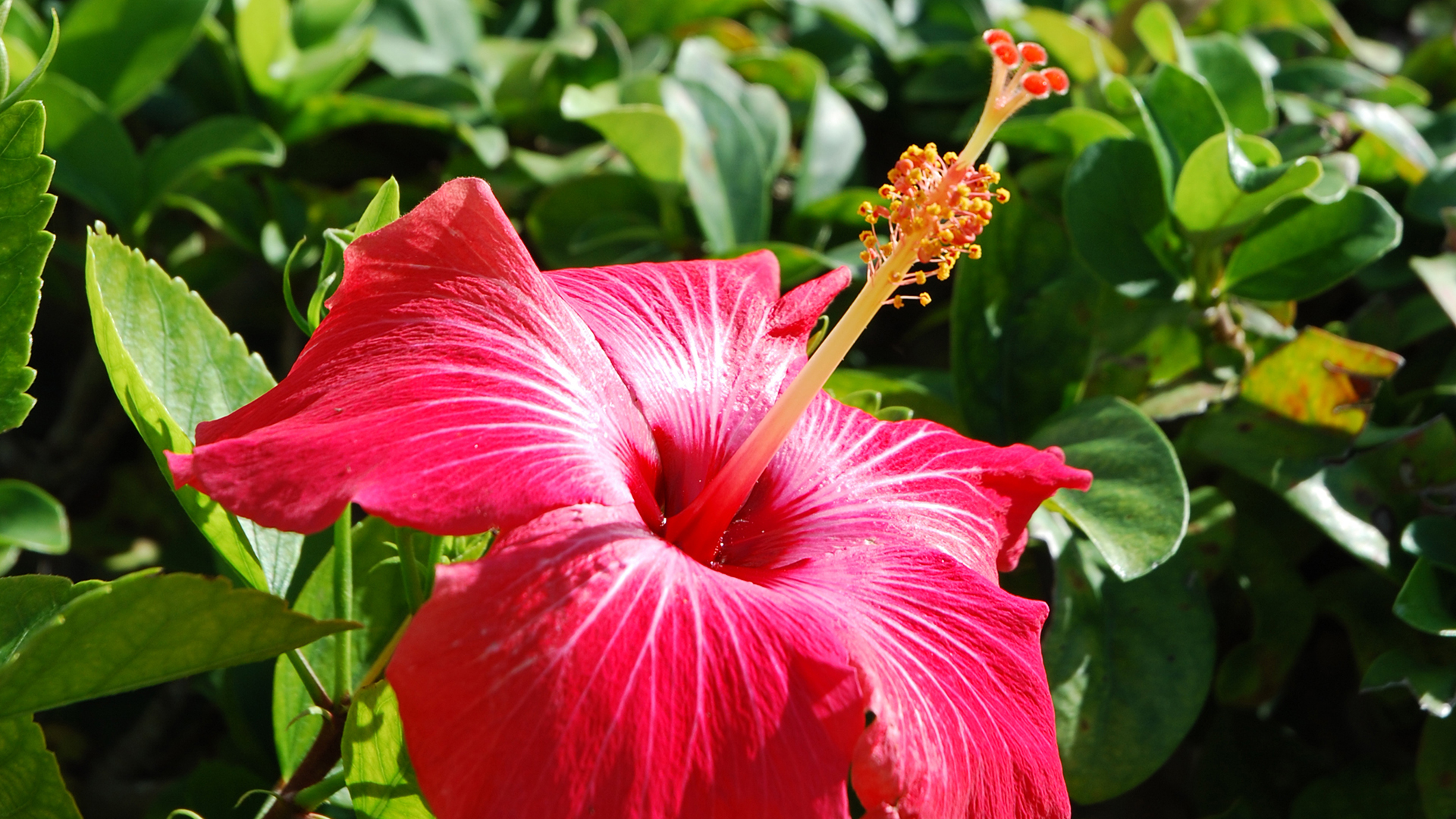
Trumpet-shaped hibiscus flowers, with their nectar-rich blooms, are known for attracting hummingbirds due to their unique shape and abundant nectar production. When strategically planting these hibiscus in your garden, consider their proximity to other plants that hummingbirds may frequent during migration. Hummingbirds are attracted to the trumpet-like shape of the hibiscus flower, providing easy access to nectar with their long, specialized bills. Understanding hummingbird nesting habits can further enhance the appeal of trumpet-shaped hibiscus in your garden. By offering a suitable environment with well-cared-for hibiscus plants, you provide potential nesting sites for hummingbirds while ensuring a sustainable nectar source.
Regular pruning of hibiscus bushes can promote healthy growth and abundant flowering, which in turn sustains hummingbird populations in your area. Observing hummingbird feeding behavior around trumpet-shaped hibiscus can offer insight into their preferences and help maintain a harmonious habitat. Careful attention to hibiscus care, including watering and fertilizing routines, can maximize nectar production and thus increase the frequency of hummingbird visits to your garden.
Drawing Hummingbirds With Hibiscus

The allure of hibiscus in attracting hummingbirds lies in their vibrant colors and nectar-rich blooms, making them a favored choice for gardeners seeking to draw these delightful avian visitors. To effectively draw hummingbirds with hibiscus, consider the following tips:
- Hibiscus Planting Tips
- Plant hibiscus in well-draining soil with sufficient sunlight exposure.
- Water regularly to keep the soil moist but not waterlogged.
- Hibiscus Color Palette
- Opt for hibiscus varieties with bright red, pink, or orange flowers to attract hummingbirds.
- These colors not only catch the birds’ attention but also make for stunning bird photography opportunities.
- Hibiscus Garden Design
- Incorporate hibiscus plants strategically in your garden to create a habitat that mimics the hummingbirds’ natural environment.
- Consider placing feeders nearby to supplement the nectar from hibiscus blooms.
Benefits of Hibiscus for Hummingbirds

Several hibiscus species offer rich nectar sources that entice hummingbirds to gardens with their vibrant blooms. Hibiscus benefits hummingbirds by providing a high-energy food source in the form of nectar. The big red and pink flowers of hibiscus plants are particularly attractive to hummingbirds due to their nectar content. These tropical plants not only enhance the aesthetics of a garden with their bright colors but also play a crucial role in supporting the energy needs of hummingbirds.
Hummingbird interaction with hibiscus is mutually beneficial; as hummingbirds feed on the nectar, they inadvertently assist in pollination, aiding in the reproduction of hibiscus plants. This symbiotic relationship highlights the importance of hibiscus in hummingbird gardens, where these tiny birds find not only nourishment but also contribute to the overall health and vitality of the garden ecosystem.
Creating a Hummingbird Haven
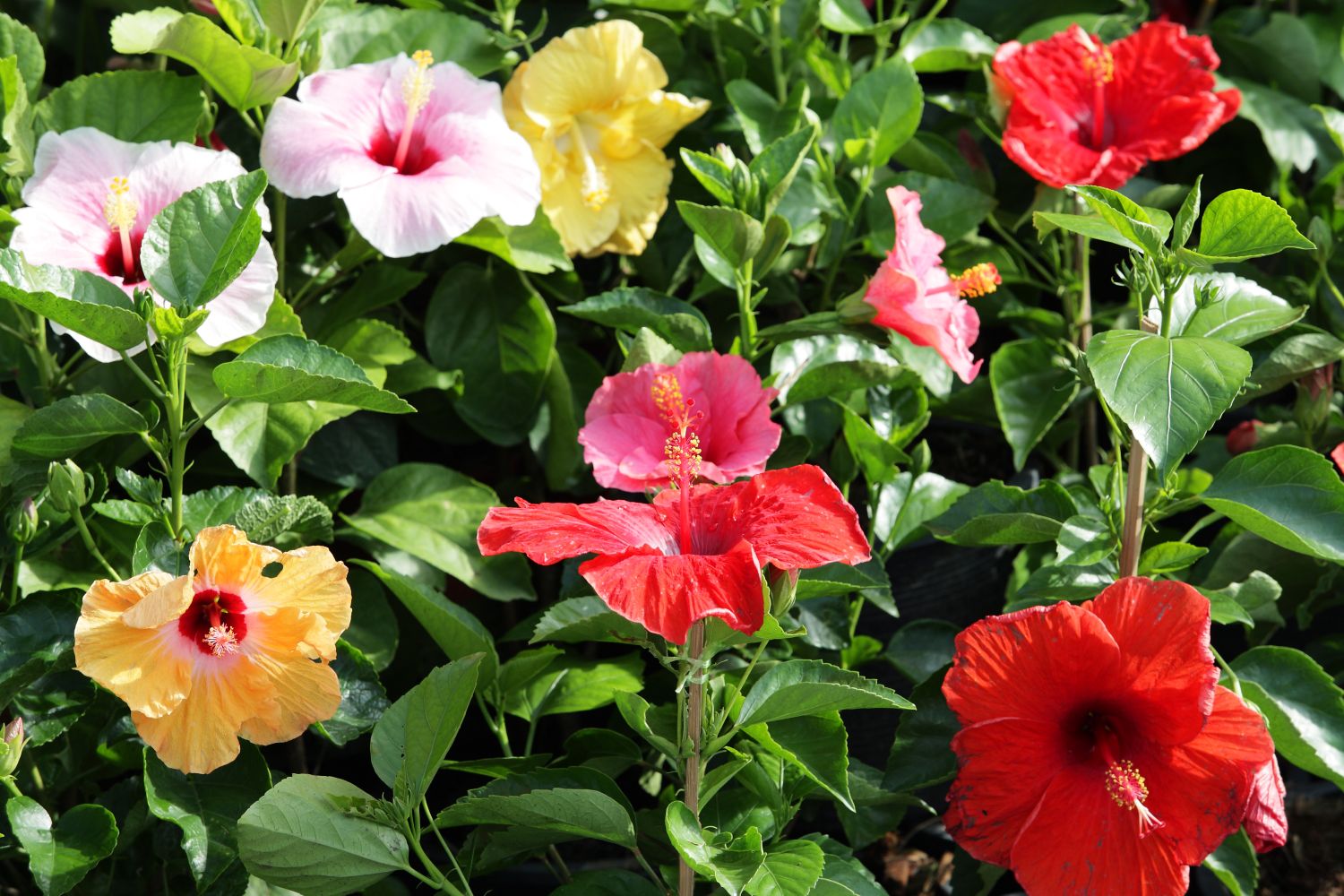
To craft a haven for hummingbirds in your garden, strategically planting vibrant and nectar-rich hibiscus species can be a key element in attracting these tiny birds. Consider the following tips to create an optimal environment for hummingbirds:
- Creating habitat: Incorporate a variety of hibiscus species to provide different colors and sizes, offering a diverse and visually appealing landscape for hummingbirds to explore.
- Landscaping ideas: Place hibiscus plants strategically in sunny areas with some shade to mimic their natural tropical habitats, creating a welcoming space for hummingbirds to feed and rest.
- Feeding preferences: Opt for hibiscus varieties with big, colorful flowers that are rich in nectar, catering to the hummingbirds’ specific dietary needs and attracting them to your garden.
- Maintenance: Regularly prune and care for your hibiscus plants to ensure they remain healthy and continue producing flowers that will entice hummingbirds to visit frequently.
Hibiscus: A Hummingbird Magnet

Attracting hummingbirds effortlessly, hibiscus plants with their vibrant, nectar-rich blooms serve as a magnetic draw for these tiny, fluttering birds in the garden. The benefits of hibiscus extend beyond mere aesthetics; the rich nectar found in their flowers provides essential nutrients for the hummingbirds, contributing to their overall health and well-being. When incorporated into garden landscapes, hibiscus not only beautifies the surroundings but also creates ideal habitats for hummingbirds by offering a sustainable food source.
For those interested in hibiscus gardening to attract hummingbirds, proper care is essential. Hibiscus plants thrive in warmer climates, requiring adequate sunlight and well-draining soil to flourish. Ensuring regular watering and occasional fertilization can promote healthy growth and abundant blooming, enhancing their attractiveness to hummingbirds.
Attracting Hummingbirds With Hibiscus
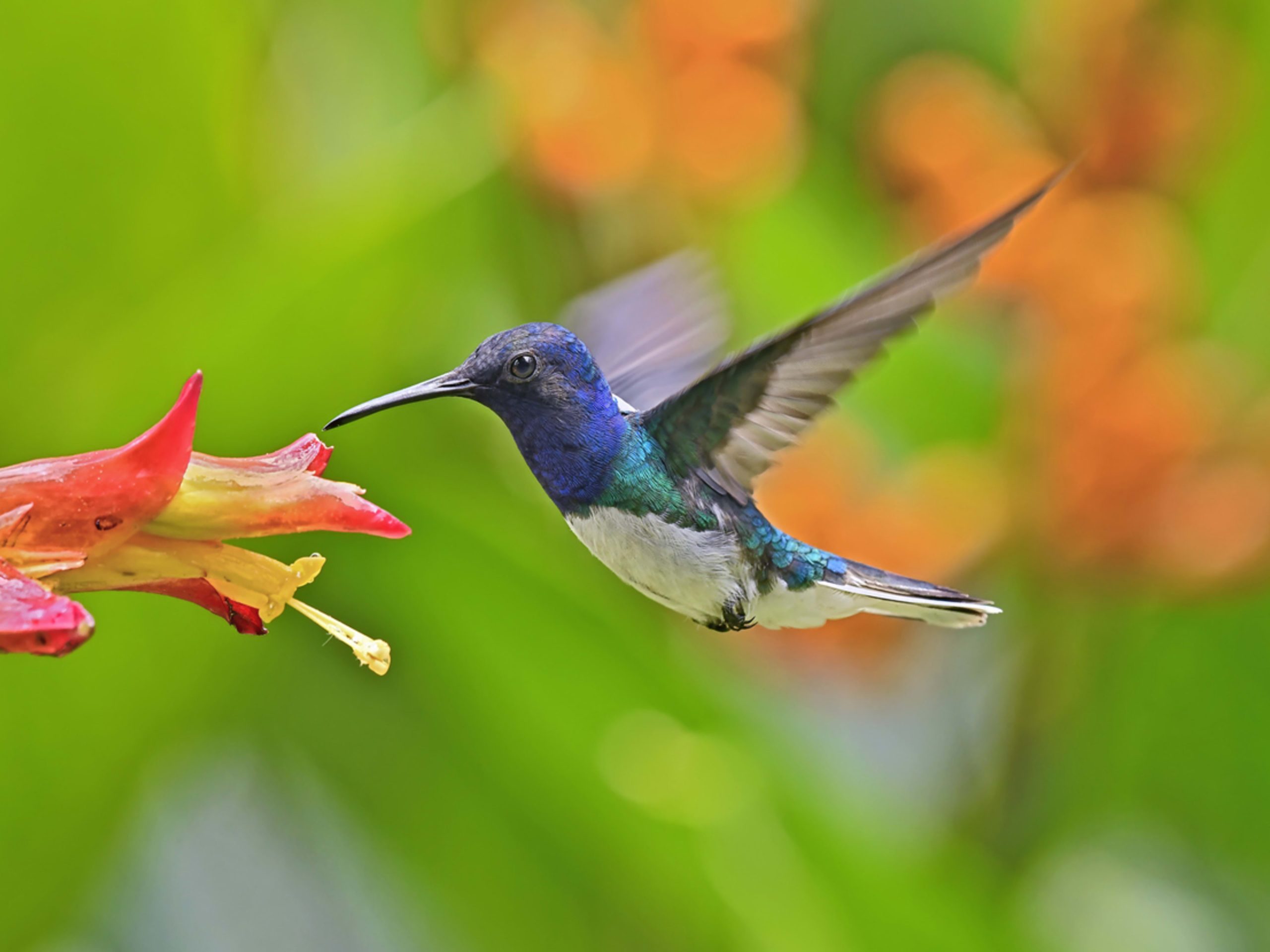
Hibiscus plants, with their large red and pink flowers rich in nectar, are renowned for their exceptional ability to attract hummingbirds to gardens. If you are looking to create a hummingbird-friendly environment in your garden, incorporating hibiscus plants can be a strategic choice. Here’s why:
- Garden Landscaping: Hibiscus plants not only attract hummingbirds but also add a pop of vibrant color to your garden, enhancing its overall aesthetic appeal.
- Bird Feeders: By planting hibiscus, you provide a natural food source for hummingbirds, reducing the need for artificial bird feeders and promoting a more sustainable ecosystem.
- Pollinator Friendly Plants: Hibiscus is a pollinator-friendly plant that not only attracts hummingbirds but also butterflies, contributing to the diversity of pollinators in your garden.
- Low Maintenance: With minimal care requirements and the ability to thrive in warmer climates, hibiscus is a practical choice for attracting hummingbirds without extensive upkeep.
Hibiscus: A Sweet Nectar Source
Hibiscus plants produce a delectably sweet nectar that entices hummingbirds with their vibrant, colorful flowers. These blooms, particularly the bright red and pink varieties, are irresistible to hummingbirds seeking nectar. The diversity in colors and shapes among different hibiscus species ensures a wide array of options that are all appealing to these tiny, energetic birds.
The sweet nectar provided by hibiscus serves as a crucial food source for hummingbirds, aiding in their survival and promoting pollination benefits for the plants themselves. Incorporating hibiscus into your garden design not only adds beauty and elegance but also attracts these delightful creatures, enhancing your wildlife photography opportunities.

Hummingbirds and Hibiscus Pairing
Pairing hibiscus with hummingbirds in your garden can create a mutually beneficial relationship that enhances the beauty of your outdoor space while providing essential nourishment for these tiny, energetic birds. When considering attracting hummingbirds with hibiscus, keep in mind the following tips:
- Hibiscus Planting Tips
- Plant hibiscus in well-draining soil with adequate sunlight to ensure healthy growth and abundant blooms.
- Consider using a slow-release fertilizer to provide essential nutrients for the hibiscus plants, promoting better flower production.
- Hummingbird Garden Design
- Integrate hibiscus plants strategically within your garden layout to create natural feeding stations for hummingbirds.
- Combine hibiscus with other nectar-producing flowers to attract a variety of hummingbird species to your garden.
- Attracting Wildlife with Flowers
- Incorporate a mix of native plants and hibiscus to attract a diverse range of wildlife, including butterflies and bees, in addition to hummingbirds.
- Create a garden habitat that offers not only food sources but also shelter and nesting opportunities for hummingbirds.
Hibiscus Flowers and Birdwatching

Observing hibiscus flowers in your garden can provide an excellent opportunity for birdwatching enthusiasts to witness the vibrant interactions between hummingbirds and these colorful blooms. Planting hibiscus in your garden not only adds aesthetic appeal but also contributes to wildlife conservation efforts. By creating a bird-friendly landscape with hibiscus plants, you can attract hummingbirds and other pollinators, supporting biodiversity in your area.
To optimize the birdwatching experience, consider planting a variety of hibiscus species to cater to different bird preferences. Red and pink hibiscus varieties are particularly attractive to hummingbirds due to their bright colors and abundant nectar. By ensuring the thriving growth of hibiscus in warmer climates, you can provide a continuous food source for these delightful birds.
Incorporating hibiscus into your garden aligns with gardening tips for promoting wildlife conservation. By creating a bird-friendly landscape with hibiscus flowers, you not only enhance your garden’s beauty but also contribute to the well-being of local wildlife populations.
The Allure of Hibiscus to Hummingbirds
With their vibrant colors and nectar-rich blooms, hibiscus flowers naturally captivate the attention of hummingbirds. When considering the allure of hibiscus to hummingbirds, there are several key factors to keep in mind:
- Hummingbird behavior, hibiscus interaction: Hummingbirds are attracted to brightly-colored flowers, making hibiscus a perfect match due to their vibrant hues. The tubular shape of hibiscus flowers conveniently accommodates the long, slender beaks of hummingbirds, allowing for easy access to the nectar.
- Feeding habits, hibiscus preference: Hummingbirds have a high metabolism and need to feed frequently, making the nectar-rich blooms of hibiscus an ideal food source. The sugar content in hibiscus nectar provides essential energy for these tiny birds.
- Garden design, hibiscus placement: Incorporating hibiscus plants in your garden not only adds aesthetic appeal with their tropical allure but also attracts hummingbirds, enhancing the wildlife-friendly aspect of your outdoor space. Placing hibiscus near other native plants can create a diverse and inviting environment for hummingbirds to thrive.
Hibiscus Blooms and Bird Behavior
The nectar-rich blooms of hibiscus, particularly in vibrant red and pink hues, play a crucial role in attracting hummingbirds due to their inherent appeal to these tiny avian visitors. The vibrant and showy nature of hibiscus flowers catches the attention of hummingbirds, drawing them in for feeding. Different species of hibiscus offer a range of flower sizes and shapes, providing varied options to attract hummingbirds. Hibiscus plants thrive in warmer climates, making them a reliable choice for attracting hummingbirds in those regions. The large and colorful blooms of hibiscus not only attract hummingbirds but also add a pop of bright colors to the garden landscape.
| Hummingbird Behavior, Hibiscus Interaction | Pollination Benefits, Hibiscus Blooms |
|---|---|
| The bright colors of hibiscus lure hummingbirds in for nectar. | Hibiscus blooms provide a vital food source for hummingbirds, aiding in pollination. |
| Hummingbirds are drawn to the vibrant hues of hibiscus flowers. | Hibiscus flowers facilitate cross-pollination, benefiting plant diversity. |
| Hibiscus flowers act as a feeding station for hummingbirds. | Hummingbirds help in the pollination of hibiscus plants, aiding in reproduction. |
| Hummingbirds exhibit territorial behavior around hibiscus plants. | Hibiscus blooms attract a variety of pollinators, ensuring plant reproduction. |
| Hibiscus blooms influence hummingbird foraging patterns. | The interaction between hummingbirds and hibiscus aids in ecosystem balance. |

Hibiscus: A Delight for Hummingbirds
Hibiscus plants, renowned for their big red and pink flowers, serve as a captivating attraction for hummingbirds in garden landscapes. If you are looking to create a hummingbird-friendly environment in your garden, hibiscus is a top choice. Here’s why:
- Hummingbird Feeding: The nectar-rich flowers of hibiscus plants provide a valuable food source for hummingbirds, attracting them with their vibrant colors and sweet taste.
- Garden Landscaping: Hibiscus comes in various species, offering a wide range of colors and sizes to enhance the visual appeal of your garden while also serving as a focal point for hummingbirds.
- Wildlife Attraction: Not only do hibiscus plants attract hummingbirds, but they also draw in butterflies, adding to the diversity of wildlife in your garden.
- Low Maintenance: Thriving in warmer climates, hibiscus is a practical choice for gardeners seeking an easy-to-care-for plant that brings beauty and wildlife to their outdoor space.