
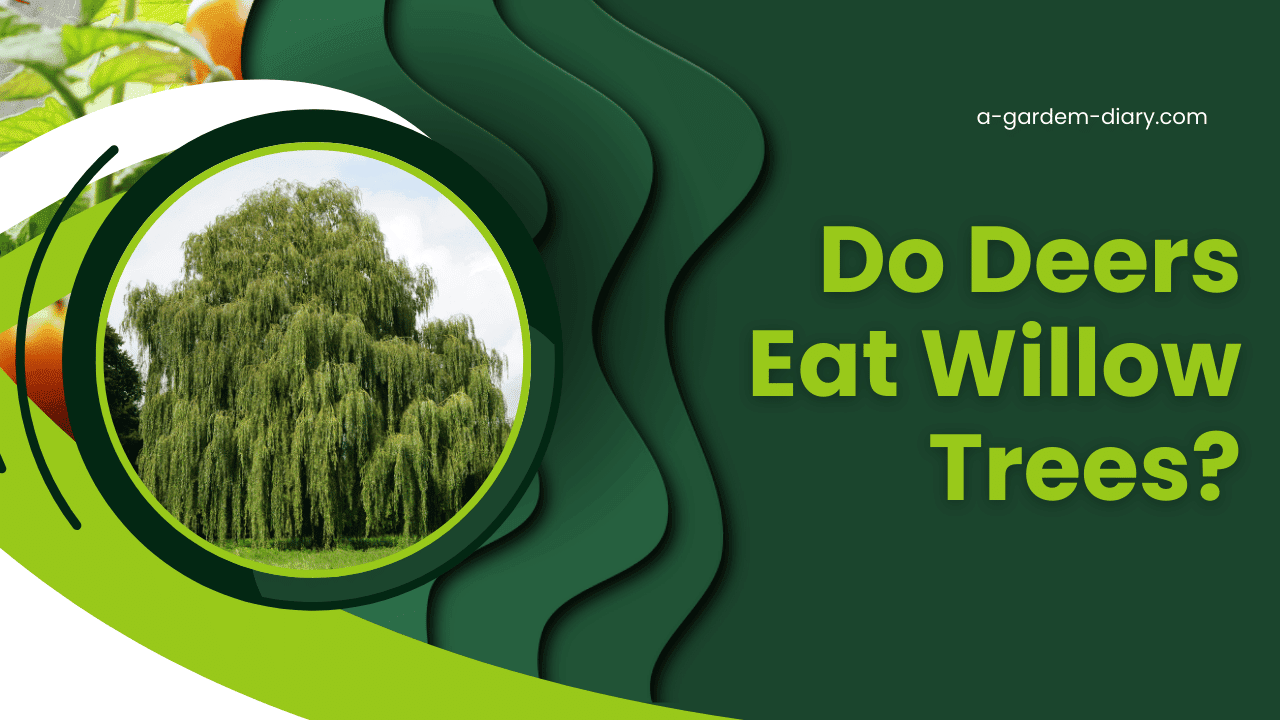
Do Deers Eat Willow Trees? Deer occasionally nibbles on willow trees as a secondary food source, but they prioritize other browse species over willow trees. Willow trees are not a primary food staple for deer due to their preference for different vegetation. Weeping willows, with their bitter-tasting leaves, are not favored by deer.
Deer tend to choose better food sources within their range, making willow trees less attractive. Monitoring deer feeding on willows is crucial for wildlife management. Implementing strategies to mitigate deer browsing impact on willows is essential for maintaining a healthy ecosystem. Understanding deer preferences regarding willow trees is key for effective management.
Do Deers Eat Willow Trees?
Willow trees generally serve as a secondary food source for deer rather than a primary source of sustenance. While deer may nibble on willow leaves seasonally, these trees are not considered an important food staple for them.
Deer tend to prioritize other browse species over willow trees due to factors such as taste preferences and nutritional value. In deer habitat, the availability of constant water sources and high-quality food options influence their browsing behavior.
Weeping willows, in particular, are not favored by deer due to their characteristics, which may include bitter-tasting leaves or tough textures. Additionally, deer select their food sources based on the surrounding environment, taking into account habitat quality and hunting pressure in neighboring areas. Therefore, although deer may occasionally browse on willow trees, they typically opt for more preferred vegetation within their range.
Deer Preferences for Willow Species
In terms of deer browsing habits, willow species are typically not high on the list of preferred vegetation. Deer may browse on willow family trees seasonally but tend to favor other food sources over willow species. Weeping willows, in particular, are less likely to be heavily consumed by deer compared to other tree species.
Deer are known to be selective feeders, choosing better food sources within their range instead of willow trees. The presence of deer and their browsing behavior on willow trees can also be influenced by factors such as habitat quality and hunting pressure in neighboring areas.
While deer may nibble on weeping willow leaves, they do not rely heavily on them for sustenance, showing a preference for other vegetation types for their nutritional needs.
Impact of Deer Feeding on Willows
Deer feeding on willows can have significant implications for the growth and vitality of these trees, particularly in regions with dense deer populations. The browsing behavior of deer can impact the ecosystem’s ecological balance and willow trees’ health. Here are some key points to consider:
- Ecological Balance: Deer feeding on willows can disrupt the natural balance within the ecosystem by affecting the regeneration and growth of these trees.
- Tree Health, Deer Impact: Although willow trees are not the preferred food source for deer, their feeding behavior can still stress the trees, potentially leading to stunted growth and decreased vitality.
- Wildlife Management: Monitoring deer browsing behavior on willows is essential for effective wildlife management and conservation efforts to ensure the long-term health of the tree population.
- Conservation Efforts: Implementing strategies to mitigate deer browsing impact on willows, such as deer population control measures or habitat management, can help maintain the overall health and resilience of the willow tree population.
Willow Trees as Wildlife Habitat
The role of willow trees in providing essential cover and bedding areas for wildlife is crucial for maintaining biodiversity in ecosystems. Willow trees offer various benefits that make them valuable wildlife habitat. Their dense thickets create ideal shelter and bedding spots for a variety of animals, including deer.
While deer may browse on willow leaves seasonally, they primarily utilize these trees for cover rather than as a food source. Additionally, willows can attract wildlife due to their strategic planting alongside other species like alders, enhancing the overall habitat quality.
Red osier dogwood, a similar shrub species, is less preferred by deer for browsing compared to willow trees. By serving as essential habitat components, willow trees play a significant role in wildlife attraction and habitat importance, contributing to ecosystems’ overall health and diversity.