

Yes, deer do eat mushrooms. They actively seek out various types for essential nutrients and show a discerning palate by avoiding toxic varieties. Deer carefully select safe, mild, soft mushrooms like oyster and morel kinds with delicate taste and texture. They rely on their sense of smell to avoid poisonous mushrooms. If you’re curious about specific mushroom varieties deer prefer, safety precautions regarding toxic mushrooms, the role of morel mushrooms in their diet, benefits of feeding mushrooms to deer, and guidance on incorporating mushrooms into their diet, you can find more insightful information to deepen your understanding.
Deer Feeding Habits
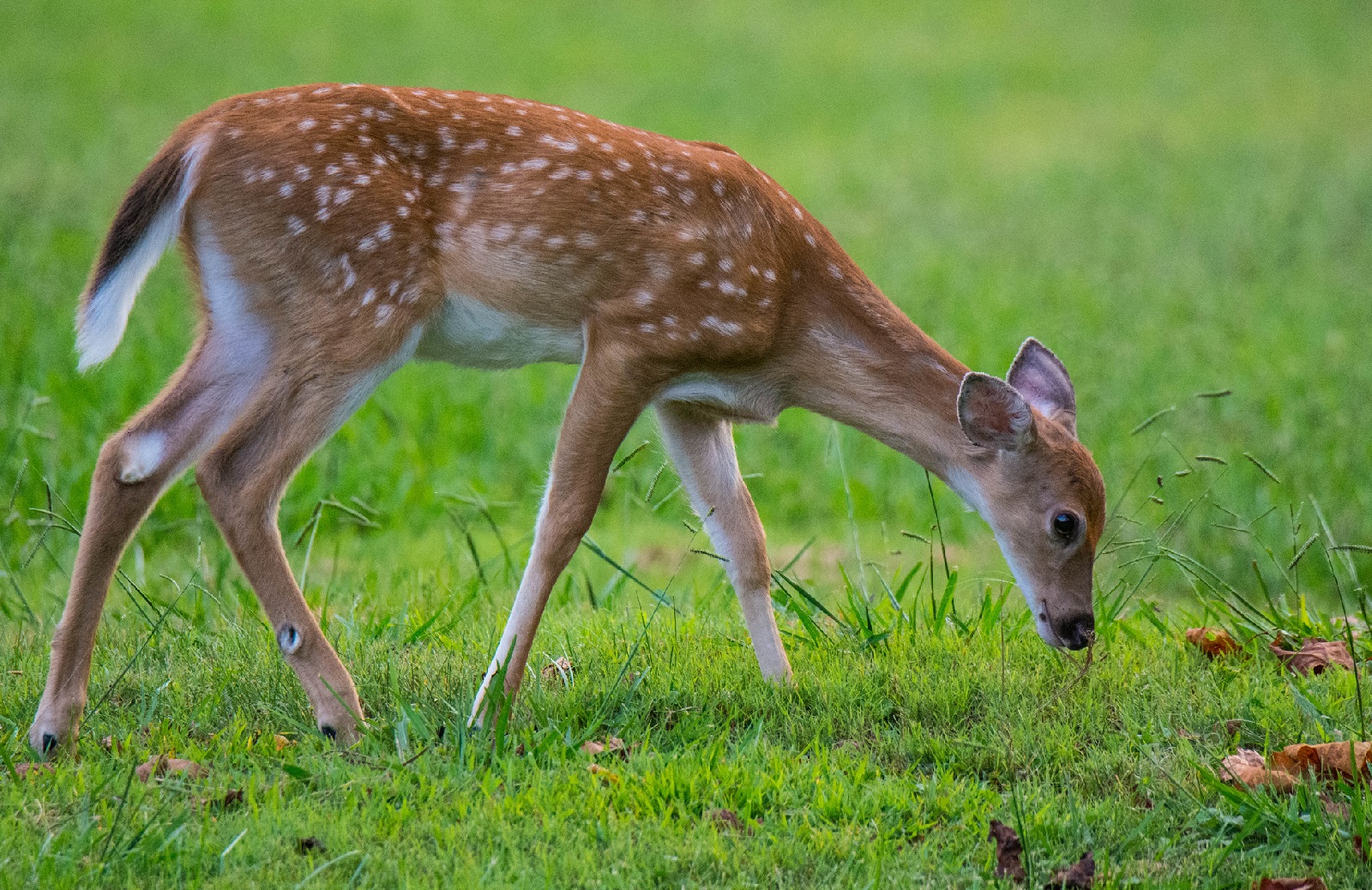
Deer demonstrate a varied diet that includes actively seeking and consuming different types of mushrooms as part of their feeding habits. These fungi serve as a crucial food source for deer, offering essential nutrients and hydration. However, deer exhibit caution in their foraging behavior, avoiding poisonous mushrooms by relying on their keen sense of smell to detect toxins. This dietary habit showcases the careful consideration deer take in selecting their food to ensure their well-being.
Mushrooms provide more than just sustenance for deer; they offer significant nutritional value that contributes to their overall health. By selecting specific varieties like white mushrooms and morel mushrooms, deer showcase a preference for certain types that may offer additional benefits. Understanding which mushrooms are safe for consumption is vital, as ingesting poisonous or bitter mushrooms can have detrimental effects on a deer’s health. Therefore, proper identification and selection of mushrooms are crucial aspects of a deer’s feeding habits.
Deers Preference for Mushrooms

When it comes to their dietary choices, deer demonstrate a clear preference for mild and soft mushrooms like oyster and morel varieties. These types of mushrooms offer a delicate taste and texture that appeal to deer, much like they do to humans. Deer enjoy mushrooms that are palatable and easy to consume, avoiding those with strong odors or bitter flavors. Their dietary preferences suggest a discerning palate that adapts based on the availability of suitable mushrooms in their habitat. Incorporating mushrooms into their diet serves as a supplementary food source for deer, enriching their nutrition and overall health. The connection between deer and mushroom consumption underscores the importance of understanding which varieties attract deer, aiding in conservation efforts by promoting balanced foraging habits. By recognizing deer’s fondness for specific mushroom types, conservationists can better manage ecosystems and support the well-being of these graceful creatures.
Specific Mushroom Varieties

Nutritionally beneficial white mushrooms and highly sought-after morel varieties are among the specific mushroom types favored by deer in their dietary choices. White mushrooms, known for their mild flavor and versatility, are a common food source for deer due to their nutritional value. Morel mushrooms, with their distinctive honeycomb appearance and earthy taste, are particularly sought after by deer, providing not only flavor but also essential nutrients.
In contrast, deer tend to avoid poisonous mushroom varieties, displaying a remarkable ability to differentiate between safe and harmful options in their environment. This avoidance behavior highlights the instinctive nature of deer when it comes to selecting food sources that promote their well-being.
Poisonous Mushrooms
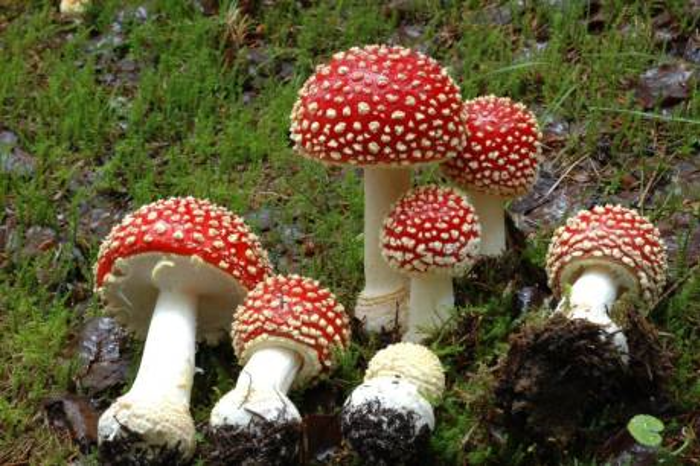
Detecting toxic compounds in their surroundings, deer exhibit a keen sense of smell that aids in avoiding consumption of poisonous mushrooms. Deer can eat a variety of mushrooms, but they are cautious when it comes to potentially harmful species. Here are some key points to consider regarding deer and poisonous mushrooms:
- Deer’s Smell: Deer rely on their acute sense of smell to detect poisonous mushrooms. Certain toxic fungi emit odors that repel deer, serving as a natural warning sign.
- Symptoms of Poisoning: Consumption of poisonous mushrooms can have severe consequences for deer. Symptoms may include stomach pain, organ damage, and in extreme cases, death.
- Selective Eating: Deer are known for their selective dietary habits. They carefully choose their food, often avoiding mushrooms with bitter tastes or unfamiliar characteristics.
- Health Risks: Certain mushrooms pose significant health risks to deer. Ingesting toxic varieties can make them very ill or prove fatal, highlighting the importance of their cautious approach to eating mushrooms.
Morel Mushrooms

Deer occasionally consume morel mushrooms, although they do not actively seek them out as a primary food source. Morel mushrooms are not a staple in the deer’s diet, but these graceful creatures have shown a preference for a diverse palate, including these delectable fungi. Morels can often be found near elm trees, but the growth of this delicacy can be hindered by flooding in bottom areas. Various wildlife creatures like turkeys, woodchucks, and squirrels may also interact with morel mushrooms, indicating their importance in the ecosystem. Environmental factors such as dry ground and tree types play a crucial role in the growth of morels, influencing the availability of this dietary option to deer. It is interesting to note that morels can display signs of wildlife damage, with the top half missing, which suggests interactions with other animals like turkeys. Despite not being a primary food source, morel mushrooms still hold a place in the menu of these elegant herbivores.
Feeding Mushrooms to Deer
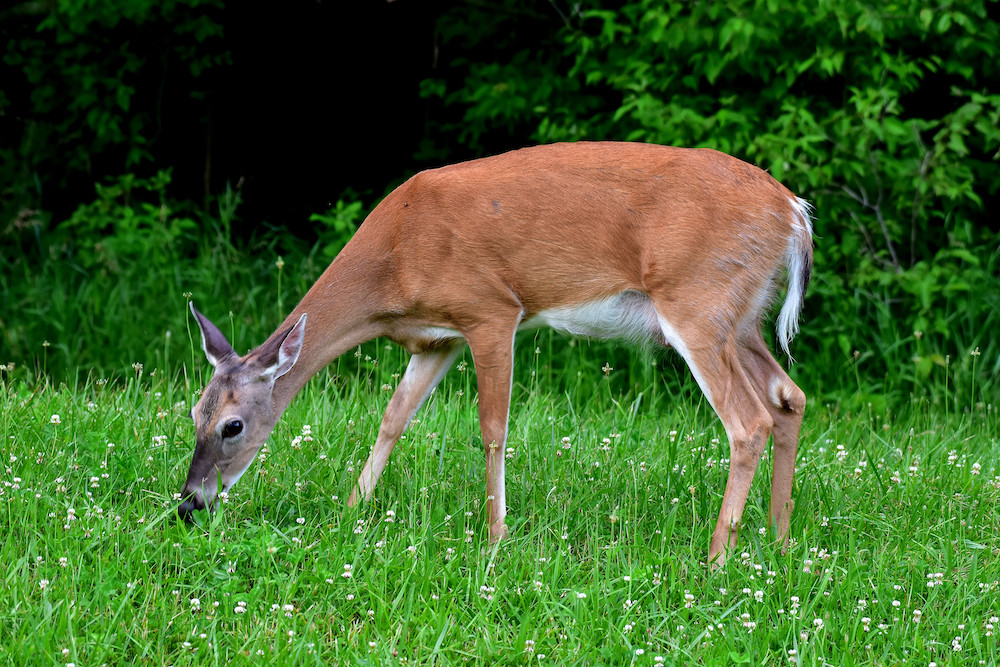
Feeding mushrooms to deer can contribute essential nutrients and hydration to their diet, supporting their overall health and well-being. When considering adding mushrooms to a deer’s diet, it is essential to offer a variety of mushroom types to ensure a balanced nutritional intake. Here are some key points to keep in mind:
- Diverse Mushroom Types: Introducing different kinds of mushrooms can enhance the deer’s diet by providing a range of nutrients that may be lacking in their natural forage.
- Preference for Specific Varieties: Understanding the deer’s taste for mushrooms can help in selecting the most suitable types to supplement their diet effectively.
- Health and Well-being: Incorporating safe and nutritious mushroom varieties can contribute to the overall health and well-being of deer, improving their vitality and immune system.
- Supplemental Feeding: Utilizing supplemental feeding methods, such as SRA Mushroom Food Plots, can offer a convenient way to provide additional nutrition to deer, especially during times of scarcity or when specific nutrients are needed.
Benefits of Mushrooms
Mushrooms offer vital nutrients and hydration to deer, supporting their overall health and well-being. These dietary additions provide essential minerals, vitamins, and protein crucial for deer’s growth and maintenance. Fungi present in mushrooms aid in keeping deer hydrated, particularly in arid environments, contributing to their overall health. The taste and texture of mushrooms are appealing to deer, adding variety to their diet and ensuring they receive a diverse range of nutrients. Furthermore, as deer consume mushrooms, they play a role in spreading fungal spores, benefiting the soil and promoting the health of trees in the ecosystem. By incorporating mushrooms into their diet, deer can achieve balanced nutrition, which is essential for their well-being and longevity. Therefore, the consumption of mushrooms by deer not only satisfies their dietary needs but also contributes to the overall ecosystem health.

Considerations for Feeding Deer
When considering introducing mushrooms into a deer’s diet, it is crucial to evaluate their nutritional content and safety to ensure the well-being of the animals.
- Nutritional Value: Edible mushrooms can provide essential nutrients like protein, fiber, vitamins, and minerals that can complement a deer’s diet, promoting overall health.
- Safety: Proper identification of edible mushrooms is paramount to prevent any potential harm to deer. Some mushrooms can be toxic and pose serious risks if consumed.
- Moderation: Introducing mushrooms should be done in moderation to prevent overconsumption. Monitoring the amount of mushrooms offered can prevent digestive issues or nutritional imbalances.
- Diverse Range: Providing a diverse range of mushrooms can offer various nutritional benefits and enhance the deer’s diet. Different types of mushrooms can contribute unique nutrients, promoting a balanced intake.
Consulting with wildlife experts or veterinarians can provide valuable insights and guidance on incorporating mushrooms safely into a deer’s diet. By considering these factors, you can ensure that mushrooms are a beneficial addition to the deer’s nutritional intake.