

Deer may consume certain hydrangea varieties, impacting the vibrant blooms you adore. Hydrangeas like bracted and climbing types are less appetizing to deer due to their texture and height, thus decreasing the risk of damage. However, oakleaf hydrangeas and panicle hydrangeas are more susceptible to deer browsing, particularly the delicate flower buds. Employing protective measures such as deer-deterring plants, repellent sprays, or barriers like fencing can help safeguard your hydrangeas from these graceful grazers. To ensure your hydrangeas remain untouched, exploring deer-resistant varieties and prevention strategies is advisable.
Deer-Resistant Hydrangea Varieties

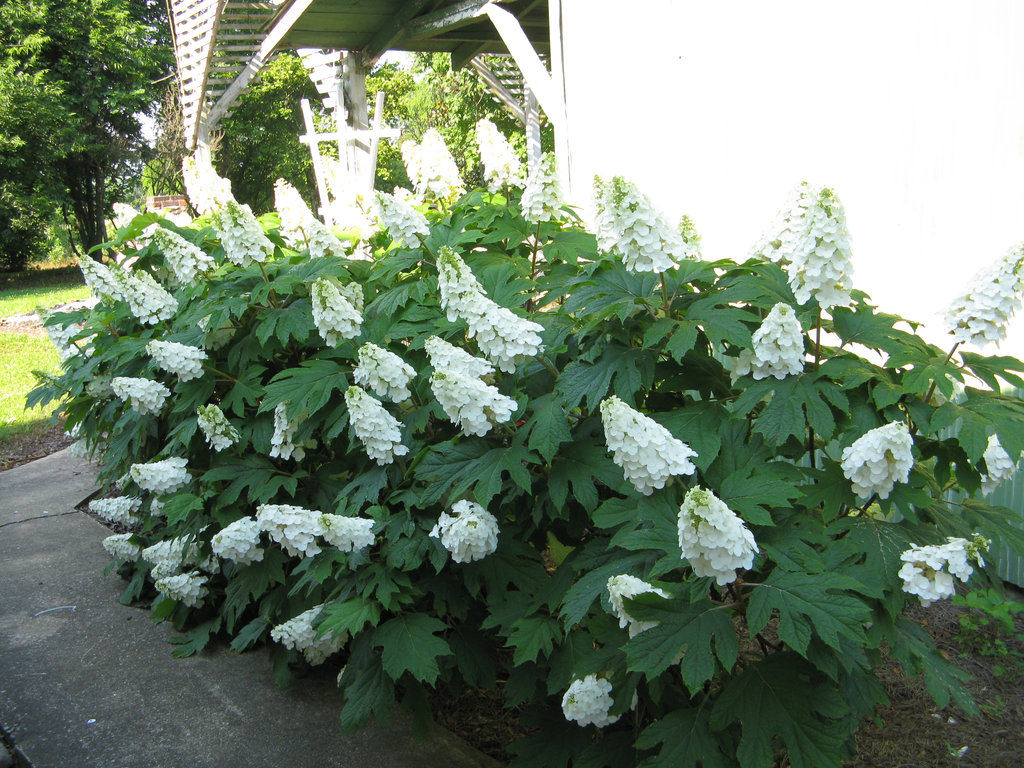
When selecting hydrangeas for your garden, it is crucial to consider deer-resistant varieties to prevent damage to your plants. Among the different types of hydrangeas, the Bracted hydrangea (H. involucrata) stands out as the most deer-resistant due to its fuzzy leaves, which deer find unappealing. Climbing hydrangea (H. anomala petiolaris) is also a good choice as it is rarely damaged by deer thanks to its height, which keeps it out of their reach. On the other hand, Oakleaf hydrangea (H. quercifolia) is attractive to deer and may require protection to prevent browsing.
Bigleaf hydrangeas (H. macrophylla) and mountain hydrangeas (H. serrata) are somewhat resistant to deer due to their thick foliage, providing some defense against deer damage. However, Panicle hydrangeas (H. paniculata) are popular but prone to deer damage, especially to their flower buds, making them a more vulnerable choice if deer frequent your area. Selecting the right deer-resistant hydrangea variety can help ensure your plants remain healthy and undamaged in your garden.
Strategies for Protecting Hydrangeas

To safeguard your hydrangeas against deer damage, implementing effective protection strategies is imperative. Here are four detailed strategies to help protect your hydrangeas from deer browsing:
- Utilize Deer-Deterring Plants: Surround your hydrangeas with plants like lavender, rosemary, or daffodils known to repel deer and divert their attention away from your precious blooms.
- Apply Repellent Sprays: Consider using repellent sprays such as Plantskydd or Liquid Fence that contain foul-smelling ingredients to discourage deer from approaching and feeding on your hydrangeas.
- Install Physical Barriers: Erect fences, netting, or chicken wire around your hydrangeas to create a physical barrier that hinders deer access and prevents them from causing damage to your plants.
- Choose Deer-Resistant Varieties: Opt for hydrangea varieties like panicle hydrangeas or smooth hydrangeas that are known for their deer resistance, reducing the likelihood of deer munching on your beautiful blooms.
Hydrangeas Deer Love to Eat

Deer exhibit a strong preference for consuming the flowers of various hydrangea species, including bigleaf, oakleaf, smooth, and panicle hydrangeas. The succulent buds and leaves of these types of hydrangeas make them irresistible to deer, leading to potential damage. Newly planted hydrangeas, especially when buds begin to develop, are particularly vulnerable to deer browsing. Certain hydrangea varieties emit scents and possess textures that are more appealing to deer, making them prime targets for feeding. To prevent deer damage and ensure the protection of hydrangea blooms, it is crucial to implement strategies to deter deer. Consider planting hydrangeas that are known to be less appealing to deer or use protective measures like fencing or deer repellents. By taking proactive steps to keep the deer at bay, you can safeguard your hydrangeas and enjoy their beautiful blooms without interference.
Deer Damage Prevention Methods

Implementing various deer damage prevention methods is essential to protect hydrangeas from the browsing behavior of deer. To prevent deer from eating your hydrangeas, consider the following strategies:
- Surround with Deer-Deterring Plants: Planting deer-resistant species around hydrangeas can create a natural barrier that deters deer from approaching.
- Use Repellent Sprays: Applying deer repellents with strong odors like garlic or putrescent egg solids can help keep deer away from hydrangeas.
- Install Physical Barriers: Erecting fencing or netting around hydrangeas can physically prevent deer access and minimize damage.
- Choose Deer-Resistant Hydrangea Varieties: Opt for hydrangea varieties known for their deer resistance, such as “Annabelle” or “PeeGee,” to reduce the risk of damage.
Best Hydrangeas for Deer Prone Areas
:max_bytes(150000):strip_icc()/gettyimages-977811192-2000-7e69ea7622a349f38b0f7fbccad6c8f6.jpg)
Consider incorporating bracted hydrangeas, bigleaf hydrangeas, mountain hydrangeas, climbing hydrangeas, and false hydrangea vines in deer-prone areas for their varying levels of deer resistance. Bracted hydrangeas (H. involucrata) boast fuzzy leaves that deter deer, while bigleaf hydrangeas (H. macrophylla) and mountain hydrangeas (H. serrata) feature thick, leathery foliage that may discourage browsing. Climbing hydrangeas (H. anomalasubsp.petiolaris) and false hydrangea vines offer somewhat deer-resistant options due to their climbing habit, minimizing damage. However, exercise caution with oakleaf hydrangeas (H. quercifolia) as deer may consume flower buds within reach. Panicle hydrangeas (H. paniculata) are popular but susceptible to deer damage, particularly to flower buds. Below is a table summarizing the best hydrangeas for deer-prone areas:
| Hydrangea Type | Deer Resistance Level | Key Feature |
|---|---|---|
| Bracted Hydrangeas | High | Fuzzy leaves |
| Bigleaf Hydrangeas | Moderate | Thick, leathery foliage |
| Mountain Hydrangeas | Moderate | Dense foliage |
| Climbing Hydrangeas | Moderate | Climbing habit |
Hydrangeas That Repel Deer
When selecting hydrangeas for deer-prone areas, it is important to focus on varieties such as bracted hydrangeas and climbing hydrangeas that exhibit characteristics like fuzzy leaves and height, which naturally repel deer due to their textures and inaccessibility.
- Bracted Hydrangeas: These varieties have fuzzy leaves that deter deer from feeding, making them less attractive to browsing deer.
- Climbing Hydrangeas: With their ability to climb to heights that deer find challenging to reach, these hydrangeas provide a natural deterrent to deer feeding.
- Oakleaf Hydrangeas: While oakleaf hydrangeas may be more appealing to deer, focusing on bracted and climbing hydrangeas can help prevent damage in deer-prone areas.
- Deer-Resistant Hydrangea Varieties: Choosing hydrangeas with rough bark, fuzzy textures, and heights that deter deer feeding can ensure abundant blooms and minimize damage caused by deer browsing.
Protecting Hydrangeas From Deer Browsing
To safeguard your hydrangeas from deer browsing, employing physical barriers and repellent sprays can be effective preventative measures. Deer are notorious for munching on hydrangeas, particularly targeting their flowers and buds. This can result in significant damage, hindering plant growth and bloom production. Certain hydrangea varieties like smooth or Annabelle hydrangeas are especially appealing to deer and may require protection. Understanding deer behavior towards hydrangeas is crucial in implementing successful prevention strategies. Choosing deer-resistant species and utilizing physical barriers such as fences or netting can help deter deer from browsing on your plants. Additionally, applying repellent sprays that contain ingredients like putrescent eggs or garlic can further discourage deer from feasting on your hydrangeas. By combining these methods and staying vigilant, you can effectively protect your hydrangeas from deer damage and ensure they thrive and bloom beautifully.
Effective Deer Deterrents for Hydrangeas
Surrounding your hydrangeas with deer-repelling plants like lavender or rosemary can serve as effective deterrents against deer browsing. To safeguard your beautiful blooms, consider the following options:
- Motion-Activated Sprinklers: Strategically placing motion-activated sprinklers near your hydrangeas can startle deer away when they approach, protecting your plants from being browsed.
- Lights: Installing bright lights around your garden can help deter deer, as they are typically hesitant to approach well-lit areas, reducing the risk of damage to your hydrangeas.
- Chicken Wire: Creating a protective barrier with chicken wire around your hydrangeas can physically prevent deer from accessing them, keeping your plants safe from grazing.
- Deer Repellent Sprays: Using commercial deer repellent sprays with strong odors can mask the attractive scent of hydrangeas, discouraging deer from feeding on them.