

I’ve found that coleus plants are some of the most versatile additions to any garden or patio. Their vibrant foliage can brighten shady spots where many flowers struggle, and they adapt well to containers of all sizes. Whether you want a bold centerpiece or subtle accents, the right combination of varieties and companion plants can transform your space. Let me share a few ideas that blend color, texture, and ease of care to inspire your next planter project.
1. Add Coleus Plants for Color in Shade

Although many plants struggle in shaded areas, coleus thrives there, making it my top choice for adding vibrant color to dark garden corners or patios.
Coleus plants adapt well to full shade, receiving less than four hours of sunlight, yet still display vivid foliage. Their variety of colors refreshes dull spaces, and being annuals, I can easily update my shaded garden with new combinations each year.
2. Sow a Summer Sunset Combo

When you want a garden display that works equally well in sun or shade, I recommend trying the Sow a Summer Sunset combo.
It features Sedona Sunset coleus with copper-orange leaves, Toffee Twist sedge’s bronze foliage, and Flirtation Orange twinspur flowers.
Pinch back coleus blooms to keep plants healthy and highlight vibrant foliage, perfect for versatile sun or shade spots.
3. Carnival-Colored Coleus Fireworks Display

Moving from the warm hues of the Summer Sunset combo, I want to introduce you to the Carnival-Colored Coleus Fireworks display, which brings a vibrant explosion of multicolored foliage to your garden or container.
These coleus varieties, like ‘Coleosaurus’ and ‘Blonde Bombshell,’ thrive in full sun, offering bold colors and textures.
Pairing them with Big Bounce impatiens enhances moisture retention and visual interest.
4. Light a Campfire With Coleus and Bidens

Three key plants bring the warmth and vibrancy of a campfire to your garden: the ‘Campfire’ coleus and Campfire Fireburst bidens.
Their fiery orange-copper leaves and bright red, yellow, and orange flowers mimic flickering flames. Ideal for container gardens, they thrive in sun or partial shade.
Regularly pinch back coleus blooms to keep foliage bold and vivid.
5. Turn up the Color With Coleus Edging

After enjoying the fiery hues of coleus paired with bidens, you might want to extend that vibrant energy throughout your garden with coleus edging.
I use Kong Jr.™ Scarlet to border garden beds, adding lush texture and color. Their serrated leaves contrast beautifully with taller impatiens, while also helping retain soil moisture and suppress weeds for healthier beds.
6. Choosing the Right Coleus Varieties

Selecting the right coleus varieties starts with understanding their light preferences and growth habits.
I focus on whether they thrive in sun or shade and choose upright, trailing, or compact types to suit my design.
Pairing coleus with companion plants like impatiens, which share similar needs, creates a balanced look.
Vibrant foliage patterns, like those in the Colorblaze series, add striking visual interest.
7. Selecting the Perfect Pots for Coleus
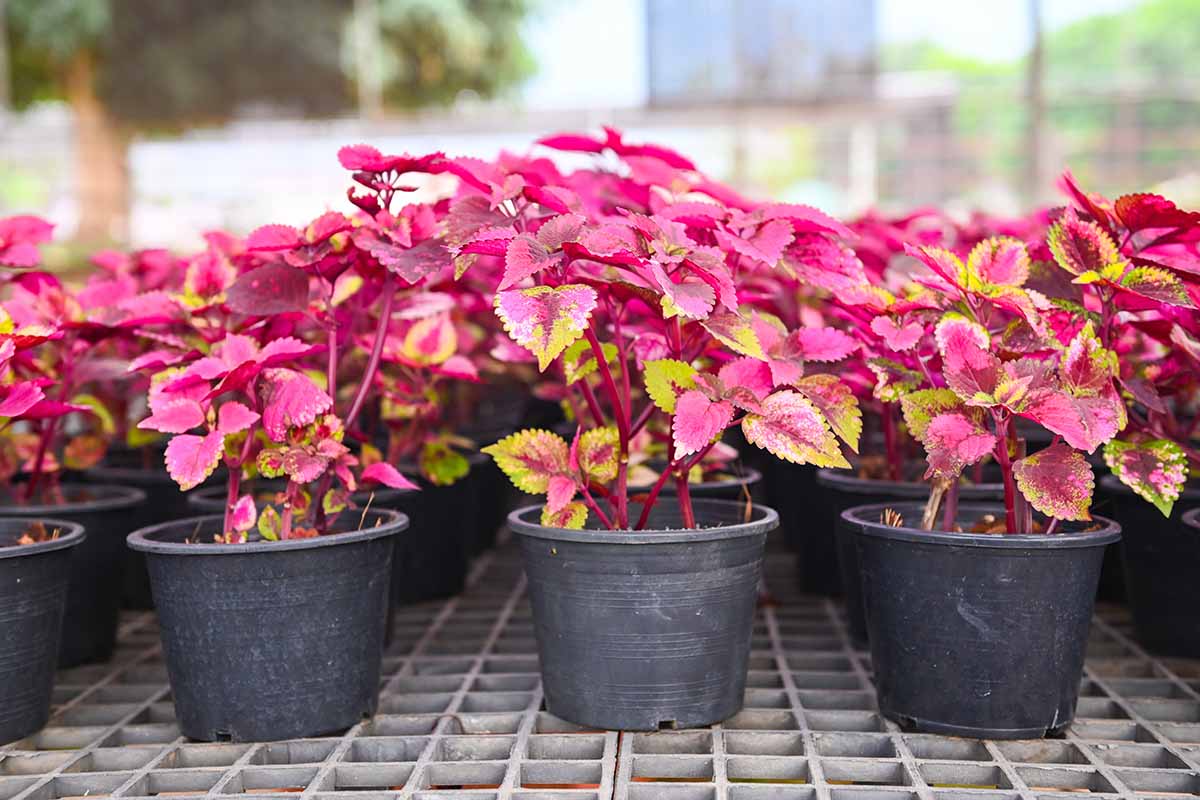
Once you’ve chosen coleus varieties that fit your light conditions and garden style, the next step is to pick pots that support their growth and health.
I always select pots with drainage holes to prevent root rot. Larger pots work best since they reduce watering frequency and accommodate mature growth.
Terracotta pots are my favorite because they retain moisture well, keeping coleus healthy and vibrant.
8. Essential Soil Tips for Coleus Planters

Soil quality plays a crucial role in keeping coleus planters thriving.
I always choose a well-draining potting soil that’s slightly acidic or neutral to promote aeration and root health. Avoid heavy black earth; instead, refresh old soil by mixing in compost.
If soil seems hydrophobic, soak it first to ensure proper moisture absorption, preventing root rot while maintaining consistent watering.
9. Proper Planting Techniques for Coleus

Three key steps ensure your coleus plants establish strong roots when transferring them to a new container.
First, handle the root ball gently, not the stems, using proper planting techniques.
Next, loosen or split matted roots to prevent strangulation.
Finally, plant deeply to encourage rooting from stems, promoting robust growth and ensuring roots spread evenly for optimal drainage and aeration.
10. Watering Strategies for Healthy Coleus
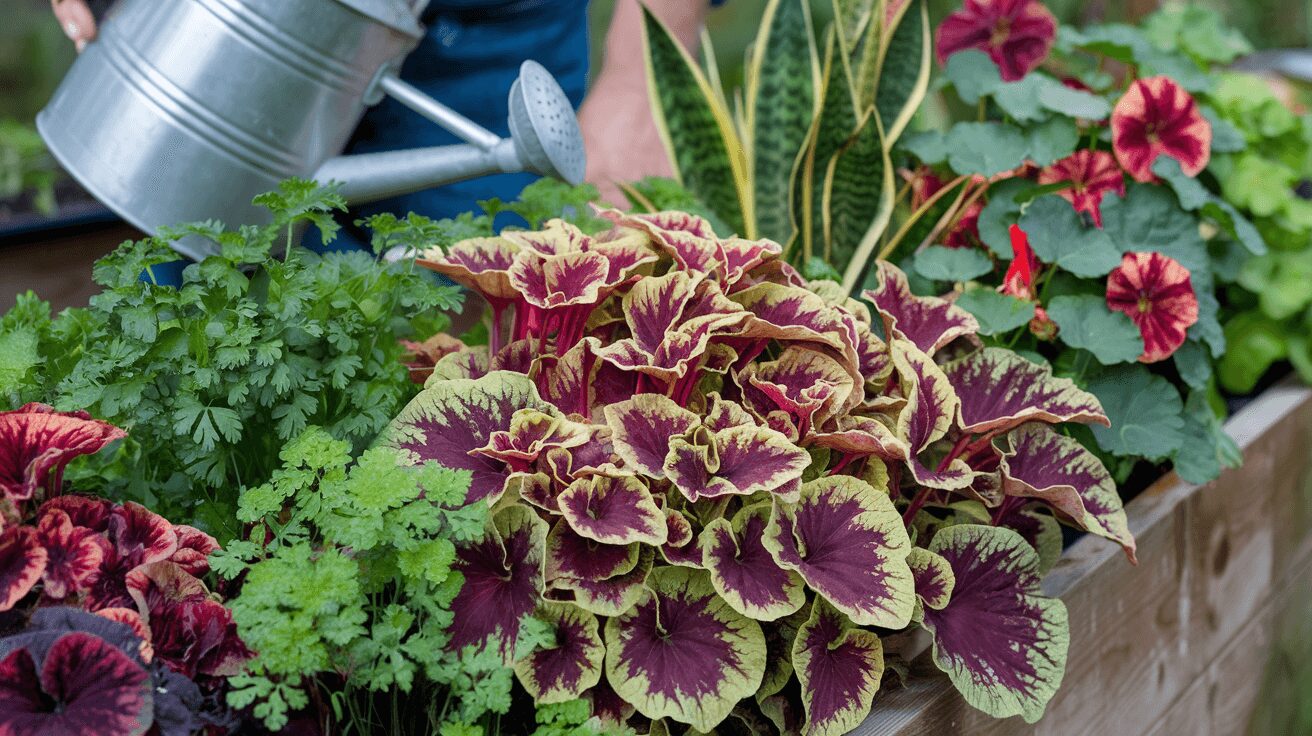
Although watering coleus may seem straightforward, getting the balance right is essential for keeping these vibrant plants healthy.
My watering strategies include deep soaking in the morning or evening to reduce evaporation and disease risk. I monitor soil moisture carefully, ensuring it stays slightly moist—not soggy.
In dry conditions, I sometimes use bottom watering, adjusting frequency seasonally to match coleus’ changing needs.
11. Optimal Light Conditions for Coleus Growth
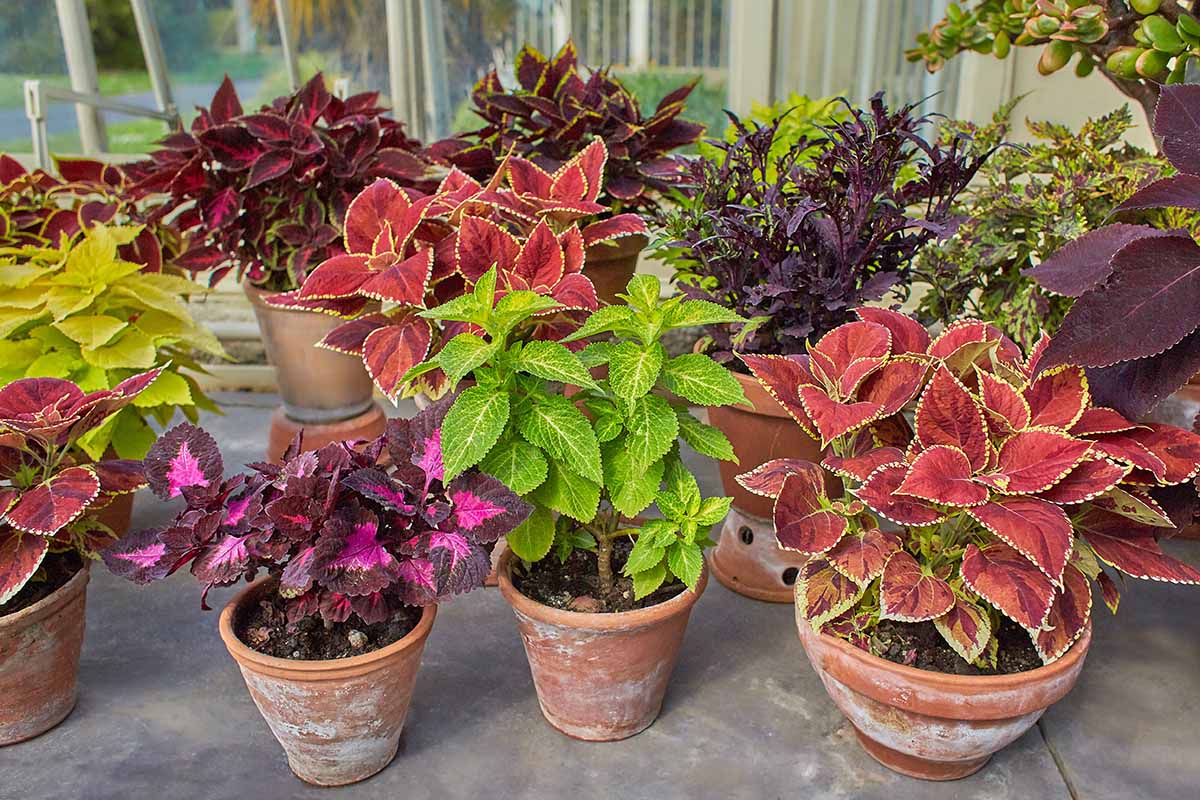
Balancing watering is just one part of keeping coleus vibrant; light plays an equally important role in their growth and color.
Coleus thrives from full sun to full shade, with newer varieties showing the best colors in full sun. In full shade, growth can be leggy and less vibrant.
Rotate pots regularly and adjust placement seasonally for balanced, healthy plants.
12. Fertilizing Tips to Boost Coleus Vibrancy

When you want your coleus to reach its full color potential, providing the right fertilizer is essential.
I use balanced fertilizers with equal nitrogen, phosphorus, and potassium every 4-6 weeks for optimal growth.
Diluting liquid fertilizers prevents root burn, especially in young plants. Organic options like compost offer slow-release nutrients.
Watch leaf color; yellowing signals a need to adjust fertilizing tips promptly.
13. Pruning and Maintenance for Lush Coleus

Fertilizing sets the stage for vibrant coleus, but maintaining that lushness requires consistent pruning and care.
I regularly pinch back stems to encourage bushiness and remove yellowing leaves promptly. Light pruning keeps the plant’s shape and size in check.
Routine maintenance includes rotating planters for even light and inspecting for issues, ensuring my coleus stays dense, healthy, and visually appealing.
14. Managing Pests in Coleus Planters
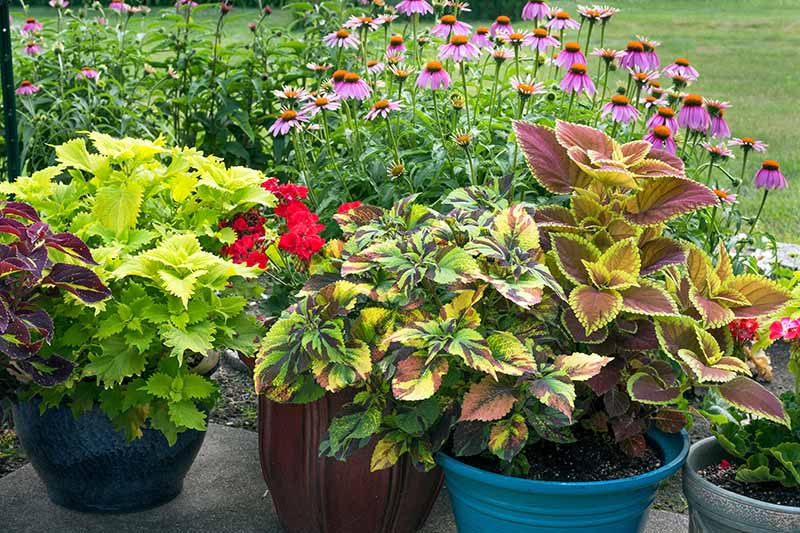
Although coleus plants are generally hardy, I’ve learned that regular pest management is essential to keep them thriving.
I inspect for aphids and spider mites, using insecticidal soap or neem oil when needed.
Good air circulation around planters reduces pest issues and fungal risks.
Keeping the area clean also deters pests, helping me catch infestations early for prompt treatment.
15. Creative Companion Planting With Coleus
Since coleus thrives in shaded spots, I often pair it with shade-tolerant plants like impatiens, which need minimal care and help keep the soil moist.
In a shade garden, combining coleus with elephant ears or ornamental grasses adds full texture and contrast.
Choosing companions with similar light and water needs ensures a vibrant, harmonious display that keeps your planter looking lively and healthy all season.