
Welcome to your ultimate guide on Choosing the Best Fertilizer for Hydrangeas: A Guide to Vibrant Blooms. If you’ve been searching for a simple and effective way to transform your hydrangea’s blooms into an explosion of color, then this article is just what you need. We’ll delve deep into the realm of fertilizers, providing you with insight and knowledge that will help achieve healthy, vibrant hydrangeas.
Hydrangeas are known for their ability to alter their colors based on soil pH level. They can bloom wonderfully in shades varying from pink to blue or even purple. The secret ingredient influencing these captivating color changes? You guessed it – fertilizer! But not all fertilizers are created equal when it comes to hydrangeas.
A specific blend of nutrients is requiredto promote optimal growth and extraordinary pigmentation. Choosing the right one can make all the difference in how luscious and vibrant your flowers become.
- Nitrogen (N) boosts leafy green growth, making plants look lush and full.
- Phosphorus (P) supports root development as well as flower production — exactly what we want our hydrangeas doing!
- Potassium (K), often dubbed ’the regulator’, facilitates overall plant health helping resist diseases, droughts etc., ensuring consistent blooming throughout seasons.
The best fertilizer mixtures offer balanced proportions of these essential elements. So next time when you’re out shopping for garden supplies remember: getting the right balance is critical — too much nitrogen may lead to more leaves but fewer flowers; however insufficient phosphorus could stunt root growth affecting overall plant health.
So, Choosing the Best Fertilizer for Hydrangeas: A Guide to Vibrant Blooms
Choosing the Best Fertilizer for Hydrangeas: A Guide to Vibrant Blooms
When it comes to cultivating beautiful and vibrant hydrangeas, choosing the right fertilizer is crucial. Hydrangeas are known for their large, showy blooms in a variety of colors, but without proper nourishment, they can become lackluster and pale.
The first step in selecting the best fertilizer for your hydrangeas is understanding their unique needs. These plants prefer a slightly acidic soil with a pH between 5.2-6.2 to thrive. This means that fertilizers with high levels of nitrogen may not be suitable as they can increase soil alkalinity.
Instead, opt for a balanced fertilizer with equal amounts of nitrogen (N), phosphorus (P), and potassium (K). Look for labels that read “10-10-10” or similar ratios as these provide essential nutrients without altering the pH balance.
Another important factor to consider is the type of fertilizer – liquid or granular. Liquid fertilizers are fast-absorbing and perfect for quick results while granular ones release nutrients slowly over time, providing long-term benefits.
Additionally, you may want to choose an organic option if you prefer natural methods of gardening. Organic fertilizers contain all-natural ingredients such as composted manure or seaweed extracts that enrich the soil and promote healthy growth without harsh chemicals.
Lastly, timing is key when it comes to fertilizing hydrangeas. It’s best to apply fertilizer in early spring before new growth appears and again in late summer after blooming has finished.
In conclusion, when selecting a fertilizer for your beloved hydrangeas, remember to consider their specific needs by opting for a balanced formula with equal N-P-K ratios and avoiding high nitrogen levels that can alter soil acidity. Choose between liquid or granular options based on your preferences and don’t forget about organic choices if you’re looking for natural solutions. With proper nourishment at the right time intervals, your hydrangeas will reward you with vibrant and stunning blooms all season long.
Understanding the Impact of Fertilizer on Hydrangea Color
Understanding the Impact of Fertilizer on Hydrangea Color
Hydrangeas are often loved for their ability to change color, setting them apart from most other flowers. However, few people realize that it’s not magic at all – it’s actually the result of complex chemical reactions in the soil. More specifically, it is the presence or absence of certain minerals in your fertilizer that directly influences this colorful spectacle.
The primary factor here is aluminum availability which affects hydrangea blossoms’ hue significantly. When ground conditions are acidic (pH below 6), aluminum becomes available and causes flowers to turn blue. Conversely, when conditions tilt towards alkaline (pH above 7), there’s a deficiency of accessible aluminum leading to pink blooms.
- Blue Hydrangeas: A fertilizer low in phosphorus and high in potassium such as 25/5/30 would be ideal.
- Pink Hydrangeas: A balanced mix like a 10/10/10 will add enough phosphorus blocking absorption of aluminum hence preserving those pretty pinks you adore so much.
However, keep moderation as your mantra because over-fertilization could harm these beauties instead! It can cause leaden growth and make plants more prone to diseases or pests while also potentially burning roots. Remember: hydrangeas typically thrive with less feeding compared to other flowering shrubs; therefore, feed sparingly but wisely for beautiful hues on healthy plants!
Choosing Between Organic and Inorganic Fertilizers for Hydrangeas
When the beauty of spring starts to bloom, it’s time to consider what type of nourishment your hydrangeas need. The first fork in the road is choosing between organic and inorganic fertilizers – both offering their own set of benefits for these vibrant flowers.
Organic Fertilizers, made from natural materials like bone meal or compost, are a popular choice among garden enthusiasts.
- They feed not only the plant but also enrich the soil with beneficial microbes.
- Richer soil means better water retention – a bonus during dry spells!
- No risk of chemical buildup that harms plants over time.
On the other hand, Inorganic Fertilizers (also known as synthetic) provide nutrients instantly.
- Easier application process – they usually come ready-to-use.
- Nutrient ratios can be controlled precisely for specific needs.
Remember though: Hydrangeas love acidic soils! So regardless if you’re leaning towards an earthy compost blend or quick-acting synthetics, make sure your chosen fertilizer helps maintain that acidity level. The blue hues on some types hinge directly on this aspect.
In conclusion, there isn’t a one-size-fits-all answer here. It all depends on your personal preference and what meets your hydrangeas’ needs best. Regardless of which path you choose, watching those lovely blooms prosper will always bring about pure joy.
Read also: HS Classification for Soil: A Comprehensive Guide
The Importance of Properly Timing Your Hydrangea Fertilization
Timing is everything when it comes to properly fertilizing your hydrangeas. These beautiful plants thrive on a specific schedule, making it essential to understand the importance of feeding them at the right time. By timing your fertilization correctly, you can ensure that your hydrangeas receive the proper nutrients they need to grow and flourish.
1. **Spring**: In early spring, as soon as you start to see new growth on your hydrangea bushes, it’s time to apply a balanced fertilizer. This will give them the necessary boost they need after coming out of dormancy. Look for a fertilizer specifically formulated for acid-loving plants, as this will provide the ideal nutrients for hydrangeas.
2. **Summer**: Mid-summer is another crucial time to feed your hydrangeas. This is when they are in full bloom and growing rapidly, so they require additional nutrients to support their growth and flowering potential. A slow-release fertilizer can be beneficial during this time, ensuring that your plants receive a steady supply of food throughout the season.
3: **Fall**: As fall approaches and your hydrangeas begin preparing for dormancy, it’s important not to fertilize them too late into the season. Fertilizing too close to winter can encourage new growth that may not have enough time to harden off before cold weather sets in. Instead, consider applying a light dose of fertilizer in early fall as a final feeding before winter arrives.
By understanding when and how often to fertilize your hydrangeas throughout the year, you can help promote healthy growth and vibrant blooms all season long. Proper timing is key in ensuring that your plants receive the essential nutrients they need at each stage of their growth cycle.
Steps to Correctly Apply Fertilizer to Your Hydrangeas
When it comes to caring for your hydrangeas, applying fertilizer is a crucial step in ensuring they thrive and bloom beautifully. Here are some easy steps to follow when applying fertilizer to your beloved plants:
**1. Choose the right type of fertilizer:** Hydrangeas have specific nutrient needs, so it’s important to select a well-balanced fertilizer that is designed for acid-loving plants. Look for a formula with equal parts nitrogen, phosphorus, and potassium.
**2. Timing is key:** The best time to fertilize hydrangeas is in the spring, just as new growth begins. Avoid fertilizing in late summer or fall, as this can encourage new growth that may not have enough time to harden off before winter.
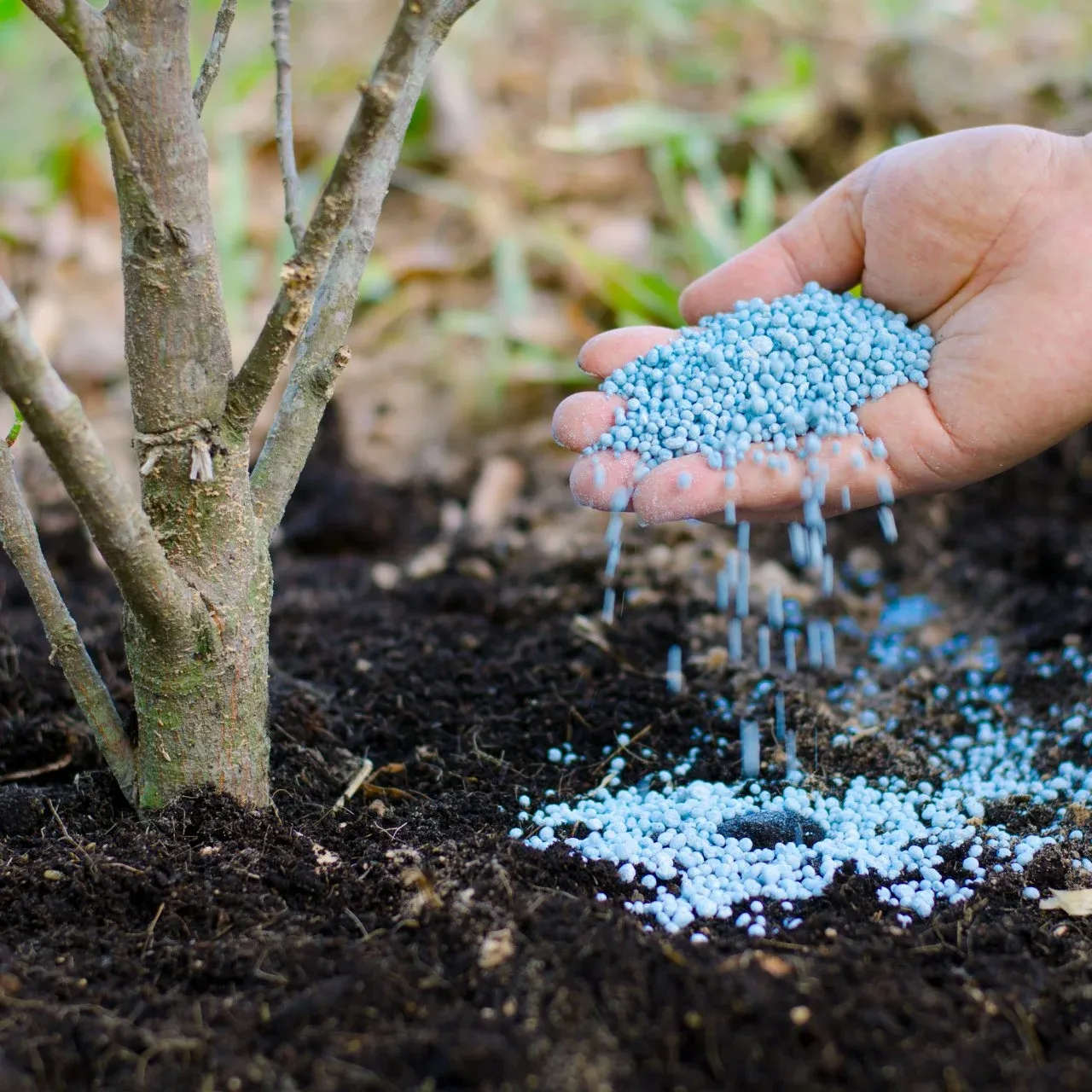
**3. Proper application technique:** When applying the fertilizer, make sure to spread it evenly around the base of the plant without letting it touch the stems or leaves directly. Water thoroughly after application to help the nutrients penetrate into the soil and reach the roots effectively.
By following these simple steps and giving your hydrangeas regular feedings throughout the growing season, you can ensure they receive all the necessary nutrients they need to flourish and produce stunning blooms year after year. So go ahead and give your hydrangeas some love with a proper dose of fertilizer – your plants will thank you!