
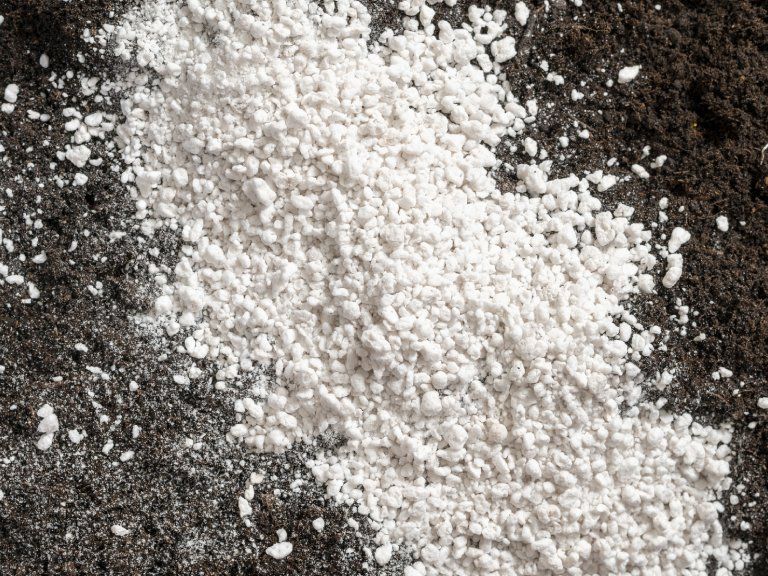
You can put perlite in compost to boost aeration, drainage, and nutrients, enhancing plant growth and soil quality. Perlite aids in airflow, water movement, and root health. Mixing perlite with compost improves compost structure, boosts plant growth, and nutrient uptake. It provides oxygen, soil balance, and moisture control. Utilize perlite in compost for healthier plants and better root systems.
What Is Perlite and Compost?
Perlite is a lightweight volcanic material commonly used for aeration and drainage in soil mixes. Its porous nature allows for excellent air circulation within the soil, preventing compaction and promoting root growth. On the other hand, compost is organic matter that has undergone decomposition, turning into a nutrient-rich soil amendment. When perlite is combined with compost, it enhances the overall quality of the soil mix.
Adding perlite to compost improves aeration, moisture retention, and ultimately boosts plant growth. The incorporation of perlite aids in creating a healthy soil environment for plant roots by ensuring proper drainage and preventing waterlogging.
When perlite is sifted into compost before usage, it further refines the texture of the final potting soil, ensuring that it’s well-balanced and conducive to plant growth.
Benefits of Adding Perlite
Enhancing compost with perlite provides crucial benefits that optimize the aeration and drainage properties of the soil mix. By incorporating perlite into your compost, you benefit from improved airflow and water drainage, reducing the risk of compaction and ensuring that the compost remains aerated. This is essential for the health of your compost pile, as it creates an environment where beneficial microorganisms can thrive and efficiently break down organic matter.
The presence of perlite in the compost also helps in maintaining optimal moisture levels, preventing waterlogging that can impede the composting process. Moreover, the addition of perlite contributes to the overall quality of the finished compost, enriching it with the necessary elements for robust plant growth.
Ultimately, the benefits of adding perlite extend beyond the composting phase, enhancing the nutrient content and structure of the soil for healthier and more productive plants.
Enhancing Compost Aeration With Perlite
To optimize aeration in your compost pile, consider the benefits of incorporating perlite.
Mixing perlite with compost creates air channels that aid in the growth of essential microorganisms.
This integration enhances soil structure, supporting a healthy decomposition process.
Aeration Benefits of Perlite
Improving compost aeration with perlite involves creating air pockets within the soil structure to prevent compaction and support the growth of beneficial microorganisms. The aeration benefits of perlite are essential for maintaining a healthy composting environment.
Here’s how perlite enhances compost aeration:
- Air Pocket Formation: Perlite’s lightweight and porous nature facilitate the formation of air pockets within the compost, ensuring that oxygen can reach the microorganisms responsible for decomposition.
- Prevention of Compaction: By keeping the compost loose and well-aerated, perlite helps prevent the materials from becoming compacted, which can impede airflow and hinder microbial activity.
- Support for Microorganisms: The presence of air pockets created by perlite allows beneficial microorganisms to thrive and break down organic matter effectively, speeding up the composting process.
- Optimal Moisture Levels: Proper aeration from perlite helps regulate moisture levels in the compost, preventing it from becoming waterlogged and promoting efficient decomposition.
Mixing Perlite With Compost
Mixing perlite with compost introduces aeration-enhancing properties to the soil mixture, optimizing conditions for microbial activity and decomposition. When adding perlite to compost, you enhance its ability to create air pockets, prevent compaction, maintain moisture levels, improve drainage, and aid in organic matter breakdown. Here is a breakdown of the benefits of adding perlite to your compost:
| Benefits of Adding Perlite to Compost |
|---|
| Creates air pockets in the soil |
| Prevents compaction |
| Maintains optimal moisture levels |
| Enhances drainage for microorganisms |
| Aids in efficient organic matter breakdown |
Improving Soil Structure
Enhance the aeration of your compost by incorporating perlite, which creates vital air pockets in the soil mixture. Improving soil structure through enhanced aeration with perlite offers various benefits:
- Increased Oxygen Access: Perlite helps create pathways for oxygen to reach plant roots, improving overall plant health.
- Prevention of Compaction: The lightweight nature of perlite aids in preventing soil compaction, ensuring roots can grow freely.
- Enhanced Microbial Activity: By promoting a well-aerated environment, perlite supports the growth of beneficial microbes that aid in nutrient breakdown.
- Optimal Moisture Retention: Perlite in compost helps maintain proper moisture levels, ensuring plants receive adequate hydration without becoming waterlogged.
Incorporating perlite into your compost not only enhances aeration but also contributes to creating a healthy, well-structured soil environment that fosters robust plant growth.
Improving Drainage in Compost
To enhance the drainage of your compost, consider incorporating perlite to create aeration within the soil. Perlite, a lightweight volcanic glass, improves drainage by creating air pockets in the compost, allowing water to flow efficiently through the mixture. It’s recommended to mix perlite with compost at a ratio of 1:4 to achieve optimal drainage benefits.
By adding perlite to your compost, you can significantly improve the soil’s ability to drain excess water, which is particularly beneficial for plants sensitive to overwatering and moisture-related issues. The presence of perlite aids in maintaining a well-balanced moisture level in the compost, promoting healthy plant growth by preventing waterlogged conditions.
Incorporating perlite into your compost not only enhances drainage but also ensures that your plants receive adequate aeration and moisture levels for optimal development.
Next, let’s delve into how to use perlite in fully mature compost to reap its full benefits.
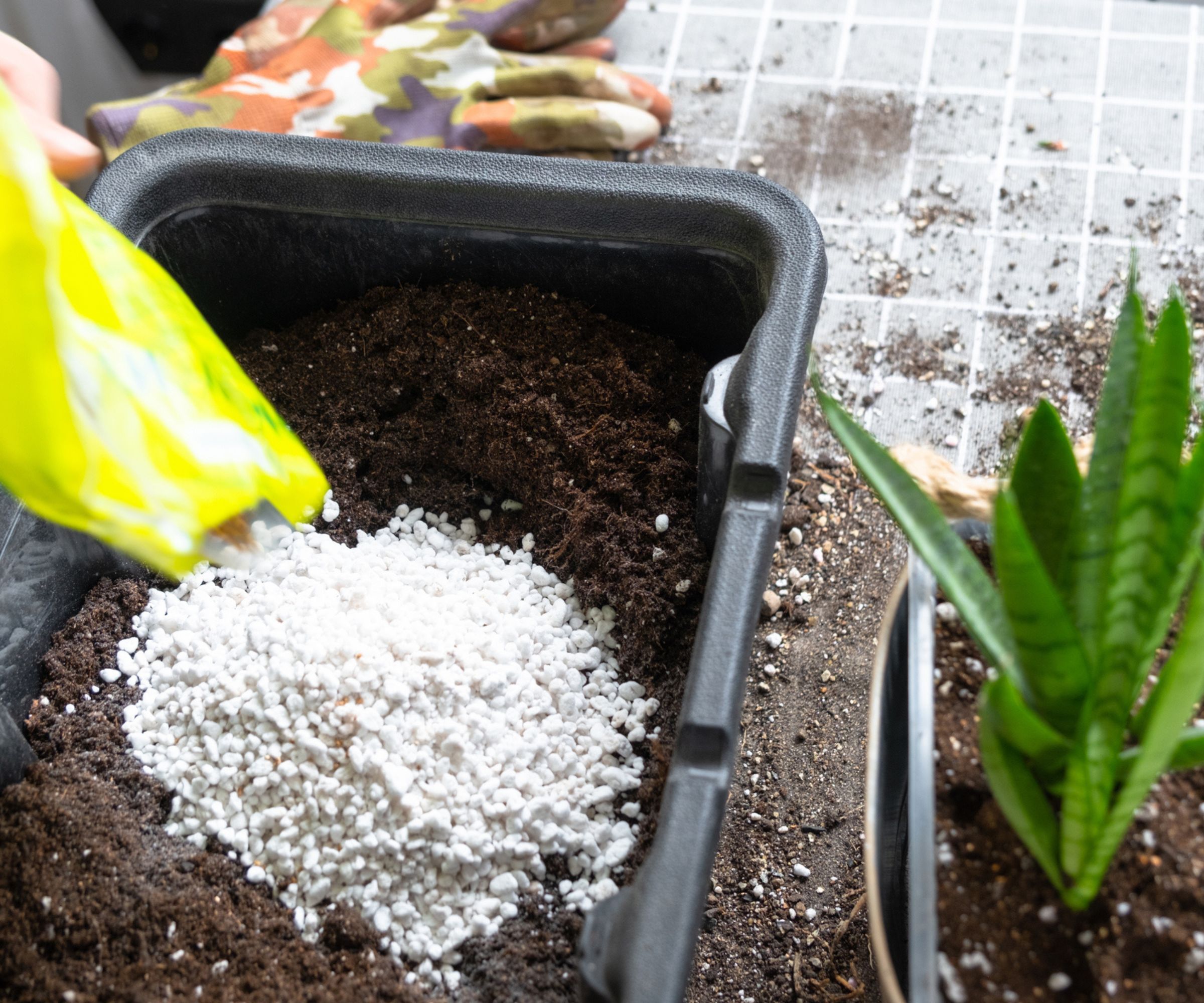
Using Perlite in Fully Mature Compost
When incorporating perlite into fully mature compost, you enhance aeration and drainage, key factors for plant growth.
Mature compost provides an ideal environment for decomposition and nutrient availability, making it beneficial for plant health.
Mature Compost Benefits
Incorporating perlite in fully mature compost significantly improves soil aeration and structure, benefiting plant growth in various ways. Mature compost is a valuable resource for plants, offering essential nutrients and a hospitable environment for root development.
When perlite is added to mature compost, several benefits are observed:
- Maintaining Aeration: Perlite helps keep the compost well-aerated, ensuring that plant roots receive the oxygen they need to thrive.
- Improving Soil Structure: The presence of perlite aids in creating a loose and well-structured soil, allowing roots to penetrate easily and access nutrients efficiently.
- Preventing Compaction: Perlite reduces the risk of soil compaction in mature compost, which is crucial for healthy root growth and water infiltration.
- Enhancing Drainage: By facilitating proper drainage, perlite assists in preventing waterlogging issues that could harm plant roots.
Perlite Integration Benefits
Utilizing perlite in fully mature compost enhances soil aeration and structure, providing numerous benefits for plant growth. By integrating perlite into your compost, you create an environment that promotes healthier plants and stronger roots. Check out the table below to see the key benefits of incorporating perlite into fully mature compost:
| Benefits of Perlite in Compost |
|---|
| Improved Aeration |
| Enhanced Soil Structure |
| Optimal Moisture Levels |
| Cooler Root Temperatures |
| Better Nutrient Absorption |
With perlite in your compost, plants benefit from increased oxygen levels around their roots, ensuring efficient nutrient uptake. The improved soil structure allows roots to penetrate easily, leading to healthier and more robust plants. Additionally, perlite helps regulate moisture levels, preventing waterlogging and root rot. The cooler root temperatures provided by perlite contribute to overall plant health, while the enhanced nutrient absorption results in better growth and development. Remember to monitor fertilizer applications carefully to maintain nutrient balance in your perlite-enhanced compost.
Avoiding Perlite in Wet Compost
To prevent drainage issues and maintain proper aeration, it’s crucial to refrain from adding perlite to excessively wet compost. When compost is overly saturated, adding perlite can exacerbate the problem, hindering proper drying and airflow.
Here are some key points to consider:
- Drainage Impediment: Excessively wet compost combined with perlite can lead to poor drainage, which is detrimental to plant health.
- Aeration Compromise: High moisture levels in compost restrict aeration, impacting the beneficial microbial activity crucial for nutrient breakdown and plant growth.
- Moisture Level Control: Keeping compost moisture below 20% is essential to prevent over-saturation and maintain an optimal environment for microbial activity.
- Pathogen Avoidance: Using perlite from infected plants or those with diseases like root rot can introduce harmful bacteria into the compost, posing a risk to plant health.
Promoting Plant Growth With Perlite
Adding perlite to your compost can significantly enhance plant growth by improving aeration and drainage. Perlite’s lightweight and porous structure create air pockets in the soil, promoting better oxygen circulation to the roots and preventing soil compaction. This improved aeration leads to healthier root systems and overall plant vitality.
Additionally, perlite’s ability to retain moisture without causing waterlogging is beneficial for plant growth, as it ensures that roots have access to water without being saturated.
Beyond its aeration and drainage benefits, perlite also plays a crucial role in nutrient absorption and root development. By helping roots access essential nutrients more efficiently, perlite contributes to the overall health and vigor of plants.
With perlite in your compost, you can expect to see stronger, more resilient plants that exhibit enhanced growth and development. Consider incorporating perlite into your compost mix to provide your plants with the optimal growing conditions they need to thrive.
Reusing Perlite in Compost
When reusing perlite in compost, consider its benefits for improving aeration and drainage to enhance plant growth. Perlite can be a valuable addition to your composting process, but using it at the right stage is crucial.
Here’s how to effectively put perlite to good use:
- Wait for Maturity: Ensure that your compost is fully matured before adding perlite. This will prevent moisture retention issues and maintain optimal aeration levels.
- Mix Thoroughly: When reintroducing perlite into compost, mix it evenly throughout the pile. This will help distribute its aeration and drainage benefits uniformly.
- Monitor Moisture Levels: Keep an eye on the moisture content of your compost after adding perlite. Adjust as needed to prevent excessive water retention.
- Consider Plant Needs: Tailor the amount of perlite you incorporate based on the plants you intend to grow. Different plants have varying requirements for aeration and drainage.
Proper Cleaning of Old Perlite
Cleaning old perlite thoroughly is essential to remove impurities and ensure its safe reuse in compost. To clean old perlite effectively, soak it in a 1:9 bleach-to-water solution for 20-25 minutes. The bleach will oxidize and break down impurities present in the perlite, making it safe for reuse.
After soaking, rinse the perlite thoroughly to remove any remaining impurities and odors. It’s crucial to ensure that the perlite is completely dry before reintroducing it into matured compost to prevent any potential issues.
Properly cleaning perlite is crucial as it helps eliminate contaminants that could harm your plants. By following these cleaning steps, you can ensure that the perlite is safe and ready for use in compost.
When to Avoid Perlite in Compost
Using perlite in compost should be avoided in situations where excessive moisture levels are present to prevent drainage issues. When considering the best time to avoid perlite in compost, it’s crucial to assess the moisture content and potential risks associated with its use.
Here are some key points to remember:
- Moisture Control: If your compost is already too wet, adding perlite can exacerbate drainage problems, leading to waterlogged conditions that are harmful to plant roots.
- Moisture Levels: Keeping the overall moisture content of compost below 20% is essential to prevent issues with perlite, as higher moisture levels can impede its effectiveness.
- Disease Risk: Perlite sourced from infected plants can carry harmful bacteria. Avoid using perlite from diseased plants like those with root rot to prevent spreading the infection.
- Early Application: Applying perlite too early in the composting process can result in moisture retention problems, impacting the overall quality of the compost mix.
Maintaining Lightweight Medium With Perlite
To maintain a lightweight medium conducive to plant growth, incorporating perlite in your compost is essential for enhancing aeration and moisture retention.
Perlite, a volcanic glass that expands when heated, is a valuable addition to compost mixes. By adding perlite, you’re ensuring that the compost remains well-aerated, which is crucial for promoting beneficial microbial activity. This aeration helps prevent compaction and improves drainage within the compost, creating an environment where plant roots can thrive.
Additionally, perlite’s ability to retain moisture while keeping the medium light ensures that your plants receive adequate hydration without the risk of waterlogging. The balanced air and moisture levels facilitated by perlite contribute to an optimal growing environment for your plants.

Ensuring Proper Drying in Compost
Incorporating perlite in your compost mix not only enhances aeration and moisture retention but also plays a crucial role in ensuring proper drying to prevent mold, bacterial growth, and anaerobic conditions.
To ensure proper drying in your compost, follow these key steps:
- Monitor Moisture Levels: Aim for a moisture level below 20% in your compost to facilitate effective decomposition and avoid unpleasant odors.
- Promote Airflow: Good airflow is essential for drying out compost. Ensure proper aeration by turning the compost regularly to prevent pockets of excess moisture.
- Prevent Excessive Moisture: Excessive moisture can lead to compacted compost, slowing down the decomposition process and negatively impacting plant growth.
- Maintain Balance: Balancing moisture levels is critical for creating a healthy and nutrient-rich soil amendment. Perlite’s ability to enhance aeration and drainage can aid in maintaining the optimal moisture content for your compost pile.
Enhancing Root Development With Perlite
To enhance root development with perlite, consider its benefits in promoting robust root growth through improved soil aeration and drainage.
Integrate perlite into compost mixes to create a lightweight, porous environment that encourages healthy root systems.
Follow these tips for optimal results in supporting nutrient absorption and overall plant vigor.
Root Growth Benefits
Enhancing root development with perlite involves creating an optimal environment for robust plant growth. When perlite is integrated into compost, it offers several key benefits for root development:
- Aeration: Perlite aids in creating a well-aerated environment for roots to thrive. This improved airflow ensures that roots have access to an adequate oxygen supply, promoting healthy growth.
- Nutrient Absorption: The porous structure of perlite facilitates root penetration and allows for efficient nutrient absorption. This leads to enhanced plant vitality and productivity.
- Prevention of Waterlogging: Perlite’s ability to improve aeration helps prevent issues like root rot and waterlogging. By maintaining proper drainage, perlite supports optimal root health.
- Robust Growth: Overall, the benefits of using perlite for root development result in healthier and more robust plants. Healthy roots contribute significantly to the overall well-being and productivity of your plants.
Perlite Integration Tips
When integrating perlite into compost to enhance root development, ensure thorough mixing to distribute the perlite evenly throughout the compost mixture. This even distribution is crucial for maximizing the benefits of perlite, such as improved aeration, drainage, and moisture retention in the potting soil.
By blending perlite uniformly, you create an environment that promotes healthy root growth and nutrient absorption.
To enhance root development effectively, aim for a perlite to potting soil ratio of around 10-20%. This ratio provides the optimal balance of aeration and moisture retention needed for robust root systems. Additionally, consider using coarse-grade perlite for better airflow and drainage within the compost mixture.
When integrating perlite, be mindful of its lightweight nature to prevent compaction in the potting soil. This characteristic allows roots to penetrate and spread easily, further supporting their development.
Purchasing Perlite for Composting
Where can you easily acquire horticultural-grade perlite suitable for composting applications?
When looking to purchase perlite for composting, there are several options available to you:
- Gardening Stores:
Visit your local gardening store where you can find horticultural-grade perlite specifically designed for composting purposes. These stores often carry a variety of sizes to suit your needs.
2. Online Retailers:
Consider browsing online stores that specialize in gardening supplies. You can easily find a wide selection of perlite products suitable for composting applications, and have them conveniently delivered to your doorstep.
3. Bulk Purchases:
If you frequently compost and require a larger quantity of perlite, buying in bulk is a cost-effective option. Many suppliers offer discounts for purchasing perlite in larger quantities.
4. Check Labels:
Ensure that the perlite you choose is horticultural-grade and doesn’t contain any harmful chemicals that could impact the composting process. Always read the label to confirm its suitability for mixing into compost.
Tips for Using Perlite in Compost
To optimize the benefits of perlite in your compost, consider these practical tips for its effective use in enhancing aeration and drainage while promoting plant growth. Perlite is best added to fully matured compost to ensure optimal results.
Its ability to retain moisture is beneficial for plant growth, but be cautious not to use it in excessively wet compost as it may lead to waterlogged conditions. When using perlite, ensure it’s well mixed into the compost to improve aeration and drainage throughout the mixture.
Additionally, if you’re reusing perlite, clean it thoroughly with bleach to remove any contaminants and ensure its effectiveness in promoting aeration.
Conclusion
In conclusion, adding perlite to compost can greatly improve aeration, drainage, and root development.
It’s important to use perlite in fully mature compost and ensure proper drying before adding it.
Purchasing high-quality perlite for composting is essential for optimal results.
By following these tips and guidelines, you can effectively incorporate perlite into your composting process and reap the benefits of healthier, more nutrient-rich soil for your plants.