
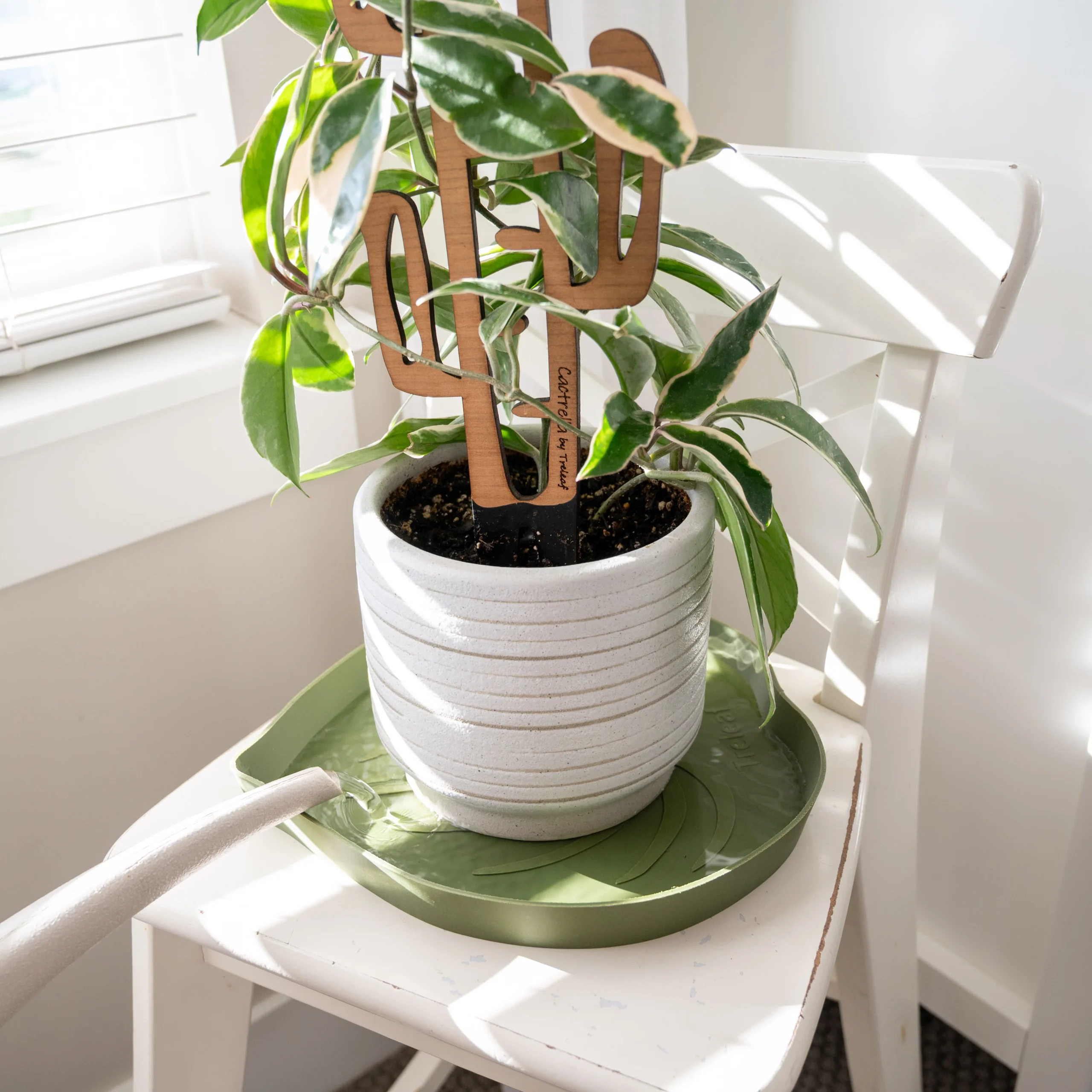
When bottom watering, overwatering is possible if not careful. Risks include nutrient excess leading to plant harm. Watch for wilting, leaf discoloration, root rot, mold, and odor. Prevention involves good drainage, monitoring water intake, adjusting frequency, and combining watering methods. Monitor plant reactions with leaf observations and moisture meters. Tailor watering based on plant response and factors like soil type and drainage. Ensure proper drainage post-bottom watering to prevent waterlogging. Benefits include stronger roots and less risk of overwatering. To safeguard your plants adequately, understand the risks and adjust watering practices as needed.
Risks of Bottom Watering Plants
When bottom watering plants, you risk overfertilization due to the potential absorption of excess nutrients by the roots along with water. Overfertilization can harm plants by causing nutrient imbalances, leading to issues like leaf burn, stunted growth, or even plant death. Signs of overwatering in bottom watering methods include wilting leaves, yellowing or browning of leaves, root rot, mold, mildew growth, and a foul smell emanating from the soil. These symptoms indicate that the roots are struggling due to excess moisture, potentially caused by leaving pots in standing water for too long.
Mitigation strategies for overwatering risks in bottom watering involve using well-draining soil, selecting pots with proper drainage holes, closely monitoring soil moisture levels, adjusting watering schedules accordingly, and ensuring excess water can drain out after watering sessions. Understanding the risks associated with overwatering in bottom watering techniques is essential for maintaining plant health and avoiding detrimental conditions such as root rot and fungal diseases.
Signs of Overwatering From Bottom Watering
Common signs of overwatering from bottom watering include wilting leaves, yellowing or browning of leaves, root rot, mold or mildew growth, and a foul smell emanating from the soil. These signs indicate that the plant is receiving more water than it can effectively absorb or evaporate, leading to detrimental effects on its health. Understanding these signs is crucial for preventing further damage to your plants.
To help you identify and address overwatering issues in bottom watering, here is a table summarizing the key signs to look out for:
| Signs of Overwatering From Bottom Watering |
|---|
| Wilting leaves |
| Yellowing or browning of leaves |
| Root rot |
Preventing Overwatering Through Bottom Watering
To prevent overwatering through bottom watering, ensuring proper drainage and monitoring water absorption levels are crucial steps. Adequate drainage is essential to allow excess water to escape, preventing plants from sitting in water for prolonged periods. Without proper drainage, the risk of overwatering increases, even with bottom watering techniques. Monitoring water absorption is equally important; this involves observing how quickly the soil absorbs water during bottom watering sessions. Adjusting the watering frequency based on the plant’s needs and the moisture levels in the soil can help prevent overwatering issues. By being attentive to these factors, you can maintain a healthy balance of moisture in the soil and prevent the detrimental effects of overwatering, such as wilting leaves or root rot. Combining bottom watering with occasional top watering can also help ensure that your plants receive adequate hydration without the risk of overwatering.

Monitoring Plant Response to Bottom Watering
Monitor your plants closely after bottom watering to gauge their hydration levels effectively. Look for signs of overwatering like wilting leaves, yellowing, or root rot to adjust your watering frequency accordingly. By paying attention to root health indicators and adjusting watering practices, you can ensure optimal hydration levels for your plants.
Plant Hydration Levels
Observing leaf color, texture, and turgidity post-bottom watering is crucial for accurately monitoring plant hydration levels. After bottom watering, vibrant green leaves with a firm texture indicate optimal hydration. If leaves appear yellowing, feel limp, or exhibit signs of wilting, these could be early indicators of overwatering. To prevent overwatering, adjust the watering frequency accordingly based on these visual cues. Utilizing a reliable moisture meter can also aid in assessing plant hydration levels more precisely. Remember that bottom watering, while beneficial, can lead to overwatering if pots are left in standing water for too long. By staying attentive to your plant’s response post-watering and using tools like a moisture meter, you can effectively maintain proper hydration levels and promote healthy plant growth. Paying close attention to these details will help you avoid the pitfalls of overwatering and ensure the well-being of your plants.
Root Health Indicators
Assessing root health indicators post-bottom watering is crucial to ensure optimal plant care and prevent issues such as root rot, mold growth, or soil contamination. After bottom watering, monitor your plants for signs of overwatering. Look for wilting leaves, yellowing foliage, or soil that remains excessively wet. These could be indicators of root rot, a common problem resulting from overwatering. Additionally, check for mold growth on the soil surface and smell the soil for any foul odors, which may suggest poor root health.
To prevent root rot and other issues associated with overwatering, ensure your pots have proper drainage holes and use well-draining soil. After bottom watering, avoid letting your plants sit in excess water to prevent waterlogging, which can lead to root suffocation and further promote root rot.
Adjusting Watering Frequency
To gauge the effectiveness of bottom watering, closely track the plant’s response to the watering method, specifically noting any indications of overwatering. Monitor your plant for signs of overwatering, such as wilting leaves or yellowing/browning foliage, which could indicate waterlogged soil from bottom watering. Adjust the watering frequency based on how quickly the soil absorbs water and how the plant reacts to bottom watering. Avoid leaving plants in standing water post-bottom watering to prevent waterlogged soil conditions. Consider various factors like plant type, pot size, soil composition, and environmental conditions when determining the frequency of bottom watering. Regularly check the soil moisture levels and adapt the watering schedule accordingly to prevent overwatering from bottom watering. By observing the plant’s response and adjusting watering frequency accordingly, you can optimize the benefits of bottom watering while avoiding the pitfalls of overwatering.
Adjusting Watering Frequency for Bottom Watering
Adjust the frequency of bottom watering according to the specific moisture requirements and soil conditions of your plants to prevent overwatering and maintain optimal health. To help you determine the right watering schedule, consider the following factors:
| Moisture Needs | Soil Type | Optimal Watering Schedule |
|---|---|---|
| High: Plants like ferns or peace lilies | Well-draining: Sandy or loamy soil | Every 7-10 days |
| Low: Cacti or succulents | Poorly draining: Clay soil | Every 2-3 weeks |
| Medium: Most houseplants | Moisture-retentive: Peat-based soil | Every 5-7 days |
Ensuring Proper Drainage After Bottom Watering
After bottom watering your plants, it is crucial to ensure proper drainage to prevent waterlogging and promote healthy root development. Proper drainage is vital to avoid overwatering issues that can arise from excess water in the pot or saucer. To prevent root rot and other moisture-related problems, it is essential to ensure that any standing water in the saucer drains completely. Checking for any remaining water in the saucer by lifting the pot after bottom watering is a good practice to maintain optimal drainage conditions. Effective drainage not only prevents waterlogging but also encourages healthy root growth by maintaining the right balance of moisture in the soil. By allowing excess water to drain out properly, you can create an environment that supports the overall health and vitality of your plants. Remember, good drainage is key to successful bottom watering and the long-term well-being of your plants.
Tips for Successful Bottom Watering
To ensure successful bottom watering, always remember to monitor the plant’s response closely to adjust watering frequency accordingly. Proper hydration is key, so make sure to soak the plant for at least 15 minutes to allow for optimal water absorption. Combining bottom watering with occasional top watering can help maintain a balanced moisture level for your plants.
Benefits of Bottom Watering
Implementing bottom watering techniques can significantly benefit your plants by promoting stronger root systems and minimizing the risk of overwatering. By allowing water to be absorbed from the bottom up, this method encourages roots to grow deeper into the soil in search of moisture, leading to more robust and resilient root systems. Additionally, bottom watering helps prevent issues like fungus gnat infestations, as these pests are less likely to lay eggs in the drier top layer of soil. This technique also reduces the chances of overwatering your plants, as it allows them to uptake water at their own pace, preventing waterlogged conditions that can lead to root rot. Furthermore, plants with hairy or fuzzy leaves, which may be sensitive to getting wet during traditional top watering, can benefit from the gentler approach of bottom watering. Consistent bottom watering can contribute to overall plant health by providing a steady supply of moisture directly to the roots, promoting optimal growth and vitality.
Proper Plant Hydration
When considering proper plant hydration for successful bottom watering, maintaining a balanced moisture level is key to prevent overwatering and promote healthy root development. Bottom watering allows for controlled water absorption, reducing the risk of waterlogging that can occur with traditional top watering methods. To ensure optimal hydration levels, it is important to monitor the moisture level in the soil regularly. Adjusting the watering frequency based on the plant’s response to bottom watering is crucial in preventing overwatering. By combining bottom watering with occasional top watering, you can help maintain a healthy balance of moisture for your plants. This method not only prevents overwatering but also encourages roots to grow deeper in search of water, resulting in more resilient and vigorous plants. Remember, proper plant hydration is not just about the amount of water but also about the frequency and method of watering to support overall plant health.