
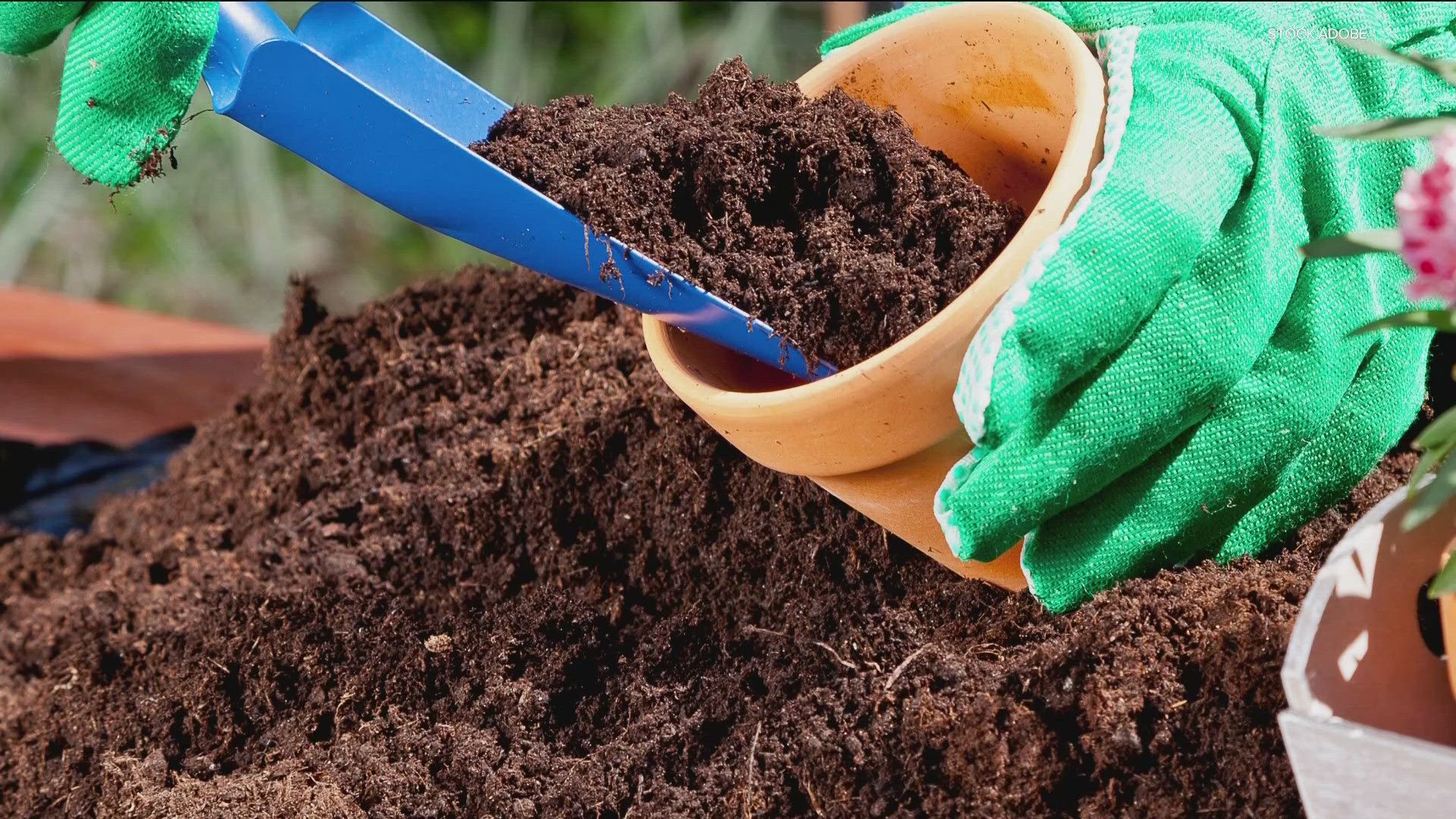
To make a richer potting medium, blend organic materials like compost and coconut coir with inorganic substances such as perlite. Aim for balanced proportions like 1 part compost, 1 part coconut coir, and 0.5 parts perlite for optimal plant growth. Don’t forget bone meal, blood meal, green sand, and worm castings, each serving a specific purpose. This mix enhances aeration, moisture regulation, and nutrient supply. Customizing the mix to suit your plant’s needs can lead to thriving greenery.
Understanding Potting Soil Components
To create a nutrient-rich potting medium, you must first understand the essential components that make up potting soil. Potting soil is a blend of organic and inorganic materials carefully selected to provide plants with the necessary nutrients, aeration, and drainage. Organic materials such as peat moss, compost, and coconut coir serve as sources of nutrients and aid in water retention, ensuring that your plants have the necessary moisture levels for healthy growth. On the other hand, inorganic materials like perlite and vermiculite are added to potting soil mixes to improve aeration and drainage, preventing waterlogging and promoting root health.
Additionally, lime is often included in potting soil mixes to help regulate pH levels, creating a more balanced environment for plant roots to thrive. By understanding the role of each component in potting soil, you can create a well-balanced growing medium that provides your plants with the ideal conditions for optimal growth and development.
Ideal Proportions for Soil Mix
Achieving a nutrient-rich potting medium starts with ensuring the ideal proportions of organic and inorganic materials in your soil mix. For a balanced blend, aim for 1 part compost, 1 part coconut coir, and 0.5 parts each of perlite, bone meal, blood meal, green sand, and worm castings. Compost enriches the mix with nutrients and enhances soil structure, while coconut coir aids in water retention. Perlite promotes drainage, bone and blood meals provide crucial nitrogen and phosphorus, green sand contributes potassium, magnesium, and iron, and worm castings introduce beneficial microorganisms. These proportions offer a well-rounded mix, delivering aeration, moisture regulation, and essential nutrients necessary for optimal plant growth. By following these guidelines, you can create a nutrient-rich potting medium that supports robust plant development, ensuring your plants thrive in a healthy and nourishing environment.
Composted Bark Benefits
You can benefit greatly from incorporating composted bark into your potting soil mix. This organic material enhances soil structure, promotes water retention, and fosters optimal root development. With its nutrient-rich composition and moisture-retaining properties, composted bark is a valuable addition for healthier plant growth and sustainable gardening practices.
Bark for Soil Health
Incorporating composted bark into potting soil significantly enhances soil health and benefits plant growth through improved nutrient retention and aeration. Composted bark contributes to the potting medium by increasing the organic matter content, which is crucial for soil health and nutrient retention. The bark’s fibrous texture aids in improving soil structure, promoting better aeration and drainage within the potting soil. Additionally, the presence of beneficial microbes in composted bark supports plant growth by creating a healthier environment for roots to thrive. Moreover, the slow-release nature of nutrients from the bark provides a sustained nourishment source for potted plants, promoting long-term growth. By incorporating composted bark into potting soil, you can also reduce the frequency of watering due to its ability to enhance moisture retention, ensuring a more stable environment for your plants to flourish.
Nutrient-Rich Compost
Enhancing potting soil with nutrient-rich compost, such as composted bark, provides essential organic matter for optimal plant growth and soil health. Composted bark offers a range of benefits that contribute to improved soil fertility, nutrient availability, and overall plant vitality. Check out the table below to understand the advantages of incorporating composted bark into your potting soil mix:
| Benefits of Composted Bark in Potting Soil |
|---|
| Enhances soil structure |
| Improves water retention |
| Increases nutrient availability |
| Promotes healthy plant growth |
| Boosts soil fertility |
Mulching Benefits
Utilizing composted bark as mulch in your potting soil provides multiple benefits that enhance soil quality and promote robust plant growth. Composted bark excels in moisture retention, crucial for sustaining plant health by ensuring roots have consistent access to water. This organic material also aids in aeration, preventing waterlogged soil and fostering a healthy root environment. By incorporating composted bark into your potting mix, you introduce a natural source of organic matter that supports plant growth, enriching the soil with essential nutrients over time. Furthermore, the use of composted bark helps prevent soil compaction, allowing roots to spread and develop freely, leading to healthier root systems. The texture and structure of composted bark improve soil drainage, reducing the risk of water stagnation and root rot. Its slow decomposition releases nutrients gradually, providing a steady supply of nourishment for your plants and contributing to long-term plant vitality. Incorporating composted bark into your potting soil regimen offers a holistic approach to nurturing your plants and ensuring their overall well-being.
Importance of Peat Moss
Peat moss plays a crucial role in potting soil by providing essential moisture retention and aeration for healthy root growth in container plants. Derived from partially decomposed sphagnum moss, this organic material is a staple in potting mixes due to its ability to hold water effectively. Its fibrous composition not only aids in moisture retention but also helps in loosening soil, enhancing drainage, and promoting nutrient absorption in potted plants. The low pH of peat moss makes it particularly beneficial for acid-loving plants such as blueberries, azaleas, and rhododendrons. By reducing the need for frequent watering, peat moss supports the development of robust root systems in container plants, leading to overall plant health and vitality. When mixing potting soil, incorporating peat moss can significantly improve the quality of the mix, ensuring optimal growing conditions for your potted plants.
Aeration With Vermiculite
When it comes to improving soil aeration in your potting mixes, using vermiculite can work wonders. This natural mineral not only enhances soil structure but also helps roots thrive by promoting better airflow. By incorporating vermiculite into your potting soil, you’ll create an environment that fosters healthy plant growth and overall vitality.
Vermiculite for Soil Aeration
Enhancing soil aeration with vermiculite is a key strategy for fostering optimal root health and moisture retention in potting mixes. Vermiculite, a lightweight mineral, plays a crucial role in improving air circulation and root respiration within the soil. By incorporating vermiculite into potting mixes, you create a well-draining medium that promotes healthy root growth by preventing compaction and enhancing moisture retention.
The unique property of vermiculite to expand when heated is particularly beneficial as it creates pockets within the soil that hold both air and water. This feature aids in maintaining a balanced soil environment, crucial for root development. Additionally, vermiculite is sterile and pest-free, ensuring a safe and effective option for enhancing soil aeration in your potting mixes. By using vermiculite in your potting soil, you can create an environment that supports robust root systems and efficient moisture management for your plants.
Benefits of Aeration
Improving soil aeration with vermiculite is an effective method for enhancing root health and moisture retention in potting mixes. By incorporating vermiculite into your potting soil, you can experience a range of benefits that contribute to the overall well-being of your plants:
- Enhanced Root Growth: Vermiculite promotes root growth by creating a favorable environment for roots to establish and expand.
- Improved Oxygen Circulation: The lightweight nature of vermiculite increases air space in the soil, allowing better oxygen circulation around the roots.
- Moisture Retention: Vermiculite retains moisture within the soil while preventing compaction, ensuring that your plants have access to adequate water and nutrients.
- Versatile and Neutral: As a sterile and pH neutral mineral, vermiculite is a versatile additive that can be easily incorporated into various potting mixes for improved drainage and aeration.
Incorporating vermiculite into your potting soil can lead to healthier, thriving plants with stronger root systems and improved moisture management.
Enhancing Drainage With Perlite
To enhance drainage in your potting soil mix, consider incorporating perlite, a lightweight volcanic mineral that promotes air circulation and prevents waterlogging. Perlite is a valuable addition to potting soil due to its ability to improve drainage by preventing compaction and allowing excess water to drain freely. It creates air pockets that aid in aeration, supporting healthy root growth and reducing the risk of root rot. The porous nature of perlite allows for even distribution of water and nutrients throughout the soil, benefiting overall plant development. Additionally, perlite does not break down over time, making it a long-lasting solution for improving soil structure. By including perlite in your potting mix, you can create a well-draining medium that provides optimal conditions for plant growth.
| Benefits of Perlite in Potting Soil |
|---|
| Prevents waterlogging |
| Promotes air circulation |
| Supports healthy root growth |
Customizing Mix for Plant Needs
Consider tailoring your potting mix to meet the specific needs of your plants by customizing the blend of components such as compost, coconut coir, perlite, and vermiculite. When customizing your potting mix for your plants, keep in mind the following:
- Plant Needs: Identify the specific nutrient requirements of your plants to ensure they receive the necessary elements for healthy growth.
- Water Retention: Adjust the mix to provide the right balance of moisture retention to prevent overwatering or underwatering.
- Texture: Experiment with different ratios of components to achieve the desired texture that promotes root development and aeration.
- Drainage: Customize the mix to enhance drainage and prevent waterlogging, which can lead to root rot and other issues.
Nutrient-Dense Potting Mix
To ensure your plants receive the essential nutrients for healthy growth, incorporating organic materials like compost, coconut coir, and worm castings into your potting mix is crucial. Adding components such as bone meal, blood meal, and green sand will boost the nutrient content, promoting robust plant development. By balancing various elements like compost, coconut coir, perlite, and organic fertilizers, you can create a nutrient-rich potting mix that nurtures your plants’ long-term health and vitality.
Soil Nutrient Importance
Enhancing your potting mix with nutrient-dense components is crucial for fostering robust plant growth and health. To ensure your plants receive the necessary nutrients for optimal development, it’s vital to understand the importance of soil nutrient balance and the role of organic matter in creating a nutrient-rich potting mix. Here’s why these aspects are essential:
- Nutrient-Dense Potting Mix: Provides essential elements like nitrogen, phosphorus, and potassium for plant growth.
- Soil Nutrient Balance: Promotes healthy root development, lush foliage, and vibrant blooms.
- Organic Matter: Enhances soil structure, water retention, and microbial activity, aiding in nutrient uptake.
- Balanced Potting Medium: Supports overall plant health, resilience to pests and diseases, and improved flowering and fruiting.
Essential Plant Nutrients
To create a nutrient-dense potting mix that supports optimal plant growth, incorporating essential plant nutrients is key. Essential plant nutrients such as nitrogen, phosphorus, potassium, calcium, and magnesium play vital roles in plant development. Nutrient-dense potting mixes often include organic fertilizers like blood meal, bone meal, and green sand to provide a well-balanced blend of macronutrients necessary for healthy plant growth. Additionally, incorporating worm castings into potting soil can significantly enhance its nutrient content. Worm castings not only release crucial elements like nitrogen, phosphorus, and potassium but also harbor beneficial microorganisms that aid in breaking down organic matter and maintaining a thriving soil ecosystem. By utilizing a well-balanced potting soil recipe that combines ingredients like compost, coconut coir, perlite, bone meal, blood meal, green sand, and worm castings, you can create a nutrient-rich medium that promotes optimal plant growth and overall plant health.
Soil Enrichment Methods
For a nutrient-dense potting mix that promotes optimal plant growth, consider enriching your soil using a combination of compost, coconut coir, perlite or vermiculite, bone meal, blood meal, and worm castings.
- Compost: Adding compost to potting soil enriches it with essential nutrients like nitrogen, phosphorus, and potassium.
- Coconut Coir: Incorporating coconut coir improves water retention and drainage in the potting mix.
- Perlite or Vermiculite: Including perlite or vermiculite aids in soil aeration and prevents compaction.
- Bone Meal and Blood Meal: Mixing bone meal and blood meal provides organic sources of phosphorus and nitrogen for plant growth.
Creating a Balanced Medium
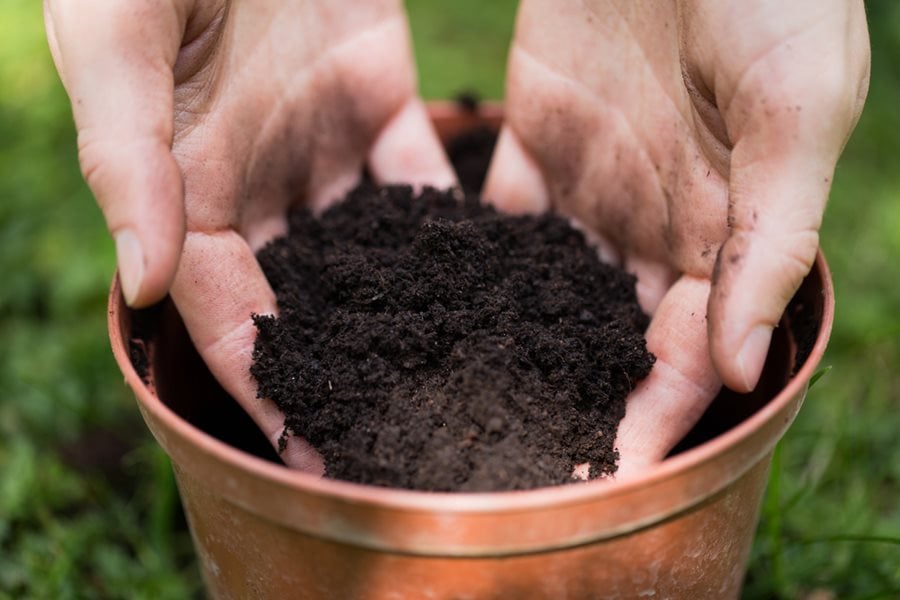
Achieving a balanced potting medium involves skillfully blending organic and inorganic materials to optimize nutrient retention and aeration for your plants’ health and growth. When creating your potting soil, consider incorporating organic materials like compost, coconut coir, and worm castings. These elements contribute essential nutrients and beneficial microorganisms to support plant development. To enhance aeration, mix in inorganic materials such as perlite. This lightweight additive improves soil drainage and prevents compaction, creating a well-structured medium for your plants’ roots to thrive. Additionally, supplement your potting mix with bone meal, blood meal, or green sand to provide crucial nutrients like nitrogen, phosphorus, and potassium. By maintaining consistent ratios of these components and following a precise recipe with quality ingredients, you can ensure your plants receive the necessary nutrition and environment for robust growth and vitality. Mastering the art of balancing organic and inorganic elements in your potting medium is key to fostering healthy and flourishing plants.
Key Ingredients for Healthy Plants
When crafting a potting medium for healthy plants, incorporating key ingredients like compost, coconut coir, perlite, bone meal, blood meal, green sand, and worm castings is essential. These ingredients play crucial roles in providing necessary nutrients, improving soil structure, and enhancing plant growth. Here are some key points to consider:
- Compost: Rich in nutrients, compost boosts soil fertility and supports overall plant health.
- Coconut Coir: Helps retain moisture and ensures proper drainage, creating an ideal environment for plant roots.
- Perlite: Enhances aeration and drainage in the soil, preventing waterlogging and promoting root health.
- Bone Meal, Blood Meal, Green Sand: Each of these ingredients contributes specific nutrients essential for plant growth, such as phosphorus, nitrogen, and potassium.
Tips for Mixing Potting Soil
Consider incorporating a diverse range of organic and inorganic materials to create a nutrient-rich and well-draining potting soil mix that supports robust plant growth. To achieve a balanced potting mix, ensure proper ratios of organic materials like peat moss, compost, and inorganic materials such as perlite or vermiculite. Additionally, mixing in slow-release fertilizers or organic amendments can enrich the potting soil with essential nutrients crucial for healthy plant growth.
For enhanced plant vitality, consider adding beneficial microbes or mycorrhizal fungi to promote healthy root development. It’s also essential to adjust the pH level of the potting soil by blending in lime or sulfur, creating an optimal environment for nutrient absorption by plants.
Experimenting with different potting soil recipes and ratios allows you to tailor the mix to the specific needs of various plants or gardening projects. By following these tips and customizing your potting soil mix, you can create an ideal growing medium that nurtures your plants effectively.
Testing Soil Mix for Texture
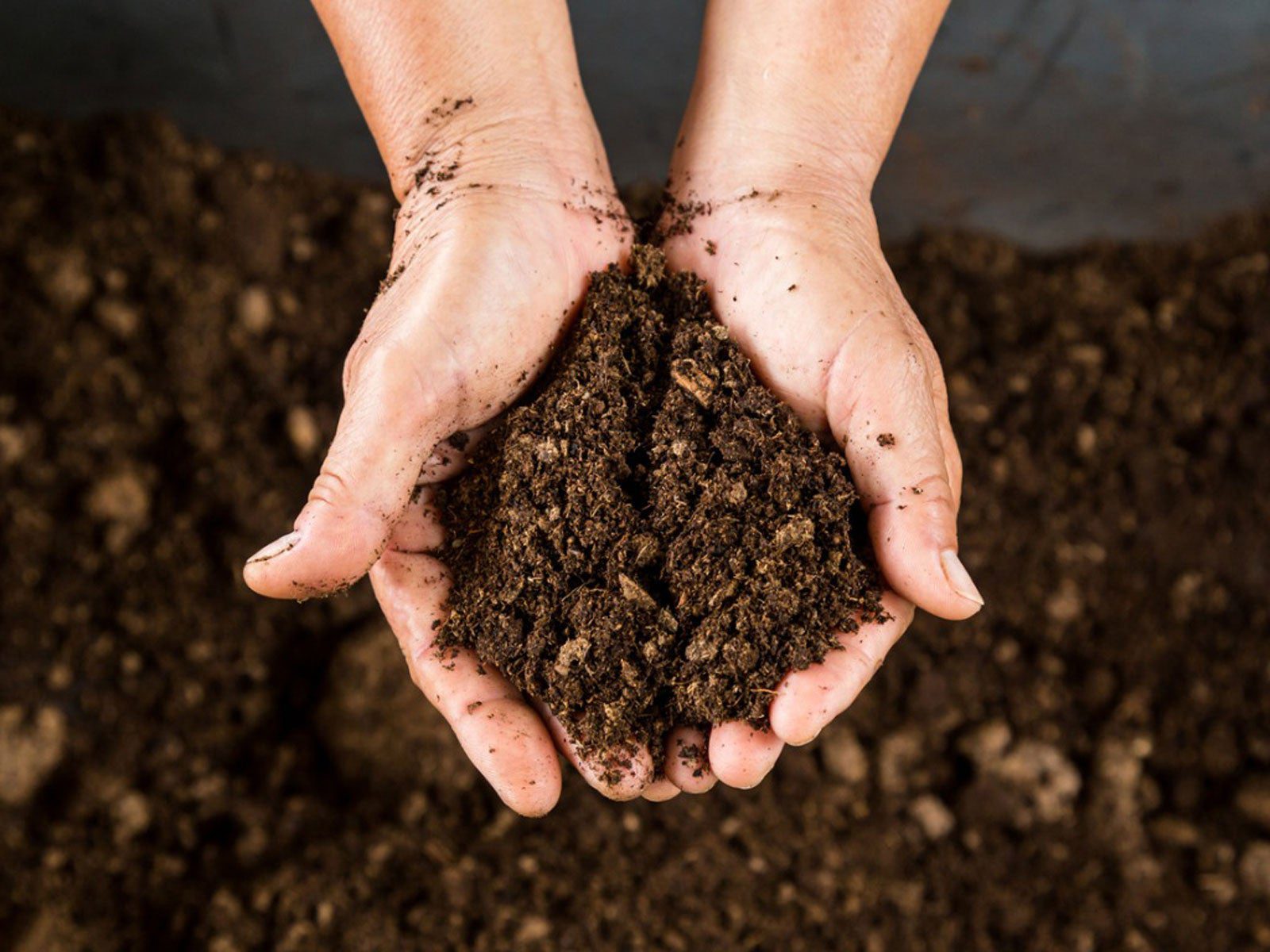
To assess the texture of your potting soil mix, simply grab a handful and give it a gentle squeeze to evaluate its moisture content and consistency. A well-mixed potting soil should maintain its shape when compressed but crumble easily when disturbed. Optimal texture for potting soil is loose and well-draining to prevent waterlogging and ensure healthy root growth. Here are some key points to consider when testing your soil mix:
- A good potting mix should hold its shape when squeezed but break apart easily.
- The ideal soil texture is loose and well-draining to promote healthy root development.
- Avoid overly compacted or loose mixes, as they can hinder plant growth and nutrient absorption.
- Consistent texture throughout the potting soil mix is essential for uniform water distribution and optimal root growth.
Testing your potting soil mix for texture is crucial in ensuring a conducive environment for your plants to thrive.
Maintaining Potting Medium
Regularly monitor the moisture levels of your potting medium to ensure it remains balanced for optimal plant growth. Check for signs of overwatering or underwatering such as wilting, yellowing leaves, or stunted growth, which indicate an imbalance in the potting medium. To prevent nutrient depletion, consider incorporating slow-release fertilizers into your potting mix. These fertilizers gradually release essential nutrients, sustaining plant growth over time. Keep a close eye on your plants’ performance and adjust the potting medium composition accordingly to meet their specific needs. Different plants thrive in different mediums, so tailor the mix to suit the preferences of your plant species. It is advisable to replace the potting medium annually to replenish nutrients and prevent nutrient depletion, promoting healthy plant development. By maintaining the moisture levels and nutrient content of your potting medium, you can ensure robust plant growth and vitality.