

You can lay mulch over grass to boost your lawn’s look and hinder grass growth. Mulching stifles sunlight, amps up soil health, and nurtures plant vitality. It transforms your yard into a low-maintenance haven. By layering thick newspapers and heavy mulch, you’ll enjoy a greener, healthier lawn with minimal upkeep. This method is eco-friendly and enhances soil structure, reducing weed issues in the long run. If you desire a lush garden sans constant care, mulching over grass is your go-to solution.
Benefits of Mulching Over Grass
By laying mulch over grass, you can enjoy various benefits that contribute to the health and vitality of your lawn. Organic mulches, such as compost and wood chips, not only enhance the aesthetic appeal of your lawn but also play a pivotal role in regulating soil temperature. During hot weather, organic mulch acts as a shield, preventing the soil from overheating and protecting grass roots from damage. Conversely, in colder climates, mulch acts as an insulator, maintaining soil warmth and safeguarding the roots from freezing temperatures.
Furthermore, the decomposition of organic mulch releases essential nutrients into the soil, promoting the growth and overall health of your grass. This process not only enhances soil fertility but also encourages beneficial microbial activity, creating a thriving environment for your lawn to flourish. By opting for organic mulches, you are not only benefiting your grass today but also investing in the long-term health and sustainability of your lawn.
Smothering Grass With Mulch
You can effectively suppress grass by creating a barrier with a thick layer of mulch, preventing sunlight from reaching the grass and inhibiting its growth. Layering mulch over the grass not only suffocates it but also aids in moisture retention, promoting healthier soil conditions. This technique not only reduces the need for frequent maintenance tasks like mowing and watering but also transforms the area into a low-maintenance garden bed or landscape feature.
Grass Suppression Techniques
Implementing grass suppression techniques through smothering with mulch offers a practical and eco-friendly approach to effectively eliminate unwanted grass growth in your garden. Smothering grass with mulch involves layering thick newspapers and heavy mulch to block light and air, ultimately killing the grass beneath. This method is convenient as it doesn’t require extensive preparation and allows for the recycling of grass and newspapers into beneficial organic matter.
For optimal results, mow the grass before smothering to ensure the newspapers lie flat and enhance the process’s effectiveness. Smothering not only suppresses grass but also improves soil health, structure, and water retention, fostering better plant growth over time. Additionally, avoiding rototilling before smothering is crucial to maintain soil structure and minimize the emergence of dormant weed seeds. By employing these grass suppression techniques, you can efficiently tackle unwanted grass growth while promoting a healthier garden ecosystem.
Mulch Layering Benefits
Layering mulch over grass serves as a highly effective method for smothering unwanted grass growth in your garden. By utilizing mulch layering, you can block light and air from reaching the grass underneath, effectively killing it. To start, lay down thick newspapers, around 10-12 pages, to block out light. Then, apply a generous 6-inch layer of heavy mulch to suffocate the grass by cutting off its air supply. Watering the mulch after application will further enhance the smothering process. Mowing the grass before smothering helps the newspapers lay flat, maximizing the effectiveness of this technique.
Moreover, smothering your lawn with mulch not only eliminates unwanted grass but also recycles the grass and newspapers into beneficial organic matter. This organic matter enriches the soil, improving its health and structure over time. Embracing mulch layering as a grass suppression technique can help you maintain a healthy and weed-free garden while enhancing the quality of your soil with valuable organic materials.
Maintaining Moisture Levels
Maintaining optimal moisture levels in the soil can be effectively achieved by smothering grass with a thick layer of mulch. Mulch serves as a protective barrier, reducing water evaporation from the soil and ensuring a consistent level of moisture essential for plant growth. By applying a generous amount of mulch over grass, you not only suffocate the grass below but also create an environment that retains moisture for the roots of your plants. This moisture retention is crucial for the overall health and vitality of your garden or landscape.
In addition to preventing water loss, mulch plays a significant role in regulating soil temperature. By insulating the soil, mulch helps create a stable and favorable environment for plants to thrive. This method not only supports plant growth but also suppresses weed development, contributing to a healthier and more vibrant garden or landscape. Properly mulching over grass can lead to improved soil quality and enhanced overall plant health.
Preventing Grass Regrowth
To effectively prevent grass regrowth when laying mulch over grass, consider using thick newspapers or cardboard layers underneath the mulch. These materials act as barriers, blocking sunlight and air from reaching the grass, effectively suffocating it. Additionally, applying a generous 6-inch layer of organic mulch on top further aids in inhibiting grass growth by creating a barrier that restricts light penetration. Watering the mulch post-application not only helps in settling it but also contributes to suffocating any remaining grass underneath. Mowing the area before laying mulch ensures that the newspapers or cardboard lie flat, providing better coverage and preventing grass from finding its way through. Furthermore, removing perennial weeds with taproots before mulching is essential to ensure thorough elimination of grass and weeds. The table below summarizes the key points to effectively prevent grass regrowth when using mulch over grass:
| Preventing Grass Regrowth |
|---|
| Use thick newspapers or cardboard under the mulch |
| Apply a 6-inch layer of organic mulch |
| Water the mulch post-application |

Ideal Mulch Thickness
To achieve optimal results when laying mulch over grass, it’s essential to consider the ideal mulch thickness. Aim for a layer of about 2-4 inches for organic materials like wood chips or shredded bark. This depth ensures proper nutrient delivery, weed control, and prevents potential issues associated with excessively thick mulch layers.
Optimal Mulch Depth
For optimal results when laying mulch over grass, aim for a depth of 2-4 inches to ensure proper coverage and benefits. This mulch depth is ideal for effectively suppressing weeds, retaining moisture, and enhancing soil health. If the mulch layer is too thin, it may not provide sufficient coverage to block out sunlight and prevent weed growth. On the other hand, a mulch depth exceeding 6 inches can lead to issues with grass penetration and oxygen exchange, potentially harming the underlying grass.
Maintaining a consistent mulch depth throughout the application area is crucial to prevent uneven coverage and ensure that all parts of the grass benefit from the mulch layer. By following the recommended mulch depth guidelines, you can create a healthy environment for your grass, promoting plant growth and enhancing the overall appearance of your landscaping. Remember, the proper mulch depth plays a significant role in maximizing the benefits of mulching over grass.
Proper Application Techniques
Achieving optimal results when laying mulch over grass involves carefully considering the ideal thickness for the application, typically ranging between 2-4 inches for organic materials such as wood chips or shredded bark. When laying mulch, ensure you spread it evenly to prevent clumping and to guarantee effective coverage over the grass. The thickness of the mulch can vary depending on the type of material used; for instance, inorganic mulches like gravel may require less depth to be effective. Mulch, when properly applied over grass, serves multiple purposes such as suppressing weed growth, retaining moisture, and enhancing soil health. By applying mulch over grass, you can also promote plant growth, protect roots from temperature fluctuations, and give your lawn a tidy and well-maintained appearance. Remember to consider these factors when deciding on the ideal thickness of mulch to lay over your grass clippings.
Benefits of Thick Mulch
When considering the benefits of thick mulch, especially in terms of ideal mulch thickness, it is crucial to understand how this depth plays a significant role in enhancing the overall health and vitality of your lawn or garden. Mulch thickness, typically around 4 inches, serves various essential functions. Firstly, it helps suppress weed growth by blocking sunlight and inhibiting weed seeds from germinating. Additionally, adequate mulch depth aids in retaining soil moisture, reducing the need for frequent watering and promoting plant health. Furthermore, mulch acts as an insulator, shielding plant roots from extreme temperatures, ensuring they remain cool in hot weather and warm in cold weather. Moreover, the decomposing mulch layer enriches the soil with organic matter over time, enhancing soil structure, fertility, and overall plant growth. By ensuring proper mulch thickness, you effectively smother the grass underneath, preventing regrowth and creating a fertile environment for new plants to thrive.
Mowing Before Mulching
Mowing the grass before laying down mulch is essential to ensure a flat surface for even distribution of the mulch. By trimming the grass short, you create a smooth canvas that makes it easier to apply mulch effectively. This process not only streamlines the mulching task but also guarantees better coverage across your lawn. Additionally, mowing helps eliminate any tall grass that could interfere with the mulch layer, preventing uneven distribution. Keeping the grass at an appropriate height also reduces the risk of it poking through the mulch layer over time. Overall, mowing before mulching is a critical preparatory step that sets the stage for a successful mulch application. Make sure to adjust your lawnmower to the desired height before mowing, ensuring an optimal surface for the mulch to be laid down evenly.
Organic Vs. Inorganic Mulch
When deciding between organic and inorganic mulch, consider the material differences and their respective benefits. Organic mulch like leaves and wood chips enriches soil fertility and retains water effectively, while inorganic options such as stones and black plastic offer decorative styles for modern gardens. Understanding the uses of organic and inorganic mulch will help you choose the right material to meet your gardening goals and preferences.
Material Differences
Organic mulch, often derived from natural materials like leaves and wood chips, offers numerous benefits for soil health and plant growth. Materials such as leaves, straw, grass clippings, compost, wood chips, and shredded bark fall under organic mulch, providing essential nutrients to your garden. On the other hand, inorganic mulch, made up of gravels, stones, black plastic, and geotextiles, serves more for aesthetic purposes in modern gardens.
While organic mulches like compost and manure contribute to soil fertility and water retention, inorganic mulches primarily offer decorative options. Organic mulches are particularly beneficial for new shrubs or plants, aiding in improving fertility and ensuring healthy growth. When choosing between organic and inorganic mulches, consider the specific needs of your garden. Take into account the size of your yard to apply the mulch appropriately, avoiding potential harm to your plants and ensuring sufficient coverage for optimal results.
Benefits of Organic
To reap the benefits of organic mulch over inorganic options, consider how wood chips, straw, and compost can enhance soil fertility and promote healthy plant growth in your garden. Organic mulches provide a wealth of nutrients to the soil as they decompose, nourishing plant roots and supporting overall plant health. Unlike inorganic mulches, which mainly serve decorative purposes, organic options like compost enrich the soil, improving its structure and fertility over time. By choosing organic mulches, you can naturally control weeds and reduce the need for synthetic fertilizers, creating a more sustainable gardening environment. Additionally, organic mulches help retain moisture in the soil, reducing the frequency of watering and providing a more stable environment for plant roots to thrive. When deciding between organic and inorganic mulch, consider the long-term benefits that organic options offer for the health and vitality of your garden.
Inorganic Mulch Uses
Inorganic mulch serves a different purpose in landscaping compared to organic mulch, offering a durable and decorative solution for various outdoor areas. It includes materials such as gravel, stones, black plastic, and geotextiles, providing a modern garden look. These inorganic mulch options are ideal for decorative purposes, coming in various styles and colors to suit different landscaping designs. Unlike organic mulch, inorganic mulch does not decompose, making it a long-lasting choice for beautifying outdoor spaces.
Gravel and stone mulches, common types of inorganic mulch, are popular for use in pathways and areas where plant growth is not desired. These materials not only add visual appeal but also effectively control weed growth, making them practical solutions for maintaining tidy outdoor spaces. By choosing inorganic mulch like gravel, you can achieve a clean and polished look in your landscaping while minimizing maintenance needs.
Choosing the Right Mulch Material
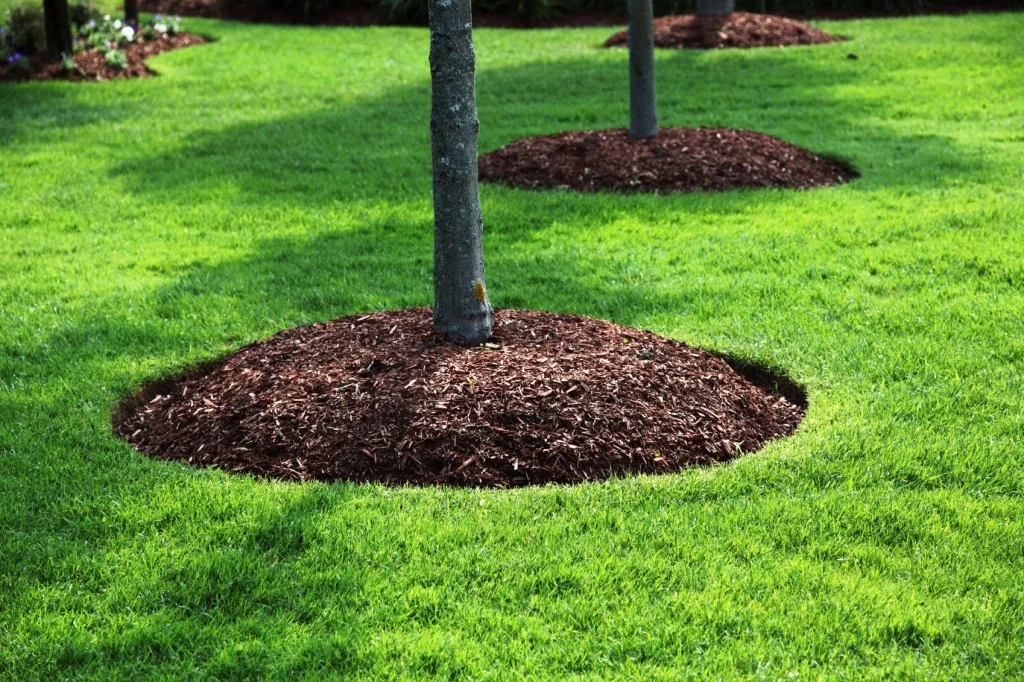
Consider the various mulch options available to choose the right material for your specific landscaping needs. When it comes to organic mulches, shredded bark stands out as a popular choice. Not only does shredded bark enhance soil fertility, but it also aids in weed control effectively. The texture of shredded bark helps retain moisture in the soil, making it an excellent option for areas where water retention is crucial. Additionally, organic mulches like compost and manure are ideal for newly planted shrubs or plants, as they contribute to improving soil quality over time. These materials break down slowly, releasing nutrients into the soil and promoting healthy plant growth. While inorganic mulches like gravel and plastic offer a modern aesthetic, organic options such as shredded bark provide a more natural look while benefiting the overall health of your landscaping. Choose the right mulch material based on your specific needs to maintain a thriving outdoor space.
Yard Size Considerations
When laying mulch over grass, it is crucial to consider the size of your yard to ensure optimal plant health and soil protection. Yard size plays a significant role in determining the amount of mulch needed for effective coverage and weed control. Proper mulch distribution based on your yard size is essential to maintain plant health and soil quality. Different yard sizes require varying amounts of mulch to achieve the desired benefits. By gauging your yard size accurately, you can ensure efficient mulch distribution, promoting optimal plant growth and protecting the soil.
| Mulch Distribution | Small Yard | Medium Yard | Large Yard |
|---|---|---|---|
| Amount Needed | 3-5 cubic yards | 6-8 cubic yards | 9-12 cubic yards |
| Coverage Area | Up to 500 sq. ft. | 501-1000 sq. ft. | 1001-2000 sq. ft. |
| Weed Control | Light to moderate | Moderate to high | High |
Best Time to Lay Mulch
For optimal results, timing plays a crucial role in determining the best time to lay mulch over grass. Late spring is typically the ideal time to mulch every year. During this period, the weather is warmer, which aids in the decomposition of organic mulch materials and promotes healthy plant growth. Choosing to mulch in late spring allows you to suppress weed growth effectively, retain soil moisture, and provide insulation to plant roots as they enter the warmer months.
In regions like Florida, where the climate differs, the end of spring and the beginning of summer are prime times for mulching to achieve the most significant benefits. By mulching at this time, you can ensure that your plants receive the necessary nutrients and protection for robust growth throughout the summer season. Remember that the best time to lay mulch varies depending on your location and climate, but aiming for late spring to early summer is generally a reliable choice for optimal results.
Winter Mulching Benefits
To protect your plants from cold temperatures and frost damage, winter mulching serves as a vital insulator, maintaining stable soil temperatures throughout the colder months. Here are some key benefits of winter mulching for your lawn using organic mulches:
- Protection from Frost Damage: Winter mulching acts as a barrier against frost, shielding plant roots from extreme cold and reducing the risk of damage.
- Insulation for Soil: Organic mulches provide a layer of insulation, helping to regulate soil temperatures and prevent sudden fluctuations that can harm plant roots.
- Prevention of Freeze-Thaw Cycles: By keeping soil temperatures stable, winter mulching helps avoid the damaging effects of freeze-thaw cycles on plant roots.
- Conservation of Moisture: Mulching in winter helps retain moisture in the soil, which is particularly important during dry winter months when plants struggle to access sufficient water.
Maintaining Mulch Annually
Regularly replacing mulch each year is essential to maintain its effectiveness in preserving moisture, controlling weeds, and protecting plant roots. When it comes to lawn care, using fresh mulch annually is crucial for keeping your garden healthy and vibrant. By replacing the mulch regularly, you not only ensure that the soil retains the necessary moisture for plant growth but also prevent the growth of weeds that can compete with your plants for nutrients. Moreover, annual mulch replacement helps in safeguarding plant roots from extreme temperatures and maintaining soil fertility. Additionally, by consistently maintaining your mulch, you can prevent the buildup of mold, pests, and diseases that could harm your plants. Beyond the practical benefits, refreshing the mulch each year also contributes to the overall aesthetics of your garden or landscape, keeping it looking neat and well-cared for. Make it a part of your yearly lawn care routine to replace mulch and reap the rewards of a flourishing garden ecosystem.