

Yes, you can freeze seeds to prolong their viability, but it’s essential to prepare them properly. First, ensure your seeds are dry to avoid moisture-related damage. I recommend a moisture content of about 7% before sealing them in airtight containers with desiccant packets like silica gel. Optimal freezing conditions maintain a steady -15°F, crucial for preserving germination potential. Stored this way, seeds can remain viable for up to 20 years. Moreover, it’s vital to thaw seeds at room temperature for 24 hours prior to planting. This method isn’t just effective—it can transform your long-term seed storage strategy, ensuring you’re always ready for planting season.
Understanding Seed Viability
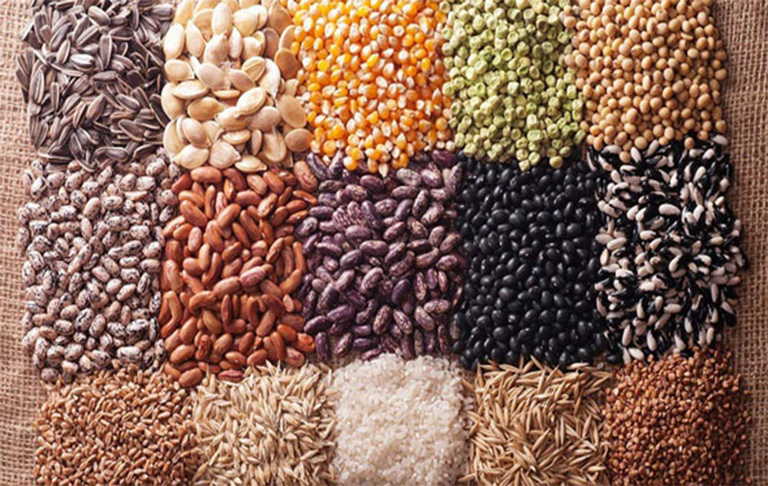
Understanding seed viability is crucial when aiming to cultivate healthy plants from seeds. Seed viability hinges on the ability of seeds to germinate effectively, a factor influenced by species, age, and storage conditions.
Humidity and temperature play pivotal roles; excessive moisture can cause seeds to germinate prematurely or develop mold, compromising their viability. To preserve seed viability, it’s vital to adhere to proper storage practices. Keeping seeds dry, cool, and shielded from light enhances their longevity.
Additionally, providing seeds with a healthy topsoil and compost mixture can improve their germination and growth by offering a balanced nutrient-rich environment. Regular germination tests are advisable, allowing you to assess which seeds remain viable for planting.
Freezing seeds can be a method for long-term storage, but it’s essential to understand the specifics of how freezing affects different types of seeds to maintain their germination capacity.
Optimal Seed Storage Conditions
Storing seeds in optimal conditions is essential to maintaining their viability for future planting. To achieve this, your seed storage should focus on keeping seeds at an optimal temperature—preferably between 35°F and 40°F.
Low humidity, around 20%, is crucial as high moisture levels can activate germination or cause mold. Utilizing airtight containers, such as mason jars or Mylar bags, helps maintain these conditions by preventing moisture ingress and ensuring consistent temperatures.
Additionally, seeds should be stored in opaque containers to shield them from light, which can degrade their quality. By managing these environmental factors, seeds can be preserved effectively, much like how balanced composting aids in sustainable gardening practices.
These measures are vital for long-term storage, ensuring seeds remain thoroughly dry and viable, ready for when you decide to freeze seeds or plant them.
Preparing Seeds for Freezing
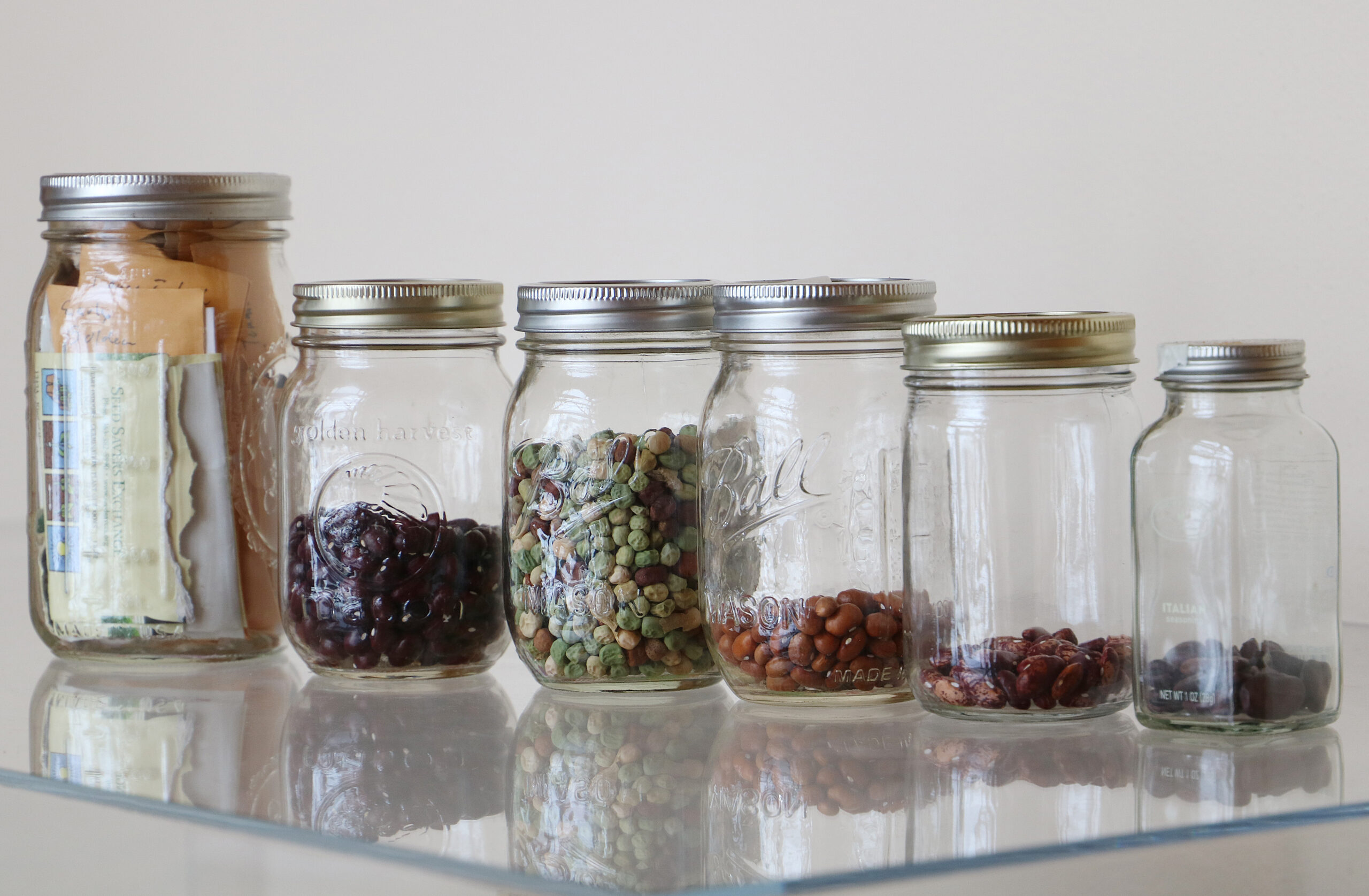
Before freezing your seeds, it’s crucial to ensure they’re impeccably clean and dry, ideally maintaining a moisture content around 7% to prevent any damage during the freezing process.
To achieve this, use silica gel packets which absorb any excess moisture, ensuring seeds are thoroughly dried. Store the seeds in airtight containers, such as glass jars or Mylar bags, to protect them from temperature fluctuations which can compromise their viability.
Always label and date each container for easy identification and to maintain an organized seed inventory. Additionally, maintaining a seed journal helps track the performance of various seed varieties, optimizing your long-term storage strategies.
Remember, once you’re ready to plant, allow seeds to thaw at room temperature for about 24 hours to preserve germination potential.
Incorporating practices from effective composting methods, like monitoring moisture levels, can further enhance the viability and longevity of frozen seeds.
Freezing Techniques and Tips
I recommend adopting specific freezing techniques to maximize the longevity and viability of your seeds.
First, ensure your seeds are completely dry prior to storage; any residual moisture can drastically reduce their viability when frozen.
Store your dry seeds in air-tight containers, such as sealed glass jars or Mylar bags equipped with desiccant packets like silica gel. These packets help control humidity levels inside the containers, enhancing long-term seed preservation.
When freezing, maintain a constant low temperature, ideally around -15°F, as fluctuations can damage seeds.
Before using, allow the seed packets to acclimate to room temperature for 24 hours to prevent moisture condensation that could impair germination.
This method can keep seeds viable for up to 20 years.
Troubleshooting Common Freezing Issues
Despite meticulous preparation, you may encounter issues when freezing seeds, such as cracking or loss of viability due to residual moisture.
To prevent these setbacks, it’s crucial to ensure seeds are completely dry before you store them. Freezing seeds with any moisture can result in damage that compromises their ability to germinate.
Use airtight containers like glass jars or Mylar bags to shield seeds from moisture and freezer burn. After freezing, allow seeds to thaw at room temperature for 24 hours to maintain viability.
Additionally, watch for signs of pest infestation prior to freezing. Conducting germination tests on a sample of seeds after thawing helps assess their viability, ensuring you don’t waste time planting unviable seeds.
Benefits of Frozen Seed Storage
Storing seeds in a frozen state offers a significant advantage by dramatically extending their viability, often ranging from 5 to over 20 years under optimal conditions at -15°F.
This method of storage is crucial for seed banks and seed companies focused on preserving genetic diversity. By freezing heirloom and exotic varieties, we’re supporting biodiversity and ensuring these unique species remain available for future generations.
The freezing process also protects seeds from moisture, pests, and diseases, which can compromise germination potential. For gardeners, this means being able to plan their planting schedules more effectively, utilizing seeds harvested at peak maturity.
Properly frozen seeds maintain high germination rates, essential for successful cultivation post-thawing, thus maximizing the yield from each planting cycle.
Monitoring and Maintaining Seeds
To ensure the longevity and viability of your frozen seeds, regularly conducting germination tests is crucial.
These tests help you monitor the ability of seeds to sprout, giving you a clear indication of their current state. Maintaining a detailed seed inventory, including storage dates, enables you to keep track of the freshness and viability over time.
It’s also essential to replace desiccants in your storage containers to manage humidity levels, crucial for preventing mold and maximizing seed longevity.
Always check seed packets for use-by dates, but remember, many seeds remain viable well beyond these markers under optimal storage conditions.
Don’t forget to rotate older seeds in your collection to use them efficiently and reduce waste.