

When bubbles emerge from the soil, excess moisture, poor drainage, trapped air, anaerobic conditions, and gas release are likely culprits. These bubbles can harm plant growth by hindering root respiration and nutrient uptake, leading to issues like root rot. To combat this, focus on better drainage, aeration, and adjusting watering habits. By understanding and addressing these causes, you can support healthier soil and flourishing plants. Remember, taking proactive steps to enhance soil health is crucial for creating a thriving outdoor environment.
Excessive Moisture Accumulation
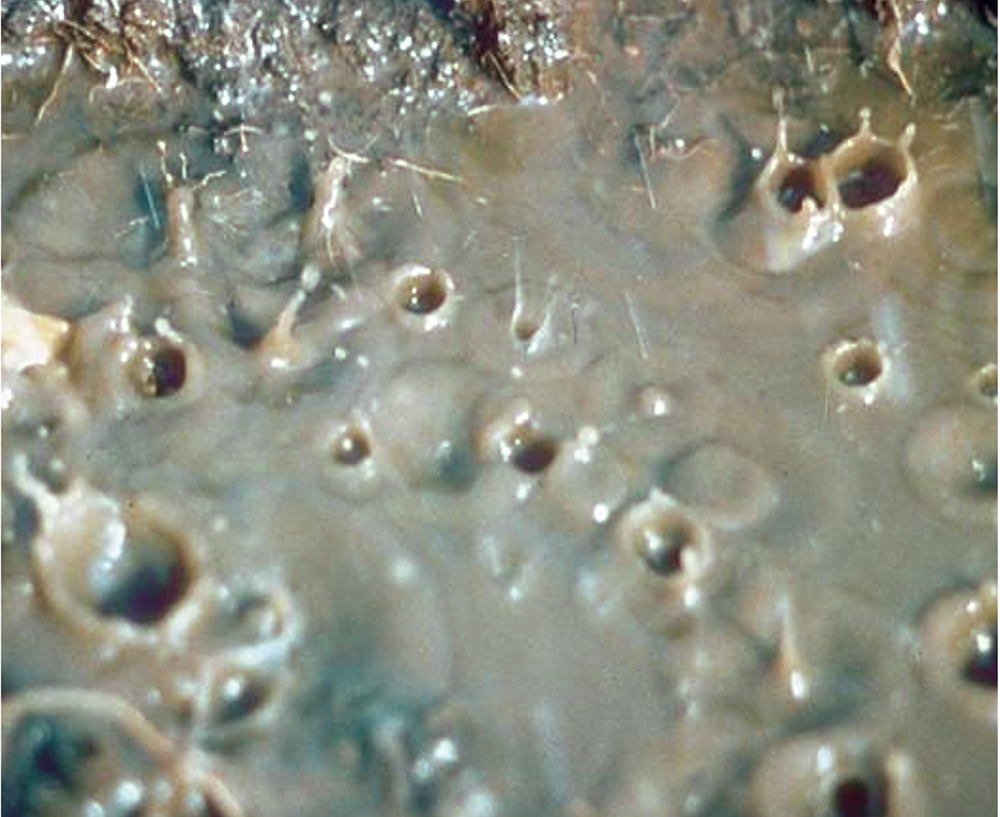
Excessive moisture accumulation in soil can lead to detrimental waterlogged conditions, impacting root respiration and nutrient uptake. When soil becomes oversaturated due to factors such as poor drainage or overwatering, a cascade of negative effects ensues. The presence of excess water in the soil creates a barrier that restricts the flow of oxygen to plant roots, hindering their ability to undergo respiration effectively. Additionally, the waterlogged environment diminishes the root’s capacity to absorb essential nutrients, further compromising the plant’s health.
Root rot, a common consequence of prolonged moisture buildup in soil, can be a devastating outcome for plants. This condition occurs when fungi or bacteria thrive in waterlogged soil, attacking and decaying the plant’s roots. As root rot progresses, it impairs the plant’s ability to uptake water and nutrients, leading to wilting, yellowing of leaves, and eventual plant decline. Therefore, preventing excessive moisture accumulation through proper watering practices is crucial in safeguarding plant health and vitality.
Poor Soil Drainage
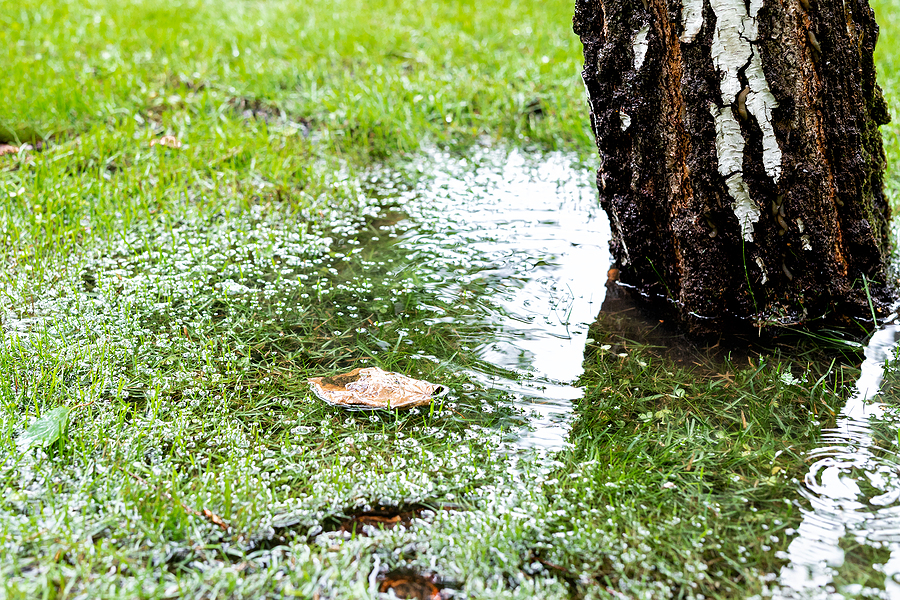
When soil drainage is poor, excess water accumulates, displacing air and resulting in bubbles surfacing. This trapped air can escape as bubbles due to the anaerobic conditions created by waterlogged soil. Compacted soil exacerbates the issue by impeding water movement, leading to the formation of air pockets and bubbles during watering.
Waterlogged Soil Problems
Waterlogged soil, stemming from poor drainage conditions, poses significant challenges for plant health and growth due to oxygen deprivation in the root zone. When soil becomes waterlogged, excess water fills the pores of the soil, displacing air and limiting the amount of oxygen available to plant roots. This lack of oxygen inhibits root respiration, a critical process for energy production in plants. As a result, nutrient uptake is compromised, leading to stunted growth and overall decreased plant vigor. Additionally, the waterlogged conditions create an environment conducive to root diseases such as root rot, further impacting plant health.
Symptoms of waterlogged soil include wilting, yellowing leaves, and increased vulnerability to diseases due to weakened plants. To address waterlogged soil problems, it is crucial to improve soil drainage by addressing underlying issues such as compacted soil, heavy clay content, or inadequate slope for runoff. By enhancing drainage through methods like incorporating organic matter, constructing raised beds, or installing drainage systems, the detrimental effects of waterlogging can be mitigated, promoting healthier plant growth and development.
Improving Drainage Solutions

Improving soil drainage in areas with poor drainage is crucial for preventing waterlogging and ensuring optimal plant growth. Poor soil drainage can lead to waterlogging, suffocating plant roots. Compacted soil restricts water movement, causing excess water to accumulate. Adding organic matter like compost can improve soil structure and drainage. Installing drainage tiles or creating raised beds can help redirect excess water. Properly sloping the ground away from plants can prevent water from pooling.
| Solutions for Improving Soil Drainage | Benefits |
|---|---|
| Add organic matter like compost | Enhances soil structure |
| Install drainage tiles | Reduces water accumulation |
| Create raised beds | Helps in water redirection |
| Properly slope the ground | Prevents water pooling |
| Use planted tank systems | Efficient water drainage |
Implementing these solutions can significantly enhance soil drainage, providing a healthier environment for plants to thrive.
Overwatering Plants
Overwatering plants can lead to waterlogged soil, which in turn restricts oxygen levels in the root zone. This excess moisture displaces essential air, creating anaerobic conditions that put plants at risk of suffocation and root rot. Proper moisture management is crucial to prevent these detrimental effects on plant health and growth.

Excessive Water Accumulation
How does excessive water accumulation in soil impact plant health and growth? When plants receive more water than they can effectively absorb or utilize, the soil becomes oversaturated, leading to a lack of oxygen in the root zone. This can result in bubbles coming out of the soil when watered, indicating the displacement of air due to waterlogging. The presence of bubbles is a visible sign of overwatering, signaling potential issues for plant health.
For plants, excess water can hinder nutrient uptake and impede root growth, ultimately affecting overall growth and vitality. The roots may suffocate in overly wet conditions, leading to symptoms like wilting leaves, yellowing, and root rot. In potted plants, poor drainage exacerbates the problem, creating a miniature water tank that further contributes to the accumulation of water in the soil. To mitigate the effects of excessive water accumulation and prevent bubbles from forming, adjusting watering practices and ensuring proper drainage are crucial steps to promote healthy plant growth.
Root Suffocation Risk
Saturating the soil with excessive water poses a significant risk of suffocating plant roots due to the displacement of essential oxygen. When soil becomes waterlogged, air spaces are filled with water, depriving roots of the oxygen necessary for respiration. As a result, roots can rot and die, impairing the plant’s ability to uptake nutrients and water effectively. Overwatering symptoms such as yellowing leaves, wilting, and stunted growth may indicate root suffocation issues.
To prevent root suffocation, ensure proper drainage in your plant containers or garden beds. Allow the soil to dry out between waterings to promote oxygen availability to the roots. By maintaining a balanced watering schedule and avoiding excessive water accumulation, you can help safeguard your plants against the risks of root suffocation caused by overwatering.
Trapped Air Pockets
Trapped air pockets within soil are a common occurrence that can lead to the formation of bubbles when watering plants. These air pockets often develop in compacted or poorly aerated soil, affecting soil structure and potentially hindering plant growth. The presence of air pockets can impede water infiltration, leading to water pooling on the surface and causing bubbles as trapped air escapes. Addressing soil compaction is crucial for preventing these air pockets, as it promotes better aeration and root health. Proper soil aeration techniques, such as loosening compacted soil and incorporating organic matter, can help alleviate the formation of these pockets. By improving soil structure and drainage, the risk of bubbles emerging from the soil due to trapped air is minimized. Ensuring adequate aeration benefits not only the soil but also promotes healthy plant growth by facilitating root development and nutrient uptake.

Anaerobic Soil Conditions
You should be aware that anaerobic soil conditions can arise due to oxygen deprivation in soil, impeding plant root function. This lack of oxygen can trigger the production of harmful gases, negatively impacting plant growth. To mitigate these issues, it is crucial to address the causes of anaerobic soil conditions through proper drainage and aeration techniques.
Causes of Anaerobic Soil
Anaerobic soil conditions arise from a deficiency of oxygen within the soil environment. This lack of oxygen can be attributed to various factors such as inadequate soil aeration methods, which can limit gas exchange efficiency, leading to pockets of anaerobic conditions. Additionally, high levels of soil compaction contribute to the formation of anaerobic zones by impeding oxygen movement through the soil profile.
- Insufficient soil aeration methods can reduce microbial activity, resulting in anaerobic conditions.
- Poor gas exchange efficiency due to soil compaction can lead to anaerobic pockets and hinder nutrient availability, impacting plant root health.
- Inadequate aeration practices exacerbate anaerobic soil conditions, promoting the decomposition of organic matter and the production of harmful gases like hydrogen sulfide.
Understanding these causes is crucial in implementing effective prevention strategies, such as proper soil aeration techniques and avoiding soil compaction, to maintain aerobic soil conditions and promote healthy plant growth.
Effects on Plant Growth
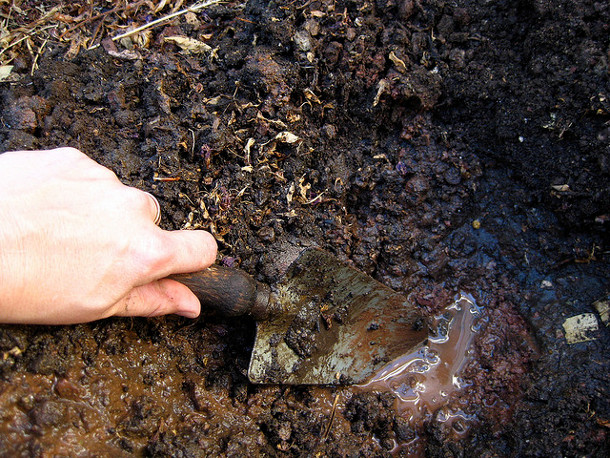
Gas bubbles in anaerobic soil conditions negatively impact plant growth by depriving roots of essential oxygen, inhibiting respiration, and nutrient uptake. The lack of oxygen in anaerobic soil impedes root oxygenation, leading to reduced metabolic activity crucial for plant development. As a result, plants struggle to absorb nutrients efficiently, stunting their growth and overall health. The presence of gas bubbles in the soil disrupts the balance needed for proper root function, causing issues such as root rot, nutrient deficiencies, and increased susceptibility to environmental stressors. These adverse effects on plant growth highlight the importance of maintaining soil health by monitoring aeration levels and promptly addressing gas bubble concerns. Ensuring adequate oxygen levels in the soil is essential for supporting optimal root function, nutrient absorption, and ultimately, healthy plant growth.
Ways to Improve
Enhancing soil aeration is crucial for mitigating anaerobic conditions and promoting optimal plant growth. To improve soil oxygen levels and prevent bubbles from forming, consider the following strategies:
- Aeration benefits: Increasing soil aeration helps break down organic matter, enhances nutrient availability, and fosters beneficial microbial activity. This, in turn, supports healthy root development and overall plant vitality.
- Soil oxygenation methods: Incorporate organic materials such as compost or peat moss to boost soil aeration. Avoid overwatering to prevent waterlogging, which can lead to oxygen depletion. Additionally, utilizing raised beds or containers with adequate drainage can improve air circulation within the soil.
- Bubble prevention strategies: Planting deep-rooted species can help break up compacted soil layers, allowing for better oxygen penetration. Installing drainage systems or tilling the soil can also facilitate improved air exchange, reducing the likelihood of anaerobic conditions and bubble formation. By implementing these methods, you can create a more conducive environment for plant growth and minimize the presence of bubbles in the soil.
Methane and Carbon Dioxide Release
During microbial activity in soil, the release of methane and carbon dioxide occurs as a result of the decomposition of organic matter. This process, known as microbial gas production, is influenced by various soil conditions such as moisture levels, temperature, and the amount of organic content present. Methane is particularly concerning due to its potency as a greenhouse gas, contributing significantly to climate change. To address this issue, methane reduction techniques can be implemented to mitigate carbon dioxide emissions as well.
One approach to reduce methane emissions is through proper soil management practices. These practices can include optimizing drainage to control soil moisture, adjusting fertilization techniques to minimize organic matter decomposition, and promoting aerobic conditions that discourage methane-producing bacteria. Additionally, enhancing soil aeration and incorporating organic amendments can help reduce methane production and release.
Soil Structure Improvement
To improve soil structure, you can utilize soil aeration techniques, incorporate organic matter, and evaluate the drainage system. These methods enhance soil porosity, water movement, and nutrient availability for plant roots. Implementing these practices can lead to healthier soil conditions and improved plant growth outcomes.
Soil Aeration Techniques
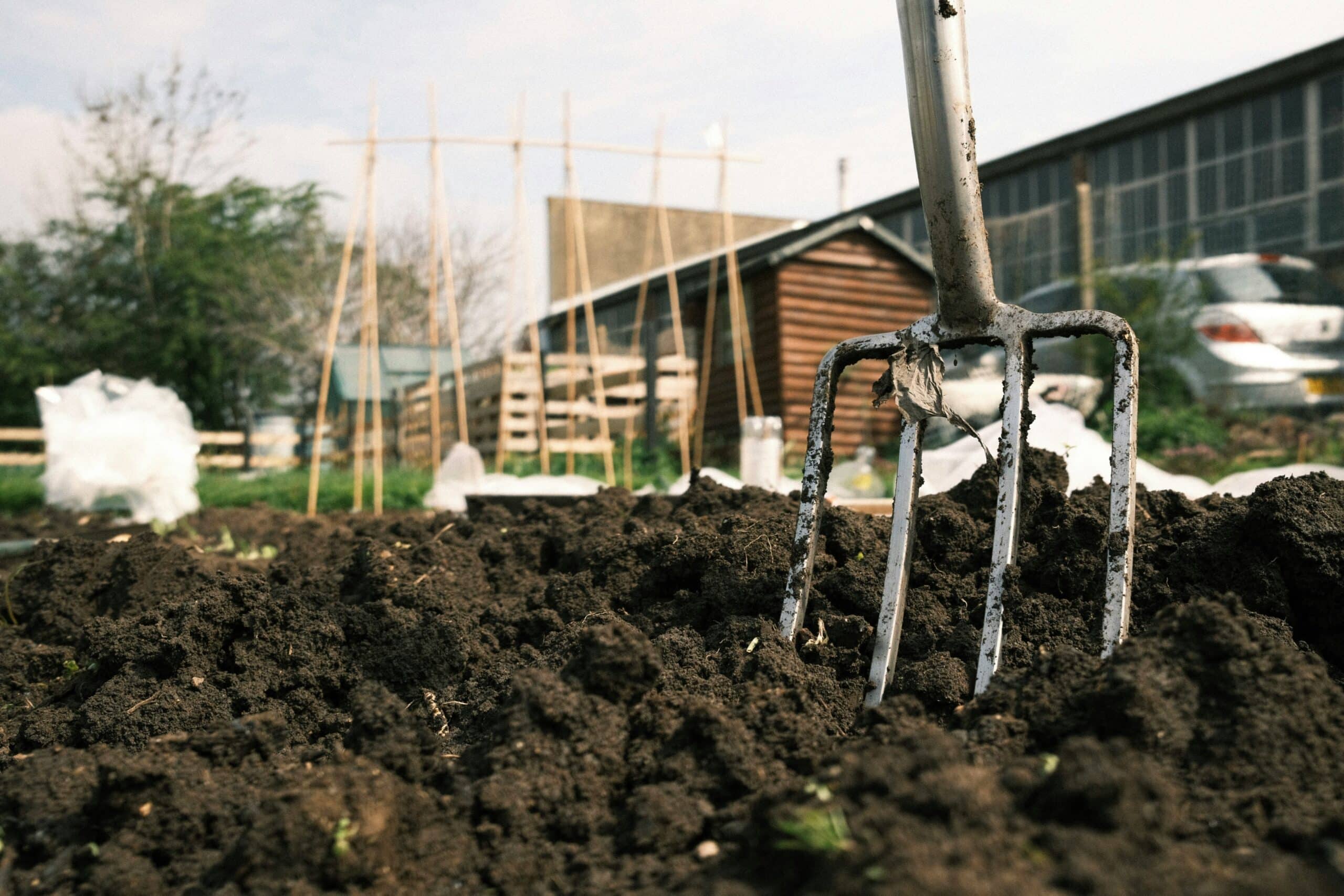
Improving soil structure through aeration techniques is crucial for optimizing plant growth and overall soil health. By enhancing air circulation within the soil, aeration benefits root growth, nutrient uptake, and microbial activity. To achieve these benefits, consider the following techniques:
- Turn soil: Regularly turning the soil helps prevent compaction, allowing air and water to penetrate deeper, promoting better root growth.
- Add organic matter: Incorporating organic materials like compost or mulch improves soil structure, providing aeration and essential nutrients for plants.
- Use aeration tools: Tools such as core aerators or spike aerators can mechanically loosen compacted soil, enhancing air exchange and water infiltration.
Soil health is directly linked to aeration practices; compacted soil restricts air and water movement, leading to poor plant development. Ensuring proper soil aeration is vital for sustaining healthy root systems, facilitating nutrient absorption, and fostering a thriving ecosystem underground.
Organic Matter Incorporation
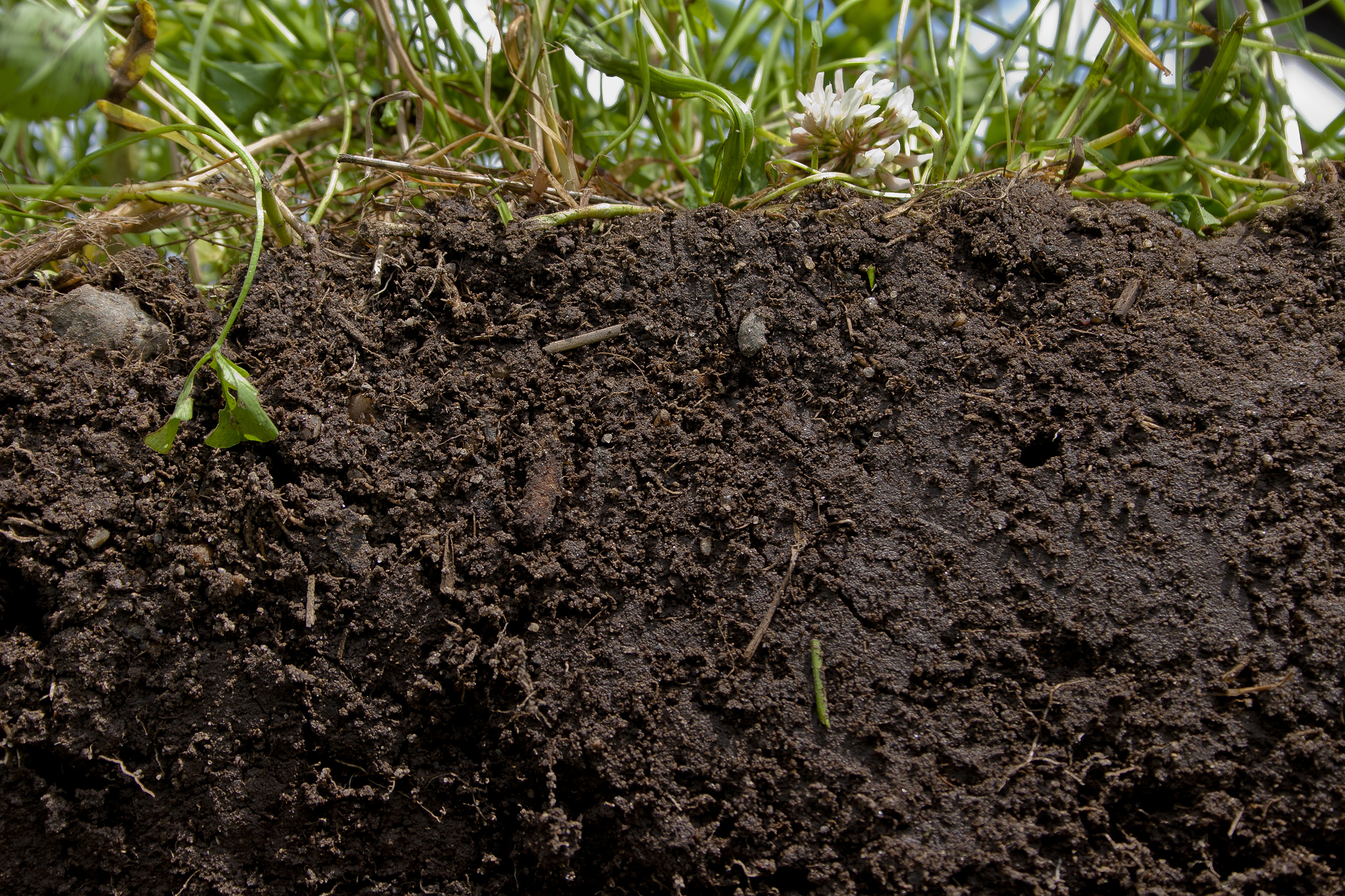
Enhancing soil structure through the incorporation of organic matter is a fundamental practice for bolstering overall soil health and promoting optimal plant growth. Organic matter benefits soil health by improving soil structure, increasing nutrient release for plant growth, and enhancing microbial activity. By adding compost or aged manure to the soil, you can boost soil fertility and promote beneficial soil organisms. The gradual breakdown of organic matter sustains long-term soil productivity and plant growth.
To better illustrate the benefits of organic matter in soil improvement, let’s look at the following table:
| Organic Matter Benefits | Nutrient Release | Soil Fertility |
|---|---|---|
| Improves soil structure by increasing porosity and water retention | Releases nutrients for plant uptake and enhances microbial activity | Boosts soil fertility and promotes beneficial soil organisms |
Incorporating organic matter not only enhances soil aeration, root penetration, and overall soil health but also contributes to long-term soil productivity and sustained plant growth.
Drainage System Evaluation
Evaluating the drainage system is crucial for optimizing soil structure and preventing waterlogging issues. Proper drainage system assessment plays a significant role in maintaining soil health by ensuring adequate water drainage evaluation, which is essential for promoting optimal plant growth. To enhance soil moisture management and facilitate root development, consider the following:
- Assess Drainage System: Conduct a thorough evaluation of the drainage system to identify any potential issues causing poor water drainage, which can impact plant growth and soil health.
- Optimize Water Drainage: Implement necessary measures to improve water drainage, as it directly influences the overall health of the soil and supports robust plant growth by maintaining a balanced soil moisture level.
- Manage Soil Moisture: Effective soil moisture management is critical for preventing water-related problems such as root rot, promoting healthy root development, and creating a conducive environment for plants to thrive.
Proper Grading Techniques
Proper grading techniques play a crucial role in shaping land to facilitate efficient water drainage away from structures and towards designated areas. Addressing grading challenges such as soil compaction is essential for ensuring proper land shaping and drainage efficiency. By utilizing earth-moving expertise, individuals can overcome these challenges to create a functional outdoor environment that not only promotes proper drainage but also enhances landscape aesthetics.
Grading not only prevents water accumulation around buildings, reducing the risk of water damage, but also promotes soil stability and prevents erosion. The correct grading techniques are vital for improving soil quality and creating a visually appealing outdoor space. Implementing proper grading requires a deep understanding of land surveying principles and proficiency in operating earth-moving equipment. By mastering these skills, individuals can effectively shape the land to optimize water flow and enhance the overall functionality and beauty of the outdoor environment.
Adjusting Watering Frequency
To optimize plant health and prevent soil saturation, adjusting watering frequency based on individual plant requirements is essential. When it comes to watering techniques, understanding your plant’s moisture needs is crucial. Here’s how to tailor your watering routine effectively:
- Moisture Monitoring: Regularly check the soil moisture levels to determine when watering is necessary. Use tools like a moisture meter or simply stick your finger into the soil to assess dryness.
- Plant Requirements: Different plants have varying water needs. Research the specific requirements of each plant in your care to ensure you are providing the right amount of water for healthy growth.
- Drainage Solutions: Proper drainage is vital for root health. Ensure your pots have drainage holes, use well-draining soil, and consider adding a layer of gravel at the bottom of the pot to prevent waterlogging.
Monitoring Soil Moisture Levels
Monitoring soil moisture levels accurately is essential for maintaining optimal plant health and growth. Proper soil moisture measurement is key to ensuring your plants receive the right amount of water, preventing issues like root rot or dehydration. By understanding the moisture levels in your soil, you can create a suitable watering schedule that promotes healthy growth patterns and robust root development for your plants.
| Soil Moisture Measurement | Watering Schedule |
|---|---|
| Use soil moisture meters for precise readings | Adjust watering frequency based on plant needs |
| Regularly check moisture levels in different areas | Consider factors like plant species and environmental conditions |
| Avoid overwatering or underwatering | Ensure consistent moisture levels for optimal plant health |
| Monitor moisture changes over time | Adapt watering practices as needed |
Aerating the Soil
Enhancing soil aeration involves creating air pockets to facilitate improved oxygen circulation within the soil structure. Proper aeration offers several benefits, including reducing soil compaction, promoting root growth, enhancing water infiltration, and improving nutrient absorption. Moreover, it fosters beneficial microbial activity, ultimately bolstering overall soil health. When it comes to aerating your soil, consider the following:

- Soil Aeration Benefits:
- Reduces soil compaction.
- Facilitates root growth.
- Enhances water infiltration and nutrient absorption.
- Promotes beneficial microbial activity.
- Best Aeration Tools:
- Aerator shoes.
- Hand tools like spades or pitchforks.
- Mechanical aerators for larger areas.
- Aerating Frequency Tips:
- For compacted soil, aerate once or twice a year.
- Lighter soils may benefit from more frequent aeration.
- Avoid aerating waterlogged soil to prevent further compaction.
Promoting Gas Exchange
Promoting efficient gas exchange in the soil is crucial for supporting optimal root respiration and nutrient uptake in plants. Root development, nutrient absorption, and plant respiration are all heavily dependent on the availability of oxygen in the soil. Compacted soil poses a significant threat to these processes as it restricts the movement of gases, leading to root suffocation and ultimately hindering plant growth. To enhance gas exchange and prevent such issues, it is essential to ensure proper soil drainage and loosen compacted soil. These measures facilitate oxygen diffusion, creating a more favorable environment for root respiration and nutrient absorption. Monitoring soil moisture levels is also key in maintaining an optimal balance for gas exchange, as excessive moisture can impede oxygen flow. By prioritizing soil aeration and implementing strategies to enhance gas exchange, you can promote healthy root development, improve nutrient uptake, and support overall plant vitality.
Preventing Bubble Formation
To prevent the formation of bubbles in the soil, it is imperative to address factors such as moisture content, root decomposition, nutrient levels, snail activity, and nitrogen balance. Proper soil aeration techniques can help mitigate the risk of root suffocation by ensuring a well-ventilated substrate. Excessive moisture accumulation should be avoided as it can lead to trapped air pockets, promoting bubble formation. Improving drainage solutions and employing proper grading techniques can aid in preventing waterlogging, which is a common cause of bubbles in the soil. Regularly checking for decomposing roots and removing them promptly can also prevent the development of air pockets that contribute to bubble formation. Monitoring and adjusting nutrient levels is essential to avoid excess oxygen production due to algae growth, which can lead to bubbles forming in the substrate. Lastly, controlling snail populations can reduce disruption in the soil, helping maintain a stable environment and preventing bubble formation.
Sustainable Soil Management Practices
Sustainable soil management practices play a crucial role in maintaining soil health and fostering long-term productivity. By integrating methods that focus on soil biodiversity preservation, ecosystem health, nutrient cycling integration for soil fertility, and water retention enhancement through cover cropping strategies, a balanced approach can be achieved. The table below summarizes key sustainable soil management practices:
| Key Aspect | Management Practice | Benefits |
|---|---|---|
| Soil Biodiversity Preservation | Crop Rotation, Cover Cropping | Enhances soil microbial diversity |
| Nutrient Cycling Integration | Reduced Tillage, Organic Amendments | Improves soil fertility and nutrient availability |
| Water Retention Enhancement | Conservation Tillage, Water Management | Reduces water runoff and increases soil moisture |
Implementing these practices not only ensures the longevity of soil health but also contributes to the overall sustainability of agricultural ecosystems. By maintaining a balance between conservation and productivity, sustainable soil management practices provide a foundation for resilient and thriving agricultural systems.