

To ensure successful seed sowing, first, pinpoint your planting zone and frost dates accurately. Use tools like USDA’s calculator for precise information. Next, consider the temperature needs and sun exposure requirements of your seeds for optimal germination. Pay attention to varying days to maturity per crop type and adjust your sowing accordingly. Lastly, maintain a detailed garden journal to track planting dates and other essential information. Mastering these four factors sets you up for a fruitful gardening season. Additional insights await for you to elevate your gardening skills further.
Planting Zone and Frost Dates

To optimize your seed starting success, begin by determining your planting zone using resources such as the USDA Plant Hardiness Zone calculator. Understanding your region’s average first and last frost dates is crucial for planning your seed starting schedule effectively.
Variations in frost dates can even occur within the same town, so it’s essential to be precise. Tools like the Old Farmer’s Almanac Frost Dates calculator can provide accurate information tailored to your specific location.
By knowing your frost dates, you can make informed decisions on when to start planting warm-season crops to maximize your growing season. Planting too early or too late can impact the success of your seeds, so aligning your seed starting activities with the appropriate frost dates is key.
Take the time to research and familiarize yourself with your planting zone and frost dates to set a strong foundation for a successful gardening season.
Temperature and Sun Exposure

Understanding the temperature requirements and sun exposure preferences of different seeds is crucial for successful germination and growth. Seeds have specific temperature requirements for germination, with some needing warmer conditions to kickstart the process effectively.
It’s essential to provide seeds requiring sunlight for germination with optimal exposure by sowing them at the appropriate depth. Knowing the ideal temperature range for seed germination can significantly increase the chances of successful growth.
Direct sunlight exposure is key for certain seeds to sprout and grow, so ensure they receive ample sunlight. Monitoring temperature fluctuations and ensuring adequate sun exposure are vital aspects of successful seed starting.
Days to Maturity Considerations

Consider the days to maturity of different plant varieties when planning your seed sowing schedule for a successful harvest. Understanding the time it takes for a plant to grow from seed to harvestable fruit is crucial in ensuring your garden yields a bountiful harvest.
Here are some key points to keep in mind:
- Days to maturity information is typically provided on seed packets, offering valuable guidance for determining the best time to start sowing seeds.
- Varying plant varieties have different days to maturity, ranging from a few weeks to several months, so it’s essential to choose seeds that align with your gardening timeline.
- Factors like temperature, light, and soil quality can impact the actual time it takes for a plant to reach maturity, so monitoring these conditions is vital for a successful harvest.
Importance of Garden Journal
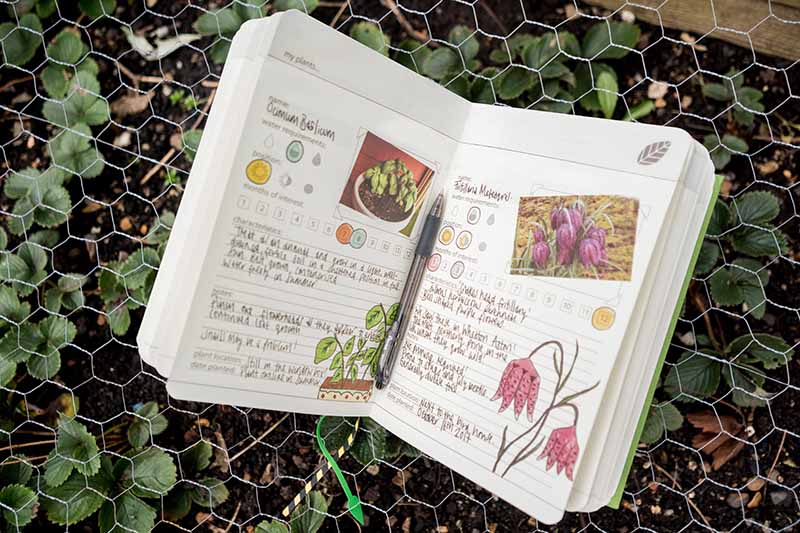
When managing your garden, maintaining a detailed garden journal becomes a valuable asset for tracking planting dates, crop rotation, successes, and failures. Documenting planting dates in your garden journal is crucial for effective annual garden planning and using it as an organizational tool.
These comprehensive gardening notebooks are excellent for recording essential information and keeping your gardening activities organized. Additionally, utilizing printable resources can aid in planning your garden effectively and tracking progress as the growing season unfolds.
Your garden journal serves as a repository for documenting gardening experiences, insights, and observations, making it an indispensable tool for any gardener. By diligently recording important details in your garden journal, you create a valuable resource that allows you to track your progress, learn from past mistakes, and celebrate successes.
Conclusion
Now that you understand the importance of considering your planting zone, frost dates, temperature, sun exposure, days to maturity, and keeping a garden journal, you’re well-equipped to determine the best time to start sowing seeds.
By taking these factors into account, you can ensure a successful and bountiful harvest in your garden. Remember, proper planning and attention to detail are key to a thriving garden throughout the growing season.
Happy planting!